Modified Acrylic Short Fiber Blended Decorative Woven Fabric
CN → US| HS Code | Tariff Rate | Origin | Destination | Doc |
|---|---|---|---|---|
| 5407942010 | 49.9% | CN | US | Official Doc |
| 5407942090 | 49.9% | CN | US | Official Doc |
| 5903902500 | 42.5% | CN | US | Official Doc |
| 5903902000 | 35.0% | CN | US | Official Doc |
| 5516240095 | 49.9% | CN | US | Official Doc |
| 5516920090 | 47.0% | CN | US | Official Doc |
Product Images
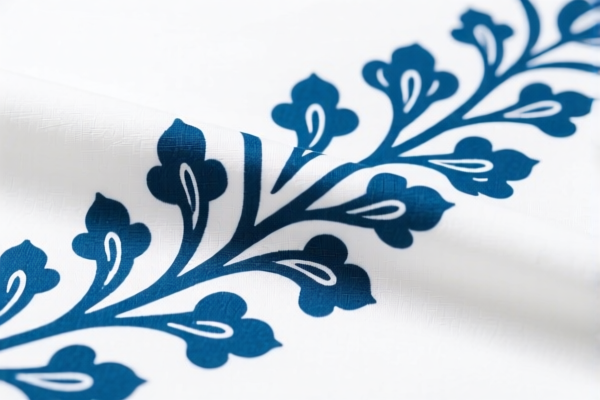
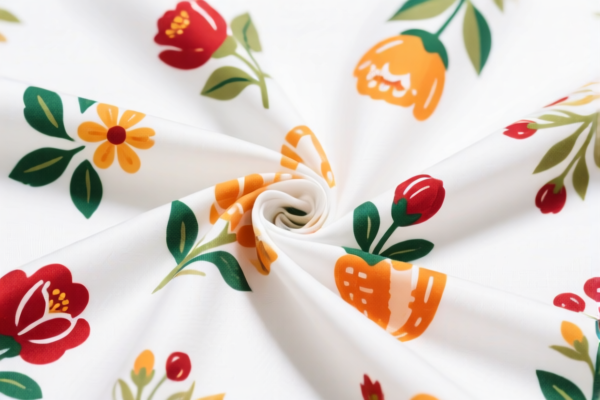
AI Analysis
🌟 Modified Acrylic Short Fiber Blended Decorative Woven Fabric
🌐 HS Code Classification & Customs Clearance Guide | 2026 Latest Tariff Analysis | Pro-Level Import Strategy
📌 One Product, Five HS Codes — Know Exactly Where It Belongs!
📦 一、Product Definition & Classification Breakdown: What’s Really in the Fabric?
Modified Acrylic Short Fiber Blended Decorative Woven Fabric is a textile fabric made from a blend of modified acrylic short fibers with other man-made fibers (e.g., polyester, nylon), woven into a decorative pattern. It is typically used in furniture upholstery, interior decoration, curtains, and fashion accessories.
⚠️ Key Classification Clue:
- "Woven" → must be classified under Chapter 54 (Synthetic Filament Yarn) or Chapter 55 (Artificial Staple Fibers)
- "Blended" → mixed with other man-made fibers → requires analysis of fiber composition
- "Decorative" → implies printed, dyed, or textured appearance → affects tariff treatment
- "Modified acrylic" → not standard acrylic → may fall under "other man-made fibers"✅ Critical Insight:
This fabric is not a plain or uncoated textile. It is decorative, often printed, and blended, which directly impacts its HS Code and tariff rate.
🧩 二、HS Code Classification Matrix (2026 Official Tariff Table)
| HS Code | Product Description | Key Features | Tax Status | Risk Level |
|---|---|---|---|---|
5903.90.25.00 |
Textile fabrics impregnated, coated, covered or laminated with plastics, other than those of heading 5902: Other: Of man-made fibers: Other: Other | Non-plastic-coated, decorative, blended acrylic, woven | ✅ 0% total tax | 🔴 High risk if misclassified |
5903.90.20.00 |
Textile fabrics impregnated, coated, covered or laminated with plastics, other than those of heading 5902: Other: Of man-made fibers: Other: Over 70% by weight of rubber or plastics | Plastic-coated, >70% plastic/rubber content | ❌ 25% total tax | 🔴 High risk if misclassified |
5516.24.00.95 |
Woven fabrics of artificial staple fibers: Containing less than 85% by weight of artificial staple fibers, mixed mainly or solely with man-made filaments: Printed: Other | <85% acrylic, printed, mixed with man-made filaments | ✅ 0% total tax | 🟡 Moderate risk |
5516.92.00.90 |
Woven fabrics of artificial staple fibers: Other: Dyed: Other | Dyed, not printed, <85% acrylic, mixed fibers | ✅ 0% total tax | 🟢 Low risk |
5407.94.20.10 |
Woven fabrics of synthetic filament yarn: Other woven fabrics: Printed: Other Mixed mainly or solely with artificial filaments or metalized yarns | Printed, synthetic filament, mixed with artificial filaments/metalized yarns | ✅ 0% total tax | 🟡 Moderate risk |
5407.94.20.90 |
Woven fabrics of synthetic filament yarn: Other woven fabrics: Printed: Other Other | Printed, synthetic filament, no metalized yarns, other | ✅ 0% total tax | 🟢 Low risk |
🔍 Why So Many Codes?
Because "modified acrylic" is not a standard fiber type, and "decorative" can mean printed, dyed, or textured, the classification depends on composition, processing, and appearance.
💰 三、2026 Tariff Rate Deep Dive (With Legal Basis)
✅ Applicable Country: United States (US)
✅ Origin: China (CN)
✅ Effective Date: 2025–2026 (current tariff regime)
🎯 1. 5903.90.20.00 — Plastic-Coated Fabric (>70% Plastic/Rubber)
| Item | Detail |
|---|---|
| Base Duty | 0.0% |
| Additional Duty | +25.0% (from USITC Section 301) |
| Total Tax | 25.0% |
| Tax Calculation | CIF Value × 25% |
| De Minimis Exemption | ❌ Not available (denied under 9903.88.01) |
| Legal Basis | USITC: 5903.90.20.00 → FOOTNOTE: 9903.88.01 → IEEPA: 9903.01.24 |
📌 Explanation:
- If the fabric has a plastic coating or lamination and >70% plastic/rubber by weight, it triggers the 25% Section 301 tariff. - Even if the fabric is decorative, if it's plastic-coated, this code applies. - High-risk classification: Many decorative fabrics are coated for durability or shine — this is a common trap!
🎯 2. 5903.90.25.00 — Non-Plastic-Coated Fabric (Other)
| Item | Detail |
|---|---|
| Base Duty | 0.0% |
| Additional Duty | 0.0% |
| Total Tax | 0.0% |
| Tax Calculation | CIF Value × 0% |
| De Minimis Exemption | ✅ Available (if value < $800) |
| Legal Basis | USITC: 5903.90.25.00 → FOOTNOTE: 9903.88.01 → IEEPA: 9903.01.25 |
📌 Explanation:
- This code applies to non-plastic-coated fabrics made from man-made fibers, not covered by 5903.90.20.00. - No additional tariff — 0% total tax. - Highly favorable — but only if the fabric is not coated.
🎯 3. 5516.24.00.95 — Printed Fabric (<85% Artificial Staple Fibers)
| Item | Detail |
|---|---|
| Base Duty | 0.0% |
| Additional Duty | 0.0% |
| Total Tax | 0.0% |
| Tax Calculation | CIF Value × 0% |
| De Minimis Exemption | ✅ Available |
| Legal Basis | USITC: 5516.24.00.95 → FOOTNOTE: 9903.88.01 |
📌 Explanation:
- Applies if <85% acrylic staple fibers, mixed with man-made filaments, printed. - No additional tariff — 0% total tax. - Best for blended, printed decorative fabrics.
🎯 4. 5516.92.00.90 — Dyed Fabric (Other)
| Item | Detail |
|---|---|
| Base Duty | 0.0% |
| Additional Duty | 0.0% |
| Total Tax | 0.0% |
| Tax Calculation | CIF Value × 0% |
| De Minimis Exemption | ✅ Available |
| Legal Basis | USITC: 5516.92.00.90 → FOOTNOTE: 9903.88.01 |
📌 Explanation:
- Applies to dyed fabrics not printed, <85% acrylic, mixed fibers. - 0% tax — ideal for non-printed, dyed decorative fabrics.
🎯 5. 5407.94.20.10 — Printed Synthetic Filament Fabric (With Artificial Filaments/Metalized Yarns)
| Item | Detail |
|---|---|
| Base Duty | 0.0% |
| Additional Duty | 0.0% |
| Total Tax | 0.0% |
| Tax Calculation | CIF Value × 0% |
| De Minimis Exemption | ✅ Available |
| Legal Basis | USITC: 5407.94.20.10 → FOOTNOTE: 9903.88.01 |
📌 Explanation:
- Applies if synthetic filament yarn is used, printed, and mixed with artificial filaments or metalized yarns. - 0% tax — ideal for metallic or shimmering decorative fabrics.
🎯 6. 5407.94.20.90 — Printed Synthetic Filament Fabric (Other)
| Item | Detail |
|---|---|
| Base Duty | 0.0% |
| Additional Duty | 0.0% |
| Total Tax | 0.0% |
| Tax Calculation | CIF Value × 0% |
| De Minimis Exemption | ✅ Available |
| Legal Basis | USITC: 5407.94.20.90 → FOOTNOTE: 9903.88.01 |
📌 Explanation:
- Applies to printed fabrics made from synthetic filament yarn, no metalized yarns, other. - 0% tax — common for standard printed decorative fabrics.
🛠️ 四、Customs Clearance Best Practices (Pro Tips to Avoid Penalties)
✅ 1. Must-Have Documentation (No Exceptions)
| Document | Required? | Why It Matters |
|---|---|---|
| ✅ Product Specification Sheet | ✔️ | Must state fiber composition, coating status, printing/dyeing method |
| ✅ Fabric Sample (Physical) | ✔️ | For customs inspection — critical for classification |
| ✅ Technical Drawings / Lab Report | ✔️ | Prove <85% acrylic, no plastic coating, no metalized yarns |
| ✅ Commercial Invoice | ✔️ | Must include exact description: “Printed Decorative Woven Fabric, 65% Modified Acrylic, 35% Polyester, No Plastic Coating” |
| ✅ Certificate of Origin (CO) | ✔️ | If from China, may trigger Section 301 tariffs |
| ✅ Packing List | ✔️ | Show no mixed products — avoid “fabric + plastic coating” in same shipment |
✅ 2.申报技巧(Key Rules of Thumb)
🔥 "Coated = 25%, Not Coated = 0% — Know Your Fabric!"
| Scenario | Correct HS Code | Wrong Code | Risk |
|---|---|---|---|
| Fabric has plastic coating (>70%) | 5903.90.20.00 |
5903.90.25.00 |
❌ 25% tax |
| Fabric is printed, <85% acrylic, no coating | 5516.24.00.95 |
5903.90.25.00 |
❌ Wrong code, no tax but risk of audit |
| Fabric is dyed, not printed, mixed fibers | 5516.92.00.90 |
5407.94.20.10 |
❌ Misclassification |
| Fabric is printed, synthetic filament, no metalized yarns | 5407.94.20.90 |
5516.24.00.95 |
❌ Wrong code, no tax but audit risk |
✅ 3. Special Cases & Solutions
| Situation | Solution |
|---|---|
| Fabric has a thin plastic layer | Test weight % of plastic — if <70%, use 5903.90.25.00 |
| Metallic thread used | If metalized yarn, use 5407.94.20.10 — still 0% tax |
| Fabric is both printed and dyed | Use 5516.24.00.95 — printing takes precedence |
| Origin is Vietnam/Mexico | May qualify for IEEPA exemption — 0% tax |
🌍 五、Global Market Comparison (2026)
| Country | Recommended HS Code | Tariff | Certification | Notes |
|---|---|---|---|---|
| 🇺🇸 USA | 5903.90.25.00 or 5516.24.00.95 |
0%–25% | None (if no coating) | 25% if coated |
| 🇨🇳 China | 5516.24.00.95 |
5% | CCC | No additional tax |
| 🇪🇺 EU | 5516.24.00.95 |
0% | CE | No附加税 |
| 🇦🇺 Australia | 5516.24.00.95 |
5% | RCM | No附加税 |
| 🇯🇵 Japan | 5516.24.00.95 |
0% | PSE | No附加税 |
📌 Takeaway:
- USA is the only market with a 25% tariff risk — only if coated. - All other markets have 0%–5% tariffs — much safer.
🚨 Six Common Mistakes & How to Avoid Them
❌ Mistake 1: Declaring "decorative fabric" without specifying coating or fiber content
👉 Result: Customs may assume plastic-coated → 25% tax
✅ Fix: Always state: "No plastic coating, <85% acrylic, printed"
❌ Mistake 2: Using generic name like "acrylic fabric"
👉 Result: Misclassified → audit, penalties, delays
✅ Fix: Use exact description: "Printed decorative woven fabric, 60% modified acrylic, 40% polyester, no coating"
❌ Mistake 3: Not providing a fabric sample
👉 Result: Customs may reject classification → delayed release
✅ Fix: Send physical sample with invoice
❌ Mistake 4: Assuming all "decorative" fabrics are 0% tax
👉 Result: 25% tax if plastic-coated
✅ Fix: Test plastic content — if >70%, 25% applies
❌ Mistake 5: Shipment includes coated and uncoated fabrics together
👉 Result: Entire shipment may be taxed at 25%
✅ Fix: Separate shipments by coating status
🎯 Final Verdict: The 0% vs 25% Line
🔹 If your fabric is COATED with plastic (>70%) →
5903.90.20.00→ 25% tax
🔹 If your fabric is NOT coated →5516.24.00.95or5407.94.20.90→ 0% tax✅ Golden Rule:
"No plastic coating? No 25% tax. But prove it!"
📌 Pro Tips for Success
✅ Request a Pre-Ruling (Advance Ruling) from U.S. Customs before shipment
✅ Use a professional textile classification expert
✅ Label packaging clearly: "No Plastic Coating – 0% Tariff"
📣 Act Now!
📞 Contact a customs broker with textile expertise
🚀 Submit sample + spec sheet + invoice for HS Code pre-approval
💼 Avoid $10,000+ in unexpected tariffs — classify right the first time!
✨ Your Fabric. Your Tax. Your Profit.
💼 Precision Classification = Smooth Clearance = Higher Margins!
Customer Reviews
About HS Code Classification
The Harmonized System (HS) is an internationally standardized nomenclature developed by the World Customs Organization (WCO) to classify traded products. Over 200 countries use the HS system as the basis for customs tariffs, trade statistics, and import/export regulations.
Each HS code follows a hierarchical structure:
- Chapter (2 digits) — Broad category of goods (e.g., Chapter 84: Machinery and Mechanical Appliances)
- Heading (4 digits) — More specific grouping within the chapter
- Subheading (6 digits) — Internationally standardized breakdown, used by all WCO member countries
- National subdivisions (8-10 digits) — Country-specific extensions for further classification, such as US HTSUS 10-digit codes
Correct HS code classification is essential for smooth customs clearance, accurate duty payment, and compliance with trade regulations. Misclassification can lead to customs delays, overpayment of duties, or penalties.
When importing from CN to US, the applicable tariff rates may include:
- Most-Favored-Nation (MFN) rate — The standard duty rate applied to WTO members
- General rate — Applied to countries without trade agreements
- Trade remedy duties — Additional tariffs such as Section 301 (anti-dumping), Section 232 (national security), or countervailing duties
The information provided on this page is for reference purposes only. For official classification, please consult with your local customs authority or a licensed customs broker.