Modified Acrylic Short Fiber Blended Yarn (Household)
CN → US| HS Code | Tariff Rate | Origin | Destination | Doc |
|---|---|---|---|---|
| 6006330080 | 45.0% | CN | US | Official Doc |
| 5515290090 | 35.0% | CN | US | Official Doc |
| 5515290005 | 35.0% | CN | US | Official Doc |
| 6006320080 | 45.0% | CN | US | Official Doc |
| 5512210090 | 47.0% | CN | US | Official Doc |
Product Images
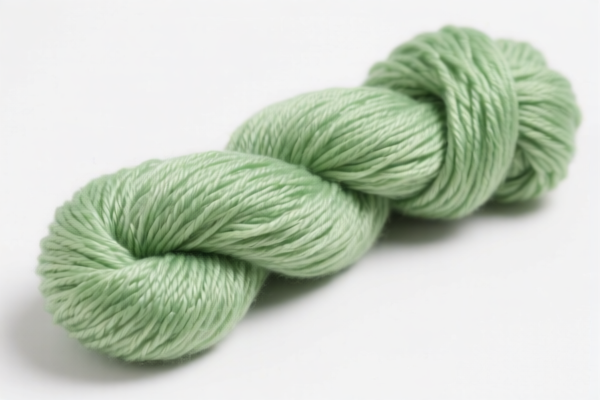
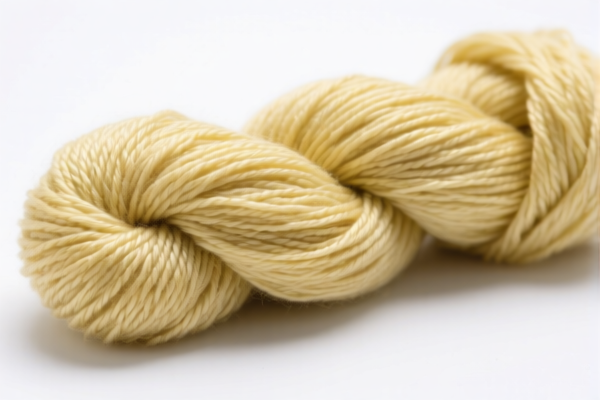
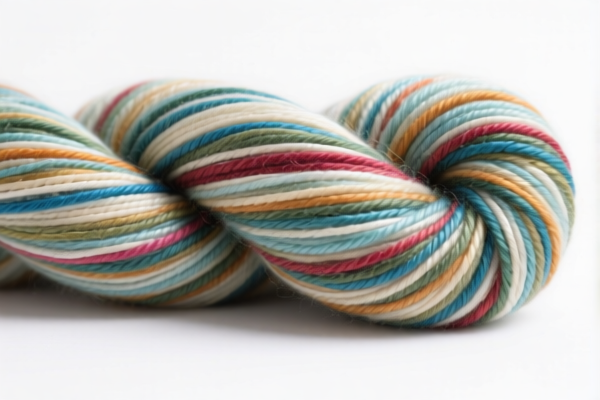
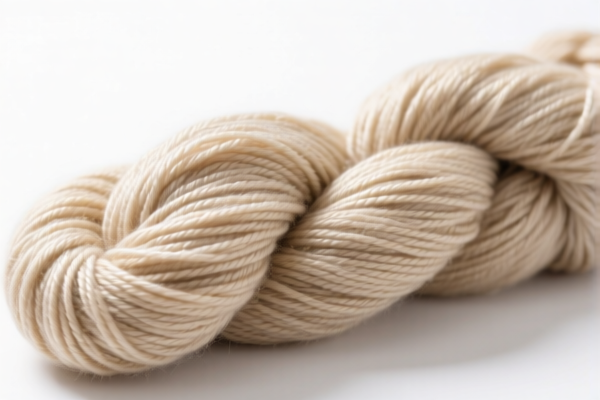
AI Analysis
🧶 Modified Acrylic Short Fiber Blended Yarn (Household Use)
🌐 HS Code Reference & Clearance Guide | 2026 Latest Tariff Analysis | Professional Customs Strategy
📌 I. Product Definition & Classification: Do You Really Understand "Modified Acrylic Yarn"?
Modified Acrylic Short Fiber Blended Yarn, primarily used for household textiles (such as blankets, upholstery fabrics, and clothing knits), is a composite material where acrylic fibers are chemically or physically modified to enhance performance (e.g., softness, dyeability, or resistance) and then blended with other fibers.
In international trade, the classification depends heavily on: 1. Fabric State: Is it yarn, knitted fabric, or woven fabric? 2. Composition: What percentage of acrylic vs. other synthetic fibers? 3. Processing: Is it dyed, printed, or plain?
⚠️ Key Distinction Points:
- If the product is yarn itself, it typically falls under Chapter 55 (Man-made Staples).
- If the product is knitted fabric (e.g., jersey, interlock), it falls under Chapter 60.
- If the product is woven fabric, it falls under Chapter 55 (depending on composition).
- "Modified" implies special treatment, but HS codes often classify based on the base fiber type unless a specific subheading exists for "modified." In this dataset, specific descriptions link to distinct codes.
📦 II. HS Code Classification Details (2026 Latest Tariff Authority Comparison)
Based on the provided data, here are the precise HS Codes and their corresponding tax structures for modified acrylic blended products. Note that while the user input specifies "Yarn," the provided data focuses on Fabrics made from modified acrylic blends. If your product is strictly yarn, please verify if it maps to a different Chapter (likely 5510/5511); however, based on the provided <DATA>, we analyze the finished fabric forms which are common downstream applications.
| HS Code | Product Description | Applicable Scenario | Tax Rate Detail |
|---|---|---|---|
6006.33.00.80 |
Modified Acrylic Blended Fabric, Synthetic Fiber, Knitted | Knitted household fabrics (e.g., blankets, sweatshirt material) | 45.0% Base: 10% + Section 301: 25% + Section 122: 10% |
5515.29.00.90 |
Modified Acrylic Blended Fabric, Other Synthetic Main Fabric Woven | Woven fabrics where modified acrylic is a main component but not the sole definitional one | 35.0% Base: 0% + Section 301: 25% + Section 122: 10% |
5515.29.00.05 |
Modified Acrylic Woven Fabric, No Blue Denim or Jacquard Features | Plain or simple woven fabrics, excluding denim or complex jacquards | 35.0% Base: 0% + Section 301: 25% + Section 122: 10% |
6006.32.00.80 |
Modified Acrylic Blended Fabric, Dyed Synthetic Fiber Knitted | Dyed knitted fabrics (colorfastness is a key feature for household use) | 45.0% Base: 10% + Section 301: 25% + Section 122: 10% |
5512.21.00.90 |
Modified Acrylic Blended Short Fiber Woven, Other Categories | Specific woven blends not covered by other subheadings, often higher base duty | 47.0% Base: 12% + Section 301: 25% + Section 122: 10% |
🔍 Important Note:
- The term "Household" implies end-use (e.g., bed linen, towels), but HS classification is based on material and structure, not end-use.
- "Modified" is reflected in the summary text but the HS code structure (Chapter 55/60) relies on fiber type (Acrylic) and form (Knit/Woven).
- Section 122 Tariff: This 10% tariff is a specific punitive tariff applied to Chinese-origin goods, added on top of Section 301 (25%) and Base Duties.
💰 III. 2026 Latest Tariff Rate Breakdown (Including Surcharges & Policy Add-ons)
✅ Applicable Country: United States (US)
✅ Country of Origin: China (CN)
✅ Effective Time: 2025-11-10 onwards
🎯 1. 6006.33.00.80 & 6006.32.00.80 —— Modified Acrylic Knitted Fabrics
| Item | Content |
|---|---|
| Base Tariff | 10% (ad valorem) |
| Section 301 Surcharge | +25% (USITC Footnote for Chinese synthetic fabrics) |
| Section 122 Tariff | +10% (Specific punitive tariff for Chinese textile inputs) |
| Total Tariff Rate | 45.0% |
| Tax Calculation | CIF Value × 45% |
| De Minimis Eligibility | ❌ No (Section 301/122 goods are generally excluded from $800 de minimis) |
| Legal Basis Path | HTSUS:6006.33.00.80 → Section 301: 9903.88.01 → Section 122: 9903.01.24 |
📌 Explanation:
- Knitted fabrics (Chapter 60) generally have higher base duties than woven counterparts in some categories, or the specific blend triggers the 10% base.
- The 45% total rate is extremely high. This erodes margin significantly for household textile imports.
🎯 2. 5515.29.00.90 & 5515.29.00.05 —— Modified Acrylic Woven Fabrics (Non-Denim)
| Item | Content |
|---|---|
| Base Tariff | 0% (ad valorem) |
| Section 301 Surcharge | +25% |
| Section 122 Tariff | +10% |
| Total Tariff Rate | 35.0% |
| Tax Calculation | CIF Value × 35% |
| De Minimis Eligibility | ❌ No |
| Legal Basis Path | HTSUS:5515.29.00.90 → Section 301: 9903.88.01 → Section 122: 9903.01.24 |
📌 Explanation:
- Woven fabrics (Chapter 55) often have lower base duties (0%) if they don't fit specific high-duty subheadings like5512.
- However, the 35% total rate is still substantial.
-5515.29.00.05is a more specific subheading for non-denim, non-jacquard woven fabrics, sharing the same tax structure.
🎯 3. 5512.21.00.90 —— Modified Acrylic Blended Short Fiber Woven (Other)
| Item | Content |
|---|---|
| Base Tariff | 12% (ad valorem) |
| Section 301 Surcharge | +25% |
| Section 122 Tariff | +10% |
| Total Tariff Rate | 47.0% |
| Tax Calculation | CIF Value × 47% |
| De Minimis Eligibility | ❌ No |
| Legal Basis Path | HTSUS:5512.21.00.90 → Section 301: 9903.88.01 → Section 122: 9903.01.24 |
📌 Explanation:
- This is the highest tariff bracket in the dataset.
-5512covers synthetic staple fibers woven. The 12% base suggests this is a less common or more restricted blend category.
- 47% total makes this product extremely costly to import into the US.
🛠️ IV. Customs Clearance Practical Advice (Combat Pitfalls Guide)
✅ 1. Required Documentation Checklist
| Document | Mandatory? | Description |
|---|---|---|
| ✅ Product Specification Sheet | ✔️ | Must detail fiber composition % (e.g., 80% Modified Acrylic, 20% Polyester), fabric type (Knit/Woven), weight (GSM). |
| ✅ Composition Certificate | ✔️ | Laboratory report proving "Modified" status and fiber blend ratios. |
| ✅ Commercial Invoice | ✔️ | Must clearly state: "Modified Acrylic Short Fiber Blended Fabric/Yarn, CN Origin." |
| ✅ Packing List | ✔️ | Include net/gross weights. Ensure packaging doesn't hide the product type. |
| ✅ Section 301/122 Exemption List | ❌ | Generally NOT available for these codes. Do not claim exemption without legal advice. |
| ✅ Country of Origin Certificate | ✔️ | Proof of Chinese origin is critical as Section 122 applies specifically. |
✅ 2. Classification Strategy (Key Tips)
🔥 "Check the Weave, Check the Dye, Watch the Base Duty!"
| Scenario | Recommended HS Code | Why? |
|---|---|---|
| Knitted Fabric (e.g., fleece, jersey) | 6006.33.00.80 or 6006.32.00.80 |
Chapter 60 is for knitted products. |
| Woven Fabric (Plain) | 5515.29.00.90 or 5515.29.00.05 |
Chapter 55, Section 5515 for woven synthetics. |
| High Base Duty Woven | 5512.21.00.90 |
If the blend falls into this specific statutory category, avoid if possible. |
| Yarn Only | Not in Data | If you are importing Yarn (not fabric), you must look at Chapter 55, Heading 5510/5511. The provided data is for fabrics. Clarify with your broker if the input is strictly yarn. |
✅ 3. Special Handling
| Situation | Advice |
|---|---|
| "Household" Labeling | Do not rely on "Household Use" for classification. Customs looks at what it is, not what it's for. |
| Segmentation Risk | If you ship yarn and fabric together, declare separately. Mixing classifications can trigger audits. |
| Price Under-Declaration | High tariffs (35-47%) attract scrutiny. Ensure CIF value is accurate to avoid penalties. |
| Section 122 Impact | This 10% tariff is additional. It does not replace Section 301. Total burden is Base + 25% + 10%. |
🌍 V. Global Market Clearance Comparison (2026 Latest)
| Country/Region | Recommended HS Code | Estimated Total Duty | Notes |
|---|---|---|---|
| 🇺🇸 USA | 5515.29.00.90 / 6006.33.00.80 |
35% - 45% | High Section 301 + 122 tariffs. |
| 🇨🇳 China | 5515.29.00.90 |
~5-8% | Lower base duties. No Section 301/122. |
| 🇪🇺 EU | 5515.29.00.90 |
~6-12% | Varies by exact blend. No punitive US-style tariffs. |
| 🇬🇧 UK | 5515.29.00.90 |
~6-12% | Post-Brexit tariff schedules similar to EU. |
| 🇯🇵 Japan | 5515.29.00.90 |
~5-10% | FTAs may apply if origin is not China. |
📌 Conclusion:
- The US market is the most expensive due to the layered Section 301 (25%) and Section 122 (10%) tariffs.
- Total duty rates of 35-47% are prohibitive for low-margin household goods.
- Consider supply chain diversification (e.g., Vietnam, Bangladesh) to avoid China-origin tariffs if targeting the US.
📌 VI. Common Mistakes & Pitfalls Guide
❌ Mistake 1: Declaring Yarn under Fabric codes (5515/6006)
👉 Consequence: Misclassification, potential fines, and duty underpayment/overpayment.
👉 Action: Verify if your product is Yarn (Chapter 55 Heading 5510/5511) or Fabric (Chapter 55/60). The provided data is for Fabrics.
❌ Mistake 2: Ignoring Section 122
👉 Consequence: If you only account for Section 301 (25%) and forget Section 122 (10%), you will be 10% short on duties, leading to penalties and interest.
👉 Action: Always add Base + 25% + 10%.
❌ Mistake 3: Assuming "Household" reduces Duty
👉 Consequence: Customs does not care about end-use for duty rate determination in these chapters.
👉 Action: Focus on Fiber Content and Structure (Knit/Woven).
❌ Mistake 4: Using "Acrylic" as a generic term without "Modified" context
👉 Consequence: While "Modified" may not change the HS code digit, it must be accurately described to avoid rejection or audit.
👉 Action: Clearly state "Modified Acrylic" in descriptions.
✅ Correct Approach:
"Woven Fabric, 80% Modified Acrylic, 20% Polyester, 150 GSM, Plain Weave, DYED, CN Origin, HTS 5515.29.00.90"
🎯 VII. Conclusion: Professional Declaration for Cost Efficiency
🎯 Remember the Motto:
🔹 "Knit is 60, Woven is 55, Base + 25 + 10 is the Truth!"
🔹 "Yarn vs. Fabric is a Binary Choice, Don't Mix Them!"
🔹 "35-47% Duty is High, Plan Your Supply Chain or Die Trying!"
📌 Pro Tip:
If your Modified Acrylic Yarn is intended for use in the US, verify the exact HS code for Yarn (likely 5510.11.00 or 5510.30.00), which may have different base duties but still attract Section 301/122.
For Fabrics, the provided codes are the authoritative reference.
📣 Immediate Action:
📞 Contact a licensed US Customs Broker + Provide Fiber Composition Report
🚀 Apply for Advance Ruling if unsure about Knit vs. Woven classification
💡 Consider Third-Country Processing to mitigate US tariffs
✨ Professional Clearance Starts with Precise Classification!
💼 Every Percent of Duty Counts!
Customer Reviews
About HS Code Classification
The Harmonized System (HS) is an internationally standardized nomenclature developed by the World Customs Organization (WCO) to classify traded products. Over 200 countries use the HS system as the basis for customs tariffs, trade statistics, and import/export regulations.
Each HS code follows a hierarchical structure:
- Chapter (2 digits) — Broad category of goods (e.g., Chapter 84: Machinery and Mechanical Appliances)
- Heading (4 digits) — More specific grouping within the chapter
- Subheading (6 digits) — Internationally standardized breakdown, used by all WCO member countries
- National subdivisions (8-10 digits) — Country-specific extensions for further classification, such as US HTSUS 10-digit codes
Correct HS code classification is essential for smooth customs clearance, accurate duty payment, and compliance with trade regulations. Misclassification can lead to customs delays, overpayment of duties, or penalties.
When importing from CN to US, the applicable tariff rates may include:
- Most-Favored-Nation (MFN) rate — The standard duty rate applied to WTO members
- General rate — Applied to countries without trade agreements
- Trade remedy duties — Additional tariffs such as Section 301 (anti-dumping), Section 232 (national security), or countervailing duties
The information provided on this page is for reference purposes only. For official classification, please consult with your local customs authority or a licensed customs broker.