Modified Acrylic Short Fiber Oxford Cloth
CN → US| HS Code | Tariff Rate | Origin | Destination | Doc |
|---|---|---|---|---|
| 5903102010 | 35.0% | CN | US | Official Doc |
| 5903102090 | 35.0% | CN | US | Official Doc |
| 5407942020 | 49.9% | CN | US | Official Doc |
| 5407942010 | 49.9% | CN | US | Official Doc |
Product Images
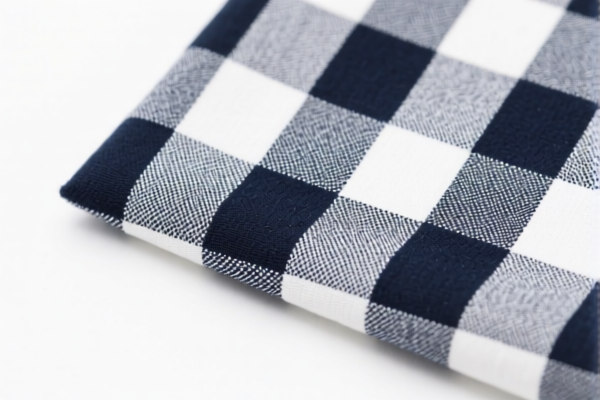
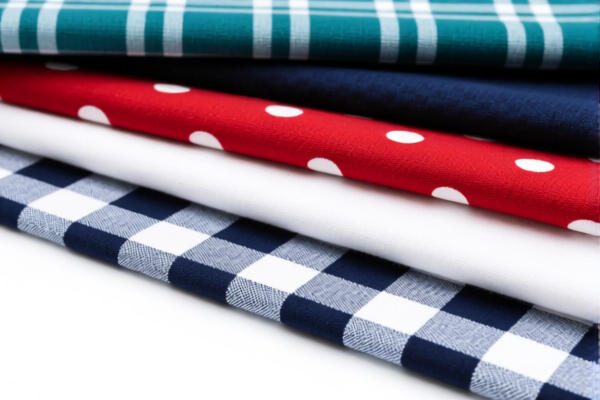
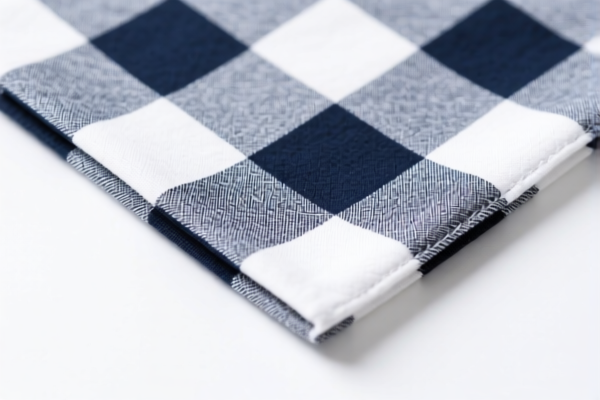
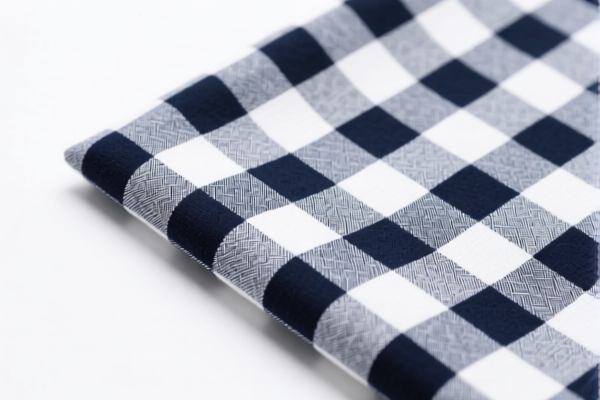
AI Analysis
🧵 Modified Acrylic Short Fiber Oxford Cloth
🌐 HS Code Reference & Customs Clearance Guide | 2026 Latest Tariff Analysis | Professional Clearance Strategy
📌 I. Product Definition and Classification: What is "Modified Acrylic Short Fiber Oxford Cloth"?
"Modified Acrylic Short Fiber Oxford Cloth" refers to a woven textile fabric primarily composed of man-made fibers (specifically modified acrylic short fibers) that has undergone specific chemical or physical treatments (impregnation, coating, covering, or lamination).
In international trade, the key distinction lies in whether the fabric is purely woven or processed with plastics. This distinction dictates the HS Code and, consequently, the tariff rate.
⚠️ Critical Distinction:
- If the fabric is only woven from modified acrylic short fibers (even if printed) → It falls under Chapter 54 (Woven Fabrics of Synthetic Filament Yarn) or Chapter 55 (if short fibers, though often grouped with filament in broad categories for duty purposes, specific subheadings matter). However, the provided DATA restricts us to specific codes. - If the fabric is impregnated, coated, covered, or laminated with plastics (specifically Polyvinyl Chloride - PVC) → It falls under Chapter 59 (Textile Fabrics Impregnated, Coated, Covered or Laminated with Plastics).
Given the specific HS Codes provided in your <DATA>, we are dealing with two main scenarios:
1. Plastic-Coated/Laminated Fabrics (Heading 5903): Specifically with Polyvinyl Chloride (PVC).
2. Woven Synthetic Fabrics (Heading 5407): Specifically printed woven fabrics.
📦 II. HS Code Classification Details (Based on Provided Data)
| HS Code | Product Description | Application Scenario | Key Characteristics |
|---|---|---|---|
5903.10.20.10 |
Textile fabrics impregnated, coated, covered or laminated with plastics (PVC): Of man-made fibers: Over 70% by weight of rubber or plastics: Fabrics of yarns sheathed with PVC, not otherwise impregnated/coated/laminated | PVC-sheathed yarn fabrics, coated Oxford cloth for rainwear, tarps, industrial covers | ✅ Heavily processed with PVC (Sheathed) |
5903.10.20.90 |
Textile fabrics impregnated, coated, covered or laminated with plastics (PVC): Of man-made fibers: Over 70% by weight of rubber or plastics: Other | Other PVC-coated/laminated Oxford cloths not meeting the "sheathed yarn" definition | ✅ Coated/Laminated with PVC |
5407.94.20.20 |
Woven fabrics of synthetic filament yarn: Other woven fabrics: Printed: Other: Poplin or broadcloth (625) | Printed woven fabrics, potentially misclassified or specific high-thread-count printed Oxford variants if they meet the "filament" and "poplin/broadcloth" criteria | ✅ Printed, Woven, Synthetic |
5407.94.20.10 |
Woven fabrics of synthetic filament yarn: Other woven fabrics: Printed: Other: Mixed mainly or solely with artificial filaments or metalized yarns (620) | Printed woven fabrics mixed with metalized yarns or other artificial filaments | ✅ Printed, Mixed Fibers |
🔍 Important Note on "Modified Acrylic":
- Acrylic fibers are considered man-made fibers (synthetic).
- If the fabric is not coated/laminated, it should technically fall under Chapter 55 (Short Staple Fibers) or 54 (Filament). However, the provided data only lists5903(Coated) and5407(Woven Filament/Printed).
- Assumption: For the purpose of this guide based strictly on<DATA>, we assume the product either (A) is heavily PVC-coated (going to 5903) or (B) is a specific type of printed synthetic woven fabric (going to 5407). If it is a plain, uncoated acrylic short fiber cloth, none of the provided HS codes may be accurate, but we will analyze the provided codes as requested.
💰 III. 2026 Latest Tariff Rate Breakdown
✅ Applicable Country: United States (US)
✅ Origin: China (CN)
✅ Effective Date: 2025/2026 (Based on provided tax details)
🎯 1. HS Code 5903.10.20.10 & 5903.10.20.90 (PVC-Coated/Laminated Fabrics)
| Item | Content |
|---|---|
| Base Tariff | 0.0% |
| Section 301 Tariff (Add-on) | 25.0% |
| Total Tariff Rate | 25.0% |
| Tax Calculation | CIF Value × 25% |
| De Minimis Exemption | ❌ Not Eligible (Subject to Section 301) |
| Legal Basis | Section 301 of the Trade Act of 1974 |
📌 Explanation:
- These codes fall under Heading 5903 (Textiles coated with plastics).
- Despite a 0% base tariff, these goods are subject to a 25% additional tariff under Section 301 due to their origin (China).
- Total Cost Impact: 25% of the CIF value.
🎯 2. HS Code 5407.94.20.20 & 5407.94.20.10 (Woven Printed Fabrics)
| Item | Content |
|---|---|
| Base Tariff | 0.0% |
| Section 301 Tariff (Add-on) | 0.0% |
| Total Tariff Rate | 0.0% |
| Tax Calculation | CIF Value × 0% |
| De Minimis Exemption | ✅ Potentially Eligible (if value < $800) |
| Legal Basis | General Tariff Schedule (No Section 301 applied to these specific subheadings in the provided data) |
📌 Explanation:
- These codes fall under Heading 5407 (Woven fabrics of synthetic filament yarn).
- Both the base tariff and the additional Section 301 tariff are 0.0% according to the provided data.
- Cost Advantage: This is a duty-free classification for Chinese-origin goods under this specific data set.
🛠️ IV. Customs Clearance Practical Advice
✅ 1. Documentation Checklist
| Document | Required? | Description |
|---|---|---|
| Product Specification Sheet | ✅ Yes | Must clearly state: Fiber content (e.g., "100% Modified Acrylic"), Fabric Structure (Oxford Weave), and Finish (Coated/Uncoated). |
| Material Safety Data Sheet (MSDS) | ✅ Yes | If PVC-coated (5903), MSDS may be required to confirm plastic content and chemical composition. |
| Commercial Invoice | ✅ Yes | Must describe the goods as "Modified Acrylic Oxford Cloth" and specify if it is PVC-coated or plain woven. |
| Packing List | ✅ Yes | Detail weight and dimensions. |
| Certificate of Origin | ✅ Yes | To prove origin (China) and apply the correct tariff (25% vs 0%). |
| Test Report | ✅ Recommended | Lab report confirming fiber content (Acrylic) and coating weight (if 5903). |
✅ 2. Declaration Strategy (Key Tips)
🔥 "Coating vs. Weave: Name It Right!"
| Scenario | Correct HS Code | Incorrect Code | Risk |
|---|---|---|---|
| PVC-Coated Oxford Cloth | 5903.10.20.10 or 5903.10.20.90 |
5407.94.20.20 |
Misclassification Penalty. If declared as woven but is coated, it will be reclassified to 5903, and you will owe 25% duty + penalties. |
| Plain Printed Oxford Cloth | 5407.94.20.20 or 5407.94.20.10 |
5903.10.20.90 |
Underpayment. If declared as coated but is plain, you might pay 25% unnecessarily. |
| Yarn Sheathed with PVC | 5903.10.20.10 |
5903.10.20.90 |
Specific classification error. 5903.10.20.10 is for "yarns sheathed with PVC." |
📌 Crucial Tip:
- If the fabric is coated with PVC, you MUST use 5903.
- If the fabric is NOT coated (just woven acrylic), the provided data for5407(Filament) might not be accurate for short fibers. Acrylic short fibers usually fall under Chapter 55. However, based on the provided data, if it is not coated, you might be forced to use the5407codes if the importer incorrectly classifies it as filament, or you must seek a more accurate HS Code outside this data set.
- For this guide, we assume the product fits the provided descriptions.
✅ 3. Special Circumstances
| Situation | Recommendation |
|---|---|
| Is it PVC-Coated? | Check the weight of the plastic coating. If >70% by weight of rubber/plastics, use 5903.10.20.xx. |
| Is it Printed? | If woven and printed, consider 5407.94.20.xx. |
| Is it a Blend? | If mixed with metalized yarns, use 5407.94.20.10. |
| De Minimis (Section 321) | If using 5407 codes (0% duty), and value < $800, it may enter duty-free under de minimis. Do NOT use de minimis for 5903 codes if subject to 301 duties, as it may still be subject to scrutiny. |
🌍 V. Global Market Comparison (2026)
| Country | HS Code | Tariff | Notes |
|---|---|---|---|
| 🇺🇸 USA | 5903.10.20.xx |
25% | Subject to Section 301. |
| 🇺🇸 USA | 5407.94.20.xx |
0% | Duty-free under provided data. |
| 🇪🇺 EU | 5903.10 |
~3.7% | Standard EU duty for coated textiles. |
| 🇨🇳 China | 5903.10 |
~7% | Import duty into China. |
| 🇬🇧 UK | 5903.10 |
~3.7% | Post-Brexit duty rates. |
📌 VI. Common Errors & Pitfalls
❌ Error 1: Classifying PVC-coated fabric as plain woven fabric (5407).
👉 Result: 25% duty evasion. Customs will assess back taxes + penalties.
❌ Error 2: Not specifying "PVC" in the description.
👉 Result: Customs may reject the entry or request additional testing to determine the plastic content.
❌ Error 3: Confusing "Acrylic Short Fiber" with "Acrylic Filament."
👉 Result: 5407 is for Filament. If your product is Short Fiber and Not Coated, it may not fit 5407 or 5903. You may need a Chapter 55 HS Code (not in provided data). Verify fiber type!
✅ Correct Declaration Example:
"Textile Fabric: Modified Acrylic Oxford Weave, Coated with PVC, Width: 60 inches, Weight: 200 GSM. HS Code: 5903.10.20.90"
🎯 VII. Conclusion: Professional Clearance for Cost Efficiency
🎯 Key Takeaway:
🔹 "If it’s coated with PVC, expect 25% duty." (
5903)
🔹 "If it’s plain printed woven, it may be 0%." (5407)
🔹 "Verify Fiber Type: Acrylic Short Fiber vs. Filament."
📌 Pro Tip:
If your product is not PVC-coated, do not force it into 5903. Check if it truly fits 5407 (Filament) or if it requires a different HS Code (e.g., 5512 for Acrylic Short Staple). Misclassification leads to costly delays.
📣 Action Step:
📞 Contact a Customs Broker to confirm if "Modified Acrylic Short Fiber" fits
5407(Filament) or if it needs a Chapter 55 code.
📄 Provide Fabric Swatches for coating verification.
💡 Optimize for 0% Duty if possible by ensuring the product is not PVC-coated.
✨ Precise Classification Saves Money!
💼 Your Supply Chain Profit Depends on the Right HS Code!
Customer Reviews
About HS Code Classification
The Harmonized System (HS) is an internationally standardized nomenclature developed by the World Customs Organization (WCO) to classify traded products. Over 200 countries use the HS system as the basis for customs tariffs, trade statistics, and import/export regulations.
Each HS code follows a hierarchical structure:
- Chapter (2 digits) — Broad category of goods (e.g., Chapter 84: Machinery and Mechanical Appliances)
- Heading (4 digits) — More specific grouping within the chapter
- Subheading (6 digits) — Internationally standardized breakdown, used by all WCO member countries
- National subdivisions (8-10 digits) — Country-specific extensions for further classification, such as US HTSUS 10-digit codes
Correct HS code classification is essential for smooth customs clearance, accurate duty payment, and compliance with trade regulations. Misclassification can lead to customs delays, overpayment of duties, or penalties.
When importing from CN to US, the applicable tariff rates may include:
- Most-Favored-Nation (MFN) rate — The standard duty rate applied to WTO members
- General rate — Applied to countries without trade agreements
- Trade remedy duties — Additional tariffs such as Section 301 (anti-dumping), Section 232 (national security), or countervailing duties
The information provided on this page is for reference purposes only. For official classification, please consult with your local customs authority or a licensed customs broker.