Modified Acrylic Staple Fiber Blended Yarn
CN → US| HS Code | Tariff Rate | Origin | Destination | Doc |
|---|---|---|---|---|
| 5402499140 | 43.0% | CN | US | Official Doc |
| 5516930090 | 43.5% | CN | US | Official Doc |
| 5509620000 | 47.0% | CN | US | Official Doc |
| 5509610000 | 48.2% | CN | US | Official Doc |
| 5503300000 | 39.3% | CN | US | Official Doc |
Product Images
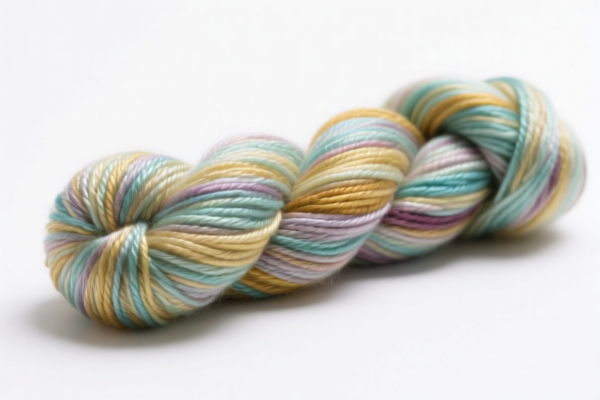
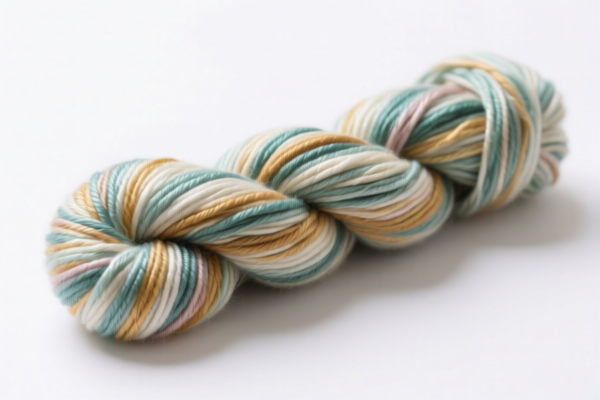
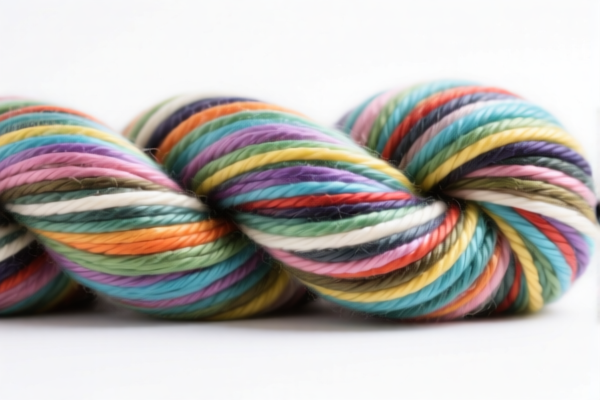
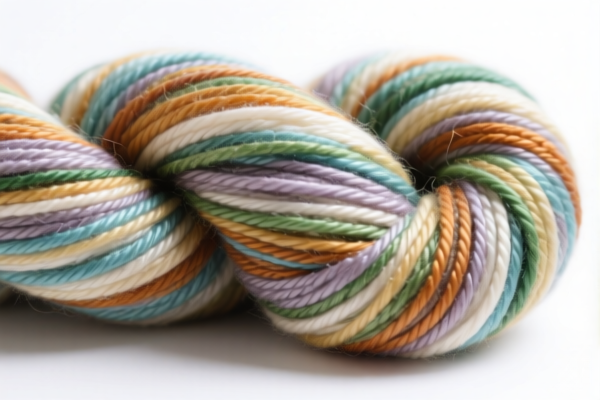
AI Analysis
🧵 Modified Acrylic Staple Fiber Blended Yarn: HS Code Classification & Customs Clearance Guide 2026
🌐 HS Code Reference & Customs Strategy | 2026 Latest Tariff Analysis | Professional Clearance Tactics
📌 I. Product Definition & Classification: What is "Modified Acrylic Staple Fiber Blended Yarn"?
This product consists of staple fibers (short, cut fibers) made from modified acrylic (a type of synthetic polymer) that are blended with other fibers. In international trade, the classification depends heavily on: 1. Material Composition: Is it 100% acrylic? Blended with wool? Blended with other man-made fibers? 2. Form: It is staple fiber (short fibers ready for spinning), NOT filament (continuous long fibers). 3. Modification: "Modified" often implies specific treatments for dyeability or functionality, but the chemical base remains acrylic/polyacrylonitrile.
⚠️ Critical Distinction:
- If it is 100% modified acrylic staple fiber (no blending with wool/animal hair) → Likely 5516 or 5509.
- If it is blended with wool or fine animal hair → Must classify under 5509.61.
- If it is considered a synthetic staple fiber similar to acrylic (e.g., modacrylic) → Could fall under 5503.
- If it is mistakenly classified as filament instead of staple → 5402 (Incorrect but seen in errors).
📦 II. HS Code Classification Details (2026 Latest Tariff Authority Reference)
| HS Code | Product Description | Key Classification Criteria | Applicable Scenario |
|---|---|---|---|
5516.93.00.90 |
Synthetic Staple Fiber, <85% Synthetic, Blended | Material: Man-made fibers. Form: Staple fiber blended. Fits general blended fabric characteristics. | Blended acrylic with non-wool synthetic fibers (e.g., polyester, cotton if applicable, but here specified as man-made). |
5509.62.00.00 |
Acrylic Staple Fiber, <85% Acrylic, Blended with Synthetics | Material: Acrylic staple fiber. Core features match classification requirements. | Blended acrylic with other synthetic staple fibers (not wool). |
5509.61.00.00 |
Acrylic Staple Fiber, Blended with Wool/Fine Animal Hair | Material: Acrylic staple fiber blended with wool or fine animal hair. | Specific blend with wool or fine animal hair. |
5503.30.00.00 |
Synthetic Staple Fibers, Other (e.g., Modacrylic) | Modified acrylic & modacrylic are considered similar. Staple form fits synthetic staple fiber definition. | If classified as "other synthetic staple" rather than pure acrylic. |
5402.49.91.40 |
Synthetic Filament Yarn (Error Risk) | Material: Modified acrylic fiber. Category: Synthetic filament. Fits material definition but wrong form. | Incorrect if product is staple; applies only if it were filament. Listed here due to material similarity but form mismatch. |
🔍 Key Insight:
- 5516 and 5509 are the primary candidates for blended staple fibers.
- 5509.61 is mandatory if wool/fine animal hair is present.
- 5503.30 may apply if the "modified" nature reclassifies it as a different synthetic staple.
- 5402 is likely a misclassification for staple fibers (it’s for filaments), but included for comparison due to material similarity.
💰 III. 2026 Latest Tariff Rate Breakdown (Including Surtaxes, Policy Surcharges)
✅ Applicable Country: USA (US)
✅ Origin: China (CN)
✅ Effective Date: From Nov 10, 2025 (including subsequent imports)
🎯 1. 5516.93.00.90 – Synthetic Staple Fiber Blended (Man-made)
| Item | Content |
|---|---|
| Base Tariff | 8.5% (ad valorem) |
| USITC Surtax (Section 301) | +25.0% |
| IEEPA Surtax (122 Clause) | +10.0% |
| Total Tariff | 43.5% |
| Tax Calculation | CIF Value × 43.5% |
| De Minimis Exemption? | ❌ No (deny_de_minimis) |
| Legal Basis Path | IEEPA:9903.01.25 → USITC:5516.93.00.90 → FOOTNOTE:9903.88.01 |
📌 Explanation:
- 8.5% is the standard MFN base rate for synthetic staple blends.
- 25% is the Section 301 additional tariff on Chinese goods.
- 10% is the 122 Clause IEEPA surcharge on Chinese textile products.
- Total 43.5% is high. Avoid misclassification to lower brackets.
🎯 2. 5509.62.00.00 – Acrylic Staple Fiber Blended (with Synthetics)
| Item | Content |
|---|---|
| Base Tariff | 12.0% |
| USITC Surtax (Section 301) | +25.0% |
| IEEPA Surtax (122 Clause) | +10.0% |
| Total Tariff | 47.0% |
| Tax Calculation | CIF Value × 47.0% |
| De Minimis Exemption? | ❌ No |
| Legal Basis Path | IEEPA:9903.01.25 → USITC:5509.62.00.00 → FOOTNOTE:9903.88.01 |
📌 Note:
- Higher base rate (12%) than 5516, but same surcharges.
- Applies when acrylic is blended with other synthetic staple fibers (not wool).
🎯 3. 5509.61.00.00 – Acrylic Staple Fiber Blended with Wool/Fine Animal Hair
| Item | Content |
|---|---|
| Base Tariff | 13.2% |
| USITC Surtax (Section 301) | +25.0% |
| IEEPA Surtax (122 Clause) | +10.0% |
| Total Tariff | 48.2% |
| Tax Calculation | CIF Value × 48.2% |
| De Minimis Exemption? | ❌ No |
| Legal Basis Path | IEEPA:9903.01.25 → USITC:5509.61.00.00 → FOOTNOTE:9903.88.01 |
📌 Important:
- Highest base rate due to wool blend.
- Mandatory if any wool/fine animal hair is present.
- 48.2% is the most expensive scenario.
🎯 4. 5503.30.00.00 – Other Synthetic Staple Fibers
| Item | Content |
|---|---|
| Base Tariff | 4.3% |
| USITC Surtax (Section 301) | +25.0% |
| IEEPA Surtax (122 Clause) | +10.0% |
| Total Tariff | 39.3% |
| Tax Calculation | CIF Value × 39.3% |
| De Minimis Exemption? | ❌ No |
| Legal Basis Path | IEEPA:9903.01.25 → USITC:5503.30.00.00 → FOOTNOTE:9903.88.01 |
📌 Analysis:
- Lowest total tariff (39.3%) among valid staple classifications.
- Applies if "modified acrylic" is classified as "other synthetic staple" (e.g., modacrylic).
- Strategic Advantage: If your product can be technically argued as "other synthetic" rather than pure acrylic, this saves 4.2% vs. 5516 and 8.9% vs. 5509.61.
🎯 5. 5402.49.91.40 – Synthetic Filament Yarn (Likely Misclassification)
| Item | Content |
|---|---|
| Base Tariff | 8.0% |
| USITC Surtax (Section 301) | +25.0% |
| IEEPA Surtax (122 Clause) | +10.0% |
| Total Tariff | 43.0% |
| Tax Calculation | CIF Value × 43.0% |
| De Minimis Exemption? | ❌ No |
| Legal Basis Path | IEEPA:9903.01.25 → USITC:5402.49.91.40 → FOOTNOTE:9903.88.01 |
📌 Warning:
- This code is for filament yarn, not staple.
- If you file this for staple fiber, you risk customs audit, penalties, and back taxes.
- Listed here only for material similarity, but form mismatch makes it risky.
🛠️ IV. Customs Clearance Practical Advice (Field Pitfall Avoidance Guide)
✅ 1. Required Documentation Checklist (All Mandatory)
| Document | Must Provide | Explanation |
|---|---|---|
| ✅ Product Specification Sheet | ✔️ | Detail fiber type (acrylic, modacrylic, etc.), blend ratio, staple length, denier. |
| ✅ Chemical Composition Report | ✔️ | Third-party lab test confirming "Modified Acrylic" composition. |
| ✅ Product Photos (Clear) | ✔️ | Show fiber texture (staple vs. filament), packaging, labels. |
| ✅ Commercial Invoice | ✔️ | Clearly state "Modified Acrylic Staple Fiber Blended Yarn". |
| ✅ Packing List | ✔️ | Detail weight, quantity, and container details. |
| ✅ Origin Certificate (CO) | ✔️ | If non-Chinese origin, may qualify for preferential rates. |
| ✅ Technical Data Sheet | ✔️ | Confirm it is staple (cut) and not filament. |
✅ 2. Declaration Tips (Key Mantras)
🔥 "Staple not Filament, Wool Blend is Key, Code Choice Dictates Tax, Accuracy Saves Money!"
| Situation | Correct Declaration | Wrong Practice |
|---|---|---|
| Blended with synthetic fibers only | 5509.62.00.00 or 5516.93.00.90 |
Mislabel as filament → 5402 → Penalty Risk |
| Blended with wool/fine animal hair | 5509.61.00.00 |
Omit wool content → Underdeclaration |
| Can argue as "Other Synthetic" (e.g., modacrylic) | 5503.30.00.00 |
Force into acrylic code → Higher Tax (48.2%) |
| Pure modified acrylic staple | 5516.93.00.90 |
Vague description → Audit Trigger |
✅ 3. Special Handling Cases
| Situation | Handling Advice |
|---|---|
| OEM Custom Yarn | Provide client order + technical specs to prove blend ratio. |
| "Modified" Acrylic | Clarify if it’s modacrylic or treated acrylic. Modacrylic may qualify for 5503.30.00.00 (lower tax). |
| Blended with Natural Fibers | If wool is present, must use 5509.61.00.00. Do not try to hide it. |
| Sample vs. Bulk | Ensure sample and bulk classification match. Discrepancies cause delays. |
🌍 V. Global Main Market Customs Comparison (2026 Latest)
| Country/Region | Recommended HS Code | Tariff (China Origin) | Certification Requirements | Notes |
|---|---|---|---|---|
| 🇺🇸 USA | 5503.30.00.00 (if eligible) |
39.3% | None specific | Highest if 5509.61; Lowest if 5503.30. |
| 🇨🇳 China | 5509.62.00.00 |
~5-10% | CCC (if applicable) | Lower base rates, no Section 301. |
| 🇪🇺 EU | 5509.62.00.00 |
~6.5% | REACH, OEKO-TEX | No additional surtaxes like US. |
| 🇬🇧 UK | 5509.62.00.00 |
~6.5% | UKCA | Post-Brexit rates similar to EU. |
| 🇯🇵 Japan | 5509.62.00.00 |
~7.5% | JIS | No additional surtaxes. |
📌 Conclusion:
- USA is the most expensive market due to Section 301 + IEEPA surcharges.
- Strategy for US: Aim for5503.30.00.00(39.3%) if technically justifiable, instead of5509.61.00.00(48.2%).
- Non-US Markets: Focus on REACH/OEKO-TEX compliance rather than tax arbitrage.
📌 VI. Common Mistakes & Pitfall Guide (Blood-Teaching Lessons)
❌ Mistake 1: Classifying staple fiber as filament (5402)
👉 Consequence: Customs audit, penalty for misdeclaration, and potential back taxes. Form is wrong.
❌ Mistake 2: Hiding wool content in blended yarn
👉 Consequence: Forced into 5509.61.00.00 (48.2%) later, plus fines. Transparency is key.
❌ Mistake 3: Using vague terms like "Acrylic Yarn" without specifying "Staple" or "Blended"
👉 Consequence: Customs may assign highest default rate or delay clearance for clarification.
❌ Mistake 4: Assuming "Modified" means "Exempt" from Surtaxes
👉 Consequence: IEEPA Section 122 surcharges apply to most textile imports from China. No exemption.
✅ Correct Practice:
"Modified Acrylic Staple Fiber Yarn, Blended with Polyester, 50/50 Blend, Staple Length 38mm, Denier 150D, For Knitting, Origin China"
🎯 VII. Conclusion: Professional Declaration, Save Time, Save Money!
🎯 Remember the Mantras:
🔹 "Staple vs. Filament: Form is King!"
🔹 "Wool Blend: Mandatory Higher Tax (48.2%)!"
🔹 "Modify to Modacrylic? Aim for 5503.30 (39.3%)!"
🔹 "US Surtaxes: 35% Total on Top of Base Rate!"
📌 Pro Tip:
If your "modified acrylic" can be technically documented as modacrylic or another synthetic staple fiber (not pure acrylic), consider classifying under 5503.30.00.00 to save 4.2%-8.9% in tariffs for US imports.
Recommendation: Apply for a Pre-Ruling (Advance Ruling) with US CBP to lock in the 5503.30.00.00 classification if applicable.
📣 Immediate Action:
📞 Contact Professional Customs Broker + Provide Lab Test Reports + Apply for HS Code Pre-Ruling
🚀 Let your yarn, smooth clearance, efficient export, profit maximization!
✨ Professional Clearance Starts with Accurate Classification!
💼 Your Every Cent of Cost Deserves Precise Calculation!
Customer Reviews
About HS Code Classification
The Harmonized System (HS) is an internationally standardized nomenclature developed by the World Customs Organization (WCO) to classify traded products. Over 200 countries use the HS system as the basis for customs tariffs, trade statistics, and import/export regulations.
Each HS code follows a hierarchical structure:
- Chapter (2 digits) — Broad category of goods (e.g., Chapter 84: Machinery and Mechanical Appliances)
- Heading (4 digits) — More specific grouping within the chapter
- Subheading (6 digits) — Internationally standardized breakdown, used by all WCO member countries
- National subdivisions (8-10 digits) — Country-specific extensions for further classification, such as US HTSUS 10-digit codes
Correct HS code classification is essential for smooth customs clearance, accurate duty payment, and compliance with trade regulations. Misclassification can lead to customs delays, overpayment of duties, or penalties.
When importing from CN to US, the applicable tariff rates may include:
- Most-Favored-Nation (MFN) rate — The standard duty rate applied to WTO members
- General rate — Applied to countries without trade agreements
- Trade remedy duties — Additional tariffs such as Section 301 (anti-dumping), Section 232 (national security), or countervailing duties
The information provided on this page is for reference purposes only. For official classification, please consult with your local customs authority or a licensed customs broker.