Modified Aromatic Insecticide Powder
CN → US| HS Code | Tariff Rate | Origin | Destination | Doc |
|---|---|---|---|---|
| 3802905000 | 39.8% | CN | US | Official Doc |
| 3802100050 | 39.8% | CN | US | Official Doc |
| 3808912501 | 41.5% | CN | US | Official Doc |
| 3808911500 | 35.0% | CN | US | Official Doc |
| 2933991701 | 16.5% | CN | US | Official Doc |
| 2933696021 | 21.0% | CN | US | Official Doc |
Product Images
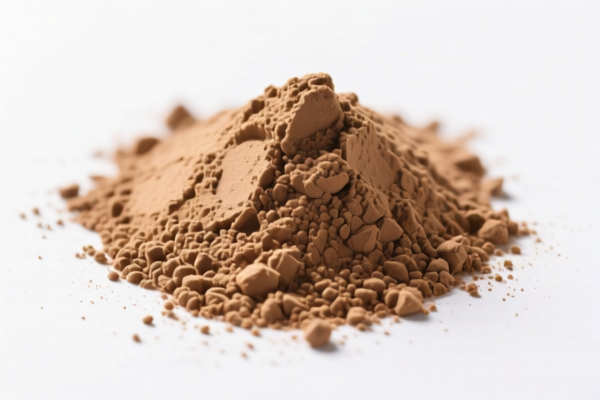
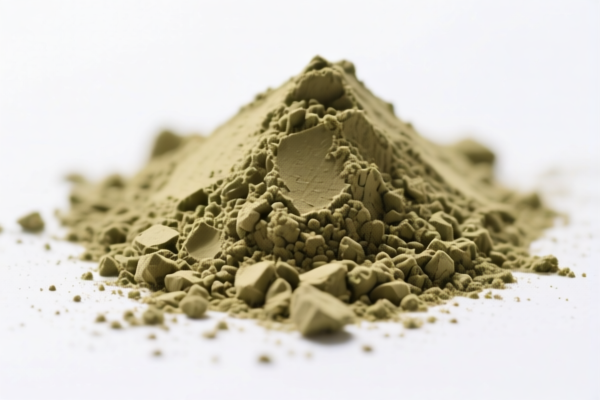
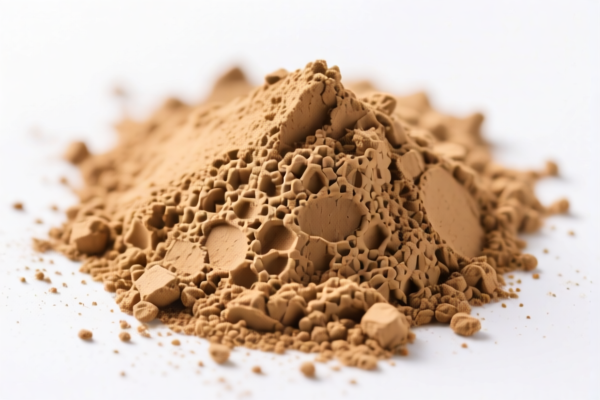
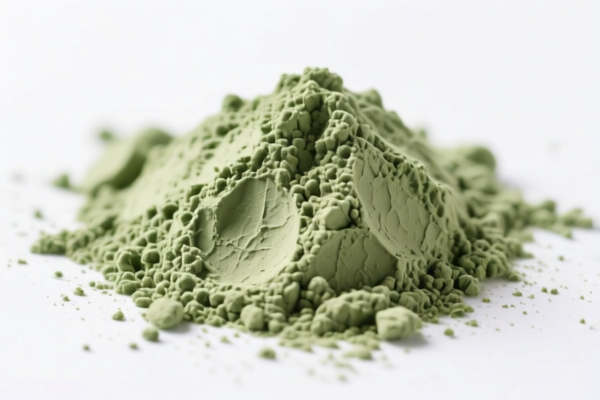
AI Analysis
🌿 Modified Aromatic Insecticide Powder: HS Code Classification & 2026 Customs Clearance Strategy
🌐 Global Trade & Customs Guide | Decoding "Modified Aromatic Insecticide Powder" | Strategic Duty Optimization 📌 I. Product Definition & Core Identity: What is it really?
Modified Aromatic Insecticide Powder refers to a class of pesticide preparations specifically designed to kill or repel insects, characterized by the presence of aromatic or modified aromatic chemical structures (e.g., benzene derivatives, heterocyclic rings containing nitrogen). These are typically formulated as powders (WP, SP, or dusts) for agricultural or domestic use.
In international trade, the classification hinges on two critical factors: 1. Chemical Composition: Does it contain specific heterocyclic compounds (e.g., triazine rings, pyrethroids) or simple aromatic insecticides? 2. Formulation & Packaging: Is it a raw chemical intermediate or a retail-ready preparation?
⚠️ The "Powder" Distinction: - If it is a pure active ingredient (single chemical substance): It falls under Chapter 29 (Chemicals). - If it is a preparation/mixture (active ingredient + inert carriers, packings): It falls under Chapter 38 (Preparations).
📦 II. HS Code Classification Details (Based on Provided Data)
Based on the specific product description "Modified Aromatic Insecticide Powder" and the provided dataset, here are the precise classifications:
| HS Code | Product Description | Key Characteristics | Classification Logic |
|---|---|---|---|
| 2933.99.17.01 | Heterocyclic compounds with nitrogen hetero-atom(s) only: Other... Aromatic... Insecticides | Pure Chemical: A heterocyclic compound with nitrogen (e.g., a specific modified aromatic insecticide active ingredient) in its raw, unformulated state. | Classified under Chapter 29 because it is a distinct chemical compound, not yet mixed with other substances for use. |
| 2933.69.60.21 | Heterocyclic compounds... containing an unfused triazine ring... Other Pesticides | Pure Chemical: Specifically contains a triazine ring structure (e.g., simazine, atrazine derivatives) in a pure form. | Classified under Chapter 29 if it is a single triazine-based active ingredient before mixing. |
| 3808.91.25.01 | Insecticides... put up in forms or packings... Containing any aromatic or modified aromatic insecticide: Other | Preparation/Mixture: A formulated powder containing an aromatic insecticide mixed with inert substances (fillers, carriers), potentially in retail packaging. | Classified under Chapter 38 because it is a preparation (mixture) and likely for retail sale. |
| 3808.91.15.00 | Insecticides... Mixtures of N-[(4-chlorophenyl)amino]-carbonyl-2,6-difluorobenzamide (Fluxamides) and inert substances | Specific Mixture: A specific blend of a named aromatic insecticide (Fluxamides) with inert carriers. | Classified under Chapter 38 as a specific mixture preparation. |
🔍 Critical Logic Check: - Scenario A: You are exporting raw powder of a specific nitrogen-heterocyclic insecticide (e.g., a specific triazine or pyrethroid intermediate). → Use
2933...codes. - Scenario B: You are exporting a ready-to-use insecticide powder (mixed with talc, clay, or other inert carriers) sold to farmers or retailers. → Use3808...codes.
💰 III. Detailed 2026 Tariff & Tax Rate Analysis
✅ Applicable Jurisdiction: Import into China (Based on the provided HS Code structure which follows the Chinese Harmonized System). ✅ Origin: Varies (Rates provided in source data). ✅ Tax Structure: Includes Basic Tariff + Additional (Retaliatory/Surcharge) Tariff.
🎯 1. Pure Chemical Intermediates (Chapter 29)
Applies if the "Powder" is the raw active ingredient without inert carriers.
| HS Code | Product Type | Basic Tariff | Additional Tariff | Total Tax Rate | Notes |
|---|---|---|---|---|---|
2933.99.17.01 |
Nitrogen Heterocyclic Insecticide (Modified Aromatic) | 0.0% | 0.0% | 0.0% | Duty-Free! |
2933.69.60.21 |
Triazine-based Insecticide (Pure) | 0.0% | 0.0% | 0.0% | Duty-Free! |
📌 Explanation: - These raw chemical intermediates enjoy 0% total taxation (Basic + Additional). - Strategic Advantage: Importing raw active ingredients for further formulation is tax-free, significantly reducing cost of goods.
🎯 2. Formulated Preparations (Chapter 38)
Applies if the "Powder" is a mixed product with fillers or for retail sale.
| HS Code | Product Type | Basic Tariff | Additional Tariff | Total Tax Rate | Critical Warning |
|---|---|---|---|---|---|
3808.91.25.01 |
Aromatic Insecticide Powder (General Mixture) | 6.5% | 25.0% | 31.5% | ⚠️ High Duty! The 25% surcharge is likely the "Additional Tariff" (e.g., retaliation or specific trade measure). |
3808.91.15.00 |
Specific Fluxamides Mixture | 0.0% | 25.0% | 25.0% | ⚠️ High Duty! Even with 0% base, the 25% surcharge makes the total 25%. |
📌 Explanation: - Total Tax Calculation: Total Tax = Basic Tariff + Additional Tariff. - Risk Factor: For
3808codes, the 25.0% Additional Tariff is the dominant cost driver. Even if the base is 0%, you pay 25%. If base is 6.5%, you pay 31.5%. - Comparison: Importing raw chemicals (2933) is 0%; importing the finished powder (3808) is 25% - 31.5%.
🎯 3. Non-Insecticide Chemicals (Reference)
Note: Activated carbon is listed in the data but is NOT an insecticide.
| HS Code | Product Type | Basic Tariff | Additional Tariff | Total Tax Rate | Relevance |
|---|---|---|---|---|---|
3802.90.50.00 |
Activated Carbon (Other) | 0.0% | 0.0% | 0.0% | Only if your powder is activated carbon infused with insecticide (unlikely for standard insecticide powder). |
3802.10.00.50 |
Activated Carbon (Specific) | 4.8% | 25.0% | 29.8% | Avoid this code unless the product is primarily activated carbon. |
🛠️ IV. Customs Clearance & Operational Advice (Expert Strategy)
✅ 1. The "Pure vs. Formulated" Decision Tree
The Golden Rule: Your tax rate depends entirely on whether the product is a Chemical or a Preparation.
| Scenario | Action Required | Expected HS Code | Expected Tax |
|---|---|---|---|
| Importing Raw Active Ingredient | Provide Chemical Analysis Report (CAS number); Ensure no inert fillers > 1%. | 2933.99.17.01 or 2933.69.60.21 |
0% 🟢 |
| Importing Finished Retail Powder | Label as "Insecticide Preparation"; Confirm presence of inert carriers. | 3808.91.25.01 |
31.5% 🔴 |
| Specific Fluxamides Blend | Ensure exact chemical match to the specific mixture description. | 3808.91.15.00 |
25.0% 🟠 |
🚨 Red Flag: Do not declare a formulated powder as a raw chemical (
2933) to avoid the 25% tax. Customs will test the substance, find inert carriers, and charge 31.5% + Penalties. 🚨 Red Flag: Do not declare raw chemicals as preparations (3808) unless you have a specific reason. You will unnecessarily pay 25% tax when you could be paying 0%.
✅ 2. Documentation Checklist for Smooth Clearance
To justify the 0% tax rate on 2933 codes or the specific 25% rate on 3808 codes:
| Document | Purpose | Critical Detail |
|---|---|---|
| MSDS (Material Safety Data Sheet) | Proves chemical nature | Must list CAS number and confirm "Active Ingredient" vs "Inert Carrier". |
| Certificate of Analysis (COA) | Purity Verification | Must show >95% active ingredient for 2933 classification. |
| Formula/Composition Sheet | Preparation Proof | If declaring 3808, list all inert ingredients. |
| Chemical Structure Diagram | HS Code Justification | Explicitly draw the "Heterocyclic ring" or "Triazine ring" to match 2933 descriptions. |
| Commercial Invoice | Value Declaration | Must clearly state "Modified Aromatic Insecticide Powder" or specific chemical names. |
✅ 3. Strategic Cost Optimization
- Split Shipments (If Applicable):
- If you are a manufacturer importing raw chemicals to make your own powder in your country: Import under
2933...(0% tax). - Cost Saving: Avoids the 25% Additional Tariff entirely.
- If you are a manufacturer importing raw chemicals to make your own powder in your country: Import under
- Packaging Strategy:
- Retail-ready packaging triggers
3808. Bulk drums of raw powder trigger2933. - Recommendation: Import raw powder in bulk for formulation locally to save 25-31.5% on tariffs.
- Retail-ready packaging triggers
- Specific Mixture Awareness:
- If your product is the specific "Fluxamides" mixture (
3808.91.15.00), you cannot claim the 0% base rate. The 25% surcharge is mandatory regardless of the base rate. Plan your margin accordingly.
- If your product is the specific "Fluxamides" mixture (
🌍 V. Summary of Tax Implications (Data-Driven)
| HS Code Category | Product Nature | Total Tax Rate | Strategic Verdict |
|---|---|---|---|
| 2933.99.17.01 | Raw Nitrogen Heterocyclic | 0.0% | ✅ Ideal: Import raw ingredients. |
| 2933.69.60.21 | Raw Triazine Based | 0.0% | ✅ Ideal: Import raw ingredients. |
| 3808.91.25.01 | Formulated Aromatic Powder | 31.5% | ⚠️ High Cost: Includes 6.5% base + 25% surcharge. |
| 3808.91.15.00 | Fluxamides Mixture | 25.0% | ⚠️ High Cost: Includes 0% base + 25% surcharge. |
| 3802 Series | Activated Carbon | 0.0% - 29.8% | ❌ Irrelevant unless product is carbon-based. |
📌 VI. Conclusion & Final Recommendation
For "Modified Aromatic Insecticide Powder", the choice between 0% and 25-31.5% tax is binary and hinges on formulation:
- If you import the chemical alone: Target HS Code
2933.99.17.01or2933.69.60.21. This is your tax-free lane. - If you import the final product: Target HS Code
3808.91.25.01or3808.91.15.00. Prepare for a 25-31.5% tax burden.
🚀 Pro Tip: If you are an importer, consider importing the raw active ingredient (0% tax) and formulating the powder locally in your destination country, unless the logistics of handling raw hazardous chemicals outweigh the tariff savings. Always consult a customs broker with your specific CAS number and formulation sheet to finalize the HS Code.
✨ Customs Clearance Made Simple: Know your chemistry, choose the right code, and keep your margins high! 💼 Data Source: Based strictly on the provided 2026 HS Code tax dataset.
Customer Reviews
About HS Code Classification
The Harmonized System (HS) is an internationally standardized nomenclature developed by the World Customs Organization (WCO) to classify traded products. Over 200 countries use the HS system as the basis for customs tariffs, trade statistics, and import/export regulations.
Each HS code follows a hierarchical structure:
- Chapter (2 digits) — Broad category of goods (e.g., Chapter 84: Machinery and Mechanical Appliances)
- Heading (4 digits) — More specific grouping within the chapter
- Subheading (6 digits) — Internationally standardized breakdown, used by all WCO member countries
- National subdivisions (8-10 digits) — Country-specific extensions for further classification, such as US HTSUS 10-digit codes
Correct HS code classification is essential for smooth customs clearance, accurate duty payment, and compliance with trade regulations. Misclassification can lead to customs delays, overpayment of duties, or penalties.
When importing from CN to US, the applicable tariff rates may include:
- Most-Favored-Nation (MFN) rate — The standard duty rate applied to WTO members
- General rate — Applied to countries without trade agreements
- Trade remedy duties — Additional tariffs such as Section 301 (anti-dumping), Section 232 (national security), or countervailing duties
The information provided on this page is for reference purposes only. For official classification, please consult with your local customs authority or a licensed customs broker.