Modified Fluororubber Elastomer
CN → US| HS Code | Tariff Rate | Origin | Destination | Doc |
|---|---|---|---|---|
| 3901909000 | 41.5% | CN | US | Official Doc |
| 3901901000 | 35.0% | CN | US | Official Doc |
| 4002910000 | 35.0% | CN | US | Official Doc |
| 4002990000 | 35.0% | CN | US | Official Doc |
| 4005990000 | 35.0% | CN | US | Official Doc |
Product Images
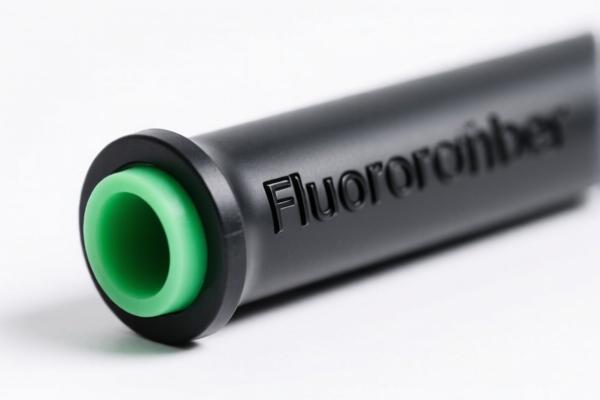


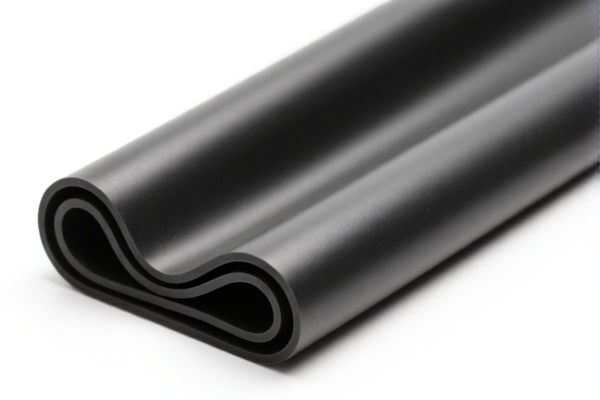
AI Analysis
🧪 Modified Fluororubber Elastomer (Flame-Retardant)
🌐 HS Code Reference & Customs Clearance Guide | 2026 Latest Tariff Analysis | Professional Clearance Strategy
📌 I. Product Definition & Classification: Understanding "Fluororubber"
Modified Fluororubber Elastomer (specifically Flame-Retardant) is a high-performance synthetic rubber material known for its exceptional resistance to heat, chemicals, and oxidation. In international trade, its classification depends heavily on its physical state (pre-vulcanized vs. primary form) and specific composition.
⚠️ Key Distinction:
- If it is in primary form (powder, granules, or blocks not yet vulcanized) → Often falls under Chapter 39 (Plastics) or Chapter 40 (Rubber) depending on specific polymer classification. - If it is pre-vulcanized or compounded for direct use → Falls under Chapter 40 (Rubber). - Flame-retardant additives do not change the fundamental chemical nature but may trigger specific scrutiny or duty implications depending on the origin (especially US-China trade rules).
📦 II. HS Code Classification Details (2026 Latest Tariff Authority Match)
Based on the provided data for Flame-Retardant Fluororubber Elastomer, here are the applicable HS Codes and their logical justifications:
| HS Code | Product Description & Justification | Tax Rate (Total) |
|---|---|---|
| 3901.90.90.00 | Plastics: Other primary forms of polymers of ethylene. 👉 Justification: Classified as "Other" under polymers. Fits the definition of fluororubber as a polymer material in primary form. |
41.5% |
| 3901.90.10.00 | Plastics: Other primary forms of polymers of ethylene. 👉 Justification: Classified as "Other Elastomers." Fits the definition of fluororubber material in elastomeric form. |
35.0% |
| 4002.91.00.00 | Rubber: Synthetic rubber (including modified rubber) and gum natural rubber... in primary forms. 👉 Justification: Classified as Synthetic Rubber. Fits the material (fluororubber) and primary form characteristics. |
35.0% |
| 4002.99.00.00 | Rubber: Other synthetic rubber and gum natural rubber... in primary forms. 👉 Justification: Classified as Other Synthetic Rubber. Fits the material (fluororubber) and elastomeric primary form. |
35.0% |
| 4005.99.00.00 | Rubber: Other unvulcanized compounded rubber. 👉 Justification: Classified as Unvulcanized Compounded Rubber (Chloroelastomer modified rubber). Fits the "Other" catch-all rule for rubber materials. |
35.0% |
🔍 Critical Note:
- Chapter 39 vs. Chapter 40: The biggest dispute often lies between 3901 (Plastics/Polymers) and 4002 (Rubber). Fluororubber is technically a synthetic rubber, so Chapter 40 is generally more accurate for elastomeric forms. However, if classified as a "polymer" in primary form without specific rubber designation, Chapter 39 might be applied, leading to higher duties (41.5%). - Flame Retardant Status: The "flame-retardant" attribute does not create a new HS Code but confirms it as a modified/compounded product, which may fall under 4005 (compounded rubber) or remain in 4002 if still in primary form.
💰 III. 2026 Latest Tariff Rate Breakdown (Including Surcharges)
✅ Applicable Country: United States (US)
✅ Origin: China (CN)
✅ Effective Date: November 10, 2025 (and onwards)
🎯 1. 3901.90.90.00 —— Plastics: Other Primary Forms (Highest Duty)
| Item | Content |
|---|---|
| Base Tariff | 6.5% (ad valorem) |
| Section 301 Surcharge | +25.0% (USITC Footnote associated with 3901) |
| IEEPA Surcharge | +10.0% (For China/HK products, effective Nov 10, 2025) |
| Total Rate | 41.5% |
| Calculation | CIF Value × 41.5% |
| De Minimis Exemption | ❌ Not Eligible (deny_de_minimis) |
| Legal Path | IEEPA:9903.01.25 → USITC:3901.90.90.00 → FOOTNOTE:9901.25 |
📌 Explanation:
- This classification attracts the highest total duty among the options. - The 25% Section 301 tariff applies to most plastic/polymer imports from China. - The additional 10% IEEPA tariff further increases the cost. - Risk: High. Misclassifying a rubber product as a "plastic polymer" here can lead to severe overpayment.
🎯 2. 3901.90.10.00 —— Plastics: Other Elastomers
| Item | Content |
|---|---|
| Base Tariff | 0.0% |
| Section 301 Surcharge | +25.0% |
| IEEPA Surcharge | +10.0% |
| Total Rate | 35.0% |
| Calculation | CIF Value × 35.0% |
| De Minimis Exemption | ❌ Not Eligible |
| Legal Path | IEEPA:9901.25 → IEEPA:9903.01.24 → USITC:3901.90.10.00 |
📌 Note:
- Although base tariff is 0%, the surcharges bring the total to 35%. - This code is less common for fluororubber unless specifically defined as an "elastomer" under the plastics chapter, which is legally contentious.
🎯 3. 4002.91.00.00 & 4002.99.00.00 —— Synthetic Rubber (Recommended Category)
| Item | Content |
|---|---|
| Base Tariff | 0.0% |
| Section 301 Surcharge | +25.0% |
| IEEPA Surcharge | +10.0% |
| Total Rate | 35.0% |
| Calculation | CIF Value × 35.0% |
| De Minimis Exemption | ❌ Not Eligible |
| Legal Path | IEEPA:9901.25 → USITC:4002.91/99.00.00 |
📌 Explanation:
- 4002.91.00.00 ("Synthetic rubber... including modified rubber") is likely the most technically accurate for fluororubber, as FKM is a well-known synthetic rubber. - 4002.99.00.00 ("Other synthetic rubber") is used if the specific type doesn't fit 4002.91. - Both have the same 35% total rate. This is 6.5% cheaper than the 3901.90.90.00 classification.
🎯 4. 4005.99.00.00 —— Unvulcanized Compounded Rubber
| Item | Content |
|---|---|
| Base Tariff | 0.0% |
| Section 301 Surcharge | +25.0% |
| IEEPA Surcharge | +10.0% |
| Total Rate | 35.0% |
| Calculation | CIF Value × 35.0% |
| De Minimis Exemption | ❌ Not Eligible |
| Legal Path | IEEPA:9901.25 → USITC:4005.99.00.00 |
📌 Explanation:
- If the fluororubber is compounded (mixed with flame retardants, fillers, etc.) and not in a pure primary form, it may fall under 4005 (Compounded Rubber). - The term "Chloroelastomer modified rubber" in the data suggests a broad interpretation of rubber modification. - Rate is consistent at 35%.
🛠️ IV. Customs Clearance Practical Advice (Battle-Tested Pitfall Guide)
✅ 1. Documentation Checklist (Non-Negotiable)
| Document | Required | Description |
|---|---|---|
| ✅ Product Specification Sheet | ✔️ | Must state: Material (FKM/Fluororubber), State (Powder/Granule/Sheet), Flame-Retardant properties (UL94 rating), and Unvulcanized status. |
| ✅ Technical Data Sheet (TDS) | ✔️ | Highlights chemical resistance and heat resistance. Proves it is a synthetic rubber, not a generic plastic. |
| ✅ Commercial Invoice | ✔️ | Clearly describe as: "Flame-Retardant Fluororubber (FKM) Elastomer, Unvulcanized, Synthetic Rubber" |
| ✅ Certificate of Origin | ✔️ | Mandatory for Section 301 tariff application. |
| ✅ Material Safety Data Sheet (MSDS) | ✔️ | For shipping compliance, especially with flame-retardant additives. |
✅ 2. Declaration Strategy (Key Mantra)
🔥 “Define as Rubber, Not Plastic; Specify State, Avoid Surprises!”
| Scenario | Correct Declaration | Wrong Declaration |
|---|---|---|
| Pure Fluororubber Granules | 4002.91.00.00 (Synthetic Rubber) | "Plastic Polymer" → 41.5% |
| Compounded Flame-Retardant Rubber | 4005.99.00.00 (Compounded Rubber) | "Raw Material" → Ambiguous, risk of audit |
| Pre-vulcanized Seals/Gaskets | 4016.93.00.00 (Other Rubber Articles) | NOT in the provided dataset, but different category |
📌 Critical Tip:
- Do not describe the product simply as "Fluoropolymer" or "Teflon-like plastic." Use "Synthetic Rubber (FKM)" to steer classification toward Chapter 40. - Clearly state "Unvulcanized" to fit HS Codes 4002/4005. If vulcanized, the HS Code changes entirely (e.g., to 4016).
✅ 3. Special Handling for Flame-Retardant Additives
| Issue | Handling Advice |
|---|---|
| Chemical Identification | Provide exact chemical composition. Some flame retardants (e.g., halogenated) may face additional environmental scrutiny (e.g., EPA regulations), though this doesn't change HS Code. |
| Trade War Impact | Ensure the IEEPA 10% surcharge is accounted for in pricing. It is non-negotiable for Chinese-origin goods post-Nov 2025. |
| Pre-Ruling Application | Highly Recommended: Apply for an Advance Ruling from CBP with samples and TDS to lock in 4002.91.00.00 and avoid the higher 3901 rates. |
🌍 V. Global Market Comparison (2026 Update)
| Country/Region | Recommended HS Code | Base Duty | Surcharges (China) | Total Est. Rate | Notes |
|---|---|---|---|---|---|
| 🇺🇸 USA | 4002.91.00.00 |
0.0% | +25% (Sec 301) +10% (IEEPA) | 35.0% | High compliance requirement. |
| 🇨🇳 China (Import) | 4002.91.00.00 |
~1-5% | None | ~5% | Low duty if imported into China. |
| 🇪🇺 EU | 4002.91.00 |
0.0% | None | 0.0% | No Section 301 equivalent. |
| 🇬🇧 UK | 4002.91.00 |
0.0% | None | 0.0% | Post-Brexit alignment with EU. |
📌 Conclusion:
- The US is the most expensive market for this product due to dual surcharges. - Chapter 40 (Rubber) is the optimal classification to avoid the 41.5% rate.
📌 VI. Common Errors & Pitfalls (Lessons Learned)
❌ Error 1: Classifying Fluororubber as "Plastic" (HS 3901)
👉 Consequence: Pays 41.5% instead of 35.0%. Overpayment of 6.5% on every shipment.
❌ Error 2: Failing to specify "Unvulcanized"
👉 Consequence: Customs may assume it is a finished rubber article (HS 4016), leading to valuation disputes or misclassification.
❌ Error 3: Ignoring the IEEPA 10% Surcharge
👉 Consequence: Underpayment of duty. CBP will assess additional duties + penalties upon audit.
❌ Error 4: Vague Description "Fluororubber Material"
👉 Consequence: Customs examination delay. Need for sample submission and additional documentation.
✅ Correct Practice:
"Unvulcanized Flame-Retardant Fluororubber (FKM) Elastomer, Granular Form, Synthetic Rubber, HS 4002.91.00.00"
🎯 VII. Conclusion: Precision in Classification Saves Money
🎯 Remember the Mantra:
🔹 "Rubber over Plastic, Unvulcanized is Key."
🔹 "35% vs 41.5%: A 6.5% Difference Adds Up Fast!"
🔹 "IEEPA + Sec 301 = 35% Total for Rubber; Don't Pay 41.5%!"
📌 Pro Tip:
If your fluororubber is pre-vulcanized or molded (e.g., O-rings, seals), it does NOT fall under the HS Codes listed above. It would likely fall under 4016.93.00.00 (Other rubber articles), which has different duty rates. Ensure you declare the state of processing accurately.
📣 Immediate Action:
📞 Consult a Customs Broker: Verify if your specific flame-retardant formulation is considered "modified rubber" under 4002.91.
🚀 Apply for Advance Ruling: Secure the 35% rate and avoid post-import audits.
💼 Your Profit Margin Depends on Accurate Classification!
✨ Professional Clearance Starts with Precise Classification!
💼 Every Percentage Point of Duty is Profit Lost!
Customer Reviews
About HS Code Classification
The Harmonized System (HS) is an internationally standardized nomenclature developed by the World Customs Organization (WCO) to classify traded products. Over 200 countries use the HS system as the basis for customs tariffs, trade statistics, and import/export regulations.
Each HS code follows a hierarchical structure:
- Chapter (2 digits) — Broad category of goods (e.g., Chapter 84: Machinery and Mechanical Appliances)
- Heading (4 digits) — More specific grouping within the chapter
- Subheading (6 digits) — Internationally standardized breakdown, used by all WCO member countries
- National subdivisions (8-10 digits) — Country-specific extensions for further classification, such as US HTSUS 10-digit codes
Correct HS code classification is essential for smooth customs clearance, accurate duty payment, and compliance with trade regulations. Misclassification can lead to customs delays, overpayment of duties, or penalties.
When importing from CN to US, the applicable tariff rates may include:
- Most-Favored-Nation (MFN) rate — The standard duty rate applied to WTO members
- General rate — Applied to countries without trade agreements
- Trade remedy duties — Additional tariffs such as Section 301 (anti-dumping), Section 232 (national security), or countervailing duties
The information provided on this page is for reference purposes only. For official classification, please consult with your local customs authority or a licensed customs broker.