Modified ethylene vinyl acetate copolymer resin
CN → US| HS Code | Tariff Rate | Origin | Destination | Doc |
|---|---|---|---|---|
| 3901302000 | 35.0% | CN | US | Official Doc |
| 3905915000 | 40.3% | CN | US | Official Doc |
| 3905290000 | 39.0% | CN | US | Official Doc |
| 3901306000 | 40.3% | CN | US | Official Doc |
| 3903901000 | 41.5% | CN | US | Official Doc |
Product Images

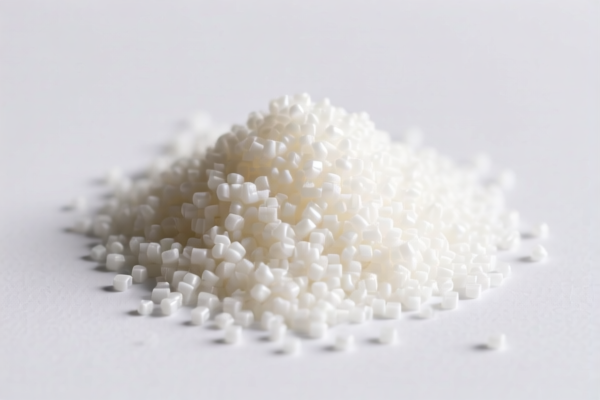
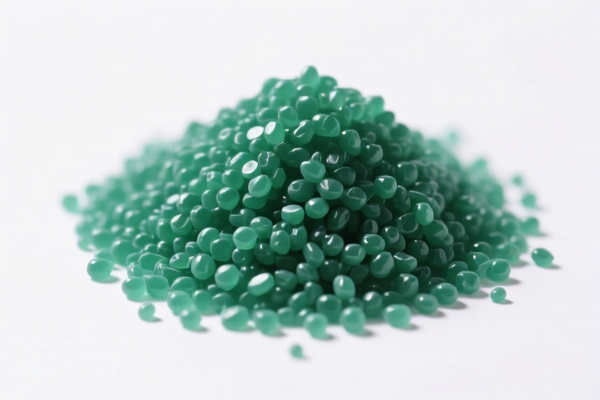

AI Analysis
🧪 Modified Ethylene Vinyl Acetate (EVA) Copolymer Resin, Primary Forms
🌐 HS Code Reference & Clearance Guide | 2026 Latest Tariff Analysis | Professional Clearance Strategy
📌 I. Product Definition & Classification: Do You Truly Understand "Modified EVA" Resin?
Ethylene Vinyl Acetate (EVA) copolymer resin is a versatile thermoplastic widely used in footwear soles, solar cell encapsulation, adhesives, and packaging. In international trade, classification depends strictly on the vinyl acetate (VA) content and whether it is a homopolymer or copolymer, as well as its primary (raw) form.
Key Distinctions: * Ethylene-Homopolymer (HDPE/LDPE/LLDPE): Contains negligible VA. Falls under 3901. * Ethylene-Copolymer (EVA) Contains Vinyl Acetate. Falls under 3905 if VA > 20%, or sometimes 3901 if VA is low but classified as a specific copolymer variant depending on national subheadings. * "Modified": In customs terminology, "modified" often refers to physical blending or compounding. However, if the resin is in primary form (powders, pellets, liquids), it is classified based on its chemical composition.
⚠️ Critical Classification Point:
- If the resin is a copolymer (ethylene + vinyl acetate) and the VA content determines the specific subheading, it may fall under 3905.
- If classified under 3901, it typically refers to homopolymers or specific copolymer definitions where the primary characteristic is ethylene.
- Always verify the exact Vinyl Acetate content and the specific technical definition used in the importing country’s tariff schedule.
📦 II. HS Code Classification Details (2026 Latest Tariff Authority Comparison)
The following HS Codes and tax details are derived strictly from the provided data <DATA>. Note that these apply to import into the United States from China, considering additional tariffs.
| HS Code | Product Description | Summary | Total Tax Rate | Tax Breakdown |
|---|---|---|---|---|
3901.30.20.00 |
Ethylene vinyl acetate copolymer resin, primary form | Basic Tariff: 0.0% Section 301: 25.0% Section 122: 10% |
35.0% | Low base tariff, high additional duties |
3905.91.50.00 |
Ethylene vinyl acetate copolymer resin, ethylene ester polymers (copolymers) | Basic Tariff: 5.3% Section 301: 25.0% Section 122: 10% |
40.3% | Higher base tariff due to copolymer classification |
3905.29.00.00 |
Ethylene vinyl acetate copolymer resin, original form (primary form) | Basic Tariff: 4.0% Section 301: 25.0% Section 122: 10% |
39.0% | Intermediate base tariff |
3901.30.60.00 |
Ethylene vinyl acetate copolymer resin, primary form (raw material) | Basic Tariff: 5.3% Section 301: 25.0% Section 122: 10% |
40.3% | Same as 3905.91.50.00 but under 3901 chapter |
3903.90.10.00 |
Modified polystyrene resin, styrene polymer, primary shape | Basic Tariff: 6.5% Section 301: 25.0% Section 122: 10% |
41.5% | Note: This is Polystyrene, not EVA. Included for completeness if misclassification occurs |
🔍 Key Insight:
- The term "Modified" in the user input might lead to confusion with 3903 (Polystyrene), but true EVA resins fall under 3901 or 3905.
- 3905 codes generally apply to copolymer ethylene-vinyl acetate resins.
- 3901 codes may apply if the resin is considered a homopolymer variant or if specific national subheadings dictate otherwise.
- Section 122 Tariff (10%) and Section 301 (25%) are consistently applied, making the base tariff difference critical.
💰 III. 2026 Latest Tariff Rate Details (Including Surtaxes & Policy Add-ons)
✅ Applicable Country: United States (US)
✅ Origin: China (CN)
✅ Effective Time: Current tariffs apply as per 2026 status
🎯 1. 3901.30.20.00 – EVA Copolymer Resin, Primary Form
| Item | Content |
|---|---|
| Base Rate | 0.0% (ad valorem) |
| USITC Surtax (Section 301) | +25.0% |
| IEEPA/Section 122 Surtax | +10.0% |
| Total Tax Rate | 35.0% |
| Tax Calculation | CIF Value × 35.0% |
| De Minimis Exemption | ❌ Not Eligible (High value threshold typically applies; Section 301/122 tariffs negate de minimis for many categories) |
| Legal Basis Path | USITC:3901.30.20.00 → FOOTNOTE:9903.88.01 (301) → IEEPA:9903.01.25 (122) |
📌 Explanation:
- Despite being an EVA copolymer, this code has a 0% base tariff, making it 35% total.
- This is the lowest total tariff among the EVA-specific codes in the provided data.
🎯 2. 3905.91.50.00 – EVA Copolymer Resin, Ethylene Ester Polymers
| Item | Content |
|---|---|
| Base Rate | 5.3% |
| USITC Surtax (Section 301) | +25.0% |
| IEEPA/Section 122 Surtax | +10.0% |
| Total Tax Rate | 40.3% |
| Tax Calculation | CIF Value × 40.3% |
| De Minimis Exemption | ❌ Not Eligible |
| Legal Basis Path | USITC:3905.91.50.00 → FOOTNOTE:9903.88.01 → IEEPA:9903.01.25 |
📌 Explanation:
- Classified under Chapter 3905 (Other Polymers), this code has a 5.3% base tariff.
- Total cost is 5.3% higher than code3901.30.20.00.
🎯 3. 3905.29.00.00 – EVA Copolymer Resin, Original Form
| Item | Content |
|---|---|
| Base Rate | 4.0% |
| USITC Surtax (Section 301) | +25.0% |
| IEEPA/Section 122 Surtax | +10.0% |
| Total Tax Rate | 39.0% |
| Tax Calculation | CIF Value × 39.0% |
| De Minimis Exemption | ❌ Not Eligible |
| Legal Basis Path | USITC:3905.29.00.00 → FOOTNOTE:9903.88.01 → IEEPA:9903.01.25 |
📌 Explanation:
- A middle-ground option with a 4.0% base tariff.
- Total tax is 39.0%, 1.0% higher than3901.30.20.00.
🎯 4. 3901.30.60.00 – EVA Copolymer Resin, Primary Form (Raw Material)
| Item | Content |
|---|---|
| Base Rate | 5.3% |
| USITC Surtax (Section 301) | +25.0% |
| IEEPA/Section 122 Surtax | +10.0% |
| Total Tax Rate | 40.3% |
| Tax Calculation | CIF Value × 40.3% |
| De Minimis Exemption | ❌ Not Eligible |
| Legal Basis Path | USITC:3901.30.60.00 → FOOTNOTE:9903.88.01 → IEEPA:9903.01.25 |
📌 Explanation:
- Despite being under Chapter 3901, this specific subheading has a 5.3% base tariff.
- Identical total tax to3905.91.50.00.
⚠️ Note on 3903.90.10.00 – Modified Polystyrene Resin
| Item | Content |
|---|---|
| Base Rate | 6.5% |
| USITC Surtax (Section 301) | +25.0% |
| IEEPA/Section 122 Surtax | +10.0% |
| Total Tax Rate | 41.5% |
| Tax Calculation | CIF Value × 41.5% |
| De Minimis Exemption | ❌ Not Eligible |
📌 Critical Warning:
- This HS Code is for Polystyrene (PS), NOT EVA.
- Misclassifying EVA as Polystyrene is a severe customs violation.
- However, if the product is a blended/modified resin where polystyrene is the primary component, this code may apply. But for pure EVA Copolymer Resin, this code is incorrect.
🛠️ IV. Practical Clearance Advice (Real-World Pitfall Avoidance Guide)
✅ 1. Required Documentation Checklist (Non-negotiable)
| Document | Required | Explanation |
|---|---|---|
| ✅ Product Specification Sheet | ✔️ | Must specify Ethylene vs. Vinyl Acetate percentage, VA content (crucial for 3901 vs 3905 classification) |
| ✅ COA (Certificate of Analysis) | ✔️ | Verifies chemical composition and primary form (pellets/powder) |
| ✅ Product Photos (Label/Container) | ✔️ | Clear view of material type, lot number, and "Primary Form" indication |
| ✅ Commercial Invoice | ✔️ | Must state "Ethylene Vinyl Acetate Copolymer Resin, Primary Form" |
| ✅ Packing List | ✔️ | Detail net/gross weight, number of packages |
| ✅ Origin Certificate (if applicable) | ✔️ | Not helpful for China origin due to tariffs, but required for formality |
✅ 2. Declaration Tips (Key Mantra)
🔥 “VA Content Dictates Code, 3901 vs 3905 Matters, Section 301/122 Always Hit!”
| Situation | Correct Declaration | Wrong Practice |
|---|---|---|
| EVA with high VA (>20%) | 3905.29.00.00 or 3905.91.50.00 |
Misdeclare as 3901 → Risk of audit |
| EVA with low VA or specific homopolymer-like | 3901.30.20.00 |
Misdeclare as 3905 → Higher tax (40.3% vs 35%) |
| Blended/Modified Resin (PS dominant) | 3903.90.10.00 |
Declare as EVA → Customs Violation |
| Raw Pellets/Powder | Use "Primary Form" in description | Declare as "Finished Good" → Wrong chapter |
✅ 3. Special Case Handling
| Situation | Handling Advice |
|---|---|
| VA Content Boundary (e.g., 19.9% vs 20.1%) | Critical: Slight change in VA% can shift code from 3901 to 3905. Get precise COA. |
| Pre-compounded EVA (with additives) | If additives > raw material weight, it may not be "primary form." Consult customs broker. |
| Solar Cell Encapsulation EVA | Often high VA content. Ensure correct code to avoid 0.3%–1.5% tax difference per kg. |
| Footwear Sole Material EVA | Often low VA. Check if 3901.30.20.00 is more appropriate. |
🌍 V. Global Market Clearance Comparison (2026 Latest)
| Country/Region | Recommended HS Code | Tariff (China Origin) | Certification Requirements | Remarks |
|---|---|---|---|---|
| 🇺🇸 United States | 3901.30.20.00 (Preferred) |
35.0% (Total) | None specific for resin | Section 301 + 122 apply |
| 🇨🇳 China | 3901.30.20.00 |
~5% (Import) | N/A | Low base tariff |
| 🇪🇺 EU | 3901.30 / 3905.29 |
~0%–6.5% | REACH Registration | No Section 301/122 |
| 🇦🇺 Australia | 3901.30 |
~5% | None | Free trade agreement possible |
| 🇯🇵 Japan | 3901.30 |
~0%–5% | None | Low base tariff |
📌 Conclusion:
- USA has the highest effective tariff for Chinese-origin EVA resins due to Section 301 (25%) and Section 122 (10%).
- Selecting3901.30.20.00saves 1.0%–5.3% compared to other codes.
- EU/Japan/Australia offer significant cost savings due to lack of punitive tariffs.
📌 VI. Common Errors & Pitfall Guide (Lessons from Experience)
❌ Error 1: Ignoring Vinyl Acetate (VA)
👉 Consequence: Misclassification between 3901 and 3905 → Back taxes + penalties (1.0%–5.3% difference).
❌ Error 2: Declaring "Modified Resin" as Polystyrene (3903)
👉 Consequence: Customs violation if product is EVA. EVA and PS have different properties and uses.
❌ Error 3: Assuming "Primary Form" includes Compounded/Colored Pellets
👉 Consequence: If additives are significant, it may not be "primary form" → Different classification.
❌ Error 4: Not factoring in Section 122 Tariff
👉 Consequence: Budgeting only for Section 301 (25%) → Underestimating total cost by 10%.
✅ Correct Practice:
"Ethylene Vinyl Acetate Copolymer Resin, Primary Form, VA Content XX%, Pellets, Model XYZ, COA Available"
🎯 VII. Conclusion: Precision Classification, Cost Optimization!
🎯 Remember the Mantra:
🔹 “VA Content is King: 3901 Saves 1-5%”
🔹 “Section 301 + 122 = 35-41.5%, Budget Accordingly”
🔹 “Don’t Confuse EVA with PS, Avoid 3903 Trap”
📌 Pro Tip:
If your EVA resin is sourced from Vietnam, India, or Thailand, you may avoid Section 301/122 tariffs, reducing total tax to 0%–5.3%.
Recommendation:
1. Verify VA Content precisely with supplier.
2. Apply for Advance Ruling if classification is ambiguous.
3. Consider Supply Chain Diversification if US market is primary.
📣 Immediate Action:
📞 Contact Customs Broker + Provide COA + Confirm VA %
🚀 Optimize HS Code Selection, Minimize Tax Burden, Ensure Smooth Clearance!
✨ Professional Clearance Starts with Accurate Classification!
💼 Every Percentage Point Saved is Profit Earned!
Customer Reviews
About HS Code Classification
The Harmonized System (HS) is an internationally standardized nomenclature developed by the World Customs Organization (WCO) to classify traded products. Over 200 countries use the HS system as the basis for customs tariffs, trade statistics, and import/export regulations.
Each HS code follows a hierarchical structure:
- Chapter (2 digits) — Broad category of goods (e.g., Chapter 84: Machinery and Mechanical Appliances)
- Heading (4 digits) — More specific grouping within the chapter
- Subheading (6 digits) — Internationally standardized breakdown, used by all WCO member countries
- National subdivisions (8-10 digits) — Country-specific extensions for further classification, such as US HTSUS 10-digit codes
Correct HS code classification is essential for smooth customs clearance, accurate duty payment, and compliance with trade regulations. Misclassification can lead to customs delays, overpayment of duties, or penalties.
When importing from CN to US, the applicable tariff rates may include:
- Most-Favored-Nation (MFN) rate — The standard duty rate applied to WTO members
- General rate — Applied to countries without trade agreements
- Trade remedy duties — Additional tariffs such as Section 301 (anti-dumping), Section 232 (national security), or countervailing duties
The information provided on this page is for reference purposes only. For official classification, please consult with your local customs authority or a licensed customs broker.