Molybdenum based Esterification Catalyst
CN → US| HS Code | Tariff Rate | Origin | Destination | Doc |
|---|---|---|---|---|
| 3824993400 | 37.8% | CN | US | Official Doc |
| 3815902000 | 37.8% | CN | US | Official Doc |
| 3815190000 | 35.0% | CN | US | Official Doc |
| 2825700000 | 13.2% | CN | US | Official Doc |
| 2825909000 | 38.7% | CN | US | Official Doc |
| 3824992900 | 41.5% | CN | US | Official Doc |
Product Images
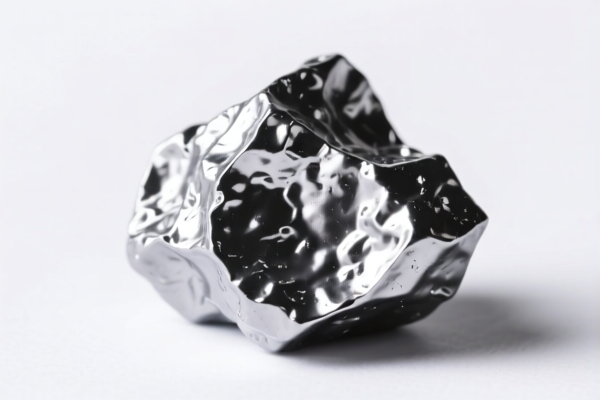
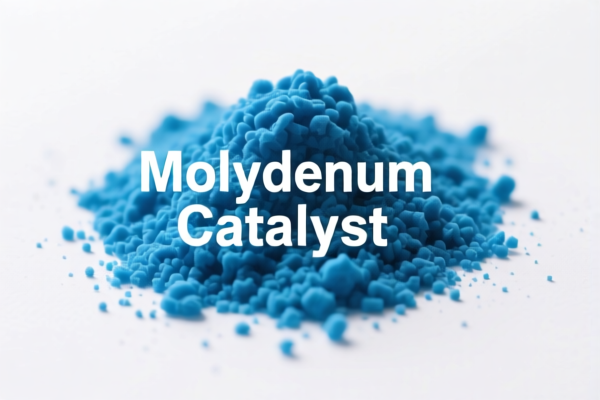
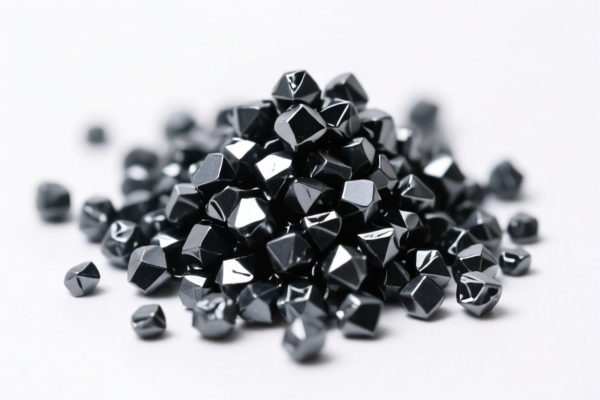

AI Analysis
🧪 Molybdenum Based Esterification Catalyst
🌐 HS Code Reference & Customs Clearance Guide | 2026 Latest Tariff Analysis | Professional Entry Strategy
📌 I. Product Definition & Classification: Understanding "Molybdenum-Based Catalysts"
Molybdenum-based esterification catalysts are specialized chemical preparations used in industrial synthesis to accelerate esterification reactions (typically converting carboxylic acids and alcohols into esters). In international trade, these products fall under Chapter 38 (Miscellaneous Chemical Products) or Chapter 28 (Inorganic Chemicals), depending on their physical state, composition, and primary function.
Key Distinction Logic:
- If it is a "Preparation": A formulated mixture specifically designed for catalytic use → HS 3815 / 3824.
- If it is a "Raw Material": Pure oxides or hydroxides used as components rather than a final catalyst formulation → HS 2825.
⚠️ Critical Classification Point:
- Formulated Catalysts: If the product is a mixture prepared for direct use in esterification, it belongs to HS 3815 (Catalysts) or HS 3824 (Prepared binders/chemical preparations).
- Raw Chemicals: If the product is primarily Molybdenum Oxide or Hydroxide sold as a basic inorganic chemical, it falls under HS 2825.
📦 II. HS Code Classification Details (2026 Latest Tariff Authority Comparison)
| HS Code | Product Description | Application Scenario | Tax Rate (US/CN Origin) |
|---|---|---|---|
3824.99.34.00 |
Molybdenum-based catalysts, classified under molybdenum materials & chemical industry preparations | Specialized Mo-catalysts for chemical synthesis | 37.8% |
3815.90.20.00 |
Catalysts made of molybdenum, meeting material & usage definitions | Mo-based catalytic agents defined by material/usage | 37.8% |
3815.19.00.00 |
Catalyst preparations, usage matches & no material conflict | General catalyst preparations without specific material conflict | 35.0% |
2825.70.00.00 |
Oxides or hydroxides of molybdenum, component for catalysts | Raw Mo-oxides/hydroxides used as catalyst ingredients | 13.2% |
2825.90.90.00 |
Other inorganic metal oxides, Mo-based catalysts as catch-all category | Catch-all for other inorganic metal oxides | 38.7% |
🔍 Key Insight:
- Prepared Catalysts (3815/3824) are taxed higher (35.0%–37.8%) due to the "prepared" nature and additional tariffs.
- Raw Materials (2825) are taxed lower (13.2%–38.7%) but require proof that they are not pre-formulated catalysts.
- HS 3815.19.00.00 offers the lowest tax among catalyst preparations at 35.0%.
💰 III. 2026 Latest Tariff Rate Breakdown (Including Surtaxes & Policy Surcharges)
✅ Applicable Country: United States (US)
✅ Origin: China (CN)
✅ Effective Date: November 10, 2025 (for imports thereafter)
🎯 1. 3824.99.34.00 & 3815.90.20.00 — Molybdenum-Based Catalyst Preparations
| Item | Details |
|---|---|
| Base Tariff | 2.8% |
| USITC Section 301 Surcharge | +25.0% |
| IEEPA Section 122 Surcharge | +10.0% |
| Total Tariff Rate | 37.8% |
| Tax Calculation | CIF Value × 37.8% |
| De Minimis Exemption | ❌ Not Eligible (deny_de_minimis) |
| Legal Authority Path | USITC:3824.99.34.00 / 3815.90.20.00 → SECTION 301: 25% → IEEPA: 10% |
📌 Explanation:
- The 25% Section 301 tariff applies to most chemical preparations from China.
- The 10% IEEPA tariff applies to specific Chinese goods under emergency economic powers.
- Total 37.8% is a significant cost driver. Proper classification is critical to avoid overpayment.
🎯 2. 3815.19.00.00 — General Catalyst Preparations
| Item | Details |
|---|---|
| Base Tariff | 0.0% |
| USITC Section 301 Surcharge | +25.0% |
| IEEPA Section 122 Surcharge | +10.0% |
| Total Tariff Rate | 35.0% |
| Tax Calculation | CIF Value × 35.0% |
| De Minimis Exemption | ❌ Not Eligible (deny_de_minimis) |
| Legal Authority Path | USITC:3815.19.00.00 → SECTION 301: 25% → IEEPA: 10% |
📌 Note:
- This is the most favorable rate for prepared catalysts at 35.0%.
- Applicable if the product is a general catalyst preparation not specifically defined under other subheadings.
🎯 3. 2825.70.00.00 — Molybdenum Oxides/Hydroxides
| Item | Details |
|---|---|
| Base Tariff | 3.2% |
| USITC Section 301 Surcharge | 0.0% |
| IEEPA Section 122 Surcharge | +10.0% |
| Total Tariff Rate | 13.2% |
| Tax Calculation | CIF Value × 13.2% |
| De Minimis Exemption | ❌ Not Eligible (deny_de_minimis) |
| Legal Authority Path | USITC:2825.70.00.00 → IEEPA: 10% |
📌 Critical Warning:
- Only 10% IEEPA surcharge applies (no 301 tariff).
- BUT: You must prove the product is NOT a prepared catalyst. If it is formulated for direct use, Customs will reclassify it to 3815/3824, resulting in a 25% penalty + back taxes.
🎯 4. 2825.90.90.00 — Other Inorganic Metal Oxides (Catch-All)
| Item | Details |
|---|---|
| Base Tariff | 3.7% |
| USITC Section 301 Surcharge | +25.0% |
| IEEPA Section 122 Surcharge | +10.0% |
| Total Tariff Rate | 38.7% |
| Tax Calculation | CIF Value × 38.7% |
| De Minimis Exemption | ❌ Not Eligible (deny_de_minimis) |
| Legal Authority Path | USITC:2825.90.90.00 → SECTION 301: 25% → IEEPA: 10% |
📌 Note:
- This is the highest tax rate among the options.
- Only use if the product is an inorganic oxide that doesn’t fit other 2825 subheadings AND is not a prepared catalyst.
🛠️ IV. Customs Clearance Practical Advice (Avoid Pitfalls)
✅ 1. Document Checklist (Mandatory)
| Document | Required | Notes |
|---|---|---|
| ✅ Product Specification Sheet | ✔️ | Must detail Mo content, chemical form (oxide/hydroxide/prep), and intended use. |
| ✅ Safety Data Sheet (SDS) | ✔️ | Confirms chemical nature and hazard classification. |
| ✅ Certificate of Analysis (CoA) | ✔️ | Proves purity and composition. |
| ✅ Formula/Composition List | ✔️ | Crucial to distinguish between "raw oxide" (HS 2825) and "prepared catalyst" (HS 3815/3824). |
| ✅ Commercial Invoice | ✔️ | Clearly state "Molybdenum-based Catalyst for Esterification" or "Molybdenum Oxide". |
| ✅ Country of Origin Certificate | ✔️ | Required for US import compliance. |
✅ 2. Declaration Tips (Key Rules)
🔥 “Formula Matters: Prep vs. Raw, Tariff Diverges!”
| Scenario | Correct HS Code | Risk of Misclassification |
|---|---|---|
| Pre-formulated catalyst (mixed with carriers/binders for direct use) | 3815.19.00.00 or 3815.90.20.00 |
Misclassifying as 2825 → Penalty + Back Taxes |
| Raw Molybdenum Oxide (sold as chemical ingredient) | 2825.70.00.00 |
Misclassifying as 3815 → Overpayment by ~25% |
| Molybdenum Hydroxide | 2825.70.00.00 |
Same as above; ensure it’s not a pre-mixed catalyst. |
| Catch-all Inorganic Oxide | 2825.90.90.00 |
High tax (38.7%); avoid if possible. |
✅ 3. Special Cases
| Case | Recommendation |
|---|---|
| OEM/Private Label | Provide client formula or SDS to prove preparation status. |
| Mixed Packages | Declare each component separately if they are distinct HS codes. |
| Sample Shipments | Still subject to tariffs; no de minimis exemption. |
| Research Grade | If for lab use only, provide "Research Use Only" label, but tariff remains. |
🌍 V. Global Market Comparison (2026 Latest)
| Country/Region | Recommended HS Code | Tariff Rate | Certification | Notes |
|---|---|---|---|---|
| 🇺🇸 United States | 3815.19.00.00 |
35.0% | SDS, CoA | Highest surcharges; precise classification needed. |
| 🇨🇳 China | 3815.19.00.00 |
~13% | GB Standards | Lower import duties; different regulatory framework. |
| 🇪🇺 EU | 3815.10.00 |
~5.5% | REACH, SDS | No 301/IEEPA surcharges; REACH registration required. |
| 🇯🇵 Japan | 3815.10.00 |
~5.0% | JIS, MSDS | Lower base tariffs; no major surcharges. |
📌 Conclusion:
- The US market imposes the highest effective tariff due to Section 301 and IEEPA surcharges.
- Classification as2825.70.00.00(13.2%) is only viable if the product is NOT a prepared catalyst.
- For prepared catalysts,3815.19.00.00(35.0%) is the most cost-effective option.
📌 VI. Common Errors & Pitfalls (Lessons Learned)
❌ Error 1: Declaring a prepared catalyst as 2825.70.00.00
👉 Consequence: Customs reclassifies to 3815 → Back taxes + Penalties (Difference of ~25%).
❌ Error 2: Using vague descriptions like "Molybdenum Chemicals"
👉 Consequence: Delayed clearance, requests for additional docs, potential audit.
❌ Error 3: Ignoring the IEEPA 10% Surcharge
👉 Consequence: Underpayment of duties → Late fees + Interest.
❌ Error 4: Assuming De Minimis Exemption applies
👉 Consequence: Seizure of shipments < $800, as chemicals are not exempt.
✅ Correct Approach:
“Molybdenum-based esterification catalyst, prepared for industrial use, 99% purity, Model MOC-100, SDS Provided”
🎯 VII. Conclusion: Precision Classification, Cost Efficiency!
🎯 Remember:
🔹 “Raw Oxide? 13.2%. Prepared Catalyst? 35%+. Don’t mix them up!”
🔹 “IEEPA 10% is mandatory for Chinese origin, don’t forget it!”
📌 Pro Tip:
If your product is a custom-formulated catalyst, ensure the Formula Sheet is provided to justify HS 3815 classification. If it’s a raw material, ensure CoA proves it’s not a preparation to qualify for HS 2825.
📣 Action Required:
📞 Consult a licensed customs broker + Provide SDS/CoA + Apply for Advance Ruling if unsure.
🚀 Optimize your supply chain cost with precise HS Code declaration!
✨ Professional Clearance Starts with Accurate Classification!
💼 Every Percentage Point Counts in Tariff Management!
Customer Reviews
About HS Code Classification
The Harmonized System (HS) is an internationally standardized nomenclature developed by the World Customs Organization (WCO) to classify traded products. Over 200 countries use the HS system as the basis for customs tariffs, trade statistics, and import/export regulations.
Each HS code follows a hierarchical structure:
- Chapter (2 digits) — Broad category of goods (e.g., Chapter 84: Machinery and Mechanical Appliances)
- Heading (4 digits) — More specific grouping within the chapter
- Subheading (6 digits) — Internationally standardized breakdown, used by all WCO member countries
- National subdivisions (8-10 digits) — Country-specific extensions for further classification, such as US HTSUS 10-digit codes
Correct HS code classification is essential for smooth customs clearance, accurate duty payment, and compliance with trade regulations. Misclassification can lead to customs delays, overpayment of duties, or penalties.
When importing from CN to US, the applicable tariff rates may include:
- Most-Favored-Nation (MFN) rate — The standard duty rate applied to WTO members
- General rate — Applied to countries without trade agreements
- Trade remedy duties — Additional tariffs such as Section 301 (anti-dumping), Section 232 (national security), or countervailing duties
The information provided on this page is for reference purposes only. For official classification, please consult with your local customs authority or a licensed customs broker.