Monitoring Film
CN → US| HS Code | Tariff Rate | Origin | Destination | Doc |
|---|---|---|---|---|
| 3919905040 | 40.8% | CN | US | Official Doc |
| 3919905060 | 40.8% | CN | US | Official Doc |
| 3920591000 | 41.0% | CN | US | Official Doc |
| 3920610000 | 40.8% | CN | US | Official Doc |
Product Images
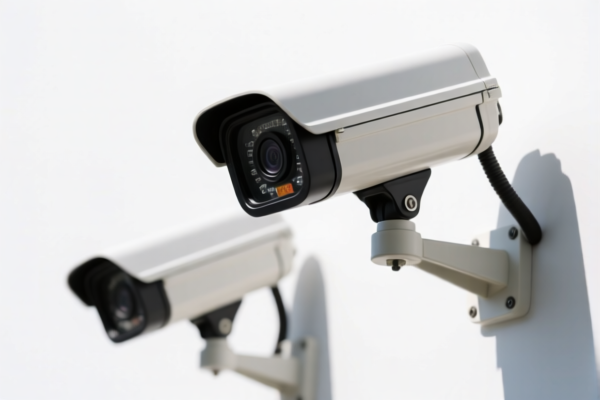
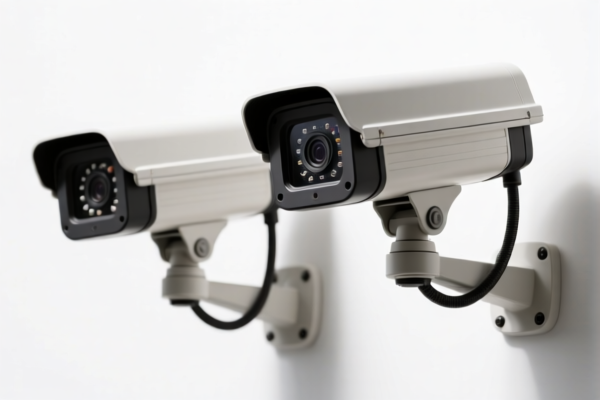
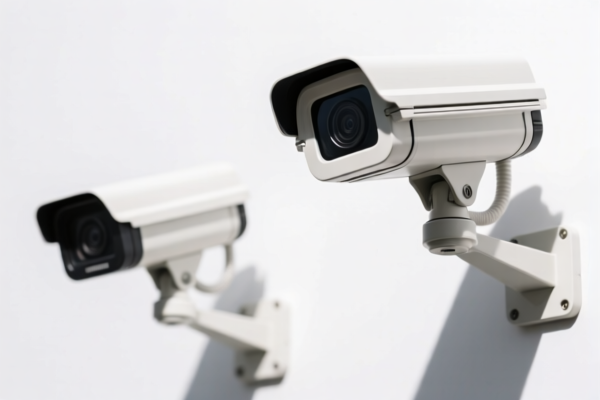
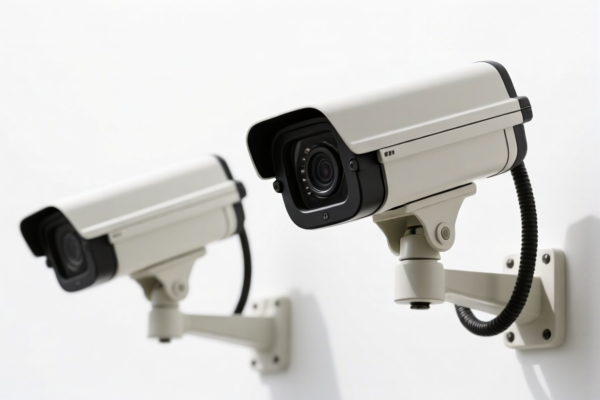
AI Analysis
🎥 Monitoring Film (Surveillance Protective Films)
🌐 HS Code Reference & Customs Clearance Guide | 2026 Latest Tariff Analysis | Professional-Level Clearance Strategy
📌 I. Product Definition & Classification: Do You Really Understand "Monitoring Film"?
Monitoring Film is a critical protective layer used in security cameras, dashcams, and industrial monitoring systems. In international trade, it is generally categorized based on its material composition and state (self-adhesive vs. non-adhesive). It is rarely classified as an electronic component itself but rather as a plastic article.
International trade customs authorities typically distinguish between: 1. Self-Adhesive Plastic Films: Rolls or sheets with adhesive backing, used for wrapping or protecting lens surfaces during manufacturing/transport. 2. Polymer Sheets/Films: Non-adhesive plastic sheets (e.g., Acrylic, Polyester/PET) used as protective covers or substrates.
⚠️ Key Distinction Point:
- If the product is a roll of plastic with adhesive (sticky side up/down) → Classify under Chapter 39 (Self-adhesive plastics).
- If the product is a flat sheet made of specific polymers like Acrylic or PET without mention of adhesive → Classify under Chapter 39 (Other plastic plates/sheets/film).
- No Electronic Components: Do not classify as camera parts (8525/8526) unless it has built-in sensors or LEDs.
📦 II. HS Code Classification Details (2026 Latest Tariff Authoritative Comparison)
Based on the provided data, here are the four most likely HS Codes for Monitoring Film, along with their specific logical justifications:
| HS Code | Product Description | Application Scenario | Classification Logic |
|---|---|---|---|
| 3919.90.50.40 | Self-adhesive plastic film, other | Generic protective wrap for camera lenses/surfaces | "Self-adhesive + Plastic": The summary explicitly states it is classified as self-adhesive plastic film. No material conflict. |
| 3919.90.50.60 | Plastic self-adhesive thin film | Roll films for surface protection during assembly | "Plastic Self-Adhesive": Fits the logic of plastic self-adhesive films. No material conflict. |
| 3920.59.10.00 | Other plates, sheets, film, foil, and strip, of acrylic polymers | Protective covers made of Acrylic (PMMA) | "Acrylic Polymer": If the film is explicitly made of acrylic, it falls here. Fits common application fields. |
| 3920.61.00.00 | Plates, sheets, film, etc., of polyesters | Protective layers made of PET or TPU | "Polyester/PET/TPU": If the material is inferred as polymer (e.g., PET for durability), this code applies. No obvious conflict. |
🔍 Important Note:
- 3919.xxxx: These codes are for self-adhesive films. If your product is just a dry plastic sheet, these codes are incorrect. - 3920.xxxx: These codes are for non-adhesive plates, sheets, and films. - Material Verification: Customs may require a Material Test Report to confirm if the film is Acrylic (3920.59), Polyester (3920.61), or a generic plastic adhesive (3919.90).
💰 III. 2026 Latest Tariff Rate Details (Including Surcharges & Policy Add-ons)
✅ Applicable Country: United States (US)
✅ Country of Origin: China (CN)
✅ Effective Date: From November 10, 2025 (including subsequent imports)
The tax structure for all four HS Codes is nearly identical due to the high "Section 301" and "Section 122" surcharges on Chinese plastic products.
🎯 1. 3919.90.50.40 & 3919.90.50.60 —— Self-Adhesive Plastic Films
| Item | Content |
|---|---|
| Basic Tariff | 5.8% (Ad Valorem) |
| Section 301 Surcharge | +25.0% (Under US Trade Act Section 301) |
| Section 122 Surcharge | +10.0% (Specific provision for certain Chinese imports) |
| Total Tariff Rate | 40.8% |
| Tax Calculation | CIF Value × 40.8% |
| De Minimis Eligibility | ❌ Not Eligible (High tariff items are generally excluded from $800 de minimis relief if deemed high-risk, though specific rules vary by shipment value, these surcharges are strict). |
| Legal Basis Path | HTSUS:3919.90.50 → USITC Footnote: Section 301 → Section 122 Add-on |
📌 Explanation:
- "Basic Tariff 5.8%": Standard Most Favored Nation (MFN) rate for other self-adhesive plastic tapes/films. - "Section 301 Surcharge 25%": The primary punitive tariff on Chinese plastics. - "Section 122 Surcharge 10%": An additional layer of tariff under Section 122 of the Trade Expansion Act. - Total 40.8%: This is a very high tariff. It significantly impacts profit margins.
🎯 2. 3920.59.10.00 —— Acrylic Polymer Film
| Item | Content |
|---|---|
| Basic Tariff | 6.0% (Ad Valorem) |
| Section 301 Surcharge | +25.0% |
| Section 122 Surcharge | +10.0% |
| Total Tariff Rate | 41.0% |
| Tax Calculation | CIF Value × 41.0% |
| De Minimis Eligibility | ❌ Not Eligible |
| Legal Basis Path | HTSUS:3920.59.10 → USITC Footnote: Section 301 → Section 122 Add-on |
📌 Note:
- Acrylic films have a slightly higher base rate (6.0% vs 5.8%), but the surcharges remain the same. - If the film is transparent and used purely for protection (not optical quality), this classification holds.
🎯 3. 3920.61.00.00 —— Polyester (PET) Film
| Item | Content |
|---|---|
| Basic Tariff | 5.8% (Ad Valorem) |
| Section 301 Surcharge | +25.0% |
| Section 122 Surcharge | +10.0% |
| Total Tariff Rate | 40.8% |
| Tax Calculation | CIF Value × 40.8% |
| De Minimis Eligibility | ❌ Not Eligible |
| Legal Basis Path | HTSUS:3920.61.00 → USITC Footnote: Section 301 → Section 122 Add-on |
📌 Note:
- PET/TPU films are often used for more durable monitoring covers. - The total rate is 40.8%, identical to the self-adhesive 3919 codes.
🛠️ IV. Customs Clearance Practical Advice (Real-World Pitfall Avoidance Guide)
✅ 1. Required Documentation Checklist (None Can Be Omitted)
| Document | Must Provide | Explanation |
|---|---|---|
| ✅ Product Spec Sheet | ✔️ | Must include dimensions, thickness, adhesive type (if any), and material composition (e.g., "100% Polyester"). |
| ✅ Material Test Report | ✔️ | Crucial to prove if it is Acrylic, PET, or Generic Plastic. Discrepancies here lead to misclassification. |
| ✅ Product Photos | ✔️ | Clear images showing if it is a roll (suggests 3919) or a cut sheet (suggests 3920). |
| ✅ Commercial Invoice | ✔️ | Must describe the item as "Protective Film for Monitoring Equipment" or "Plastic Adhesive Film", NOT "Camera Part". |
| ✅ Packing List | ✔️ | Show weight and quantity. If rolls are used, mention "Rolls of...". |
| ✅ Certificate of Origin (CO) | ✔️ | Essential for verifying Chinese origin to apply (or confirm) the 301/122 surcharges. |
✅ 2. Declaration Tips (Key Mantras)
🔥 "Adhesive is 3919, Sheet is 3920; Material dictates the sub-code, Don't Guess!"
| Situation | Correct Declaration Method | Wrong Practice |
|---|---|---|
| Roll of sticky film | 3919.90.50.xx |
Declare as "Plastic Sheet" → Risk of penalty. |
| Flat PET sheet | 3920.61.00.00 |
Declare as "Self-adhesive" → If no adhesive found, customs will reclassify and fine. |
| Acrylic Cover | 3920.59.10.00 |
Declare as "Glass" → Wrong material, wrong tariff. |
| Film with Camera Lens | Separate Declaration | Bundle with camera (8525) → Cameras have different tariffs; bundling may trigger scrutiny. |
✅ 3. Special Situation Handling
| Situation | Handling Advice |
|---|---|
| Is the film "Optical Grade"? | If it has specific optical properties (anti-glare, high transparency for video), ensure the spec sheet highlights this to justify 3920 codes over generic 3919. |
| Is it "Self-Adhesive"? | If the product has any adhesive, even slight tack, customs may push for 3919. If it's dry, use 3920. Be honest; testing will reveal it. |
| Small Samples (De Minimis) | ⚠️ Warning: Even for low-value shipments, if the HS Code triggers Section 301 (25%) + Section 122 (10%), many carriers/customs brokers will still require formal entry or refuse de minimis clearance for plastic goods from China due to high risk. |
| OEM Custom Films | Provide the customer's design drawing. If it's cut to size for a specific camera model, add "Custom Cut" to the description, but the HS Code remains based on material/state. |
🌍 V. Global Market Clearance Comparison (2026 Latest)
| Country/Region | Recommended HS Code | Tariff (China Origin) | Certification Requirements | Notes |
|---|---|---|---|---|
| 🇺🇸 USA | 3919.90.50 or 3920.61 |
40.8% - 41.0% | None specific for plastic film | High Tax: Includes 25% (301) + 10% (122). |
| 🇨🇳 China | Same HS Codes | 5.8% - 6.0% | None | Low base tariff, no surcharges. |
| 🇪🇺 EU | 3920.xxxx or 3919.xx |
6.5% - 7.0% | REACH Compliance | No Section 301 equivalent, but REACH chemical compliance is strict. |
| 🇬🇧 UK | Same as EU | 6.5% - 7.0% | UKCA Mark (if applicable) | Post-Brexit, rules differ slightly but tariffs are similar to EU. |
| 🇨🇦 Canada | 3920.xxxx |
5.0% - 6.0% | None | No retaliatory tariffs on Chinese plastics currently. |
📌 Conclusion:
- USA is the most expensive market for Monitoring Films due to the 40.8%+ effective rate. - China, EU, Canada offer significantly lower base tariffs (5-7%). - If shipping to the US, consider supply chain adjustments (e.g., assembly in Vietnam/Mexico) to avoid the 301/122 tariffs, but ensure substantial transformation occurs.
📌 VI. Common Mistakes & Pitfall Guide (Blood & Tears Lessons)
❌ Mistake 1: Declaring "Monitoring Film" as "Camera Accessory" (8525/8526)
👉 Consequence: Customs will reject it because films are plastic articles (Chapter 39), not electronic parts. Result: Delay, Repackaging, or Return.
❌ Mistake 2: Ignoring the "Adhesive" factor
👉 Consequence: If you declare as 3920 (sheet) but the product is sticky, customs will reclassify to 3919. If the base rates or surcharges differ slightly, or if documentation doesn't match, you face penalties for misdeclaration.
❌ Mistake 3: Not providing Material Composition
👉 Consequence: Without knowing if it's Acrylic, PET, or PP, customs cannot assign the correct 8-digit HS Code. They may use the "Catch-all" code with the highest duty or hold the cargo for inspection.
❌ Mistake 4: Assuming De Minimis ($800) exempts tariffs
👉 Consequence: While de minimis exists, high-duty items (like those with 301 surcharges) are increasingly scrutinized. Many carriers will require formal entry for plastic goods from China to ensure tariff collection.
✅ Correct Approach:
"Protective Plastic Film, Self-Adhesive, 100% Polyolefin, Roll, 100m x 50cm, for Surveillance Camera Lens Protection"
HS Code:3919.90.50.60
Declaration: Clearly state "Plastic Film" and "Self-Adhesive".
🎯 VII. Conclusion: Professional Declaration, Save Time, Reduce Costs!
🎯 Remember the Mantra:
🔹 "Adhesive = 3919, Sheet = 3920; Material is Key, Guessing is Fee!"
🔹 "USA Tariff is 40%, Check Origin, Plan Ahead, Don't Let Customs Seize!"
📌 Pro Tip:
If your monitoring films are shipped in small quantities (under $800), check with your freight forwarder if they accept de minimis clearance for Chinese plastic goods. Many carriers now exclude Section 301 goods from de minimis benefits.
For larger shipments, apply for an Advance Ruling from US CBP if the classification is complex (e.g., multi-layer films).
📣 Immediate Action:
📞 Contact a licensed customs broker + Provide Material Specs + Verify Adhesive Status.
🚀 Ensure your Monitoring Film clears customs smoothly, avoids costly delays, and maximizes your profit margin!
✨ Professional clearance starts with precise classification!
💼 Your every cent of cost deserves precise calculation!
Customer Reviews
About HS Code Classification
The Harmonized System (HS) is an internationally standardized nomenclature developed by the World Customs Organization (WCO) to classify traded products. Over 200 countries use the HS system as the basis for customs tariffs, trade statistics, and import/export regulations.
Each HS code follows a hierarchical structure:
- Chapter (2 digits) — Broad category of goods (e.g., Chapter 84: Machinery and Mechanical Appliances)
- Heading (4 digits) — More specific grouping within the chapter
- Subheading (6 digits) — Internationally standardized breakdown, used by all WCO member countries
- National subdivisions (8-10 digits) — Country-specific extensions for further classification, such as US HTSUS 10-digit codes
Correct HS code classification is essential for smooth customs clearance, accurate duty payment, and compliance with trade regulations. Misclassification can lead to customs delays, overpayment of duties, or penalties.
When importing from CN to US, the applicable tariff rates may include:
- Most-Favored-Nation (MFN) rate — The standard duty rate applied to WTO members
- General rate — Applied to countries without trade agreements
- Trade remedy duties — Additional tariffs such as Section 301 (anti-dumping), Section 232 (national security), or countervailing duties
The information provided on this page is for reference purposes only. For official classification, please consult with your local customs authority or a licensed customs broker.