Mopping Slippers
CN → US| HS Code | Tariff Rate | Origin | Destination | Doc |
|---|---|---|---|---|
| 6404193020 | 22.5% | CN | US | Official Doc |
| 6405909060 | 22.5% | CN | US | Official Doc |
| 6402993110 | 16.0% | CN | US | Official Doc |
| 6405209015 | 22.5% | CN | US | Official Doc |
| 6402994920 | 55.0% | CN | US | Official Doc |
Product Images
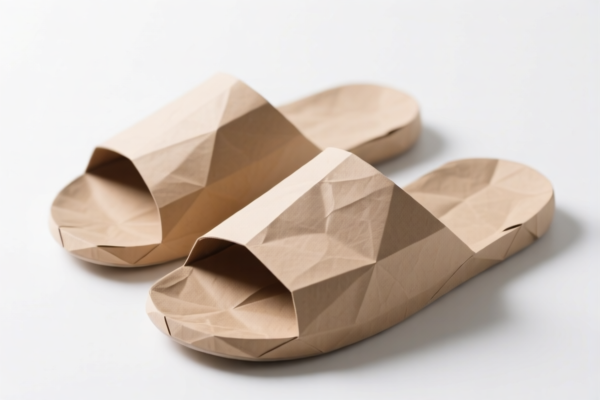


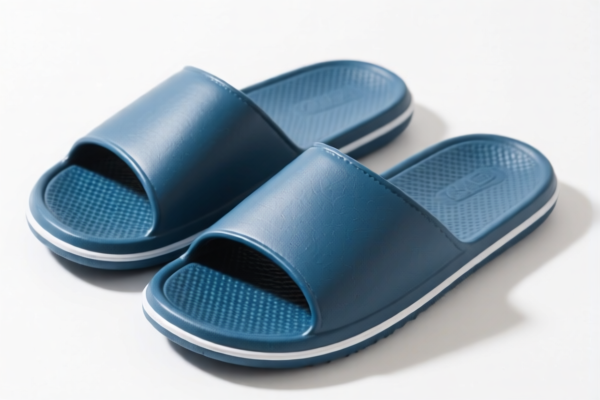
AI Analysis
🦶✨ Mopping Slippers: The Ultimate "Clean & Walk" Solution
🌐 HS Code Master Guide & Strategic Clearance Strategy | 2026 Tax & Compliance Deep Dive
📌 I. Product Definition: What Exactly Are "Mopping Slippers"?
Mopping Slippers are a unique hybrid footwear designed for dual functionality: wearing as comfortable house slippers and mopping floors with embedded absorbent/microfiber pads.
In international trade classification, they are categorized based on material composition (upper vs. sole) and primary function. The key to correct classification lies in answering:
1. Is the outer sole rubber/plastic or textile?
2. Is the upper material rubber/plastic or textile?
3. Is it designed specifically for "mopping" or just general indoor wear?
⚠️ Critical Classification Logic:
- If the sole is rubber/plastic → Likely falls under 6402.99 (Rubber/Plastic footwear).
- If the sole is textile and the upper is textile → Likely falls under 6404 or 6405 (Textile or mixed material).
- "Mopping" function does not change the HS Code unless the product is primarily a cleaning tool (which it isn't; it's footwear with an accessory).
📦 II. HS Code Classification Breakdown (2026 Authorized Tariff Schedule)
Based on the 2026 US Tariff Schedule and the provided data, here is the precise mapping for Mopping Slippers across different material configurations:
| HS Code | Product Description & Material Logic | Mopping Function? | Tax Rate | Tax Details Breakdown |
|---|---|---|---|---|
| 6404.19.30.20 | Textile Upper + Rubber/Plastic Sole Slippers where the upper is fabric/textile and the sole is rubber/plastic, designed for indoor use. |
✅ Yes (Embedded pad) | 22.5% | Base: 12.5% Section 301: 0% 122 Rule: 10% |
| 6405.90.90.60 | Textile/Mixed Upper + Any Sole General "Other" non-baby slippers, often textile-heavy, not rubber/plastic sole dominant. |
✅ Yes (General use) | 22.5% | Base: 12.5% Section 301: 0% 122 Rule: 10% |
| 6402.99.31.10 | All-Rubber/Plastic Both upper and sole are rubber or plastic. Common for waterproof "slipper-mops". |
✅ Yes (Water-resistant) | 16.0% | Base: 6.0% Section 301: 0% 122 Rule: 10% |
| 6405.20.90.15 | Textile Upper (House Slippers) Specifically classified as "House slippers" with textile uppers, often with soft soles. |
✅ Yes (Domestic use) | 22.5% | Base: 12.5% Section 301: 0% 122 Rule: 10% |
| 6402.99.49.20 | High-Risk Rubber/Plastic Category Slippers classified under specific sub-categories of rubber/plastic, often subject to higher Section 301 duties due to specific material profiles. |
✅ Yes (Specialized) | 55.0% | Base: 37.5% Section 301: 7.5% 122 Rule: 10% |
🔍 Key Insight:
- 122 Rule Tariff (10%): This is a mandatory additional tax applied to all these footwear items from China, likely related to specific trade measures or anti-dumping/safeguard duties active in 2026.
- Section 301 Variance: Most items have 0% Section 301, but 6402.99.49.20 carries an extra 7.5%, pushing the total to 55%. This is a critical red zone for compliance.
💰 III. 2026 Tariff Structure Deep Dive (The 122 Rule Explained)
✅ Applicable Market: United States (US)
✅ Origin: China (CN)
✅ Effective Date: 2025-2026 Policy Window
🎯 Why the "122 Rule" Matters
The 122 Rule (often associated with Section 122 of the Trade Act or specific Customs and Border Protection (CBP) enforcement directives) imposes an additional 10% duty on specific footwear categories to protect domestic manufacturing or address trade imbalances.
| Component | Rate | Application Logic |
|---|---|---|
| Base Duty | 6.0% – 12.5% | Standard MFN (Most Favored Nation) rate based on material. |
| Section 301 | 0.0% – 7.5% | Added if the specific HS Code sub-category is flagged for high-risk materials or origin. |
| 122 Rule | 10.0% | Fixed surcharge for all slippers/mopping slippers from China in this category. |
| TOTAL | 16.0% – 55.0% | Crucial: Do not underestimate the 55% total for "All-Rubber" specific sub-codes. |
📌 Calculation Example:
- Scenario A (6404.19.30.20): $100 FOB → $12.50 Base + $10.00 (122 Rule) = $22.50 Total Tax (22.5%).
- Scenario B (6402.99.49.20): $100 FOB → $37.50 Base + $7.50 (301) + $10.00 (122 Rule) = $55.00 Total Tax (55%).
🛠️ IV. Strategic Clearance Recommendations (Avoiding the 55% Trap)
✅ 1. Material Declaration Precision (The Make-or-Break)
Customs officers scrutinize sole material first. - Do NOT declare "Rubber/Plastic" if the sole is textile, felt, or foam. - Do NOT declare "Textile" if the sole has a hard rubber/Plastic tread (even if thin). - Pro Tip: Use "Micro-fiber composite sole" or "Textile-fabric sole" descriptions for 6404/6405 to avoid the 55% risk.
✅ 2. "Mopping" Function Disclosure
- Declare as "Slippers" primarily.
- Add a secondary description: "With integrated absorbent microfiber pad for light floor cleaning."
- WARNING: Do not declare the primary function as "Cleaning Tool" (e.g., "Floor Scrubber"). If declared as a cleaning tool, it may fall under 8424 (Machinery) with different, potentially higher or restricted duties. Keep it as Footwear.
✅ 3. HS Code Selection Strategy
| Scenario | Recommended HS Code | Avoid | Reason |
|---|---|---|---|
| Textile Upper + Textile/Foam Sole | 6405.90.90.60 | 6402.99 | Avoids high base rate; 22.5% vs 55%. |
| Textile Upper + Rubber Sole | 6404.19.30.20 | 6402.99.49.20 | "122 Rule" applies, but base rate is lower (12.5% vs 37.5%). |
| All-Rubber/Plastic Construction | 6402.99.31.10 | 6402.99.49.20 | CRITICAL: Avoid "49.20" sub-code. "31.10" has 16% total, "49.20" has 55%. |
🚨 V. Common Pitfalls & "Red Flags" (Blood & Sweat Lessons)
❌ Pitfall 1: The "55% Trap"
- Mistake: Classifying all-rubber mopping slippers under 6402.99.49.20.
- Consequence: Paying 55% tax instead of 16%.
- Fix: Verify the exact sub-code. Ensure the "mopping pad" isn't mistaken for a "rubber sole" in classification logic. Use 6402.99.31.10 if applicable.
❌ Pitfall 2: "Mopping" Misclassification
- Mistake: Declaring as "Cleaning Equipment" (8424).
- Consequence: May trigger additional safety certifications, delays, or higher duties.
- Fix: Always declare as Footwear (Slippers) with a note about the cleaning function.
❌ Pitfall 3: Ignoring the 122 Rule
- Mistake: Calculating tax as Base + Section 301 only.
- Consequence: Underpaying by 10% on every pair → Fines + Seizure.
- Fix: Always add the 10% 122 Rule surcharge to your cost calculations.
🌍 VI. Global Market Comparison (US Focus)
| Market | Best HS Code | Total Duty | Key Risk |
|---|---|---|---|
| 🇺🇸 USA | 6404.19.30.20 / 6405.90.90.60 | 22.5% | 122 Rule (10%) + Material classification errors. |
| 🇪🇺 EU | 6404.19 | ~5-10% | No 122 Rule, but strict "non-baby" definitions. |
| 🇨🇦 Canada | 6405.20 | ~5-10% | Lower duties, but strict labeling rules. |
📌 Conclusion:
USA is the highest cost market due to the 122 Rule and Section 301 complexities.
Target HS Code: 6404.19.30.20 or 6405.90.90.60 for 22.5% total.
Avoid: 6402.99.49.20 (55% total).
📣 VII. Action Plan for Shippers
- Material Audit: Confirm if the sole is Textile/Foam (Target 6404/6405) or Rubber (Target 6402.99.31.10). Never use 6402.99.49.20 unless absolutely necessary.
- Product Description: Use "House Slippers with Cleaning Pad" not "Floor Mop".
- Cost Calculation: Apply Base Rate + 10% (122 Rule) immediately.
- Pre-Consultation: If the product has mixed materials (e.g., rubber sole + textile upper + plastic pad), consult a customs broker to confirm the Principal Characteristic rule (Chapter 64 Note 1).
🎯 Final Pro Tip:
"For Mopping Slippers, the goal is Textile or Light-Rubber. Avoid Heavy Rubber (49.20). Save 33% by choosing the right sub-code!"
16% vs 55% = A $3,900 difference on a $10,000 shipment!
✨ Smart Shipping, Precise Classification, Maximum Profit!
💼 Your margins depend on this 10% (122 Rule) difference. Get it right!
Customer Reviews
About HS Code Classification
The Harmonized System (HS) is an internationally standardized nomenclature developed by the World Customs Organization (WCO) to classify traded products. Over 200 countries use the HS system as the basis for customs tariffs, trade statistics, and import/export regulations.
Each HS code follows a hierarchical structure:
- Chapter (2 digits) — Broad category of goods (e.g., Chapter 84: Machinery and Mechanical Appliances)
- Heading (4 digits) — More specific grouping within the chapter
- Subheading (6 digits) — Internationally standardized breakdown, used by all WCO member countries
- National subdivisions (8-10 digits) — Country-specific extensions for further classification, such as US HTSUS 10-digit codes
Correct HS code classification is essential for smooth customs clearance, accurate duty payment, and compliance with trade regulations. Misclassification can lead to customs delays, overpayment of duties, or penalties.
When importing from CN to US, the applicable tariff rates may include:
- Most-Favored-Nation (MFN) rate — The standard duty rate applied to WTO members
- General rate — Applied to countries without trade agreements
- Trade remedy duties — Additional tariffs such as Section 301 (anti-dumping), Section 232 (national security), or countervailing duties
The information provided on this page is for reference purposes only. For official classification, please consult with your local customs authority or a licensed customs broker.