Mosaic Set
CN → US| HS Code | Tariff Rate | Origin | Destination | Doc |
|---|---|---|---|---|
| 6914108000 | 44.0% | CN | US | Official Doc |
| 9503000073 | 10.0% | CN | US | Official Doc |
| 9503000071 | 10.0% | CN | US | Official Doc |
| 7020006000 | 40.0% | CN | US | Official Doc |
| 6914908000 | 40.6% | CN | US | Official Doc |
Product Images
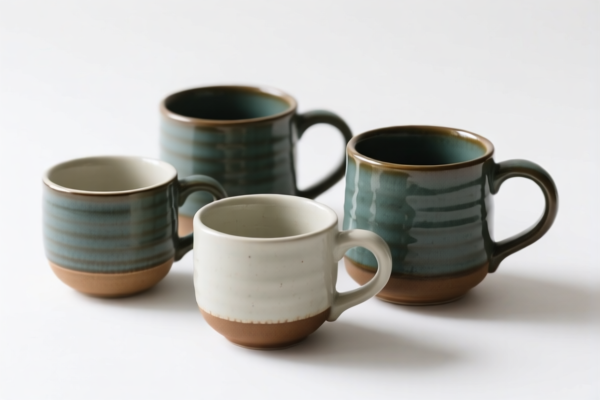
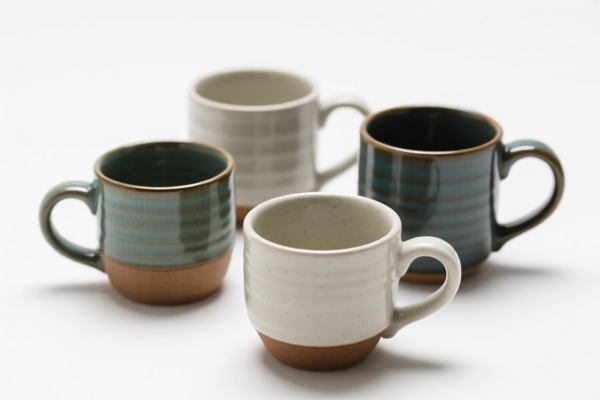
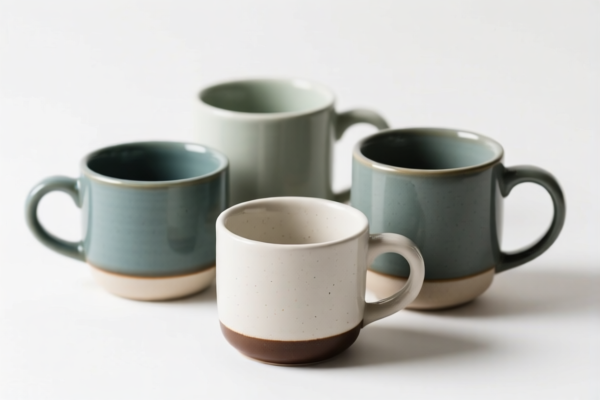
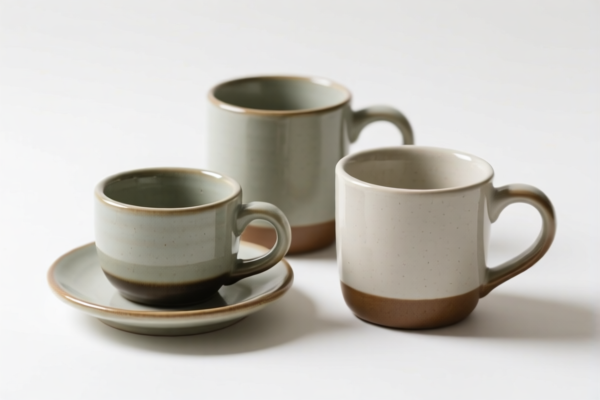
AI Analysis
🎨 Mosaic Set (拼图/装饰套装)
🌐 HS Code Reference & Customs Clearance Guide | 2026 Latest Tariff Analysis | Strategic Import Strategy
📌 One, Product Definition: What is a "Mosaic Set"?
A Mosaic Set is a broad term that can refer to two distinct categories in international trade, leading to vastly different tax liabilities:
- Decorative/Material Mosaics: Artistic supplies or finished decorative items made of glass, ceramic, or stone tiles used for wall/floor decoration or artistic projects.
- Toy/Entertainment Mosaics: Puzzle pieces, building blocks, or model kits classified as toys or games.
⚠️ Critical Distinction:
- If the item is artistic supply (glass/ceramic tiles for decoration) → It falls under Chapter 70 (Glass) or Chapter 69 (Ceramics).
- If the item is a toy/puzzle (plastic/wood pieces for play) → It falls under Chapter 95 (Toys).
- Misclassification Risk: Declaring a decorative glass mosaic as a "toy" to save tax will lead to severe penalties. Declaring a toy as "ceramics" may result in clearance delays due to missing safety certifications (CPC/ASTM).
📦 Two, HS Code Classification Details (2026 Latest Tariff Alignment)
Based on the provided , here are the precise classifications and their logical justifications.
| HS Code | Product Description | Classification Logic (Why it fits) | Material/Use Case |
|---|---|---|---|
| 7020.00.60.00 | Glass Decorative Articles | Matches Glass Material + Non-specific Decorative Use. This is the standard code for finished glass decorative items or artistic glass kits not elsewhere specified. | Glass tiles, glass bead mosaics, decorative glass art kits. |
| 6914.90.80.00 | Other Ceramic Articles | Matches Ceramic Material + General Ceramic Category. Used for ceramic mosaic tiles that do not fit specific sanitary or tableware sub-headings. | Ceramic floor/wall tiles, ceramic decorative plaques. |
| 6914.10.80.00 | Ceramic Decorative Articles | Matches Ceramic Material + Specific Decorative Use. Specifically for ceramic items intended purely for decoration (e.g., ornamental ceramic mosaic panels). | High-end decorative ceramic art, ornamental ceramic mosaics. |
| 9503.00.00.73 | Toy Puzzles/Models Parts | Matches Toy Category + Components of Puzzles/Models. Specifically for parts or assembled sets that function as toys, puzzles, or construction models. | Plastic LEGO-style mosaic art kits, children's craft mosaics. |
| 9503.00.00.71 | Puzzles & Educational Toys | Matches Puzzle/ Educational Toy Use. Specifically for puzzles or games designed for entertainment or cognitive development. | Jigsaw puzzle mosaics, educational craft kits for kids. |
🔍 Key Insight:
- "Set" is not a classifier: The word "set" alone does not determine the HS Code. The material (Glass vs. Ceramic vs. Plastic/Toy) and primary function (Decoration vs. Play) do.
- Chapter 70 vs. 95: Glass decorative items (70) are taxed much higher than Toy Puzzles (95). Always declare the true nature of the product.
💰 Three, 2026 Latest Tariff Rate Breakdown (Including Additional Duties)
✅ Applicable Country: United States (US)
✅ Origin: China (CN)
✅ Effective Date: Post-November 2025 (Current Enforcement)
🎯 1. 7020.00.60.00 — Glass Decorative Articles
| Item | Detail |
|---|---|
| Base Tariff | 5.0% |
| Section 301 (Add-on) | +25.0% |
| Section 122 (Add-on) | +10.0% |
| Total Tax Rate | 40.0% |
| Tax Calculation | CIF Value × 40% |
| De Minimis Exemption? | ❌ No (Not eligible for $800 de minimis if structured to avoid duty) |
| Legal Basis | Base Tariff (5%) + 301 Duty (25%) + Section 122 (10%) |
📌 Explanation:
- Glass decorative items are subject to the full bundle of US trade remedies.
- Total 40% is a significant cost driver. Ensure your pricing model accounts for this.
🎯 2. 6914.90.80.00 — Other Ceramic Articles
| Item | Detail |
|---|---|
| Base Tariff | 5.6% |
| Section 301 (Add-on) | +25.0% |
| Section 122 (Add-on) | +10.0% |
| Total Tax Rate | 40.6% |
| Tax Calculation | CIF Value × 40.6% |
| De Minimis Exemption? | ❌ No |
| Legal Basis | Base Tariff (5.6%) + 301 Duty (25%) + Section 122 (10%) |
📌 Explanation:
- Slightly higher base rate than glass (5.6% vs 5.0%) due to ceramic manufacturing specifics.
- Total rate is the highest among the provided options at 40.6%.
🎯 3. 6914.10.80.00 — Ceramic Decorative Articles
| Item | Detail |
|---|---|
| Base Tariff | 9.0% |
| Section 301 (Add-on) | +25.0% |
| Section 122 (Add-on) | +10.0% |
| Total Tax Rate | 44.0% |
| Tax Calculation | CIF Value × 44.0% |
| De Minimis Exemption? | ❌ No |
| Legal Basis | Base Tariff (9.0%) + 301 Duty (25%) + Section 122 (10%) |
📌 Explanation:
- Highest Base Rate (9%) because "Decorative Ceramic Articles" are often viewed as luxury/ornamental items with less industrial utility.
- Total 44% is the most expensive clearance cost in this dataset.
🎯 4. 9503.00.00.73 — Toy Puzzle/Model Parts
| Item | Detail |
|---|---|
| Base Tariff | 0.0% |
| Section 301 (Add-on) | 0.0% |
| Section 122 (Add-on) | +10.0% |
| Total Tax Rate | 10.0% |
| Tax Calculation | CIF Value × 10.0% |
| De Minimis Exemption? | ⚠️ Complex (Section 122 may block de minimis for certain Chinese-origin goods; consult specific 122 exclusions) |
| Legal Basis | Base Tariff (0%) + Section 122 (10%) |
📌 Explanation:
- Lowest Base Tariff (0%) because toys generally have low baseline duties.
- No 301 Duty: Most standard toys are exempt from the 25% Section 301 tariff.
- Section 122 Applies: A 10% surcharge still applies to Chinese-origin goods under Section 122.
- Savings: Significant savings compared to glass/ceramic (10% vs 40%+).
🎯 5. 9503.00.00.71 — Puzzles & Educational Toys
| Item | Detail |
|---|---|
| Base Tariff | 0.0% |
| Section 301 (Add-on) | 0.0% |
| Section 122 (Add-on) | +10.0% |
| Total Tax Rate | 10.0% |
| Tax Calculation | CIF Value × 10.0% |
| De Minimis Exemption? | ⚠️ Complex (See above) |
| Legal Basis | Base Tariff (0%) + Section 122 (10%) |
📌 Explanation:
- Identical tax treatment to9503.00.00.73.
- Use this code if the product is marketed strictly as a "Puzzle" or "Educational Game" rather than "Model Parts."
🛠️ Four, Customs Clearance Practical Advice (Avoid Pitfalls)
✅ 1. Documentation Checklist (Non-negotiable)
| Document | Required For | Notes |
|---|---|---|
| Product Spec Sheet | All | Must clearly state Material (Glass, Ceramic, Plastic, Wood) and Function (Decorative, Toy, Puzzle). |
| Composition Analysis | Glass/Ceramic | If claiming "Decorative," provide details on glazes, materials, and finishing to avoid misclassification as "Sanitary Ware" or "Tableware." |
| Safety Certificates | Toys (9503) | CPSC/CPC is mandatory for US import of children's toys. Missing docs = Refusal/Seizure. |
| Marketing Images | All | Show the product in use. A "Mosaic Kit" looking like toys should be declared as toys. A "Mosaic Tile Set" for walls should be declared as glass/ceramic. |
| Commercial Invoice | All | Description must be precise: "Glass Decorative Mosaic Tiles" vs. "Plastic Puzzle Toy Mosaic Set." |
✅ 2. Declaration Strategy (Key Rules)
🔥 "Material Determines Chapter, Function Determines Sub-heading!"
| Scenario | Correct HS Code | Why? | Risk if Wrong |
|---|---|---|---|
| Glass Tiles for wall art | 7020.00.60.00 |
Material is Glass, Use is Decorative. | Underpayment if declared as Toy (40% vs 10%). Penalty + Back Duties. |
| Ceramic Tiles for floor | 6914.90.80.00 |
Material is Ceramic, General Use. | If declared as "Decorative Art" (6914.10), you pay 44% instead of 40.6%. |
| Plastic Mosaic Kit for kids | 9503.00.00.71 or .73 |
Material is Plastic, Function is Toy/Puzzle. | If declared as "Glass/Ceramic," you pay 40%+ and fail safety checks. |
| Wooden Puzzle | 9503.00.00.71 |
Function is Puzzle/Toy. | Wood toys still fall under Chapter 95 if designed for play. |
✅ 3. Special Considerations
| Situation | Advice |
|---|---|
| Mixed Material Sets | If a kit contains both glass tiles and plastic frames/tools, the primary character (usually the glass/ceramic value) often dictates the classification. However, if it's clearly a "Toy Construction Kit," argue for Chapter 95. Pre-clearance Ruling recommended. |
| "De Minimis" (Section 321) | WARNING: Section 122 tariffs (10%) apply even to de minimis shipments for many Chinese goods. Do not assume all $800 shipments are tax-free. Check if your specific HS code is excluded from Section 122. |
| Labeling | Toy mosaics must have Choking Hazard Warnings and Age Grading on packaging. Decorative glass does not need this. |
🌍 Five, Global Market Comparison (2026)
| Market | Recommended HS Code (Decorative) | Tariff Rate (China) | Key Certification |
|---|---|---|---|
| 🇺🇸 USA | 7020.00.60.00 (Glass) / 6914.90.80.00 (Ceramic) |
40.0% - 40.6% | None for decor. CPC for toys. |
| 🇪🇺 EU | 7020.00.90 / 6914.90 |
0% - 6.5% | CE Mark (if toy), RoHS. |
| 🇨🇳 China | 7020.00.60.00 |
5.0% | None. |
📌 Conclusion:
- The US is the most expensive market for decorative mosaics due to Section 301 + 122 duties.
- Toys (Chapter 95) offer a massive tax advantage (10% vs 40%+) if the product can be legitimately classified as such.
- Strategy: If your product is artistic but marketed to children, consider if it fits "Educational Toy" criteria to leverage the 10% rate. However, be prepared to provide CPSC/CPC documentation.
📌 Six, Common Errors & Pitfalls (Lessons Learned)
❌ Error 1: Declaring a Glass Mosaic Art Kit as a Toy to save tax.
👉 Result: Customs inspects, finds glass shards/materials, rejects toy classification. Penalty + 30% fine + Back Duties (30% difference).
❌ Error 2: Declaring a Plastic Puzzle as Ceramic Decor.
👉 Result: Customs requests ceramic safety tests (which fail because it's plastic). Shipment detained.
❌ Error 3: Ignoring Section 122 on Toy shipments.
👉 Result: Expecting 0% tax, but 10% Section 122 applies. Underpayment.
❌ Error 4: Vague Description "Mosaic Set" on Invoice.
👉 Result: CBP issues a Request for Information (RFI) or Hold. Delays 2-4 weeks.
✅ Correct Approach:
For Decorative:
"Decorative Glass Mosaic Tiles for Wall Art, 12x12 inch Sheets, Material: Glass, Use: Interior Decoration"
For Toys:
"Plastic Mosaic Puzzle Kit for Children, Educational Toy, Age 6+, CPSC Certified"
🎯 Seven, Conclusion: Precision Saves Money!
🎯 Remember the Golden Rule:
🔹 "Glass/Ceramic = Decor = 40% Tax."
🔹 "Plastic/Toy = Puzzle = 10% Tax."
🔹 "Be honest about material, honest about use."
📌 Pro Tip:
If you are unsure if your product qualifies as a "Toy" (Chapter 95), seek a CBP Pre-Ruling or consult a licensed customs broker. The potential savings of 30% tax make it worth the effort.
📣 Immediate Action:
📞 Confirm Material Composition
📞 Define Target Audience (Kids vs. Adults/Decor)
📞 Select Correct HS Code
🚀 Clear the Border, Keep the Profit!
✨ Smart Classification, Smarter Profits!
💼 Every percentage point of duty saved is pure margin added.
Customer Reviews
About HS Code Classification
The Harmonized System (HS) is an internationally standardized nomenclature developed by the World Customs Organization (WCO) to classify traded products. Over 200 countries use the HS system as the basis for customs tariffs, trade statistics, and import/export regulations.
Each HS code follows a hierarchical structure:
- Chapter (2 digits) — Broad category of goods (e.g., Chapter 84: Machinery and Mechanical Appliances)
- Heading (4 digits) — More specific grouping within the chapter
- Subheading (6 digits) — Internationally standardized breakdown, used by all WCO member countries
- National subdivisions (8-10 digits) — Country-specific extensions for further classification, such as US HTSUS 10-digit codes
Correct HS code classification is essential for smooth customs clearance, accurate duty payment, and compliance with trade regulations. Misclassification can lead to customs delays, overpayment of duties, or penalties.
When importing from CN to US, the applicable tariff rates may include:
- Most-Favored-Nation (MFN) rate — The standard duty rate applied to WTO members
- General rate — Applied to countries without trade agreements
- Trade remedy duties — Additional tariffs such as Section 301 (anti-dumping), Section 232 (national security), or countervailing duties
The information provided on this page is for reference purposes only. For official classification, please consult with your local customs authority or a licensed customs broker.