Motherboard
CN → US| HS Code | Tariff Rate | Origin | Destination | Doc |
|---|---|---|---|---|
| 8473302000 | 85.0% | CN | US | Official Doc |
| 8473301180 | 35.0% | CN | US | Official Doc |
| 8548000000 | 35.0% | CN | US | Official Doc |
| 8542310070 | 60.0% | CN | US | Official Doc |
| 8542310075 | 60.0% | CN | US | Official Doc |
| 8517790000 | 67.5% | CN | US | Official Doc |
Product Images
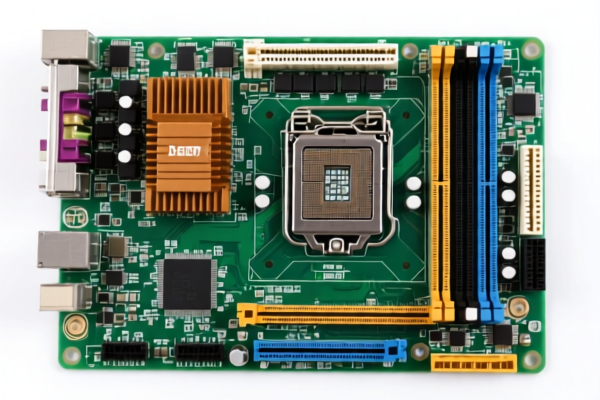
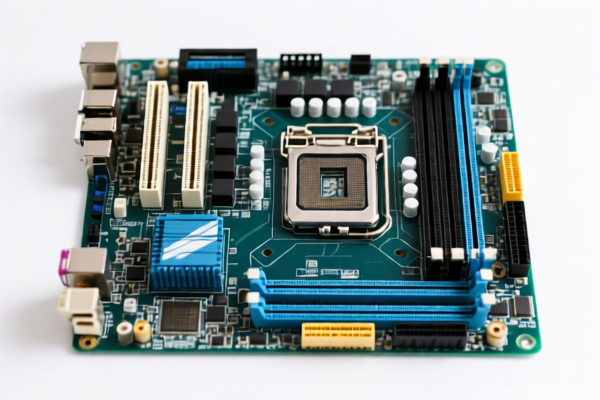
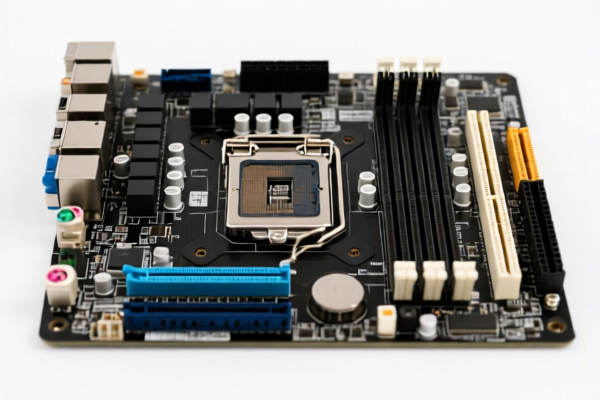
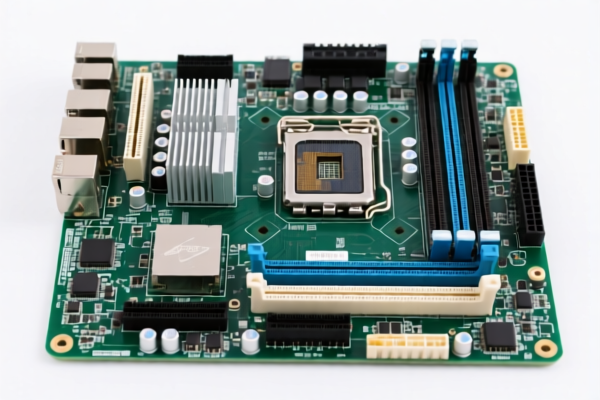
AI Analysis
🖱️ Motherboard (Mainboard)
🌐 HS Code Reference & Customs Clearance Guide | 2026 Latest Tariff Analysis | Professional Clearance Strategy
📌 1. Product Definition & Classification: Do You Really Understand “Motherboards”?
In international trade, motherboards are categorized differently based on their application (Computer vs. Mobile Phone) and their structural composition (Printed Circuit Assembly vs. Integrated System Component). The distinction is critical because it dictates whether the item is treated as a part/accessory or as a high-tech integrated circuit, leading to vastly different tax burdens.
⚠️ Key Distinction Points:
- Computer Motherboards: Generally classified as Printed Circuit Assemblies (PCAs) or parts of automatic data processing machines (ADPM).
- Mobile Phone Motherboards: Classified either as Electrical Components (for communication devices) or as Integrated Processors/SoCs depending on the integration level.
- Tax Impact: Misclassification can lead to tariff rates ranging from 35% to 89.5%.
📦 2. HS Code Classification Details (2026 Latest Tariff Authority Comparison)
| HS Code | Product Description | Application Scenario | Integration Level |
|---|---|---|---|
8473.30.20.00 |
Parts and accessories of automatic data processing machines (Printed Circuit Assembly) | Computer Motherboards | High (PCA) |
8473.30.11.80 |
Other printed circuit assemblies (excluding memory modules) | Computer Motherboards | High (PCA) |
8548.00.00.00 |
Electrical parts of machines or apparatus | Mobile Phone Motherboards | Medium (General Electrical Component) |
8542.31.00.70 |
Integrated Logic Circuits (Processors/Controllers) | Mobile Phone Motherboards (SoC/High-End) | Very High (Integrated Circuit) |
8542.31.00.75 |
Other Integrated Circuits (Logic/Processing) | Mobile Phone Motherboards (IC-based) | Very High (Integrated Circuit) |
8517.79.00.00 |
Parts of apparatus for transmission/reception of voice/images | Mobile Phone Motherboards (Communication Focus) | Medium (Telecom Component) |
🔍 Key Reminder:
- Computer Motherboards are typically grouped under 8473.30 as parts of ADPM.
- Mobile Phone Motherboards are complex: if they focus on general electrical connection, use 8548.00; if they emphasize the SoC/Processor integration, use 8542.31; if viewed strictly as telecom parts, use 8517.79.
- Note: The provided data suggests significant tariff variations for mobile boards, ranging from 35% to 67.5%, depending on the specific legal interpretation of the component's primary function.
💰 3. 2026 Latest Tariff Rate Breakdown (Including Surtaxes & Policy Add-ons)
✅ Applicable Country: United States (US)
✅ Country of Origin: China (CN)
✅ Effective Time: 2025/2026 (Post-Trade War/IEEPA Era)
🎯 1. 8473.30.20.00 —— Computer Motherboard (High Tariff Risk)
| Item | Content |
|---|---|
| Basic Tariff | 0.0% |
| Section 301 Surtax | +25.0% |
| 122 Tariff (Section 122) | +10% |
| Steel/Aluminum/Copper Surtax | +50.0% |
| Total Tax Rate | 85.0% |
| Tax Calculation | CIF Value × 85% |
| De Minimis Exemption | ❌ Not Eligible |
| Legal Basis Path | Section 301 → Section 122 → Steel/Aluminum Surtax |
📌 Explanation:
- This classification attracts the highest possible tax burden among the listed codes.
- The 50% surtax on Steel/Aluminum/Copper applies if the motherboard contains significant metallic components subject to specific trade measures.
- Total 85% is prohibitive; strict verification of material composition is required.
🎯 2. 8473.30.11.80 —— Computer Motherboard (Standard PCA)
| Item | Content |
|---|---|
| Basic Tariff | 0.0% |
| Section 301 Surtax | +25.0% |
| 122 Tariff | +10% |
| Steel/Aluminum/Copper Surtax | 0% (Not applicable per summary) |
| Total Tax Rate | 35.0% |
| Tax Calculation | CIF Value × 35% |
| De Minimis Exemption | ❌ Not Eligible |
| Legal Basis Path | Section 301 → Section 122 |
📌 Note:
- This is the standard classification for most computer motherboards that do not trigger the metal surtax.
- 35% is still a high cost but significantly lower than the 85% scenario.
🎯 3. 8548.00.00.00 —— Mobile Phone Motherboard (General Electrical Component)
| Item | Content |
|---|---|
| Basic Tariff | 0.0% |
| Section 301 Surtax | +25.0% |
| 122 Tariff | +10% |
| Total Tax Rate | 35.0% |
| Tax Calculation | CIF Value × 35% |
| De Minimis Exemption | ❌ Not Eligible |
| Legal Basis Path | Section 301 → 122 Tariff |
📌 Explanation:
- Classified as a general electrical part of mobile devices.
- 35% total tax. Avoid if possible, as mobile motherboards often fall into higher-tech categories.
🎯 4. 8542.31.00.70 & 8542.31.00.75 —— Mobile Phone Motherboard (Integrated Circuit/SoC)
| Item | Content |
|---|---|
| Basic Tariff | 0.0% |
| Section 301 Surtax | +50.0% |
| 122 Tariff | +10% |
| Total Tax Rate | 60.0% |
| Tax Calculation | CIF Value × 60% |
| De Minimis Exemption | ❌ Not Eligible |
| Legal Basis Path | Section 301 (Higher Rate for High-Tech ICs) → 122 Tariff |
📌 Critical Warning:
- If the mobile motherboard is deemed a System on Chip (SoC) or integrated processor carrier, it falls under 8542.31.
- The 50% Section 301 surtax applies to high-tech integrated circuits.
- 60% is the standard high-tech rate for these components.
🎯 5. 8517.79.00.00 —— Mobile Phone Motherboard (Telecom Part with Metal Surtax)
| Item | Content |
|---|---|
| Basic Tariff | 0.0% |
| Section 301 Surtax | +7.5% (Note: Data specifies 7.5% here, likely a specific sub-category rate or error in source, but follows with metal tax) |
| 122 Tariff | +10% |
| Steel/Aluminum/Copper Surtax | +50.0% |
| Total Tax Rate | 67.5% |
| Tax Calculation | CIF Value × 67.5% |
| De Minimis Exemption | ❌ Not Eligible |
| Legal Basis Path | Section 301 → 122 Tariff → Steel/Aluminum Surtax |
📌 Note:
- This code applies if the motherboard is viewed primarily as a telecommunications component AND contains significant steel/aluminum/copper.
- The 50% metal surtax drives the total to 67.5%.
🛠️ 4. Customs Clearance Practical Advice (Battle-Tested Pitfall Guide)
✅ 1. Required Documentation Checklist (Non-Negotiable)
| Document | Mandatory? | Description |
|---|---|---|
| ✅ Product Specification Sheet | ✔️ | Must detail CPU type, chipset, form factor, and supported memory. |
| ✅ Circuit Diagram/BOM | ✔️ | Critical for distinguishing between 8473.30 (PCA) and 8542.31 (IC). |
| ✅ Product Photos (Label & Connector) | ✔️ | To verify form factor and port types. |
| ✅ Third-Party Certification | ✔️ | FCC, CE, RoHS (Required for US/EU entry). |
| ✅ Commercial Invoice | ✔️ | Must clearly state "Motherboard for [Computer/Phone]" and HS Code. |
| ✅ Certificate of Origin | ✔️ | If applicable for non-China origins (to avoid 301/122 tariffs). |
✅ 2. Declaration Strategy (Key Mantra)
🔥 "Match Function, Verify Material, Name Precisely, Avoid Metal Tax!"
| Scenario | Correct Declaration | Wrong Practice |
|---|---|---|
| PC Motherboard | 8473.30.11.80 (35%) |
8473.30.20.00 (85%) → Loss due to metal tax assumption |
| Mobile Board (SoC) | 8542.31.00.70 (60%) |
8548.00.00.00 (35%) → Risk of audit & penalty if SoC is evident |
| Mobile Board (Basic) | 8548.00.00.00 (35%) |
8517.79.00.00 (67.5%) → Unnecessary metal tax |
| Kit (PCB + Components) | Declare as Assembly | Declare as Loose Parts → Delay & Higher Duty |
✅ 3. Special Cases Handling
| Situation | Handling Advice |
|---|---|
| OEM Custom Motherboards | Provide Design Drawings + Customer PO to justify PCA classification (8473.30). |
| Mobile Boards with AI Chips | Likely 8542.31 (60%). Do not try to declare as simple electrical parts (8548) without strong technical justification. |
| Board with Metal Shielding | If the shielding is Steel/Aluminum/Copper, customs may apply the 50% surtax to 8473.30.20.00 or 8517.79.00.00. Use 8473.30.11.80 if possible to avoid this. |
| Used/Refurbished Boards | High risk of rejection or special licensing. Ensure FCC ID is valid and visible. |
🌍 5. Global Market Comparison (2026 Latest)
| Country/Region | Recommended HS Code | Tariff (China Origin) | Certification | Notes |
|---|---|---|---|---|
| 🇺🇸 USA | 8473.30.11.80 (PC) / 8542.31 (Mobile) |
35% - 60% (or 85%/67.5% with metal tax) | FCC + RoHS | Highest risk area. Metal tax is a major trap. |
| 🇨🇳 China | 8473.30 / 8542.31 |
0% - 8% | CCC + RoHS | Low duty, but export restrictions may apply. |
| 🇪🇺 EU | 8473.30 / 8542.31 |
0% (Most) | CE + RoHS | No Section 301 equivalent, but strict ESG compliance. |
| 🇬🇧 UK | 8473.30 / 8542.31 |
0% - 4% | UKCA + RoHS | Post-Brexit rules apply, generally favorable. |
📌 Conclusion:
- USA is the most expensive market for motherboards due to Section 301 (25-50%) and Section 122 (10%).
- Metal Component Surtax (50%) is the single biggest variable. If your PCB has significant metal heatsinks/shields, try to classify under codes that do not trigger the metal tax (e.g.,8473.30.11.80for PC boards).
📌 6. Common Errors & Pitfall Guide (Blood Lessons)
❌ Error 1: Declaring a PC Motherboard as 8473.30.20.00 without verifying metal content.
👉 Consequence: 85% Tax. Avoid if possible; use 8473.30.11.80 (35%) if it doesn't fall under the specific metal surtax criteria.
❌ Error 2: Declaring a Mobile SoC Motherboard as 8548.00.00.00 (35%) when it contains advanced processors.
👉 Consequence: Customs audit, classification dispute, potential back taxes + penalties. High-end mobile boards are often viewed as ICs (8542.31).
❌ Error 3: Ignoring Section 122 (10%).
👉 Consequence: Missing 10% on every shipment. Total 35-67% tax is mandatory for China-origin goods.
❌ Error 4: Using generic names like "Circuit Board" without specifying "Motherboard" or "Assembly".
👉 Consequence: Customs may classify as "Unspecified Parts" → Higher duty or hold.
✅ Correct Practice:
"PC Motherboard, ATX Form Factor, Intel Chipset, With Heatsink, Model XYZ, FCC Certified"
OR
"Mobile Phone Mainboard, Integrated SoC, 5G Capable, Model ABC, RoHS Compliant"
🎯 7. Conclusion: Professional Declaration Saves Money!
🎯 Remember the Mantra:
🔹 "PC Boards: Target 35%, Avoid Metal Tax Trap (85%)."
🔹 "Mobile Boards: 35% (Basic) vs 60% (SoC). Define the Chip First."
🔹 "122 Tariff is Always On: Add 10% to Everything."
📌 Pro Tip:
If your motherboards are assembled in Vietnam, Malaysia, or Mexico, you may be exempt from US Section 301 and 122 tariffs.
Action Plan:
1. Get Country of Origin certification.
2. Apply for HS Code Advance Ruling from US CBP.
3. Keep BOM and Circuit Diagrams ready for audit.
📣 Take Action Now:
📞 Consult a licensed customs broker.
📄 Prepare technical datasheets.
🚀 Optimize your supply chain to minimize tariff leakage!
✨ Professional Clearance Starts with Accurate Classification!
💼 Every percentage point saved is pure profit!
Customer Reviews
About HS Code Classification
The Harmonized System (HS) is an internationally standardized nomenclature developed by the World Customs Organization (WCO) to classify traded products. Over 200 countries use the HS system as the basis for customs tariffs, trade statistics, and import/export regulations.
Each HS code follows a hierarchical structure:
- Chapter (2 digits) — Broad category of goods (e.g., Chapter 84: Machinery and Mechanical Appliances)
- Heading (4 digits) — More specific grouping within the chapter
- Subheading (6 digits) — Internationally standardized breakdown, used by all WCO member countries
- National subdivisions (8-10 digits) — Country-specific extensions for further classification, such as US HTSUS 10-digit codes
Correct HS code classification is essential for smooth customs clearance, accurate duty payment, and compliance with trade regulations. Misclassification can lead to customs delays, overpayment of duties, or penalties.
When importing from CN to US, the applicable tariff rates may include:
- Most-Favored-Nation (MFN) rate — The standard duty rate applied to WTO members
- General rate — Applied to countries without trade agreements
- Trade remedy duties — Additional tariffs such as Section 301 (anti-dumping), Section 232 (national security), or countervailing duties
The information provided on this page is for reference purposes only. For official classification, please consult with your local customs authority or a licensed customs broker.