Motor Speed Measurement Module
CN → US| HS Code | Tariff Rate | Origin | Destination | Doc |
|---|---|---|---|---|
| 9031200000 | 36.7% | CN | US | Official Doc |
| 9029908040 | 35.0% | CN | US | Official Doc |
| 9029204080 | 35.0% | CN | US | Official Doc |
| 8543709860 | 37.6% | CN | US | Official Doc |
| 8543908885 | 85.0% | CN | US | Official Doc |
Product Images
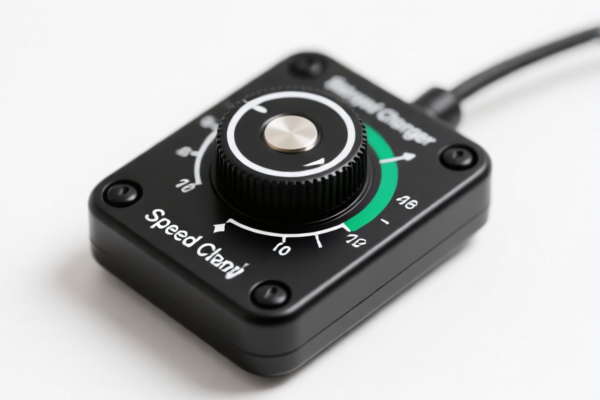
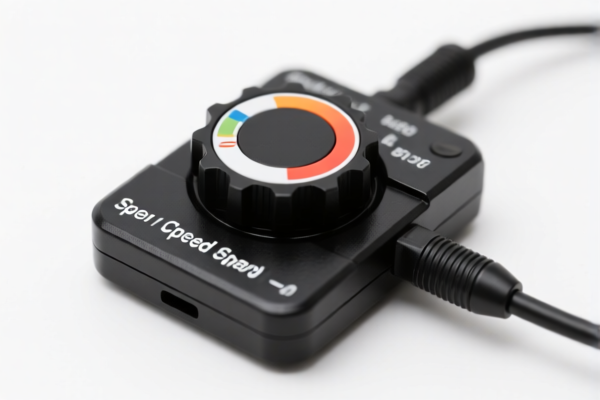
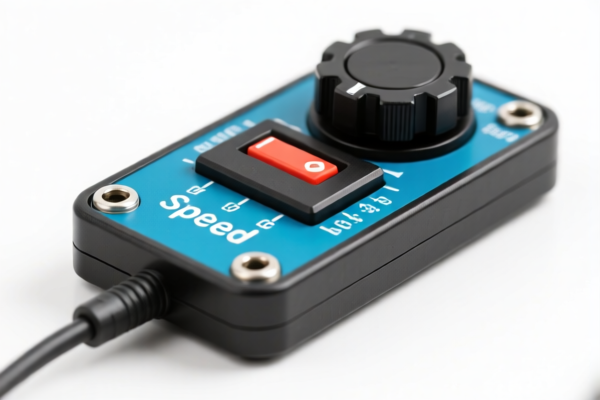
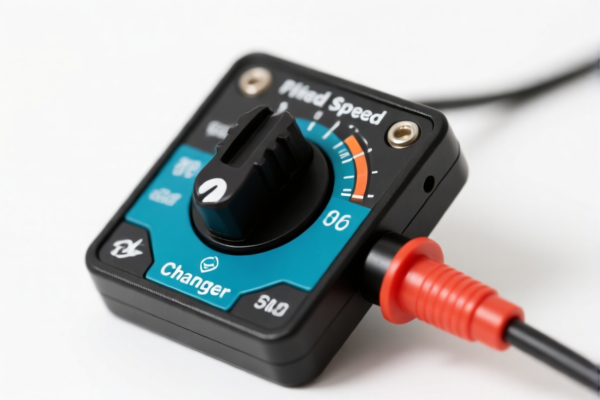
AI Analysis
🚀 Motor Speed Measurement Module (Tachometer/Sensor Module)
🌐 HS Code Reference & Customs Clearance Guide | 2026 Latest Tariff Analysis | Professional Clearance Strategy
📌 I. Product Definition & Classification: Do You Really Understand "Speed Measurement Modules"?
The Motor Speed Measurement Module is a critical component in industrial automation, automotive diagnostics, and smart manufacturing. It functions as a sensor or electronic unit designed to detect, measure, and transmit rotational speed (RPM) or linear speed data.
In international trade, its classification depends heavily on its primary function and physical form: * Dedicated Speedometer/Tachometer Modules: Electronic circuits specifically designed to display or output speed data (e.g., dashboard units, industrial controllers). * Sensor/Measurement Instruments: Standalone devices that measure speed and transmit data to a larger system (e.g., proximity sensors, encoder interfaces). * Generic Measurement Modules: Electronic components used in broader testing equipment or R&D setups.
⚠️ Key Distinction Point:
- If the device is primarily a sensor that feeds data into a larger machine → Consider Chapter 90 (Instruments) or Chapter 85 (Electrical Machinery).
- If the device is a standalone instrument for measuring speed/rotation → Consider Chapter 90 (Specific Measuring Instruments).
- If it is a generic electronic module without a specific measuring function defined in Chapter 90 → Consider Chapter 85 (General Electrical).
📦 II. HS Code Classification Details (2026 Latest Tariff Authoritative Comparison)
Based on the provided data, here are the five most relevant HS Codes for "Motor Speed Measurement Modules," ranked by relevance and tax implications.
| HS Code | Product Description | Functional Fit | Material/Context |
|---|---|---|---|
9031.80.80.85 |
Other Measuring/Checking Instruments (Generic/Bottom-Up) | High fit for "Measurement Module." Classified under "Others" due to lack of specific function in other headings. Inferred as electronic/semiconductor. | Electronic/Semiconductor |
9031.20.00.00 |
Measuring/Checking Instruments (Test Benches/Tables) | High fit if the module is part of a test bench or testing system. No material conflict. | No Material Conflict |
9029.20.40.80 |
Speedometers & Tachometers (Electronic) | High fit if the module is a speedometer/tachometer itself. Electronic module, no material conflict. | Electronic Module |
9029.90.80.40 |
Speedometers & Tachometers Parts/Accessories | High fit if the module is a component/accessory for a larger speedometer system. No material conflict. | No Material Conflict |
8543.70.98.60 |
Other Electrical Machines/Devices (Motor-Related) | Moderate fit. Classified as "Motor-Related Measuring Device." Inferred as electronic/circuit material. | Electronic/Circuit |
🔍 Key Insight:
-9031.80.80.85is the safest "bottom-up" classification for generic electronic measurement modules not specifically categorized elsewhere.
-9029.20.40.80and9029.90.80.40are more specific to speed measurement functions but carry higher tariffs due to "122 Clause" restrictions.
-8543.70.98.60is a broader electrical machinery category, often used when the device is seen as part of a motor control system rather than a precision instrument.
💰 III. 2026 Latest Tariff Rate Breakdown (Including Additional Taxes & Policy Surcharges)
✅ Applicable Country: United States (US)
✅ Origin: China (CN)
✅ Effective Date: From November 10, 2025 (and subsequent imports)
🎯 1. 9031.80.80.85 —— Generic Measuring/Checking Instrument Module
| Item | Content |
|---|---|
| Base Tariff | 0.0% |
| USITC Additional Tariff | 0.0% |
| Section 122 Tariff | 10% (Applied to Chinese products) |
| Total Tariff | 10% |
| Tax Calculation | CIF Value × 10% |
| De Minimis Eligibility | ❌ No (Apply standard duties) |
| Legal Basis Path | 122 Clause: 10% → USITC:9031.80.80.85 |
📌 Explanation:
- This is the lowest tax option among the five candidates.
- The "122 Clause" imposes a 10% tariff on specific Chinese-made measuring instruments.
- Recommendation: If the module can be reasonably classified as a generic measuring instrument (not a specific tachometer), this is the most cost-effective choice.
🎯 2. 9031.20.00.00 —— Measuring/Checking Instruments (Test Bench)
| Item | Content |
|---|---|
| Base Tariff | 1.7% |
| USITC Additional Tariff | 25.0% (Section 301 Tariff) |
| Section 122 Tariff | 10% |
| Total Tariff | 36.7% |
| Tax Calculation | CIF Value × 36.7% |
| De Minimis Eligibility | ❌ No |
| Legal Basis Path | USITC:9031.20.00.00 → FOOTNOTE:301 → 122 Clause: 10% |
📌 Explanation:
- If the module is explicitly part of a test bench or testing table, this classification applies.
- The 25% Section 301 tariff significantly increases the cost.
- Warning: Only use this if the product is undeniably part of a test system. Misclassification can lead to severe penalties.
🎯 3. 9029.90.80.40 —— Speedometer/Tachometer Parts/Accessories
| Item | Content |
|---|---|
| Base Tariff | 0.0% |
| USITC Additional Tariff | 25.0% (Section 301 Tariff) |
| Section 122 Tariff | 10% |
| Total Tariff | 35.0% |
| Tax Calculation | CIF Value × 35.0% |
| De Minimis Eligibility | ❌ No |
| Legal Basis Path | USITC:9029.90.80.40 → FOOTNOTE:301 → 122 Clause: 10% |
📌 Explanation:
- This code is for parts or accessories of speedometers/tachometers.
- If your module is a sensor that attaches to a larger speed-reading device, this may apply.
- The 25% tariff makes this expensive compared to9031.80.80.85.
🎯 4. 9029.20.40.80 —— Speedometers & Tachometers (Electronic)
| Item | Content |
|---|---|
| Base Tariff | 0.0% |
| USITC Additional Tariff | 25.0% (Section 301 Tariff) |
| Section 122 Tariff | 10% |
| Total Tariff | 35.0% |
| Tax Calculation | CIF Value × 35.0% |
| De Minimis Eligibility | ❌ No |
| Legal Basis Path | USITC:9029.20.40.80 → FOOTNOTE:301 → 122 Clause: 10% |
📌 Explanation:
- This code is for the complete electronic speedometer/tachometer unit.
- If your module is a standalone device that displays or outputs speed data directly, this is the correct functional classification.
- However, the 35% total tariff is high. Consider if9031.80.80.85is a viable alternative based on product description.
🎯 5. 8543.70.98.60 —— Other Electrical Machines/Devices (Motor-Related)
| Item | Content |
|---|---|
| Base Tariff | 2.6% |
| USITC Additional Tariff | 25.0% (Section 301 Tariff) |
| Section 122 Tariff | 10% |
| Total Tariff | 37.6% |
| Tax Calculation | CIF Value × 37.6% |
| De Minimis Eligibility | ❌ No |
| Legal Basis Path | USITC:8543.70.98.60 → FOOTNOTE:301 → 122 Clause: 10% |
📌 Explanation:
- This is a "catch-all" for electrical devices not elsewhere specified.
- If the module is seen as part of a motor control system rather than a measuring instrument, this may apply.
- Highest tariff among the options (37.6%). Avoid unless other classifications are clearly incorrect.
🛠️ IV. Customs Clearance Practical Advice (Battle-Tested Pitfall Avoidance Guide)
✅ 1. Document Preparation Checklist (Must-Haves)
| Document | Required? | Notes |
|---|---|---|
| ✅ Product Specification Sheet | ✔️ | Must clearly state: Function (Speed Measurement), Output Type (Analog/Digital), Input/Output Interfaces. |
| ✅ Circuit Diagram/Structure Photo | ✔️ | Proves whether it is a "module" (generic) or a "complete instrument." |
| ✅ Product Photos (Clear) | ✔️ | Show label, model number, and connectors. |
| ✅ Commercial Invoice | ✔️ | Description must match HS Code intent (e.g., "Electronic Speed Sensor Module" vs. "Motor Control Unit"). |
| ✅ Bill of Lading/Packing List | ✔️ | Ensure weight and quantity match invoice. |
| ✅ Origin Certificate | ✔️ | Required for Section 122 tariff application (if applicable). |
✅ 2. Declaration Strategy (Critical Mantra)
🔥 “Function First, Form Second, Avoid 'Tachometer' if Possible!”
| Scenario | Correct Declaration | Wrong Declaration | Consequence |
|---|---|---|---|
| Generic Sensor/Module | 9031.80.80.85 |
"Speedometer" | Tax Jump from 10% to 35% |
| Part of a Test System | 9031.20.00.00 |
"Electronic Module" | Tax 36.7% vs 10% (if misclassified as generic) |
| Standalone Tachometer | 9029.20.40.80 |
"Sensor Module" | Audit Risk (海关 may reclassify) |
| Motor Control Component | 8543.70.98.60 |
"Measuring Instrument" | Tax 37.6% (Higher than necessary if it's not a measurement device) |
✅ 3. Special Case Handling
| Situation | Handling Advice |
|---|---|
| OEM Custom Module | Provide customer PO and technical drawing. If it’s a generic sensor, argue for 9031.80.80.85. |
| Module with Display | If it has a screen and displays speed, it’s likely 9029.20.40.80. High tax risk. |
| Module for EV Batteries | If it measures motor speed in an EV, it’s still a measuring instrument. Consider 9031.80.80.85 if generic enough. |
| R&D Sample | If for testing only, ensure it’s declared as a "Test Instrument" (9031.20.00.00) if part of a test bench, or generic if standalone. |
🌍 V. Global Market Clearance Comparison (2026 Latest)
| Country/Region | Recommended HS Code | Tariff Rate (China Origin) | Certification Requirement | Notes |
|---|---|---|---|---|
| 🇺🇸 USA | 9031.80.80.85 |
10% (122 Clause) | FCC, RoHS | Best option if functional fit allows. |
| 🇺🇸 USA | 9029.20.40.80 |
35% (301 + 122) | FCC, RoHS | High tax for tachometers. |
| 🇨🇳 China | 9031.80.80.85 |
~0-5% | CCC (if applicable) | Lower tariffs, no 301/122. |
| 🇪🇺 EU | 9031.80.90 |
0% | CE, RoHS | No major surcharges. |
| 🇯🇵 Japan | 9031.80.90 |
0% | PSE | No surcharges. |
📌 Conclusion:
- USA is the most challenging market due to Section 301 (25%) and Section 122 (10%) tariffs.
-9031.80.80.85is the optimal HS Code for cost-saving, provided the product can be described as a generic measuring module rather than a specific tachometer.
📌 VI. Common Errors & Pitfall Guide (Lessons Learned)
❌ Error 1: Declaring a generic sensor as a "Speedometer" (9029.20.40.80)
👉 Consequence: Tax jumps from 10% to 35%.
👉 Fix: Use "Electronic Speed Sensor Module" and classify under 9031.80.80.85.
❌ Error 2: Declaring a test bench component as a "Generic Module"
👉 Consequence: Customs may reject the declaration or impose penalties for misclassification.
👉 Fix: If part of a test system, declare as 9031.20.00.00 (36.7% tax) or ensure it’s not strictly part of a test bench.
❌ Error 3: Ignoring Section 122 Tariff
👉 Consequence: Unexpected 10% charge on all Chapter 90 goods from China.
👉 Fix: Always factor in 122 Clause for Chapter 90 products from China.
❌ Error 4: Using "Motor Controller" instead of "Speed Measurement Module"
👉 Consequence: Misclassification to 8543.70.98.60 (37.6% tax) if it’s actually a measuring device.
👉 Fix: Clearly state "Measurement" or "Sensor" in the description.
✅ Correct Practice:
"Electronic Motor Speed Sensor Module, Digital Output, No Display, Model XYZ, FCC Certified"
→ HS Code:9031.80.80.85
🎯 VII. Conclusion: Professional Declaration, Time & Cost Savings!
🎯 Remember the Mantra:
🔹 "Generic Module = 10% (Best Case)"
🔹 "Tachometer = 35% (High Cost)"
🔹 "Test Bench = 36.7% (Special Case)"
🔹 "Motor Device = 37.6% (Avoid If Possible)"
📌 Pro Tip:
If your product is a sensor that does not have a display or standalone interface, strongly argue for 9031.80.80.85. This can save you 25-27% in tariffs compared to other classifications.
📣 Immediate Action:
📞 Contact a professional customs broker + Provide product specs + Apply for Advance Ruling if possible.
🚀 Ensure your declaration matches the functional reality to avoid audits and penalties.
✨ Professional clearance starts with precise classification!
💼 Every percentage point of tax matters. Optimize your HS Code today!
Customer Reviews
About HS Code Classification
The Harmonized System (HS) is an internationally standardized nomenclature developed by the World Customs Organization (WCO) to classify traded products. Over 200 countries use the HS system as the basis for customs tariffs, trade statistics, and import/export regulations.
Each HS code follows a hierarchical structure:
- Chapter (2 digits) — Broad category of goods (e.g., Chapter 84: Machinery and Mechanical Appliances)
- Heading (4 digits) — More specific grouping within the chapter
- Subheading (6 digits) — Internationally standardized breakdown, used by all WCO member countries
- National subdivisions (8-10 digits) — Country-specific extensions for further classification, such as US HTSUS 10-digit codes
Correct HS code classification is essential for smooth customs clearance, accurate duty payment, and compliance with trade regulations. Misclassification can lead to customs delays, overpayment of duties, or penalties.
When importing from CN to US, the applicable tariff rates may include:
- Most-Favored-Nation (MFN) rate — The standard duty rate applied to WTO members
- General rate — Applied to countries without trade agreements
- Trade remedy duties — Additional tariffs such as Section 301 (anti-dumping), Section 232 (national security), or countervailing duties
The information provided on this page is for reference purposes only. For official classification, please consult with your local customs authority or a licensed customs broker.