Motor and Generator Parts
CN → US| HS Code | Tariff Rate | Origin | Destination | Doc |
|---|---|---|---|---|
| 8503009520 | 88.0% | CN | US | Official Doc |
| 8483908080 | 37.8% | CN | US | Official Doc |
| 8483903000 | 39.5% | CN | US | Official Doc |
| 8503007500 | 41.5% | CN | US | Official Doc |
| 8538908180 | 38.5% | CN | US | Official Doc |
Product Images
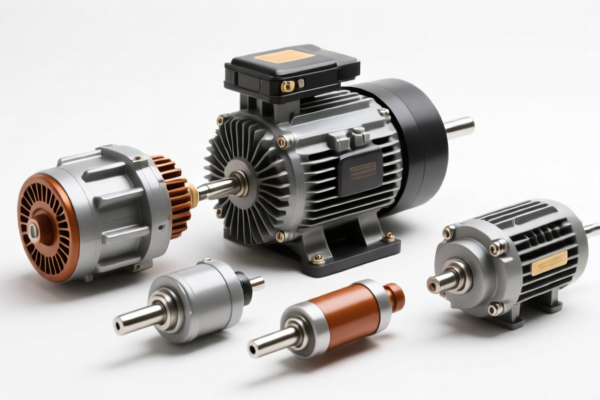
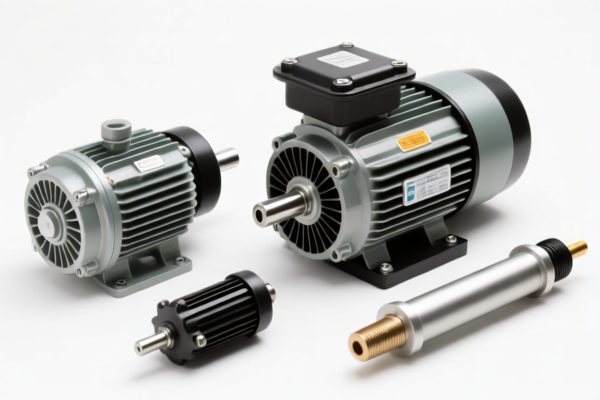
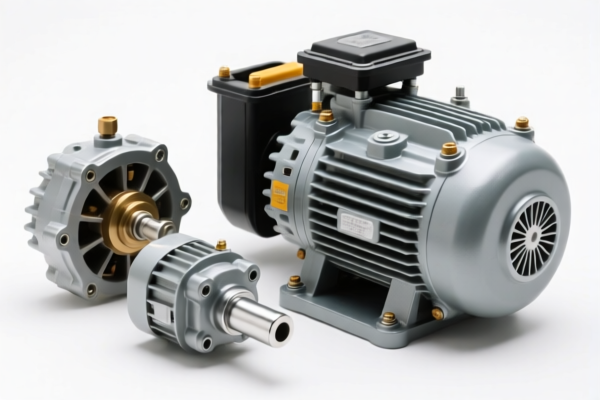
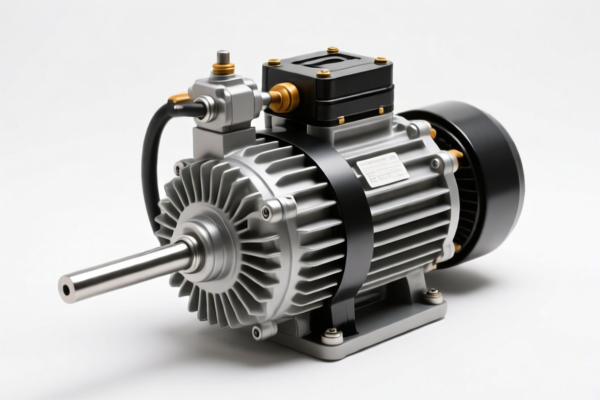
AI Analysis
⚙️ Motor and Generator Parts (电动机与发电机零件)
🌐 HS Code Reference & Customs Clearance Guide | 2026 Latest Tariff Analysis | Strategic Clearance Strategies
📌 I. Product Definition & Classification: Do You Really Understand "Motor Parts"?
Motor and Generator Parts are critical components for industrial machinery, automotive systems, and power generation equipment. In international trade, they are broadly categorized into dedicated motor parts and general-purpose mechanical components. Misclassification often leads to significant tariff discrepancies due to the varying "Section XX" (Electrical Machinery) and "Section XVI" (Machinery) rules.
⚠️ Key Distinction Point:
- If the part is specifically designed for electrical motors/generators (e.g., rotors, stators, end shields) → Often falls under Chapter 85.
- If the part is a general mechanical component (e.g., shafts, couplings, bearings) used in transmission systems → Often falls under Chapter 84.
- Crucial Rule: Specificity wins. A part unique to a motor goes to Ch 85; a generic mechanical part goes to Ch 84.
📦 II. HS Code Classification Details (2026 Latest Tariff Authority对照)
Based on the provided data, the following HS Codes are relevant for Motor and Generator Parts, categorized by their specific nature and tax implications.
| HS Code | Product Description | Application Scenario | Tax Rate (Total) | Key Tariff Components |
|---|---|---|---|---|
8503.00.95.20 |
Accessories for Electric Motors | Specifically categorized as accessories/parts for electric motors. | 88.0% | Base 3.0% + Sec 301 25.0% + 122 Section 50% (Steel/Al/Cu) |
8483.90.30.00 |
Parts of Transmission Shafts/Gears | Parts consistent with transmission element components. | 39.5% | Base 4.5% + Sec 301 25.0% + 122 Section 10% |
8483.90.80.80 |
Other Transmission Parts (Catch-all) | General parts/components category for other machinery. | 37.8% | Base 2.8% + Sec 301 25.0% + 122 Section 10% |
8503.00.75.00 |
Parts of Electric Motors | Parts/components category fitting the "motor part" description. | 41.5% | Base 6.5% + Sec 301 25.0% + 122 Section 10% |
8538.90.81.80 |
Parts of Electric Apparatus | Parts/components fitting the "apparatus part" attribute. | 38.5% | Base 3.5% + Sec 301 25.0% + 122 Section 10% |
🔍 Important Note:
-8503.00.95.20carries the highest risk due to the 50% Section 122 tariff on Steel, Aluminum, and Copper products. If your motor parts are made of these materials, expect a massive 88% total tax.
-8483.90.80.80is a "catch-all" for transmission parts. Ensure the part is not more specifically described elsewhere (like8503).
-8503.00.75.00is the standard "Part of Electric Motor" code but has a higher base rate (6.5%) compared to other Ch 85 parts.
💰 III. 2026 Latest Tariff Rate Detailed Breakdown (Including Surcharges & Policy Add-ons)
✅ Applicable Country: USA (US)
✅ Origin: China (CN)
✅ Effective Time: Post-November 2025 (Including subsequent imports)
🎯 1. 8503.00.95.20 —— Electric Motor Accessories (High Risk)
| Item | Content |
|---|---|
| Base Duty Rate | 3.0% (ad valorem) |
| Section 301 Surcharge | +25.0% |
| Section 122 Surcharge | +50.0% (Applicable to Steel, Aluminum, Copper Products) |
| Total Tax Rate | 88.0% |
| Tax Calculation | CIF Value × 88.0% |
| De Minimis Exemption | ❌ Not Eligible (High risk of detention/penalty) |
| Legal Basis Path | USITC:8503.00.95.20 → Section 122: Steel/Al/Cu → Section 301: 25% |
📌 Explanation:
- This code attracts the maximum penalty due to the 50% Section 122 tariff on metal components.
- Action Required: If your parts are steel/aluminum/copper, consider if a different HS code (like8483if structurally similar) is more appropriate to avoid the 50% surcharge.
🎯 2. 8503.00.75.00 —— Parts of Electric Motors (Standard Ch 85 Part)
| Item | Content |
|---|---|
| Base Duty Rate | 6.5% (ad valorem) |
| Section 301 Surcharge | +25.0% |
| Section 122 Surcharge | +10.0% (122 Clause Tariff) |
| Total Tax Rate | 41.5% |
| Tax Calculation | CIF Value × 41.5% |
| De Minimis Exemption | ❌ Not Eligible |
| Legal Basis Path | USITC:8503.00.75.00 → Section 301: 25% → Section 122: 10% |
📌 Note:
- While still high, this is significantly lower than8503.00.95.20.
- Suitable for plastic, brass, or non-ferrous parts where Section 122 might apply at a lower rate or be excluded.
🎯 3. 8483.90.80.80 —— Other Transmission Parts (Catch-All)
| Item | Content |
|---|---|
| Base Duty Rate | 2.8% (ad valorem) |
| Section 301 Surcharge | +25.0% |
| Section 122 Surcharge | +10.0% (122 Clause Tariff) |
| Total Tax Rate | 37.8% |
| Tax Calculation | CIF Value × 37.8% |
| De Minimis Exemption | ❌ Not Eligible |
| Legal Basis Path | USITC:8483.90.80.80 → Section 301: 25% → Section 122: 10% |
📌 Note:
- Lowest Base Rate (2.8%) among the options.
- Ideal for generic mechanical parts (shafts, bushings) that are not exclusively electrical.
🎯 4. 8483.90.30.00 —— Transmission Shaft/Gear Parts
| Item | Content |
|---|---|
| Base Duty Rate | 4.5% (ad valorem) |
| Section 301 Surcharge | +25.0% |
| Section 122 Surcharge | +10.0% (122 Clause Tariff) |
| Total Tax Rate | 39.5% |
| Tax Calculation | CIF Value × 39.5% |
| De Minimis Exemption | ❌ Not Eligible |
| Legal Basis Path | USITC:8483.90.30.00 → Section 301: 25% → Section 122: 10% |
📌 Note:
- Slightly higher base rate than8483.90.80.80but more specific.
- Use if the part is clearly a transmission shaft or gear component.
🎯 5. 8538.90.81.80 —— Parts of Electric Apparatus
| Item | Content |
|---|---|
| Base Duty Rate | 3.5% (ad valorem) |
| Section 301 Surcharge | +25.0% |
| Section 122 Surcharge | +10.0% (122 Clause Tariff) |
| Total Tax Rate | 38.5% |
| Tax Calculation | CIF Value × 38.5% |
| De Minimis Exemption | ❌ Not Eligible |
| Legal Basis Path | USITC:8538.90.81.80 → Section 301: 25% → Section 122: 10% |
📌 Note:
- Suitable for parts of electrical control apparatus or boards associated with motors.
- Lower base rate than8503codes.
🛠️ IV. Customs Clearance Practical Advice (Real-World Pitfall Guide)
✅ 1. Preparation Checklist (Non-negotiable)
| Material | Required | Description |
|---|---|---|
| ✅ Product Specification Sheet | ✔️ | Material composition (Steel/Al/Cu vs. Plastic), dimensions, usage. |
| ✅ Technical Drawing | ✔️ | Show if the part is electrical (winding/insulation) or mechanical (shaft/bearing). |
| ✅ Product Photos | ✔️ | Clear images of nameplate, material labels, and overall structure. |
| ✅ Third-Party Test Report | ✔️ | If claiming non-metallic material to avoid Section 122, provide material certs. |
| ✅ Commercial Invoice | ✔️ | Clearly state "Part for Electric Motor" or "Transmission Shaft Part". |
| ✅ Bill of Lading | ✔️ | Ensure HS Code matches invoice. |
✅ 2. Declaration Tips (Critical Keywords)
🔥 "Material Matters, Specificity Wins, Avoid Section 122 Trap!"
| Situation | Correct Declaration | Wrong Practice |
|---|---|---|
| Motor Rotor/Stator (Steel/Copper) | 8503.00.95.20 (Expect 88%) |
Misdeclare as 8483 to save tax → Audit Risk |
| Generic Shaft/Bushing | 8483.90.80.80 (37.8%) |
Declare as 8503 part → Higher Tax |
| Motor End Bell (Plastic) | 8503.00.75.00 or 8538.90.81.80 |
Use 8503.00.95.20 (Avoids 50% surcharge if not steel/alu) |
| Transmission Gear | 8483.90.30.00 |
General "Part" declaration → Uncertain Classification |
✅ 3. Special Case Handling
| Situation | Handling Advice |
|---|---|
| Mixed Material Parts (e.g., Steel Core + Plastic Cover) | Declare based on essential character. If steel core defines the part, 8503.00.95.20 may apply. Consider if the plastic part can be separated or classified differently. |
| OEM Custom Parts | Provide customer design drawings to prove specific use. If the part is only usable in a specific motor, 8503 is likely. |
| Used/Refurbished Parts | Must disclose "Used" status. Some HS codes have restrictions on used goods. |
| Section 122 Material Claim | If claiming exemption from 50% surcharge, provide material composition certificates proving non-steel/non-aluminum/non-copper content. |
🌍 V. Global Market Customs Comparison (2026 Latest)
| Country/Region | Recommended HS Code | Tariff Rate | Certification Requirements | Remarks |
|---|---|---|---|---|
| 🇺🇸 USA | 8503.00.95.20 / 8483.90.80.80 |
37.8% - 88.0% | None (General) | High Tariff Risk due to Section 301 & 122. |
| 🇨🇳 China | 8503.00.95.20 / 8483.90.80.80 |
0% - 6.5% | CCC (if applicable) | No Section 301/122 surcharges. |
| 🇪🇺 EU | 8503.00.95.20 / 8483.90.80.80 |
0% - 4.5% | CE (if electrical) | No Section 301/122. |
| 🇯🇵 Japan | 8503.00.95.20 / 8483.90.80.80 |
0% - 3.0% | PSE (if electrical) | No Section 301/122. |
📌 Conclusion:
- USA is the only market with punitive additional tariffs (Section 301 & 122).
- China-produced motor parts entering the US face up to 88% tax if classified under8503.00.95.20with metallic materials.
- Strategy: Optimize HS Code selection based on material composition and specific function to minimize tariff exposure.
📌 VI. Common Errors & Pitfall Guide (Lessons Learned)
❌ Error 1: Declaring a Steel Rotor as 8483.90.80.80 to avoid the 50% Section 122 surcharge.
👉 Consequence: Customs audit → Re-classification → Back taxes + Penalties.
❌ Error 2: Declaring a Plastic Motor Housing as 8503.00.95.20.
👉 Consequence: Unjustified 50% surcharge on non-metallic parts → Overpayment.
❌ Error 3: Failing to provide Material Certificates for Section 122 exemptions.
👉 Consequence: Customs assumes all parts are steel/alu/copper → Apply 50% surcharge by default.
❌ Error 4: Using "Motor Part" as a generic description without specifying Electrical vs. Mechanical.
👉 Consequence: Customs classification delay → Port storage fees.
✅ Correct Practice:
"Electric Motor Stator, Steel Core, Copper Winding, Plastic Insulation, Model XYZ"
OR
"Transmission Shaft, Steel, Plain Bore, No Keyway"
🎯 VII. Conclusion: Professional Declaration, Cost Savings!
🎯 Remember the Motto:
🔹 "Metal Parts? Watch Out for 50% Section 122!"
🔹 "Specificity is Key: Ch 85 for Electrical, Ch 84 for Mechanical."
🔹 "88% vs 37%: A 51% Difference Depends on Your HS Code Choice!"
📌 Pro Tip:
If your parts are Steel/Aluminum/Copper, consult a customs broker BEFORE shipment to confirm if
8503.00.95.20is truly the best code, or if a functional alternative like8538.90.81.80(38.5%) is more appropriate.
Consider Advance Rulings for complex mixed-material parts.
📣 Immediate Action:
📞 Contact your customs broker with Material Composition Reports
📝 Review HS Code selection against Section 122 triggers
🚀 Ensure smooth clearance, control costs, and maximize profit!
✨ Professional Customs Clearance Starts with Precise Classification!
💼 Every Dollar Saved is a Dollar Earned!
Customer Reviews
About HS Code Classification
The Harmonized System (HS) is an internationally standardized nomenclature developed by the World Customs Organization (WCO) to classify traded products. Over 200 countries use the HS system as the basis for customs tariffs, trade statistics, and import/export regulations.
Each HS code follows a hierarchical structure:
- Chapter (2 digits) — Broad category of goods (e.g., Chapter 84: Machinery and Mechanical Appliances)
- Heading (4 digits) — More specific grouping within the chapter
- Subheading (6 digits) — Internationally standardized breakdown, used by all WCO member countries
- National subdivisions (8-10 digits) — Country-specific extensions for further classification, such as US HTSUS 10-digit codes
Correct HS code classification is essential for smooth customs clearance, accurate duty payment, and compliance with trade regulations. Misclassification can lead to customs delays, overpayment of duties, or penalties.
When importing from CN to US, the applicable tariff rates may include:
- Most-Favored-Nation (MFN) rate — The standard duty rate applied to WTO members
- General rate — Applied to countries without trade agreements
- Trade remedy duties — Additional tariffs such as Section 301 (anti-dumping), Section 232 (national security), or countervailing duties
The information provided on this page is for reference purposes only. For official classification, please consult with your local customs authority or a licensed customs broker.