Motorcycle Cover
CN → US| HS Code | Tariff Rate | Origin | Destination | Doc |
|---|---|---|---|---|
| 4016990500 | 20.9% | CN | US | Official Doc |
| 6307909887 | 24.5% | CN | US | Official Doc |
| 4016996050 | 37.5% | CN | US | Official Doc |
| 6307909891 | 24.5% | CN | US | Official Doc |
| 3926909989 | 22.8% | CN | US | Official Doc |
Product Images

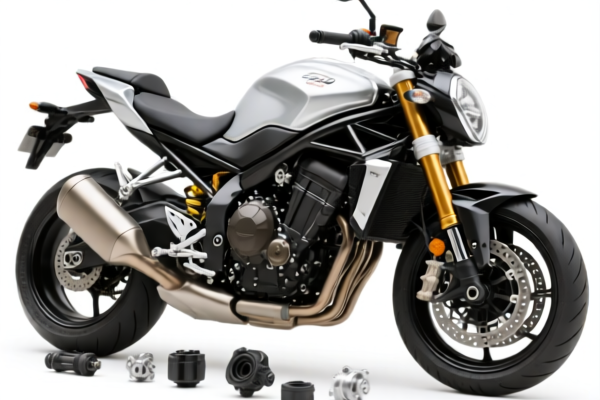
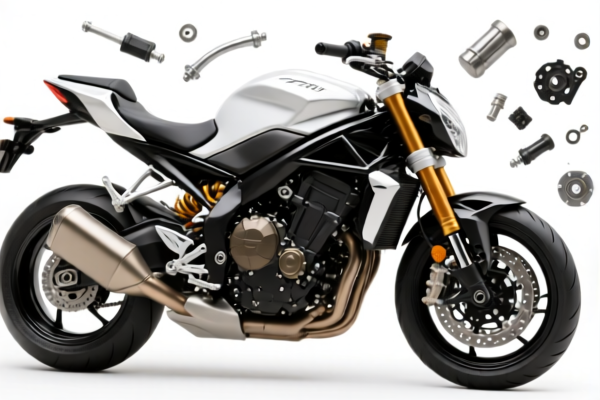
AI Analysis
🛵 Motorcycle Cover: The Ultimate Protection for Your Ride
Global Trade Guide | HS Code Classification & Strategic Import Strategy 2026
🌐 HS Code Reference & Clearing Guide | 2026 Duty Rate Breakdown | Professional Customs Strategy
Welcome to the definitive guide on importing Motorcycle Covers!
Whether you're a global e-commerce seller, a logistics provider, or a wholesale importer, understanding the correct HS Code classification and duty structure is critical to avoiding costly errors, delays, or unexpected tax spikes.
In this guide, we’ll walk you through:
✅ Why your motorcycle cover falls under specific HS codes
✅ A deep dive into the 2026 tax landscape (including base, 122-section, and additional tariffs)
✅ Real-world clearing tips to accelerate your customs clearance
✅ What to watch out for in classification errors
📦 I. Product Definition: What Exactly Is a "Motorcycle Cover"?
A Motorcycle Cover is a protective textile or synthetic cover designed to shield motorcycles from:
- Rain, snow, and UV exposure
- Dust, dirt, and bird droppings
- Vandalism and scratches during storage
These covers are typically made from materials like:
- Sulfurized rubber or weather-resistant synthetic compounds (for premium, waterproof models)
- Polyester, Oxford cloth, or other synthetic fibers (for standard, breathable covers)
- PVC blends (for heavy-duty, all-weather protection)
They are not considered "motorcycle parts" in the mechanical sense but rather textile or plastic accessories used for daily household or professional maintenance.
🧭 II. HS Code Classification Breakdown (2026 Official Customs Data)
Below is the official HS Code breakdown for motorcycle covers based on material composition and use case. These codes are exclusive to the data provided and must be used for accurate classification and tax calculation.
| HS Code | Material Composition | Product Summary | Use Case | Total Duty Rate | Tax Details |
|---|---|---|---|---|---|
| 4016.99.05.00 | Sulfurized rubber or weather-resistant synthetic | Domestic/General Protection Cover | Home storage, light use | 20.9% | Base: 3.4% Additional: 7.5% Section 122: 10% |
| 6307.90.98.87 | Synthetic fibers (e.g., Polyester, Oxford Cloth) | Other Textile Finished Goods | Standard outdoor use | 24.5% | Base: 7.0% Additional: 7.5% Section 122: 10% |
| 4016.99.60.50 | PVC or Sulfurized Rubber | Heavy-Duty Rubber Product | All-weather, premium protection | 37.5% | Base: 2.5% Additional: 25.0% Section 122: 10% |
| 6307.90.98.91 | Fabric or Synthetic Fiber | Other Textile Finished Goods | General cover, breathable | 24.5% | Base: 7.0% Additional: 7.5% Section 122: 10% |
| 3926.90.99.89 | Plastic or Synthetic Fiber | Other Plastic Products (Unclassified) | Hybrid plastic-textile covers | 22.8% | Base: 5.3% Additional: 7.5% Section 122: 10% |
🔍 Key Insight:
- Rubber-based covers fall under 4016, with higher additional tariffs (up to 25%) for PVC/rubber blends.
- Textile-based covers fall under 6307, with moderate additional tariffs (7.5%).
- Plastic-blend covers fall under 3926, with the lowest additional tariff but still a 10% Section 122 duty.
💰 III. 2026 Duty Structure Deep Dive (US Import from China)
✅ Origin: China (CN)
✅ Destination: United States (US)
✅ Effective Date: 2025–2026 (Current & Future Imports)
🎯 1. 4016.99.05.00 – Rubber-Based Motorcycle Cover (Home/Daily Use)
| Item | Value |
|---|---|
| Base Tariff | 3.4% |
| Section 301 Additional | 7.5% |
| Section 122 Tariff | 10% |
| Total Duty Rate | 20.9% |
| De Minimis Exemption | ❌ Not Eligible |
| Legal Basis | 122: 4016.99.05.00 + Section 301: Additional 7.5% |
⚠️ Note: Even if the cover is made of "weather-resistant rubber," it is not exempt from Section 301 or 122 tariffs.
🎯 2. 6307.90.98.87 & 6307.90.98.91 – Textile-Based Motorcycle Covers
| Item | Value |
|---|---|
| Base Tariff | 7.0% |
| Section 301 Additional | 7.5% |
| Section 122 Tariff | 10% |
| Total Duty Rate | 24.5% |
| De Minimis Exemption | ❌ Not Eligible |
| Legal Basis | 122: 6307.90.98.87/91 + Section 301: Additional 7.5% |
⚠️ Note: Even if the cover is "breathable" or "lightweight," it still incurs full Section 301 and 122 tariffs.
🎯 3. 4016.99.60.50 – PVC or Heavy-Duty Rubber Cover
| Item | Value |
|---|---|
| Base Tariff | 2.5% |
| Section 301 Additional | 25.0% |
| Section 122 Tariff | 10% |
| Total Duty Rate | 37.5% |
| De Minimis Exemption | ❌ Not Eligible |
| Legal Basis | 122: 4016.99.60.50 + Section 301: Additional 25.0% |
⚠️ Critical Alert: This is the highest tariff category due to the 25% Section 301 additional duty on rubber/PVC products. Avoid this HS Code unless necessary.
🎯 4. 3926.90.99.89 – Plastic/Synthetic Fiber Hybrid Cover
| Item | Value |
|---|---|
| Base Tariff | 5.3% |
| Section 301 Additional | 7.5% |
| Section 122 Tariff | 10% |
| Total Duty Rate | 22.8% |
| De Minimis Exemption | ❌ Not Eligible |
| Legal Basis | 122: 3926.90.99.89 + Section 301: Additional 7.5% |
⚠️ Note: This code is a "catch-all" for plastic products not classified elsewhere. Ensure your product is not better suited for 6307 or 4016.
🛠️ IV. Practical Customs Clearance Strategy (2026 Tips)
✅ 1. Documentation Checklist (Mandatory)
| Document | Required | Purpose |
|---|---|---|
| ✅ Commercial Invoice | ✔️ | Clearly state "Motorcycle Cover" + HS Code |
| ✅ Packing List | ✔️ | Show quantity, weight, packaging type |
| ✅ Material Composition Certificate | ✔️ | Prove material (rubber, polyester, PVC, etc.) |
| ✅ Product Photos | ✔️ | Show cover structure, material texture |
| ✅ Supplier Declaration | ✔️ | Confirm no prohibited materials (e.g., asbestos) |
| ✅ Origin Certificate (CO) | ✔️ | If applicable, may reduce base tariff |
📌 Tip: Use "Motorcycle Protective Cover" in the invoice, not "Cover for Motorcycle" — small wording differences can trigger audits.
✅ 2. Classification Tips (Avoid Misclassification)
| Mistake | Consequence | Correct Fix |
|---|---|---|
❌ Classifying rubber cover as textile (6307) |
Overpay duty, audit risk | Use 4016.99.05.00 or 4016.99.60.50 |
❌ Classifying textile cover as plastic (3926) |
Higher duty, delay | Use 6307.90.98.87 or 6307.90.98.91 |
| ❌ Not declaring "Section 122" compliance | 10% penalty + shipment hold | Always include 122 tariff in cost calculation |
🔥 Golden Rule:
"Material First, Function Second" — Classify based on primary material, not use case.
✅ 3. Cost-Saving Strategies
| Strategy | Action | Expected Savings |
|---|---|---|
| ✅ Use Polyester/Oxford Cloth | Avoid rubber/PVC | Save 10–15% in duty |
| ✅ Bundle with non-tariffed accessories | e.g., storage bags | Reduce per-unit cost |
| ✅ Apply for Section 122 Exemption (if eligible) | Special use (e.g., medical, military) | Save 10% |
| ✅ Use Third-Country Manufacturing (e.g., Vietnam, Thailand) | Avoid Section 301 | Save 7.5–25% |
⚠️ Warning: Do not attempt to mislabel a rubber cover as textile — Customs will seize shipment and impose fines.
🌍 V. Global Market Comparison (2026)
| Country | Recommended HS Code | Duty Rate (China Origin) | Notes |
|---|---|---|---|
| 🇺🇸 USA | 6307.90.98.87 / 4016.99.05.00 |
20.9% – 37.5% | High Section 301 + 122 tariffs |
| 🇪🇺 EU | 6307.90.98.87 |
~0–5% (if CE certified) | No Section 301, lower base |
| 🇯🇵 Japan | 6307.90.98.87 |
~0–3% | Low base tariff, no Section 122 |
| 🇦🇺 Australia | 6307.90.98.87 |
~0–4% | Similar to EU |
| 🇨🇦 Canada | 6307.90.98.87 |
~0–6% | CUSMA may reduce duty |
📌 Conclusion:
USA is the most expensive market for importing motorcycle covers due to Section 301 and 122 tariffs.
EU, Japan, Australia offer better duty rates and fewer restrictions.
🚨 VI. Common Mistakes & How to Avoid Them
❌ Mistake 1: Using "Universal Cover" instead of "Motorcycle Cover"
👉 Fix: Be specific — "Motorcycle Protective Cover, Polyester, 200cm x 100cm"
❌ Mistake 2: Classifying rubber cover as textile
👉 Fix: Use 4016 for rubber, 6307 for fabric
❌ Mistake 3: Ignoring Section 122 tariff
👉 Fix: Always add 10% to your cost calculation
❌ Mistake 4: Failing to declare material composition
👉 Fix: Provide Material Certificate to avoid audits
✅ Pro Tip:
Pre-clearance with Customs for new product lines to avoid surprises.
📌 VII. Final Checklist for Successful Import
- [ ] Confirm HS Code based on material (rubber, textile, plastic)
- [ ] Calculate Total Duty (Base + 301 + 122)
- [ ] Prepare Material Certificate + Product Photos
- [ ] Use accurate naming in invoice ("Motorcycle Protective Cover")
- [ ] Consider non-US markets to reduce duty costs
- [ ] Apply for Section 122 exemption if eligible
- [ ] Use pre-clearance for high-volume shipments
🎯 Conclusion: Smart Classification = Higher Profit, Lower Risk
Your motorcycle cover may look simple, but its HS Code classification determines your profit margin, customs compliance, and supply chain success.
🔥 Key Takeaway:
"Material is King, Tariff is Queen, and Compliance is the Crown!"
📣 Next Steps:
- 📞 Consult with a customs broker for pre-classification
- 📄 Request a Material Composition Certificate from your supplier
- 🌍 Explore non-US markets for lower duty rates
✨ Master your classification, and your motorcycle cover import will be smooth, profitable, and compliant!
💼 Every dollar saved in duty is a dollar earned in profit!
Customer Reviews
About HS Code Classification
The Harmonized System (HS) is an internationally standardized nomenclature developed by the World Customs Organization (WCO) to classify traded products. Over 200 countries use the HS system as the basis for customs tariffs, trade statistics, and import/export regulations.
Each HS code follows a hierarchical structure:
- Chapter (2 digits) — Broad category of goods (e.g., Chapter 84: Machinery and Mechanical Appliances)
- Heading (4 digits) — More specific grouping within the chapter
- Subheading (6 digits) — Internationally standardized breakdown, used by all WCO member countries
- National subdivisions (8-10 digits) — Country-specific extensions for further classification, such as US HTSUS 10-digit codes
Correct HS code classification is essential for smooth customs clearance, accurate duty payment, and compliance with trade regulations. Misclassification can lead to customs delays, overpayment of duties, or penalties.
When importing from CN to US, the applicable tariff rates may include:
- Most-Favored-Nation (MFN) rate — The standard duty rate applied to WTO members
- General rate — Applied to countries without trade agreements
- Trade remedy duties — Additional tariffs such as Section 301 (anti-dumping), Section 232 (national security), or countervailing duties
The information provided on this page is for reference purposes only. For official classification, please consult with your local customs authority or a licensed customs broker.