Motorcycle Fairing
CN → US| HS Code | Tariff Rate | Origin | Destination | Doc |
|---|---|---|---|---|
| 4016990500 | 20.9% | CN | US | Official Doc |
| 6307909887 | 24.5% | CN | US | Official Doc |
| 4016996050 | 37.5% | CN | US | Official Doc |
| 6307909891 | 24.5% | CN | US | Official Doc |
| 3926909989 | 22.8% | CN | US | Official Doc |
Product Images
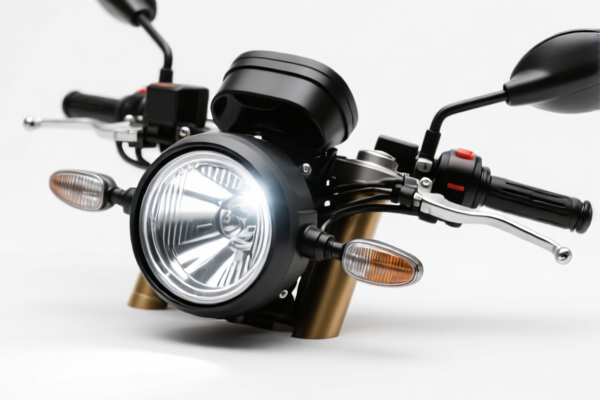
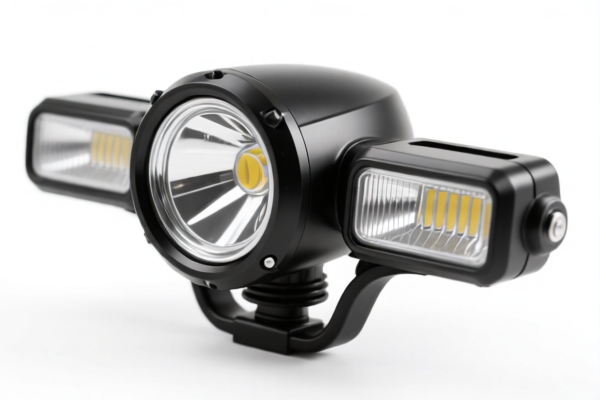
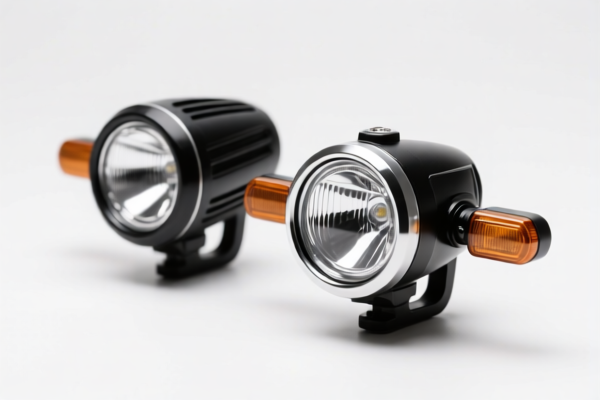
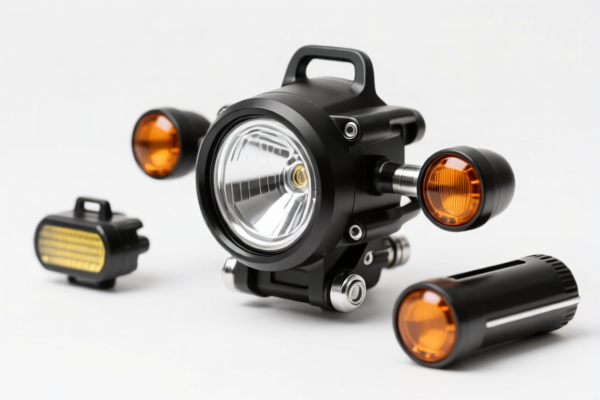
AI Analysis
🏍️ Motorcycle Fairing (Body Kits & Protective Covers)
🌐 HS Code Reference & Customs Clearance Guide | 2026 Latest Tariff Analysis | Professional Compliance Strategy
📌 I. Product Definition & Classification: What Exactly is a "Motorcycle Fairing"?
In international trade, the term "Motorcycle Fairing" is ambiguous and can refer to two entirely different categories of goods depending on material, function, and form:
- Aerodynamic Body Panels: Hard plastic components (ABS, PVC, Fiberglass) that cover the engine and frame to improve airflow. These are considered parts of vehicles.
- Protective Covers: Fabric, PVC, or rubber tarps used to cover the entire motorcycle for weather protection. These are considered general use textiles or rubber articles.
⚠️ Critical Distinction Point:
- If it is a rigid plastic shell installed on the bike → Likely Chapter 39/40 (Parts of Vehicles).
- If it is a soft fabric/rubber tarp placed over the bike → Likely Chapter 63 (Textiles/Other Made-up Articles).
- Note: The data provided suggests ambiguity in classification, leading to different HS codes based on inferred materials.
📦 II. HS Code Classification Details (2026 Latest Tariff Authority Comparison)
Based on the provided data, here are the possible HS Codes and their corresponding logic:
| HS Code | Product Description | Material Inference | Application Scenario | Duty Rate (Total) |
|---|---|---|---|---|
4016.99.05.00 |
Motorcycle Cover (Protective) | Sulfurized Rubber or Synthetic Material | Daily protective covers made of rubber/synthetic materials | 20.9% |
6307.90.98.87 |
Finished Consumer Goods (Other) | Artificial Fiber | Textile-based covers, classified under "Other Made-up Articles" | 24.5% |
4016.99.60.50 |
Other Protective Rubber Articles | PVC or Sulfurized Rubber | Rigid or semi-rigid rubber items for protection | 37.5% |
6307.90.98.91 |
Finished Consumer Goods (Other) | Cloth or Synthetic Fiber | Cloth-based covers, classified under "Other Made-up Articles" | 24.5% |
3926.90.99.89 |
Other Plastic Articles | Plastic or Synthetic Fiber | Non-specified plastic products, generic plastic fairings | 22.8% |
🔍 Key Insight:
- The same physical object (e.g., a motorcycle cover) can be classified differently based on specific material composition (Rubber vs. Fabric vs. Plastic).
- Chapter 63 (Textiles) and Chapter 40 (Rubber) generally attract higher total taxes (24.5%-37.5%) due to specific USITC add-ons, while Chapter 39 (Plastics) is slightly lower at 22.8%.
- Chapter 40 (05) is the lowest at 20.9% but is very specific to "Sulfurized Rubber/Synthetic" daily protection.
💰 III. 2026 Latest Tariff Rate Breakdown (Including Surtaxes & Policy Add-ons)
✅ Applicable Country: United States (US)
✅ Origin: China (CN)
✅ Effective Date: Post-November 2025
🎯 1. 4016.99.05.00 —— Motorcycle Cover (Rubber/Synthetic)
Total Tax: 20.9%
| Item | Content |
|---|---|
| Base Tariff | 3.4% |
| Section 301 Add-on | 7.5% |
| Section 122 Add-on | 10% |
| Total Tax Rate | 20.9% |
| Calculation Basis | CIF Value × 20.9% |
| De Minimis Eligibility | ❌ No (High tariff rates exclude low-value shipments from exemption) |
📌 Explanation:
- This is the lowest tax bracket among the options provided.
- Suitable for motorcycle covers made of rubber or synthetic compounds.
- Compliance Tip: Ensure the material is explicitly stated as "rubber" or "synthetic" in the invoice to justify this code.
🎯 2. 6307.90.98.87 & 6307.90.98.91 —— Textile-Based Covers (Artificial Fiber/Cloth)
Total Tax: 24.5%
| Item | Content |
|---|---|
| Base Tariff | 7.0% |
| Section 301 Add-on | 7.5% |
| Section 122 Add-on | 10% |
| Total Tax Rate | 24.5% |
| Calculation Basis | CIF Value × 24.5% |
| De Minimis Eligibility | ❌ No |
📌 Explanation:
- Applies to fabric, nylon, or polyester covers.
- Difference between .87 and .91: Both have the same tax rate, but they may differ in specific sub-category definitions (e.g., finished goods vs. other categories).
- Compliance Tip: Clearly specify "Polyester," "Nylon," or "Canvas" in the description. Do not use generic terms like "Cover."
🎯 3. 3926.90.99.89 —— Other Plastic Articles
Total Tax: 22.8%
| Item | Content |
|---|---|
| Base Tariff | 5.3% |
| Section 301 Add-on | 7.5% |
| Section 122 Add-on | 10% |
| Total Tax Rate | 22.8% |
| Calculation Basis | CIF Value × 22.8% |
| De Minimis Eligibility | ❌ No |
📌 Explanation:
- Applies to plastic fairings that are not specifically listed elsewhere in Chapter 39.
- Compliance Tip: If the item is a hard plastic body kit, this code is more appropriate than textile codes. Ensure it is not classified as a "part of a motor vehicle" (which might have different duties) but as a "finished plastic article."
🎯 4. 4016.99.60.50 —— Other Protective Rubber Articles
Total Tax: 37.5%
| Item | Content |
|---|---|
| Base Tariff | 2.5% |
| Section 301 Add-on | 25.0% |
| Section 122 Add-on | 10% |
| Total Tax Rate | 37.5% |
| Calculation Basis | CIF Value × 37.5% |
| De Minimis Eligibility | ❌ No |
📌 Explanation:
- This is the highest tax bracket.
- The 25% Section 301 add-on is significantly higher than the 7.5% in other codes.
- Risk: Avoid this code unless absolutely necessary. It implies a specific type of rubber article that triggers the maximum surtax.
🛠️ IV. Customs Clearance Practical Advice (Real-World Pitfall Avoidance)
✅ 1. Essential Documentation Checklist
| Document | Required | Description |
|---|---|---|
| ✅ Product Specification Sheet | ✔️ | Must specify material (Rubber, PVC, Polyester, ABS Plastic). |
| ✅ Material Composition Label | ✔️ | E.g., "100% Polyester" or "Sulfurized Rubber." |
| ✅ Product Photos | ✔️ | Show the item's shape, texture, and any brand markings. |
| ✅ Commercial Invoice | ✔️ | Must clearly state the HS Code and Material. |
| ✅ Packing List | ✔️ | Detail weight and dimensions for duty calculation. |
✅ 2. Declaration Tips (Key Mantras)
🔥 “Material is King, Name is Queen, Code is Destiny!”
| Scenario | Correct Declaration | Wrong Practice |
|---|---|---|
| Fabric Cover | Use 6307.90.98.87 or .91 with "Polyester/Motorcycle Cover" |
Call it "Plastic Cover" → Misclassification |
| Rubber Cover | Use 4016.99.05.00 with "Rubber Motorcycle Cover" |
Use 4016.99.60.50 → 37.5% Tax (Expensive!) |
| Plastic Body Kit | Use 3926.90.99.89 with "Plastic Fairing" |
Call it "Textile Cover" → Rejection |
✅ 3. Special Considerations
| Scenario | Handling Advice |
|---|---|
| Hybrid Materials | If the cover has a fabric inner layer and rubber outer layer, declare based on the primary material or the layer that gives the essential character. Provide a material breakdown. |
| Branded Items | If the item has a logo, ensure the brand name is included in the invoice. Some tariffs may apply differently to branded vs. unbranded goods. |
| Section 122 Tariff | All codes listed include a 10% Section 122 tariff. This is a recent policy addition affecting most Chinese-origin consumer goods. Ensure your broker is aware of this 10% layer. |
🌍 V. Global Market Comparison (2026)
| Country/Region | Recommended HS Code | Total Tariff (Approx.) | Notes |
|---|---|---|---|
| 🇺🇸 USA | 4016.99.05.00 |
20.9% | Lowest cost option for rubber covers. |
| 🇺🇸 USA | 6307.90.98.91 |
24.5% | Standard for textile covers. |
| 🇺🇸 USA | 3926.90.99.89 |
22.8% | For plastic fairings. |
| 🇨🇳 China | Varies | 5-10% | Export duties are lower, but import duties at destination matter most. |
| 🇪🇺 EU | Varies | 4-12% | No Section 301/122 add-ons, but VAT applies. |
📌 Conclusion:
- USA Tariffs are High: Due to Section 301 and Section 122 add-ons, expect 20-37% total duties.
- Choose Wisely: Selecting4016.99.05.00(20.9%) is significantly cheaper than4016.99.60.50(37.5%).
- Material Accuracy is Crucial: Misclassifying a rubber cover as plastic (22.8%) or textile (24.5%) may seem cheaper, but if inspected and corrected, you will face penalties + back taxes.
📌 VI. Common Errors & Pitfalls (Blood Lessons)
❌ Error 1: Calling a plastic fairing a "Motorcycle Cover"
👉 Consequence: Customs may reclassify to 3926.90.99.89 (22.8%) instead of vehicle parts, or impose penalties for mislabeling.
❌ Error 2: Using 4016.99.60.50 (37.5%) for a simple rubber sheet
👉 Consequence: Unnecessary high cost. Check if 4016.99.05.00 (20.9%) applies for "daily protection" items.
❌ Error 3: Ignoring Section 122
👉 Consequence: All codes above include 10% Section 122. Failing to account for this leads to budget shortfalls.
❌ Error 4: Vague Descriptions like "Motorcycle Accessories"
👉 Consequence: Customs delay. Always specify Material + Product Type.
✅ Correct Declaration Example:
"Motorcycle Cover, Made of 100% Polyester Fabric, Waterproof, for Outdoor Storage, HS Code 6307.90.98.91"
🎯 VII. Conclusion: Smart Classification Saves Money!
🎯 Remember the Mantra:
🔹 "Rubber Cover? Code 05 (20.9%). Textile Cover? Code 91 (24.5%). Plastic Kit? Code 89 (22.8%). Avoid Code 60 (37.5%)."
🔹 "Section 122 adds 10% to ALL Chinese imports. Factor this in."
📌 Pro Tip:
If your product is not exclusively made of one material (e.g., fabric with rubber straps), consult a customs broker to determine the "Essential Character" rule. This can help you choose the most favorable HS code.
📣 Immediate Action:
📞 Contact your Customs Broker with photos and material specs.
🚀 Apply for an Advance Ruling if you are shipping large volumes.
💼 Optimize your supply chain to ensure accurate material labeling on invoices.
✨ Professional Clearance Starts with Accurate Classification!
💼 Every Percent Matters in Today’s Tariff War!
Customer Reviews
About HS Code Classification
The Harmonized System (HS) is an internationally standardized nomenclature developed by the World Customs Organization (WCO) to classify traded products. Over 200 countries use the HS system as the basis for customs tariffs, trade statistics, and import/export regulations.
Each HS code follows a hierarchical structure:
- Chapter (2 digits) — Broad category of goods (e.g., Chapter 84: Machinery and Mechanical Appliances)
- Heading (4 digits) — More specific grouping within the chapter
- Subheading (6 digits) — Internationally standardized breakdown, used by all WCO member countries
- National subdivisions (8-10 digits) — Country-specific extensions for further classification, such as US HTSUS 10-digit codes
Correct HS code classification is essential for smooth customs clearance, accurate duty payment, and compliance with trade regulations. Misclassification can lead to customs delays, overpayment of duties, or penalties.
When importing from CN to US, the applicable tariff rates may include:
- Most-Favored-Nation (MFN) rate — The standard duty rate applied to WTO members
- General rate — Applied to countries without trade agreements
- Trade remedy duties — Additional tariffs such as Section 301 (anti-dumping), Section 232 (national security), or countervailing duties
The information provided on this page is for reference purposes only. For official classification, please consult with your local customs authority or a licensed customs broker.