Motorcycle Helmet Cover
CN → US| HS Code | Tariff Rate | Origin | Destination | Doc |
|---|---|---|---|---|
| 4016990500 | 20.9% | CN | US | Official Doc |
| 6307909887 | 24.5% | CN | US | Official Doc |
| 4016996050 | 37.5% | CN | US | Official Doc |
| 6307909891 | 24.5% | CN | US | Official Doc |
| 3926909989 | 22.8% | CN | US | Official Doc |
Product Images
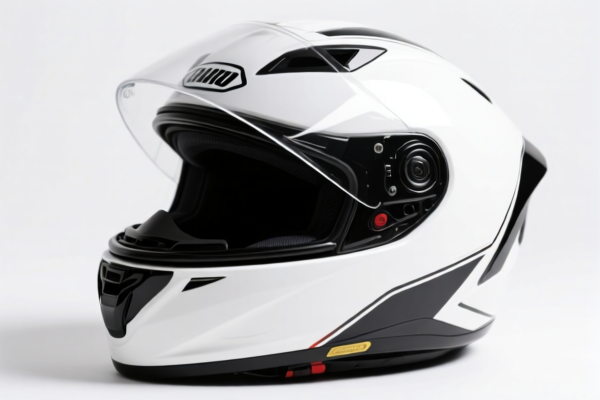
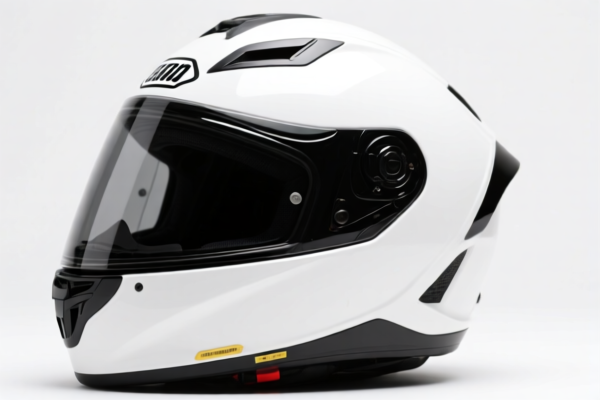
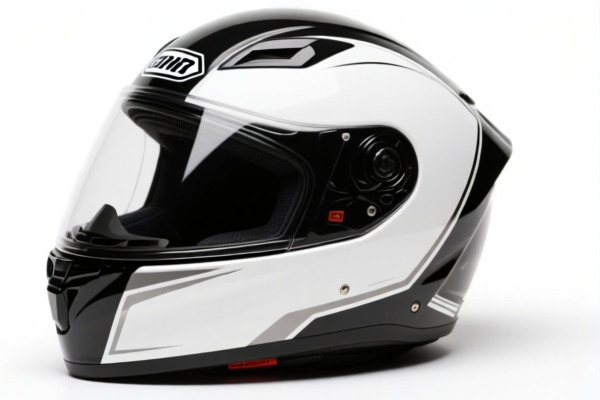
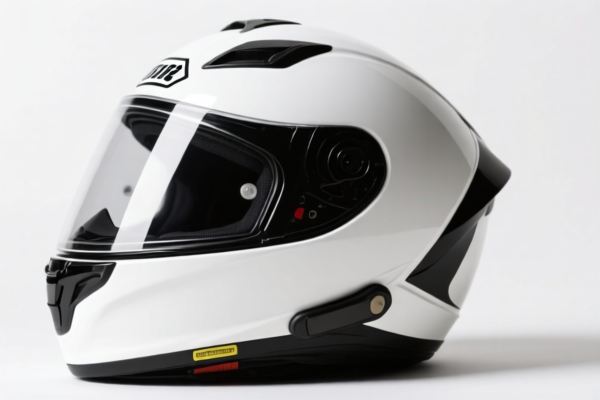
AI Analysis
🏍️ Motorcycle Helmet Covers (Protective Gear)
🌐 HS Code Reference & Customs Clearance Guide | 2026 Latest Tariff Analysis | Professional Entry Strategy
📌 I. Product Definition & Classification: What Exactly Is a "Helmet Cover"?
Motorcycle helmet covers are protective accessories designed to shield helmets from dust, UV rays, scratches, and moisture when stored or transported. In international trade, the classification depends heavily on the material composition and specific application. They are generally categorized under Chapter 40 (Rubber Articles) or Chapter 63 (Other Made-Up Textile Articles), depending on whether the primary material is rubberized/polyvinyl chloride (PVC) or textile/fiber-based.
Key Classification Criteria: 1. Material: Is it made of vulcanized rubber, synthetic rubber, PVC, or textile fibers (nylon, polyester)? 2. Function: Is it for "general protection" or specific "daily protective use"? 3. Composition: Is it a finished product or a semi-finished article?
⚠️ Critical Distinction:
- If made primarily of rubber or PVC → Look at Chapter 40 (HS 4016).
- If made primarily of textile fibers (fabric, synthetic cloth) → Look at Chapter 63 (HS 6307).
- Do NOT classify textile covers as plastic/rubber products to avoid misdeclaration penalties.
📦 II. HS Code Classification Details (2026 Latest Tariff Authority Comparison)
Based on the provided data, here are the four applicable HS Codes for motorcycle helmet covers, categorized by material and tax implication.
| HS Code | Product Description | Material Composition | Application/Nature | Total Tax Rate |
|---|---|---|---|---|
4016.99.05.00 |
Vulcanized rubber or synthetic material covers for daily protective use | Vulcanized Rubber / Synthetic Rubber | Daily protective gear for motorcycles | 20.9% |
4016.99.60.50 |
Vulcanized rubber articles made of PVC or vulcanized rubber for other protective uses | PVC / Vulcanized Rubber | General protective rubber articles | 37.5% |
6307.90.98.87 |
Finished consumer goods made of artificial fibers | Artificial/Synthetic Fibers | Other made-up textile articles | 24.5% |
6307.90.98.91 |
Finished consumer goods made of cloth or synthetic fibers | Cloth / Synthetic Fibers | Other made-up textile articles | 24.5% |
🔍 Key Insight:
- Cheapest Option (Lowest Base):4016.99.05.00(20.9%) – Ideal for high-quality rubber/synthetic covers.
- Most Expensive Option:4016.99.60.50(37.5%) – Often due to higher "Additional Tariff" (25%) on specific PVC/rubber items.
- Textile Options: Both6307.90.98.87and6307.90.98.91carry the same total tax (24.5%), regardless of whether it's "artificial fiber" or "cloth." Choose based on precise material description.
💰 III. 2026 Latest Tariff Rate Breakdown (Including Additional Taxes & Policy Surcharges)
✅ Applicable Country: United States (US)
✅ Origin: China (CN)
✅ Effective Date: From November 10, 2025 (including subsequent imports)
The total tariff consists of three components: 1. Base Tariff (MFN): Standard import duty. 2. Section 301 Additional Tariff: Often 7.5% or 25% depending on the specific HTS subheading. 3. Section 122 Tariff (IEEPA): Additional 10% surcharge on Chinese-origin goods.
🎯 1. 4016.99.05.00 – Rubber/Synthetic Protective Covers (Recommended for Rubber)
| Item | Content |
|---|---|
| Base Tariff | 3.4% |
| Section 301 Additional Tariff | 7.5% |
| Section 122 (IEEPA) Tariff | 10.0% |
| Total Tariff Rate | 20.9% |
| Tax Calculation | CIF Value × 20.9% |
| De Minimis Eligibility | ❌ Not Eligible (Subject to full duty) |
| Legal Basis | Base HTS → Section 301 Footnote → IEEPA 122 |
📌 Explanation:
- This is the most favorable classification if your helmet cover is indeed made of vulcanized rubber or synthetic rubber.
- The combined additional tariff is only 17.5% (7.5% + 10%), keeping the total at 20.9%.
🎯 2. 4016.99.60.50 – PVC/Vulcanized Rubber Protective Articles (High Risk)
| Item | Content |
|---|---|
| Base Tariff | 2.5% |
| Section 301 Additional Tariff | 25.0% |
| Section 122 (IEEPA) Tariff | 10.0% |
| Total Tariff Rate | 37.5% |
| Tax Calculation | CIF Value × 37.5% |
| De Minimis Eligibility | ❌ Not Eligible |
| Legal Basis | Base HTS → Section 301 Footnote (Higher Bracket) → IEEPA 122 |
📌 Warning:
- Avoid this code unless your product is exclusively PVC/rubber and cannot fit into4016.99.05.00.
- The 25% Section 301 tariff significantly increases costs compared to the 7.5% rate in other rubber categories.
🎯 3. 6307.90.98.87 – Artificial Fiber Finished Goods (Textile)
| Item | Content |
|---|---|
| Base Tariff | 7.0% |
| Section 301 Additional Tariff | 7.5% |
| Section 122 (IEEPA) Tariff | 10.0% |
| Total Tariff Rate | 24.5% |
| Tax Calculation | CIF Value × 24.5% |
| De Minimis Eligibility | ❌ Not Eligible |
| Legal Basis | Base HTS → Section 301 Footnote → IEEPA 122 |
📌 Note:
- Suitable for nylon, polyester, or synthetic fabric helmet covers.
- Higher base tariff (7.0%) than rubber (3.4%), but lower than PVC rubber (2.5% + 25% surcharge).
🎯 4. 6307.90.98.91 – Cloth/Synthetic Fiber Finished Goods (Textile)
| Item | Content |
|---|---|
| Base Tariff | 7.0% |
| Section 301 Additional Tariff | 7.5% |
| Section 122 (IEEPA) Tariff | 10.0% |
| Total Tariff Rate | 24.5% |
| Tax Calculation | CIF Value × 24.5% |
| De Minimis Eligibility | ❌ Not Eligible |
| Legal Basis | Base HTS → Section 301 Footnote → IEEPA 122 |
📌 Note:
- Similar to6307.90.98.87but specified for "cloth" or general synthetic fibers.
- Tax rate is identical. Choose based on accurate material declaration (e.g., "Polyester Woven Fabric" vs. "Nylon Artificial Fiber").
🛠️ IV. Customs Clearance Practical Advice (Real-World Pitfall Guide)
✅ 1. Documentation Checklist (Mandatory)
| Document | Must Provide | Purpose |
|---|---|---|
| ✅ Product Specification Sheet | ✔️ | Explicitly states material (e.g., "100% Nylon" or "Vulcanized Rubber") |
| ✅ Material Certificate | ✔️ | Proves fiber content or rubber compound type to justify HS Code |
| ✅ Clear Product Photos | ✔️ | Shows texture (fabric weave vs. rubber surface) and usage |
| ✅ Commercial Invoice | ✔️ | Must describe product accurately: e.g., "Nylon Motorcycle Helmet Cover, Waterproof" |
| ✅ Packing List | ✔️ | Confirms quantity and packaging details |
| ✅ Certificate of Origin (CO) | ✔️ | If claiming preferential rates under other FTAs (though unlikely for these codes from China) |
✅ 2. Declaration Strategy (Key Mantra)
🔥 "Material Dictates Code, Description Must Match, Avoid PVC Trap, Choose Rubber or Textile!"
| Scenario | Correct HS Code | Wrong Action | Consequence |
|---|---|---|---|
| Rubber/Synthetic Cover | 4016.99.05.00 |
Declare as "Plastic" or "Textile" | Misclassification penalty + potential audit |
| PVC Heavy Rubber Cover | 4016.99.60.50 |
Declare as "Textile" to avoid 25% tariff | Fraud risk; customs may detect material mismatch |
| Nylon/Polyester Cover | 6307.90.98.87 or .91 |
Declare as "Rubber" | Rejection or reclassification + back taxes |
| Mixed Material (e.g., Rubber with Fabric Lining) | Depends on Essential Character | Split shipment | Complex valuation; customs may rule against you |
✅ 3. Special Handling Tips
| Situation | Handling Advice |
|---|---|
| OEM Custom Colors/Prints | Ensure the base material matches the HS code. Printing doesn't change classification. |
| "Waterproof" Claims | If waterproofing is via PVC coating, be cautious of 4016.99.60.50 (37.5%). If woven waterproof fabric, use 6307. |
| Sample Shipments | Even for samples, duties apply. No de minimis exemption for these codes. |
| Brand Name Inclusion | Add brand name in description (e.g., "XYZ Brand Motorcycle Helmet Cover") but keep material description clear. |
🌍 V. Global Market Customs Comparison (2026 Latest)
| Country/Region | Recommended HS Code (Example) | Tariff Impact | Certification Required | Notes |
|---|---|---|---|---|
| 🇺🇸 United States | 4016.99.05.00 or 6307.90.98.87 |
20.9% - 24.5% (plus Section 301/122) | None specific for covers | Highest complexity due to multiple tariff layers |
| 🇨🇳 China | 4016.99.05.00 or 6307.90.98.87 |
5% - 10% (Import Duty) | None | Low tax barrier for entry |
| 🇪🇺 European Union | 4016.99.95 or 6307.90.98 |
0% - 4% (MFN) | CE (if for safety gear) | No Section 301/122 equivalent; simpler |
| 🇬🇧 United Kingdom | Similar to EU | 0% - 4% | UKCA (if applicable) | Post-Brexit rules apply, but low duties |
| 🇦🇺 Australia | 4016.99.90 or 6307.90.90 |
5% | None | GST applies on top |
📌 Conclusion:
- The US market is the most challenging due to the combination of Base Tariff + Section 301 (7.5% or 25%) + Section 122 (10%).
- Textile covers (6307) are generally safer than PVC-heavy rubber covers (4016.99.60.50) due to lower additional tariffs.
- Best Value:4016.99.05.00(20.9%) is the lowest total cost if your product is truly rubber/synthetic rubber.
📌 VI. Common Mistakes & Pitfall Guide (Lessons Learned)
❌ Mistake 1: Calling a "PVC-coated fabric" cover a "Rubber" cover to get 3.4% base tariff.
👉 Consequence: Customs will inspect the material, find PVC coating, and reclassify to 4016.99.60.50 (37.5%) + penalties.
❌ Mistake 2: Using "Motorcycle Part" as the generic description.
👉 Consequence: Customs may misclassify as a part of the motorcycle (e.g., under Ch. 87), leading to different duty rates and delays. Always specify "Cover" or "Protective Case."
❌ Mistake 3: Ignoring the "Section 122" 10% tariff.
👉 Consequence: Underestimating landed cost by 10%. This is a mandatory surcharge for Chinese-origin goods in the US.
❌ Mistake 4: Confusing "Helmet" (Safety Gear) with "Helmet Cover" (Accessory).
👉 Consequence: Helmets have different HS codes (Ch. 65) and potentially different safety regulations. Covers are accessories, not safety equipment.
✅ Correct Approach:
"Nylon Motorcycle Helmet Cover, Waterproof, Black, Model XYZ, 100% Synthetic Fiber"
→ HS Code:6307.90.98.87(24.5%)
🎯 VII. Conclusion: Precision in Classification Saves Money!
🎯 Remember the Mantra:
🔹 "Rubber? Check 4016.99.05 (20.9%). PVC? Avoid 4016.99.60 (37.5%). Fabric? Use 6307 (24.5%)."
🔹 "Always add 10% for Section 122, and check Section 301 (7.5% vs 25%)."
📌 Pro Tip:
If your helmet covers are made of high-quality synthetic fibers (nylon/polyester), 6307.90.98.87 is often easier to justify and has a predictable 24.5% rate. If you use rubber, ensure it’s not PVC-heavy to avoid the 37.5% trap.
📣 Immediate Action:
📞 Consult a Customs Broker: Provide material samples for lab testing.
📄 Get an Advance Ruling: File for a binding tariff information (BTI) in the US if your volume is high.
🚀 Optimize Landed Cost: Choose the HS code that best matches your actual material to avoid surprise audits.
✨ Professional Clearance Starts with Accurate Classification!
💼 Every percentage point in tariff is a point in profit!
Customer Reviews
About HS Code Classification
The Harmonized System (HS) is an internationally standardized nomenclature developed by the World Customs Organization (WCO) to classify traded products. Over 200 countries use the HS system as the basis for customs tariffs, trade statistics, and import/export regulations.
Each HS code follows a hierarchical structure:
- Chapter (2 digits) — Broad category of goods (e.g., Chapter 84: Machinery and Mechanical Appliances)
- Heading (4 digits) — More specific grouping within the chapter
- Subheading (6 digits) — Internationally standardized breakdown, used by all WCO member countries
- National subdivisions (8-10 digits) — Country-specific extensions for further classification, such as US HTSUS 10-digit codes
Correct HS code classification is essential for smooth customs clearance, accurate duty payment, and compliance with trade regulations. Misclassification can lead to customs delays, overpayment of duties, or penalties.
When importing from CN to US, the applicable tariff rates may include:
- Most-Favored-Nation (MFN) rate — The standard duty rate applied to WTO members
- General rate — Applied to countries without trade agreements
- Trade remedy duties — Additional tariffs such as Section 301 (anti-dumping), Section 232 (national security), or countervailing duties
The information provided on this page is for reference purposes only. For official classification, please consult with your local customs authority or a licensed customs broker.