Motorcycle and Bicycle Parts and Accessories
CN → US| HS Code | Tariff Rate | Origin | Destination | Doc |
|---|---|---|---|---|
| 8714100020 | 17.5% | CN | US | Official Doc |
| 8714100010 | 17.5% | CN | US | Official Doc |
| 8409915081 | 37.5% | CN | US | Official Doc |
| 8409915010 | 37.5% | CN | US | Official Doc |
Product Images
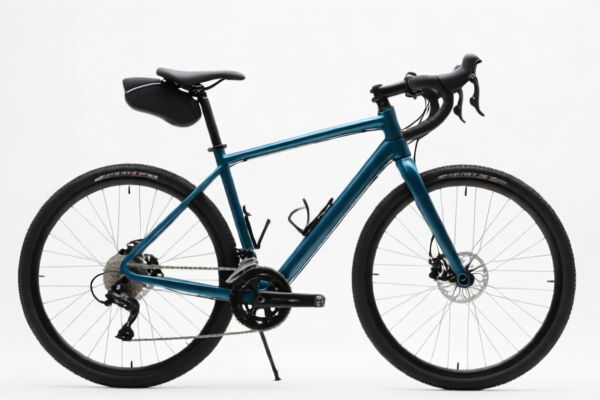
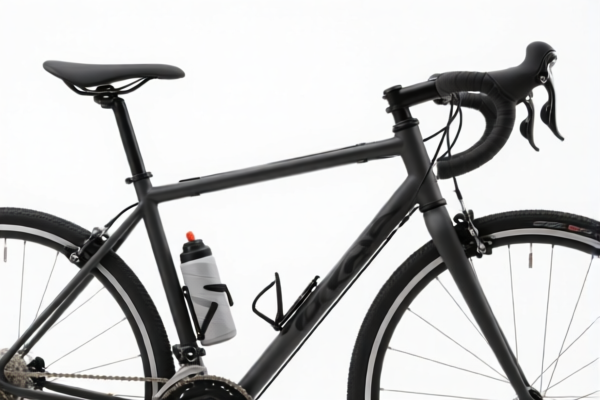
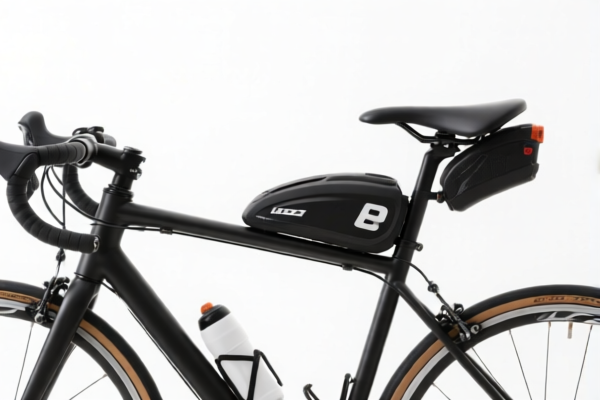
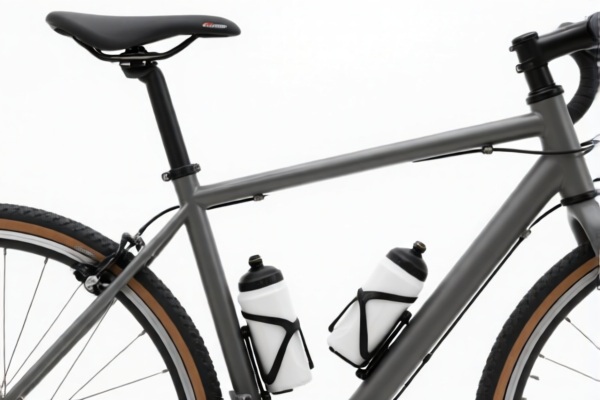
AI Analysis
🏍️ Bicycle & Motorcycle Parts & Accessories
🌐 HS Code Reference & Customs Clearance Guide | 2026 Latest Tariff Analysis | Professional Compliance Strategy
📌 I. Product Definition & Classification: Do You Really Understand "Vehicle Parts"?
Motorcycle and bicycle parts are specialized components designed for vehicles falling under headings 8711 to 8713. In international trade, these parts are strictly categorized based on their specific function and exclusivity of use. They are generally divided into two main groups:
1. Vehicle-Specific Parts (Heading 8714): Parts suitable for use solely or principally with motorcycles (including mopeds), bicycles, or other vehicles of headings 8711–8713.
- Examples: Wheels, saddles, seats, handlebars, pedals.
2. Engine Parts (Heading 8409): Parts suitable for use solely or principally with the internal combustion engines of heading 8407 or 8408.
- Examples: Connecting rods, forgings, piston rings, crankshafts (if exclusive to specific vehicle engine types).
⚠️ Key Distinction Point:
- If the part is specific to the chassis/frame of a motorcycle/bicycle (e.g., a wheel, a saddle) → It belongs to Chapter 8714.
- If the part is specific to the engine (e.g., a connecting rod for a spark-ignition engine) → It belongs to Chapter 8409.
- Crucial Rule: Parts must be "solely or principally" for these vehicles. If a part is generic (e.g., standard bolts, generic wires), it may be classified differently (e.g., Chapter 73 or 85).
📦 II. HS Code Classification Details (2026 Latest Tariff Authority Comparison)
| HS Code | Product Description | Applicable Scenario | Key Characteristics |
|---|---|---|---|
8714.10.00.20 |
Parts of motorcycles (including mopeds): Wheels | Motorcycle rims, alloy wheels, cast wheels, bicycle wheels (if for moped/motorcycle class) | Specifically for wheels of vehicles 8711-8713. |
8714.10.00.10 |
Parts of motorcycles (including mopeds): Saddles and seats | Motorcycle saddles, bicycle seats, passenger seats, comfort cushions | Must be for motorcycles/mopeds/bicycles. |
8409.91.50.81 |
Parts suitable for use solely/principally with engines of 8407/8408: Other Steel forgings | To be installed in vehicles of subheadings 8701.21–8701.29, 8702, 8703, or 8704. Specifically for spark-ignition engines. | Steel forgings. High specificity to engine type. |
8409.91.50.10 |
Parts suitable for use solely/principally with engines of 8407/8408: Connecting rods | To be installed in vehicles of subheadings 8701.21–8701.29, 8702, 8703, or 8704. Specifically for spark-ignition engines. | Connecting rods. Critical engine component. |
🔍 Important Reminder:
- Wheels & Seats are classified under 8714 because they are part of the vehicle body/accessories, not the engine. - Engine Components (Forgings, Connecting Rods) are classified under 8409 because they are exclusively for the engine (Heading 8407/8408). - Do NOT mix general hardware (e.g., nuts, bolts) with these specific parts unless they are integral and exclusively designed for these vehicles.
💰 III. 2026 Latest Tariff Rate Details (Including Additional Taxes, Policy Surcharges)
✅ Applicable Country: United States (US)
✅ Origin: China (CN)
✅ Effective Date: 2025/2026 (Current Trade Policy)
🎯 1. 8714.10.00.20 —— Wheels (Motorcycles/Bicycles)
| Item | Content |
|---|---|
| Base Tariff | 0% (ad valorem) |
| Additional Tariff (Section 301/Retaliation) | 0.0% |
| Total Tariff | 0.0% |
| Tax Calculation | CIF Value × 0% = $0 |
| Can De Minimis Apply? | ✅ Yes (if value ≤ $800) |
| Legal Basis Path | USITC:8714.10.00.20 → HTS:8714 |
📌 Explanation:
- Wheels for motorcycles and bicycles currently have zero additional tariffs from China. - This is a low-risk, low-cost category. - No IEEPA or Section 301 surcharge applies to this specific subheading.
🎯 2. 8714.10.00.10 —— Saddles and Seats (Motorcycles/Bicycles)
| Item | Content |
|---|---|
| Base Tariff | 0.0% |
| Additional Tariff (Section 301/Retaliation) | +7.5% |
| Total Tariff | 7.5% |
| Tax Calculation | CIF Value × 7.5% |
| Can De Minimis Apply? | ✅ Yes (if value ≤ $800) |
| Legal Basis Path | USITC:8714.10.00.10 → HTS:8714 → Footnote: 9903.88.01 (if applicable) |
📌 Explanation:
- Saddles and seats attract a 7.5% additional tariff. - This is significantly lower than electronic goods or heavy machinery. - Total Cost Impact: Moderate. Still relatively favorable compared to other categories.
🎯 3. 8409.91.50.81 —— Steel Forgings (For Spark-Ignition Engines)
| Item | Content |
|---|---|
| Base Tariff | 2.5% |
| Additional Tariff (Section 301/Retaliation) | +25.0% |
| Total Tariff | 27.5% |
| Tax Calculation | CIF Value × 27.5% |
| Can De Minimis Apply? | ❌ No (Deny de minimis for engine parts of Chinese origin in many contexts, or high risk of audit) |
| Legal Basis Path | USITC:8409.91.50.81 → HTS:8409 → Footnote: 9903.88.01 (25% surcharge) |
📌 Explanation:
- High Tariff Alert: Engine parts face significant tariffs. - Base Rate: 2.5% is standard for many engine parts. - Additional Rate: 25% is applied due to US-China trade tensions. - Total: 27.5%. This significantly impacts profit margins for heavy steel forgings.
🎯 4. 8409.91.50.10 —— Connecting Rods (For Spark-Ignition Engines)
| Item | Content |
|---|---|
| Base Tariff | 2.5% |
| Additional Tariff (Section 301/Retaliation) | +25.0% |
| Total Tariff | 27.5% |
| Tax Calculation | CIF Value × 27.5% |
| Can De Minimis Apply? | ❌ No (High risk of audit/denial) |
| Legal Basis Path | USITC:8409.91.50.10 → HTS:8409 → Footnote: 9903.88.01 (25% surcharge) |
📌 Explanation:
- Connecting rods are critical engine components. - Same tariff structure as steel forgings: 27.5% Total. - Critical: Must provide proof of exclusive use with spark-ignition engines to qualify for this specific subheading. Generic engine parts may be classified elsewhere with different rates.
🛠️ IV. Customs Clearance Practical Advice (Real-World Pitfall Avoidance Guide)
✅ 1. Documentation Checklist (Non-negotiable)
| Document | Required | Explanation |
|---|---|---|
| ✅ Product Specification Sheet | ✔️ | Must detail material (e.g., "Steel Forging"), dimensions, weight, and exclusive use (e.g., "For Spark-Ignition Engines Only"). |
| ✅ Technical Drawing | ✔️ | For engine parts (8409), drawings must show exclusivity to engines 8407/8408. |
| ✅ Product Photos (Clear) | ✔️ | Show unique features, branding, model numbers. For wheels/seats, show mounting points. |
| ✅ Commercial Invoice | ✔️ | Must clearly state "Motorcycle Parts" or "Engine Parts" and HS Code. Avoid vague terms like "Auto Accessories." |
| ✅ Packing List | ✔️ | Separate items by HS Code if possible (e.g., Wheels vs. Engine Parts) to avoid mixed classification issues. |
| ✅ Certificate of Origin (CO) | ✔️ | Confirm Chinese origin for accurate tariff calculation. |
✅ 2. Declaration Tips (Key Mnemonic)
🔥 "Parts Specific, Engine Exclusive, Wheels & Seats Easy, Forgings Heavy!"
| Scenario | Correct Declaration | Incorrect Practice |
|---|---|---|
| Motorcycle Wheels | 8714.10.00.20 |
Misdeclare as "Auto Wheels" (8708) → Higher duty. |
| Motorcycle Saddles | 8714.10.00.10 |
Misdeclare as "Furniture Parts" → 0% but audit risk. |
| Connecting Rods | 8409.91.50.10 |
Misdeclare as "General Machinery Parts" (8483) → Wrong rate + penalties. |
| Steel Forgings | 8409.91.50.81 |
Misdeclare as "Iron/Steel Castings" → 27.5% still applies but may trigger anti-dumping. |
| Generic Bolts | Not 8714/8409 | Do NOT declare as vehicle parts if not exclusive. Use Chapter 73. |
✅ 3. Special Case Handling
| Scenario | Handling Advice |
|---|---|
| OEM Custom Parts | Provide original design drawings and customer contracts to prove exclusive use. |
| Mixed Container | Separate wheels/seats (0-7.5%) from engine parts (27.5%) in declaration. Do not lump under one HS code. |
| Engine Parts from Non-China | If origin is Vietnam/Mexico, check for EEZ/USMCA exemptions. May reduce 25% tariff to 0%. |
| Saddles with Electronic Features | If seat has heating elements or sensors, may fall under Chapter 85 or 90. Consult expert. |
🌍 V. Global Main Market Comparison (2026 Latest)
| Country/Region | Recommended HS Code | Tariff (China Origin) | Certification Requirements | Notes |
|---|---|---|---|---|
| 🇺🇸 USA | 8714.10.00.20 (Wheels) |
0.0% | NHTSA (if applicable) | Low risk. |
| 🇺🇸 USA | 8714.10.00.10 (Seats) |
7.5% | NHTSA | Moderate risk. |
| 🇺🇸 USA | 8409.91.50.xx (Engine Parts) |
27.5% | NHTSA/ EPA | High tariff. |
| 🇨🇳 China | 8714.10.00.20 |
0% | CCC (if vehicle) | No surcharge. |
| 🇪🇺 EU | 8714.10.00.20 |
0% | CE (if applicable) | No surcharge. |
| 🇪🇺 EU | 8409.91.xx |
2.5% | CE/EPA | No surcharge. |
| 🇯🇵 Japan | 8714.10.00.20 |
0% | PSE | No surcharge. |
📌 Conclusion:
- USA is the only major market with significant additional tariffs (25%) on engine parts. - Wheels and Seats are relatively safe in the US market (0-7.5%). - Engine Parts (Forgings, Connecting Rods) face 27.5% total duty in the US. Consider supply chain diversification if margins are tight.
📌 VI. Common Errors & Pitfall Guide (Lessons Learned)
❌ Error 1: Declaring "Connecting Rods" as "General Machinery Parts" (8483)
👉 Consequence: If caught, back taxes + penalty. Correct rate is 27.5%.
❌ Error 2: Declaring "Wheels" as "Auto Parts" (8708)
👉 Consequence: Wrong HS code. Must be 8714 for motorcycles/bicycles.
❌ Error 3: Not specifying "Spark-Ignition" for Engine Parts
👉 Consequence: May be classified under a different, higher-tariff subheading within 8409.
❌ Error 4: Lumping all parts under one HS code in mixed shipments
👉 Consequence: Customs may apply the highest rate (27.5%) to the entire shipment.
✅ Correct Approach:
"Motorcycle Alloy Wheel, 17-inch, Forged Aluminum, Model XYZ, No Electronic Components"
"Steel Connecting Rod, For Spark-Ignition Internal Combustion Engine, Exclusive Use, Part No. ABC"
🎯 VII. Conclusion: Professional Declaration, Cost Efficiency, Smooth Clearance
🎯 Remember the Mnemonic:
🔹 "Wheels & Seats: Low Duty, Easy Pass!"
🔹 "Engine Parts: High Duty, Prove Exclusivity!"
🔹 "HS Code Determines Your Cost, Get It Right, Save Thousands!"
📌 Pro Tip:
If your engine parts are originated from Vietnam, Mexico, or Thailand, you may qualify for USMCA/EEZ exemptions, reducing the 25% additional tariff to 0%.
Recommend Advance Ruling from US Customs for high-value engine parts to ensure correct classification.
📣 Immediate Action:
📞 Contact a licensed customs broker + Provide Technical Specs + Apply for HS Code Advance Ruling
🚀 Let your motorcycle parts pass smoothly, reduce costs, and maximize profits!
✨ Professional Clearance Starts with Precise Classification!
💼 Every cent of cost deserves precise calculation!
Customer Reviews
About HS Code Classification
The Harmonized System (HS) is an internationally standardized nomenclature developed by the World Customs Organization (WCO) to classify traded products. Over 200 countries use the HS system as the basis for customs tariffs, trade statistics, and import/export regulations.
Each HS code follows a hierarchical structure:
- Chapter (2 digits) — Broad category of goods (e.g., Chapter 84: Machinery and Mechanical Appliances)
- Heading (4 digits) — More specific grouping within the chapter
- Subheading (6 digits) — Internationally standardized breakdown, used by all WCO member countries
- National subdivisions (8-10 digits) — Country-specific extensions for further classification, such as US HTSUS 10-digit codes
Correct HS code classification is essential for smooth customs clearance, accurate duty payment, and compliance with trade regulations. Misclassification can lead to customs delays, overpayment of duties, or penalties.
When importing from CN to US, the applicable tariff rates may include:
- Most-Favored-Nation (MFN) rate — The standard duty rate applied to WTO members
- General rate — Applied to countries without trade agreements
- Trade remedy duties — Additional tariffs such as Section 301 (anti-dumping), Section 232 (national security), or countervailing duties
The information provided on this page is for reference purposes only. For official classification, please consult with your local customs authority or a licensed customs broker.