Mountain Bike Inner Tube
CN → US| HS Code | Tariff Rate | Origin | Destination | Doc |
|---|---|---|---|---|
| 8708706060 | 37.5% | CN | US | Official Doc |
| 8708998180 | 37.5% | CN | US | Official Doc |
| 8708998180 | 37.5% | CN | US | Official Doc |
| 4011105000 | 38.4% | CN | US | Official Doc |
| 8708706060 | 37.5% | CN | US | Official Doc |
Product Images
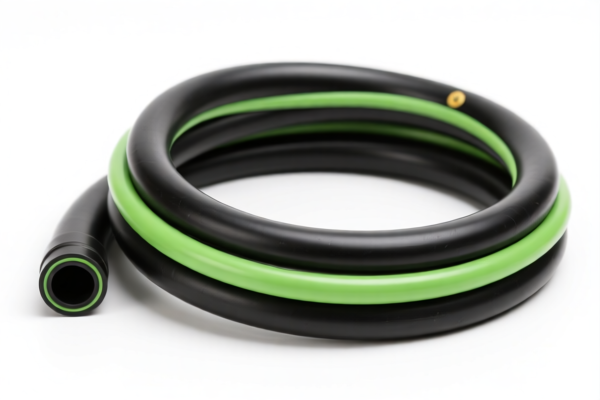
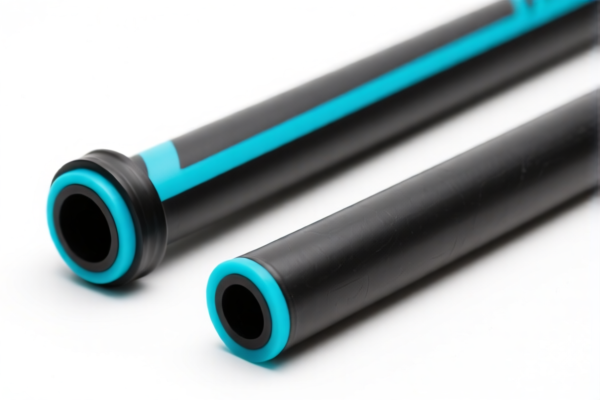
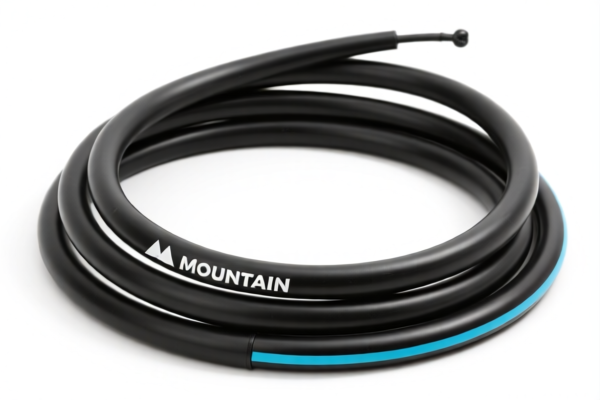
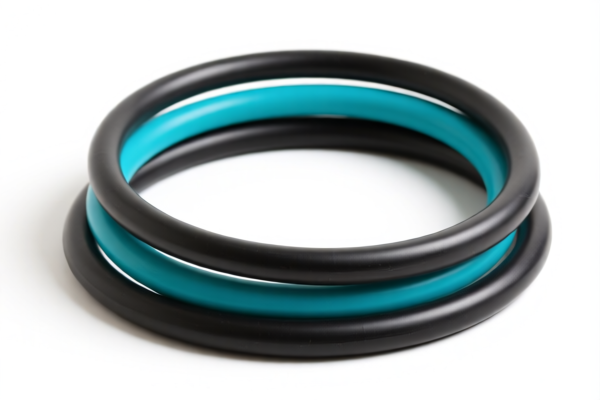
AI Analysis
🚴♂️ Mountain Bike Inner Tube (Inflatable Rubber Tubes)
🌐 HS Code Reference & Customs Clearance Guide | 2026 Latest Tariff Analysis | Professional Clearance Strategy
📌 I. Product Definition & Classification: Do You Really Understand "Inner Tubes"?
A mountain bike inner tube is a critical pneumatic component of a bicycle wheel, designed to hold air and maintain tire pressure. In international trade, its classification is not straightforward because it sits at the intersection of bicycle parts and rubber tire components.
Internationally, these are generally categorized in two main ways depending on the specific HS Code hierarchy:
- As Bicycle Parts (Chapter 87): Viewed as an accessory/component of the vehicle (bicycle), falling under "Other Parts and Accessories."
- As Rubber Tire Components (Chapter 40): Viewed as a constituent part of an inflatable rubber tire, specifically falling under "Inner Tubes."
⚠️ Key Distinction Point:
- If declared broadly as a "Bicycle Part" → It often falls under 8708.99 (Other parts of vehicles) or 8708.70 (Wheels and parts thereof).
- If declared specifically as an "Inner Tube" (a rubber article) → It may fall under 4011.10 (New pneumatic tyres of a kind used on motor cars, trucks, or buses or similar vehicles like bikes, depending on national subheading interpretations).
📦 II. HS Code Classification Details (Based on Provided Data 2026)
Based on the provided data, the inner tube is evaluated against three primary HS Codes. All options carry significant additional tariffs due to trade policies (likely US-China Section 301/122 clauses).
| HS Code | Product Description & Summary | Material Assumption | Applicable Scope |
|---|---|---|---|
8708.70.60.60 |
Wheel Parts (Other): Inner tubes are components of road wheels. Classified under "Other Parts and Accessories." | Rubber (Inferred) | Fits as a non-rim, non-rim cover part of a road wheel. |
8708.99.81.80 |
Bicycle Parts (Other): Specifically categorized as bicycle spare parts. Inner tubes are integral to bicycle tires. | Rubber (Inferred) | Fits the definition of "other parts and accessories" for bicycles without material conflict. |
4011.10.50.00 |
Rubber Inflatable Tyres (Inner Tubes): The inner tube is a component of a rubber inflatable tire. | Rubber (Confirmed) | Fits "New rubber inflatable tyres" or their components. High specificity to material. |
🔍 Key Insight:
- HS 8708 focuses on the function (part of a vehicle/wheel).
- HS 4011 focuses on the material/form (rubber inflatable article).
- The provided data suggests that8708.99.81.80and8708.70.60.60are the most frequently matched codes for bicycle inner tubes, while4011.10.50.00is a viable alternative based on material classification.
💰 III. 2026 Latest Tariff Rate Breakdown (Including Surtaxes & Policy Add-ons)
✅ Applicable Country: United States (US)
✅ Origin: China (CN)
✅ Effective Time: Current policies active (2025-2026)
✅ Total Tax Impact: Very High due to叠加 tariffs.
🎯 1. HS Code 8708.70.60.60 (Wheel Parts) & 8708.99.81.80 (Bicycle Parts)
These two codes share identical tax structures in the provided data.
| Item | Content |
|---|---|
| Base Tariff Rate | 2.5% (Standard MFN rate for bicycle parts) |
| Section 301 Surcharge | +25.0% (USITC Footnote for Chinese imports) |
| Section 122 Clause / IEEPA Add-on | +10.0% (Specific policy add-on cited in data) |
| Total Effective Tax Rate | 37.5% |
| Tax Calculation | CIF Value × 37.5% |
| De Minimis Exemption | ❌ NOT Eligible (These goods are subject to high tariffs and do not qualify for Section 321 de minimis exemption typically under $800 for low-risk goods, especially with 301/122 clauses active). |
📌 Explanation:
- The 2.5% is the standard duty for bicycle parts.
- The 25% is the standard Section 301 tariff on Chinese goods.
- The 10% is a specific add-on (possibly related to Section 122 or specific IEEPA actions).
- Total: 37.5%. This is a fixed, high cost that must be factored into landed cost calculations.
🎯 2. HS Code 4011.10.50.00 (Rubber Inner Tubes)
This code has a slightly higher base rate.
| Item | Content |
|---|---|
| Base Tariff Rate | 3.4% (Standard MFN rate for rubber tires/tubes) |
| Section 301 Surcharge | +25.0% |
| Section 122 Clause / IEEPA Add-on | +10.0% |
| Total Effective Tax Rate | 38.4% |
| Tax Calculation | CIF Value × 38.4% |
| De Minimis Exemption | ❌ NOT Eligible |
📌 Explanation:
- The 3.4% base rate is slightly higher than bicycle parts (2.5%).
- The additional 35% (25% + 10%) remains the same.
- Total: 38.4%. This is the most expensive option among the choices.
🛠️ IV. Customs Clearance Practical Advice (Pitfall Avoidance Guide)
✅ 1. Documentation Checklist (Non-negotiable)
| Document | Required | Explanation |
|---|---|---|
| ✅ Commercial Invoice | ✔️ | Must clearly state "Inner Tube for Mountain Bike." Avoid vague terms like "Rubber Part." |
| ✅ Packing List | ✔️ | Detail quantity per box, total weight, and dimensions. |
| ✅ Product Specifications | ✔️ | Include size (e.g., 26x1.75-2.125, 27.5x2.1-2.4, 29x2.0-2.35), valve type (Presta/Schrader), and material (Natural Rubber/Butyl). |
| ✅ Material Declaration | ✔️ | Explicitly state "100% Rubber" to justify Chapter 40 or Chapter 87 classification. |
| ✅ Origin Certificate | ✔️ | Proves origin from China. Note: This triggers the 301/122 surcharges. |
✅ 2. Declaration Strategy (Critical Tips)
🔥 "Be Specific, Don't Be Vague!"
| Scenario | Recommended Declaration | Risk if Incorrect |
|---|---|---|
| Standard MTB Inner Tube | "Bicycle Inner Tube, Rubber, for Mountain Bikes" | Misclassification leads to audits and penalties. |
| Valve Type | Specify "Presta Valve" or "Schrader Valve" | Customs may reject if valve type is missing, as it affects utility. |
| HS Code Choice | Prefer 8708.99.81.80 (Bicycle Parts) |
It has a lower base rate (2.5% vs 3.4%) but same surcharges, making it 0.9% cheaper than 4011.10.50.00. |
| Packaging | Individual bags or bulk rolls | Clearly describe packaging to avoid "undisclosed content" flags. |
✅ 3. Special Considerations
| Situation | Advice |
|---|---|
| Valve Type Mismatch | If declaring for Presta but shipping Schrader, customs may detain. Ensure exact match. |
| Mixed Sizes | If shipping multiple sizes in one box, declare as "Assorted Bicycle Inner Tubes" and provide a detailed breakdown. |
| OEM/Private Label | Provide brand authorization if the brand is registered. Avoid counterfeit risks. |
| De Minimis Attempt | ❌ Do NOT attempt to use De Minimis ($800) for this item. With 37.5%+ tariffs and high scrutiny on rubber/bike parts from China, packages are highly likely to be seized or taxed upon entry. |
🌍 V. Global Market Comparison (2026 Update)
| Country/Region | Recommended HS Code | Estimated Duty (Base) | Surcharges (China) | Total Cost Impact |
|---|---|---|---|---|
| 🇺🇸 USA | 8708.99.81.80 or 8708.70.60.60 |
2.5% | +35% (301 + 122) | 37.5% ⚠️ High |
| 🇨🇳 China | 4011.10.50.00 or 8708.99 |
Varies (Import Duty) | None | Lower than US |
| 🇪🇺 EU | 4013.20.00 (Rubber Inner Tubes) |
~2.5-5% | None (WTO rates) | Low ✅ |
| 🇬🇧 UK | 4013.20.00 |
~2.5-5% | None | Low ✅ |
| 🇨🇦 Canada | 4013.20.00 |
~0-5% | None | Low ✅ |
📌 Conclusion:
- The US market is significantly more expensive due to political tariffs.
- If shipping to the US,8708.99.81.80is the most cost-effective classification among the options provided.
- For non-US markets, rubber inner tubes (4013) often face lower or zero duties, making them highly competitive.
📌 VI. Common Errors & Pitfalls (Lessons Learned)
❌ Error 1: Declaring as "Rubber Goods" without specifying "Bicycle Part"
👉 Consequence: Customs may assign a generic rubber code with higher penalties or reject the shipment for lack of detail.
❌ Error 2: Using De Minimis for HS 37.5% Tax Items
👉 Consequence: Package seized, duties + penalties + storage fees applied. Never use de minimis for high-tariff Chinese goods.
❌ Error 3: Ignoring Valve Type
👉 Consequence: Discrepancy between declaration and physical inspection. Delays in clearance.
❌ Error 4: Selecting 4011.10.50.00 without necessity
👉 Consequence: Paying an extra 0.9% (38.4% vs 37.5%) unnecessarily. Stick to 8708 series for bikes.
✅ Correct Declaration Example:
"Mountain Bike Inner Tube, Butyl Rubber, 29x2.1-2.35, Presta Valve, For Off-Road Use, HS 8708.99.81.80"
🎯 VII. Conclusion: Professional Declaration, Cost Control, Risk Mitigation
🎯 Key Takeaway:
🔹 For US Imports: Use
8708.99.81.80(Bicycle Parts) to save 0.9% vs4011.
🔹 Budget for 37.5% Total Tax: Factor this into your pricing model. It is non-negotiable for China-origin goods.
🔹 Document Everything: Specify valve type, size, and material clearly.🚀 Action Plan:
1. Select HS 8708.99.81.80 for optimal cost.
2. Prepare precise invoices with valve type and size.
3. Avoid De Minimis to prevent seizures.
4. Consider alternative markets (EU/UK/Canada) if US tariffs make the product uncompetitive.
✨ Professional Customs Clearance Starts with Precision!
💼 Every percentage point counts in international trade!
Customer Reviews
About HS Code Classification
The Harmonized System (HS) is an internationally standardized nomenclature developed by the World Customs Organization (WCO) to classify traded products. Over 200 countries use the HS system as the basis for customs tariffs, trade statistics, and import/export regulations.
Each HS code follows a hierarchical structure:
- Chapter (2 digits) — Broad category of goods (e.g., Chapter 84: Machinery and Mechanical Appliances)
- Heading (4 digits) — More specific grouping within the chapter
- Subheading (6 digits) — Internationally standardized breakdown, used by all WCO member countries
- National subdivisions (8-10 digits) — Country-specific extensions for further classification, such as US HTSUS 10-digit codes
Correct HS code classification is essential for smooth customs clearance, accurate duty payment, and compliance with trade regulations. Misclassification can lead to customs delays, overpayment of duties, or penalties.
When importing from CN to US, the applicable tariff rates may include:
- Most-Favored-Nation (MFN) rate — The standard duty rate applied to WTO members
- General rate — Applied to countries without trade agreements
- Trade remedy duties — Additional tariffs such as Section 301 (anti-dumping), Section 232 (national security), or countervailing duties
The information provided on this page is for reference purposes only. For official classification, please consult with your local customs authority or a licensed customs broker.