Multi layer Paper Gasket
CN → US| HS Code | Tariff Rate | Origin | Destination | Doc |
|---|---|---|---|---|
| 8484900000 | 37.5% | CN | US | Official Doc |
| 4823908000 | 35.0% | CN | US | Official Doc |
| 4823906000 | 35.0% | CN | US | Official Doc |
| 8484900000 | 37.5% | CN | US | Official Doc |
| 4823908000 | 35.0% | CN | US | Official Doc |
Product Images
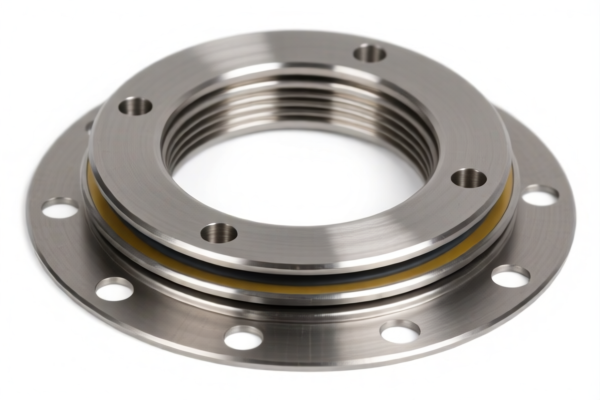
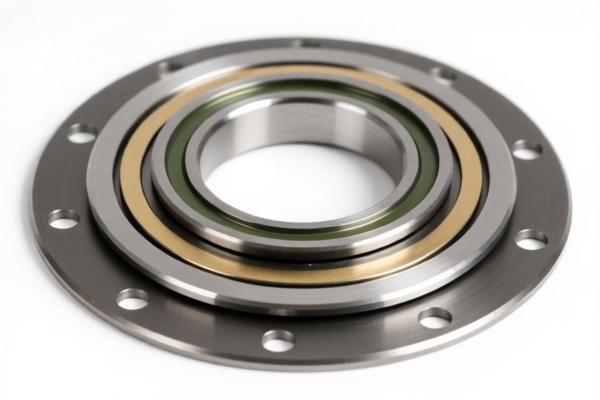
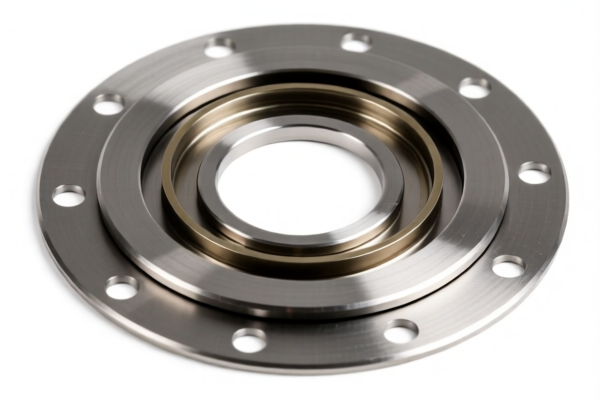
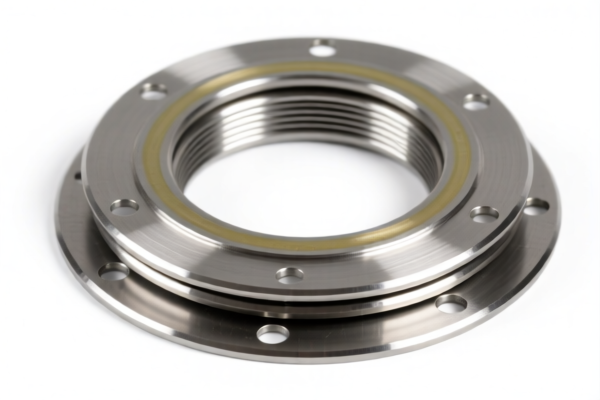
AI Analysis
📄 Multi-Layer Paper Gasket (Paper Gaskets)
🌐 HS Code Reference & Customs Clearance Guide | 2026 Latest Tariff Analysis | Professional Classification Strategy
📌 I. Product Definition & Classification: What Exactly Is a "Multi-Layer Paper Gasket"?
A Multi-Layer Paper Gasket is a sealing component designed to prevent leakage between two mating surfaces. Unlike single-layer paper gaskets, these are composed of multiple layers of paper (often reinforced with metal, rubber, or non-woven fibers) to withstand higher pressures and temperatures.
In international trade, the classification depends heavily on the specific composition and structure: 1. Composite Structure: If the paper is laminated with other materials (e.g., metal foil, rubber) to form a "non-metallic layered or multi-layer structure," it may fall under machinery parts. 2. Pure Paper Structure: If it is strictly made of paper or cardboard in a gasket shape, it falls under paper products.
⚠️ Critical Distinction Point:
- If the gasket is a composite (e.g., paper + metal/rubber layers) fitting the definition of "mechanical seals" or "parts of machinery" → Classify under 8484.90.00.00
- If the gasket is purely paper/cardboard without complex mechanical integration → Classify under 4823.90.80.00 or 4823.90.60.00
📦 II. HS Code Classification Details (2026 Latest Tariff Authority Comparison)
| HS Code | Product Description | Applicable Scenario | Composition Feature |
|---|---|---|---|
8484.90.00.00 |
Paper gaskets/pads, assembled, conforming to gasket shapes, made of paper, belonging to non-metallic layered or multi-layer structures. | Composite gaskets, reinforced paper gaskets, industrial machinery seals. | ✅ Yes (Multi-layer/Composite) |
4823.90.80.00 |
Paper gaskets, made of paper, in gasket form, fitting the definition of gaskets made of paper/cardboard. | Standard paper gaskets, basic sealing pads, low-pressure applications. | ✅ No (Pure Paper) |
4823.90.60.00 |
Paper gaskets, made of paper, in gasket form, fitting the classification explanation for paper/cardboard material and gasket usage. | Generic paper gaskets, wholesale paper sealing components. | ✅ No (Pure Paper) |
🔍 Key Reminder:
- Complex/Reinforced Gaskets: If your product is marketed as "Multi-Layer" implying a composite structure (even if paper-based, it’s structured as a mechanical seal), customs may prefer 8484. - Simple Paper Gaskets: If it’s just cut paper or cardboard shaped into a gasket, it must be classified under 4823. Misclassifying a simple paper gasket as 8484 can lead to unnecessary scrutiny or rejection.
💰 III. 2026 Latest Tariff Rate Breakdown (Including Surtaxes & Policy Add-ons)
✅ Applicable Country: United States (US)
✅ Origin: China (CN)
✅ Effective Date: 2025/2026 (Current Trade War Era)
🎯 1. 8484.90.00.00 —— Multi-Layer/Composite Paper Gaskets
| Item | Content |
|---|---|
| Base Tariff | 2.5% (ad valorem) |
| Section 301 Surtax | +25.0% (Targeting Chinese Imports) |
| Section 122 Tariff | +10.0% (Specific Trade Restriction) |
| Total Tariff | 37.5% |
| Tax Calculation | CIF Value × 37.5% |
| De Minimis Exemption | ❌ Not Applicable (High value threshold, strict enforcement) |
| Legal Basis Path | HTSUS:8484.90.00.00 → Section 301: Footnote 9903.88.01 → Section 122: Statutory Authority |
📌 Explanation:
- This code attracts the highest effective duty in the dataset due to the base rate being 2.5% rather than 0%.
- The combination of 2.5% + 25% + 10% creates a significant cost barrier.
- Why 8484? Customs views multi-layer composite gaskets as "mechanical parts" first, triggering higher base duties.
🎯 2. 4823.90.80.00 —— Pure Paper Gaskets
| Item | Content |
|---|---|
| Base Tariff | 0.0% (ad valorem) |
| Section 301 Surtax | +25.0% |
| Section 122 Tariff | +10.0% |
| Total Tariff | 35.0% |
| Tax Calculation | CIF Value × 35.0% |
| De Minimis Exemption | ❌ Not Applicable |
| Legal Basis Path | HTSUS:4823.90.80.00 → Section 301: Footnote 9903.88.01 → Section 122: Statutory Authority |
📌 Note:
- Although the Total Tariff (35%) is slightly lower than 8484 (37.5%), the Base Rate is 0%.
- This makes4823.90.80.00the most cost-effective classification for pure paper gaskets.
- Warning: Do not use this code for composite/metal-reinforced gaskets. If inspected and found to be composite, customs will reclassify to 8484 and demand the extra 2.5% + penalties.
🎯 3. 4823.90.60.00 —— Generic Paper Gaskets
| Item | Content |
|---|---|
| Base Tariff | 0.0% |
| Section 301 Surtax | +25.0% |
| Section 122 Tariff | +10.0% |
| Total Tariff | 35.0% |
| Tax Calculation | CIF Value × 35.0% |
| De Minimis Exemption | ❌ Not Applicable |
| Legal Basis Path | HTSUS:4823.90.60.00 → Section 301: Footnote 9903.88.01 → Section 122: Statutory Authority |
📌 Comparison with 4823.90.80.00:
- Tax rates are identical.
-4823.90.60.00is often used for broader "paper articles" while4823.90.80.00is for "other" specific paper products.
- Recommendation: Use4823.90.80.00for clearer "gasket" definition to avoid ambiguity, unless specific trade data favors4823.90.60.00for your specific product type.
🛠️ IV. Customs Clearance Practical Advice (Pitfall Avoidance Guide)
✅ 1. Preparation Checklist (Non-Negotiable)
| Document | Required | Explanation |
|---|---|---|
| ✅ Product Spec Sheet | ✔️ | Must detail layers, materials (e.g., "Paper + Rubber + Metal"), thickness, and pressure rating. |
| ✅ Material Breakdown | ✔️ | Crucial for distinguishing between 8484 (composite) and 4823 (pure paper). |
| ✅ Product Photos | ✔️ | Clear cross-section view showing layers (if composite). |
| ✅ Commercial Invoice | ✔️ | Describe as "Paper Gasket" or "Multi-Layer Gasket" EXACTLY matching the HS code logic. |
| ✅ Packing List | ✔️ | Itemize quantities and weights accurately. |
✅ 2. Declaration Tips (Key Mantra)
🔥 "Pure Paper = 4823 (0% Base); Composite = 8484 (2.5% Base); Lie about Layers = Seizure!"
| Scenario | Correct Declaration | Incorrect Practice |
|---|---|---|
| Multi-Layer (Paper + Reinforcement) | 8484.90.00.00 |
Misreporting as "Paper" to save 2.5% → High Risk of Audit |
| Single/Double Layer Paper | 4823.90.80.00 |
Overcomplicating with 8484 → Unnecessary Cost |
| Gasket with Adhesive | Check Composition | If adhesive is minimal, still 4823; if significant, may change classification. |
| Bulk Paper Rolls Cut into Gaskets | 4823.90.80.00 |
Declare as "Paper Sheets" if not pre-cut, or "Gaskets" if cut. |
✅ 3. Special Cases Handling
| Situation | Handling Advice |
|---|---|
| Hybrid Materials | If the product is >50% paper but has a thin metal foil, it may still be classified as 8484 due to "composite structure." Provide material % breakdown. |
| OEM Custom Gaskets | Provide customer POs showing specific pressure/temp requirements to justify "Multi-Layer" classification under 8484. |
| Samples vs. Bulk | Small samples may sometimes fall under de minimis if value < $800, but do not rely on this for commercial shipments under Section 301/122. |
🌍 V. Global Market Customs Comparison (2026 Latest)
| Country/Region | Recommended HS Code | Tariff (CN Origin) | Certification Req. | Notes |
|---|---|---|---|---|
| 🇺🇸 USA | 4823.90.80.00 or 8484.90.00.00 |
35% or 37.5% | None specific | Section 301 & 122 apply strictly. |
| 🇨🇳 China | 4823.90.80.00 |
~5-10% | CCC (if applicable) | Lower import duties. |
| 🇪🇺 EU | 4823.90.80.00 |
6.5% | REACH (if chemical treatment) | No Section 301 equivalent. |
| 🇬🇧 UK | 4823.90.80.00 |
6.5% | UKCA | Post-Brexit rules apply. |
📌 Conclusion:
- USA is the most expensive market due to叠加 tariffs (Base + 301 + 122).
- Differentiation is Key: Accurately declaring Pure Paper vs. Composite can save up to 2.5% on base duties, plus potential penalty avoidance.
📌 VI. Common Mistakes & Pitfall Guide (Lessons Learned)
❌ Mistake 1: Calling all paper gaskets "8484" to look more industrial.
👉 Consequence: Overpaying 2.5% base duty unnecessarily. If challenged, you still pay, plus legal fees.
❌ Mistake 2: Calling composite gaskets "Paper" (4823) to save 2.5%.
👉 Consequence: Customs Seizure. The 25% + 10% surtaxes are applied regardless, but misclassification leads to fines, delays, and potential blacklisting.
❌ Mistake 3: Ignoring Section 122 (10%).
👉 Consequence: Underestimating total landed cost. Total tax is 35-37.5%, not just 25%.
✅ Correct Approach:
"Multi-Layer Paper Gasket, Composite Structure, For Industrial Machinery Use" → 8484.90.00.00
"Standard Paper Gasket, Pure Paper Material, Low Pressure Application" → 4823.90.80.00
🎯 VII. Conclusion: Precision Classification Saves Money!
🎯 Remember the Mantra:
🔹 "Pure Paper = 4823 (35% Total); Composite = 8484 (37.5% Total); Accuracy Prevents Penalties!"
🔹 "HS Code Defines Tax, Misclassification Defines Risk!"
📌 Pro Tip:
If your product is exclusively paper but you want to justify "multi-layer" for durability, ensure the layers are mechanically bonded paper layers (not metal/rubber) to potentially argue for 4823. However, if any non-paper reinforcement exists, stick to 8484 to avoid fraud allegations.
📣 Immediate Action:
📞 Contact your Customs Broker with material composition sheets.
📝 Apply for an Advance Ruling (ISD) if shipment value is high.
🚀 Ensure your invoice matches the HS Code logic exactly.
✨ Professional Clearance Starts with Precise Classification!
💼 Every Percent Saved is Pure Profit!
Customer Reviews
About HS Code Classification
The Harmonized System (HS) is an internationally standardized nomenclature developed by the World Customs Organization (WCO) to classify traded products. Over 200 countries use the HS system as the basis for customs tariffs, trade statistics, and import/export regulations.
Each HS code follows a hierarchical structure:
- Chapter (2 digits) — Broad category of goods (e.g., Chapter 84: Machinery and Mechanical Appliances)
- Heading (4 digits) — More specific grouping within the chapter
- Subheading (6 digits) — Internationally standardized breakdown, used by all WCO member countries
- National subdivisions (8-10 digits) — Country-specific extensions for further classification, such as US HTSUS 10-digit codes
Correct HS code classification is essential for smooth customs clearance, accurate duty payment, and compliance with trade regulations. Misclassification can lead to customs delays, overpayment of duties, or penalties.
When importing from CN to US, the applicable tariff rates may include:
- Most-Favored-Nation (MFN) rate — The standard duty rate applied to WTO members
- General rate — Applied to countries without trade agreements
- Trade remedy duties — Additional tariffs such as Section 301 (anti-dumping), Section 232 (national security), or countervailing duties
The information provided on this page is for reference purposes only. For official classification, please consult with your local customs authority or a licensed customs broker.