Multi port Charger
CN → US| HS Code | Tariff Rate | Origin | Destination | Doc |
|---|---|---|---|---|
| 8543709860 | 37.6% | CN | US | Official Doc |
| 8504409540 | 35.0% | CN | US | Official Doc |
| 8504409580 | 35.0% | CN | US | Official Doc |
Product Images
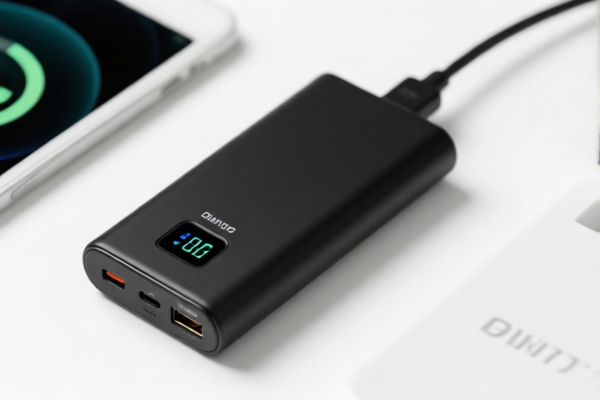
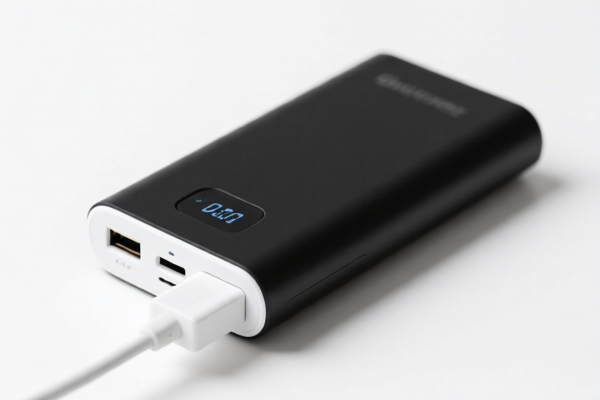
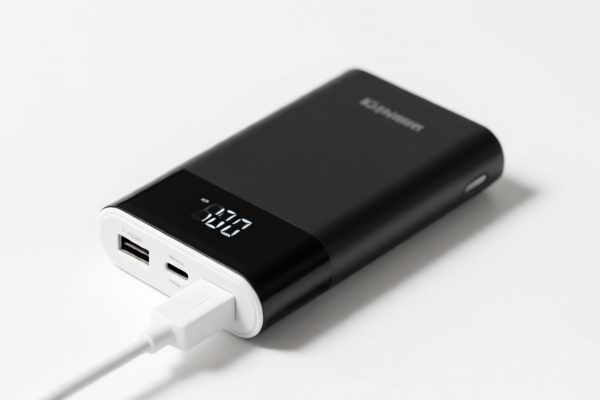
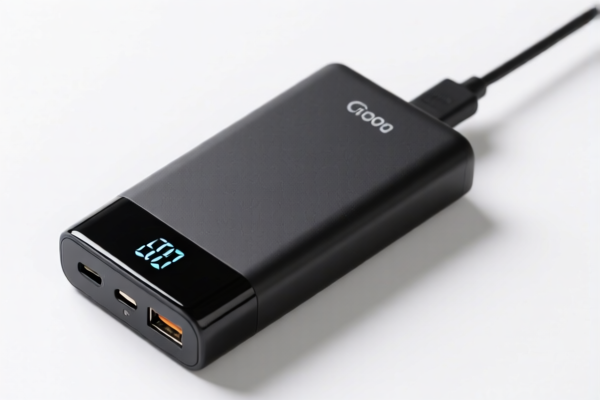
AI Analysis
🔌 Multi-Port Charger (Multi-Function Wireless & Wired Charger)
🌐 HS Code Reference & Customs Clearance Guide | 2026 Latest Tariff Analysis | Professional Strategy
📌 I. Product Definition & Classification: What Exactly is a "Multi-Port Charger"?
A Multi-Port Charger typically refers to a device that combines wireless charging capabilities with multiple wired charging ports (USB-A/USB-C), or acts as a central hub for charging multiple devices simultaneously. In international trade, the classification depends heavily on its primary function and internal components:
1. Power Supply Unit (PSU) / Transformer Category:
If the device primarily functions as a static converter (transforming AC to DC electricity) to power other devices, it falls under the "Static Converters" heading. This is the most common classification for the main body of the charger.
2. Other Electrical Apparatus Category:
If the device has independent functions beyond simple power conversion (e.g., smart control, wireless transmission technology that defines its core identity), it may fall under the "Catch-all" category for other machines and apparatus.
⚠️ Key Distinction Point:
- If the core value is electricity conversion (AC/DC), it belongs to 8504.40.95.xx.
- If the core value is independent functionality not specifically covered elsewhere (often used when the specific transformer sub-category doesn't fit perfectly), it belongs to 8543.70.98.xx.
📦 II. HS Code Classification Details (2026 Latest Tariff Authority Comparison)
Based on the provided data, here are the three specific classifications for the Multi-Port Charger:
| HS Code | Product Description | Application Scenario | Key Classification Logic |
|---|---|---|---|
8543.70.98.60 |
Other Machines and Apparatus (Catch-all) Multifunction wireless charger classified as an electrical apparatus with independent functions. |
Devices where wireless charging is the standout feature, or the device is seen as a complex electronic apparatus rather than a simple power supply. | Independent Functionality: Classified under the "Catch-all" for other machines and apparatus. |
8504.40.95.40 |
Static Converters (Power Supply) Multifunction wireless charger classified as a power supply under static converters. |
Standard charging hubs where the primary role is converting current, fitting the definition of rectifiers and rectifying equipment. | Rectifier/Purpose: Fits the scope of rectifiers and rectifying equipment. |
8504.40.95.80 |
Other Static Converters Multifunction wireless charger under other categories of static converters. |
Electronic electrical products used for power conversion or transmission, not specifically identified as rectifiers in the sub-heading. | General Conversion: General electronic/electrical product for energy conversion/transmission. |
🔍 Important Reminder:
- 8504.40.95.xx codes focus on the electrical function (converting power). This is generally the safer and more common route for standard charging stations.
- 8543.70.98.xx is a fallback/catch-all category. Use this only if the device has unique independent features that don't fit neatly into standard power converter definitions.
- Misclassification can lead to significant tax differences and customs delays.
💰 III. 2026 Latest Tariff Rate Details (Including Surcharges & Policy Add-ons)
✅ Applicable Country: United States (US)
✅ Origin: China (CN)
✅ Effective Time: Current rates apply (including subsequent imports)
🎯 1. 8543.70.98.60 —— Other Machines and Apparatus (Catch-all)
| Item | Details |
|---|---|
| Base Duty Rate | 2.6% (Ad Valorem) |
| Section 301 Surcharge | +25.0% (Additional tariff) |
| Section 122 Surcharge | +10.0% (Specific to China/US trade policies) |
| Total Effective Tax Rate | 37.6% |
| Tax Calculation | CIF Value × 37.6% |
| De Minimis Exemption | ❌ Not Eligible (High tax rate triggers scrutiny; likely deny_de_minimis) |
| Legal Basis Path | Base: 2.6% + Section 301: 25.0% + Section 122: 10.0% |
📌 Explanation:
- Base Rate (2.6%): Standard Most Favored Nation (MFN) duty for this catch-all category.
- Section 301 (25%): The major punitive tariff imposed on Chinese goods.
- Section 122 (10%): Additional tariffs under specific trade authorities.
- Total 37.6%: This is a high-cost classification. While the base duty is higher than 8504, the surcharges are identical. The main difference lies in the base rate and classification accuracy.
🎯 2. 8504.40.95.40 —— Static Converters (Rectifiers)
| Item | Details |
|---|---|
| Base Duty Rate | 0.0% (Ad Valorem) |
| Section 301 Surcharge | +25.0% (Additional tariff) |
| Section 122 Surcharge | +10.0% (Specific to China/US trade policies) |
| Total Effective Tax Rate | 35.0% |
| Tax Calculation | CIF Value × 35.0% |
| De Minimis Exemption | ❌ Not Eligible |
| Legal Basis Path | Base: 0.0% + Section 301: 25.0% + Section 122: 10.0% |
📌 Advantage:
- 0% Base Duty: This is a significant saving compared to 2.6%.
- Total 35.0%: This is the lowest total tax rate among the three options provided.
- Logic: Classified as a rectifier/rectifying equipment, which often enjoys lower base duties.
🎯 3. 8504.40.95.80 —— Other Static Converters
| Item | Details |
|---|---|
| Base Duty Rate | 0.0% (Ad Valorem) |
| Section 301 Surcharge | +25.0% (Additional tariff) |
| Section 122 Surcharge | +10.0% (Specific to China/US trade policies) |
| Total Effective Tax Rate | 35.0% |
| Tax Calculation | CIF Value × 35.0% |
| De Minimis Exemption | ❌ Not Eligible |
| Legal Basis Path | Base: 0.0% + Section 301: 25.0% + Section 122: 10.0% |
📌 Note:
- Identical tax structure to8504.40.95.40.
- Used when the device is a general static converter but doesn't strictly fit the "rectifier" sub-category of.40.
- Still offers the 0% base duty advantage.
🛠️ IV. Customs Clearance Practical Advice (Real-World Pitfall Avoidance)
✅ 1. Documentation Checklist (Essential)
| Document | Required | Explanation |
|---|---|---|
| ✅ Product Specification Sheet | ✔️ | Must detail input/output voltage, wattage, number of ports, and wireless charging standard (e.g., Qi). |
| ✅ Circuit Diagram / Internal Structure | ✔️ | Crucial: Proves the device is a "Static Converter" (Power Supply) rather than a complex "Machine." |
| ✅ Product Photos (with Label) | ✔️ | Clear view of model number, input/output parameters, and brand. |
| ✅ Third-Party Test Reports | ✔️ | FCC (for US), CE, RoHS, UL (if applicable). |
| ✅ Commercial Invoice | ✔️ | Describe as "Electric Charger for Mobile Devices" or "Static Power Converter." Avoid vague terms like "Gadget." |
| ✅ Packing List | ✔️ | Clearly list the charger and any included cables/adapters. |
✅ 2. Declaration Strategy (Key Mnemonics)
🔥 “Function Determines Code, 0% Base is King!”
| Scenario | Recommended HS Code | Risk if Misclassified |
|---|---|---|
| Standard Charging Hub (AC/DC Converter) | 8504.40.95.40 or 8504.40.95.80 |
Using 8543 leads to 2.6% higher base duty. |
| Device with Complex Smart Features | 8543.70.98.60 |
May face stricter scrutiny; justify "independent function." |
| Simple Wall Adapter (No Wireless) | 8504.40.40 (Not in data) |
Ensure the code matches the specific type. |
| Battery Pack (Power Bank) | 8507.60 (Not in data) |
Never classify a battery as a charger! Different HS code. |
📌 Critical Tip:
- Preference: Between the three options,8504.40.95.40and8504.40.95.80are tax-efficient (35.0% total) compared to8543.70.98.60(37.6% total).
- Justification: To use the 8504 codes, you must demonstrate that the device’s primary function is static power conversion (AC to DC). Provide circuit diagrams showing rectification components.
✅ 3. Special Handling Cases
| Case | Handling Advice |
|---|---|
| OEM/White Label Chargers | Provide the supplier’s technical specs. Do not hide the manufacturer if it’s Chinese origin. |
| Combined Charger + Hub (Data + Power) | If it also acts as a USB hub for data, it may still fall under 8504 if power conversion is primary. If data processing is primary, it might shift to 8517. Check specs! |
| High-Wattage GaN Chargers | GaN (Gallium Nitride) technology doesn’t change HS code, but high efficiency might attract attention. Ensure accurate wattage declaration. |
| Multi-Device Charging Station | If it charges >2 devices, emphasize "Multiple Port Charger" in description. Still 8504 if it’s just power distribution/conversion. |
🌍 V. Global Market Clearance Comparison (2026 Latest)
| Country/Region | Recommended HS Code | Total Tax Rate (China Origin) | Certification Requirements | Notes |
|---|---|---|---|---|
| 🇺🇸 USA | 8504.40.95.40 / .80 |
35.0% (0% Base + 35% Surcharges) | FCC ID, UL/ETL | Avoid 8543 if possible (37.6%). |
| 🇺🇸 USA (Alternative) | 8543.70.98.60 |
37.6% (2.6% Base + 35% Surcharges) | FCC ID | Higher cost, use only if 8504 is invalid. |
| 🇨🇳 China | 8504.40 |
~10-15% | CCC (if applicable) | Lower overall tax burden. |
| 🇪🇺 EU | 8504.40 |
0-4% (if compliant) | CE, ErP, RoHS | No Section 301/122 surcharges. |
| 🇬🇧 UK | 8504.40 |
0-4% | UKCA | Post-Brexit rules apply. |
📌 Conclusion:
- For US Imports, the 0% base duty under 8504.40.95.xx is significantly better than 8543.70.98.60.
- The 3.6% difference (37.6% vs 35.0%) adds up quickly on large shipments.
- Documentation is key to proving the "Static Converter" nature to justify the 8504 code.
📌 VI. Common Mistakes & Pitfall Guide (Lessons Learned)
❌ Mistake 1: Declaring as 8543.70.98.60 without justification.
👉 Result: Pay 2.6% more in base duties unnecessarily.
👉 Fix: Prove it’s a power converter (8504).
❌ Mistake 2: Claiming "De Minimis" exemption for small shipments.
👉 Result: Customs may seize or assess duties anyway due to high tariffs (35%+).
👉 Fix: Plan for full duty payment or use bonded warehouses.
❌ Mistake 3: Confusing "Charger" with "Battery Pack."
👉 Result: Wrong HS Code (8507 vs 8504), potential fraud allegations.
👉 Fix: Check if the device stores energy (Battery) or converts it (Charger).
❌ Mistake 4: Vague Description "Charger."
👉 Result: Customs inspection delay, possible reclassification to highest duty rate.
👉 Fix: Use precise descriptions: "AC-DC Static Converter for Mobile Devices, Model XYZ."
✅ Correct Declaration Example:
"AC-DC Static Power Converter, Multi-Port Wireless & USB Charger, Input: 100-240V AC, Output: 5V/9V/12V DC, Model: MC-2024, FCC Certified"
🎯 VII. Conclusion: Professional Declaration Saves Money!
🎯 Key Takeaway:
🔹 Choose 8504 over 8543 to save 2.6% base duty.
🔹 Total Tax for 8504: 35.0%.
🔹 Total Tax for 8543: 37.6%.
🔹 Savings: On a $10,000 shipment, you save $360 just by choosing the correct HS Code!
📌 Action Plan:
1. Review Internal Structure: Confirm it’s a static converter.
2. Prepare Circuit Diagrams: To support 8504 classification.
3. Declare Accurately: Use "Static Converter" or "Power Supply" in descriptions.
4. Consult Customs Broker: For pre-classification ruling if volume is high.
✨ Smart Classification, Lower Costs, Faster Clearance!
💼 Your Profit Margin Depends on Precision!
Customer Reviews
About HS Code Classification
The Harmonized System (HS) is an internationally standardized nomenclature developed by the World Customs Organization (WCO) to classify traded products. Over 200 countries use the HS system as the basis for customs tariffs, trade statistics, and import/export regulations.
Each HS code follows a hierarchical structure:
- Chapter (2 digits) — Broad category of goods (e.g., Chapter 84: Machinery and Mechanical Appliances)
- Heading (4 digits) — More specific grouping within the chapter
- Subheading (6 digits) — Internationally standardized breakdown, used by all WCO member countries
- National subdivisions (8-10 digits) — Country-specific extensions for further classification, such as US HTSUS 10-digit codes
Correct HS code classification is essential for smooth customs clearance, accurate duty payment, and compliance with trade regulations. Misclassification can lead to customs delays, overpayment of duties, or penalties.
When importing from CN to US, the applicable tariff rates may include:
- Most-Favored-Nation (MFN) rate — The standard duty rate applied to WTO members
- General rate — Applied to countries without trade agreements
- Trade remedy duties — Additional tariffs such as Section 301 (anti-dumping), Section 232 (national security), or countervailing duties
The information provided on this page is for reference purposes only. For official classification, please consult with your local customs authority or a licensed customs broker.