Multifunctional Sleeve
CN → US| HS Code | Tariff Rate | Origin | Destination | Doc |
|---|---|---|---|---|
| 3926209050 | 40.0% | CN | US | Official Doc |
| 3926901000 | 20.9% | CN | US | Official Doc |
| 6307909891 | 24.5% | CN | US | Official Doc |
| 6307909875 | 17.0% | CN | US | Official Doc |
| 4202399000 | 55.0% | CN | US | Official Doc |
| 4202329900 | 52.6% | CN | US | Official Doc |
Product Images
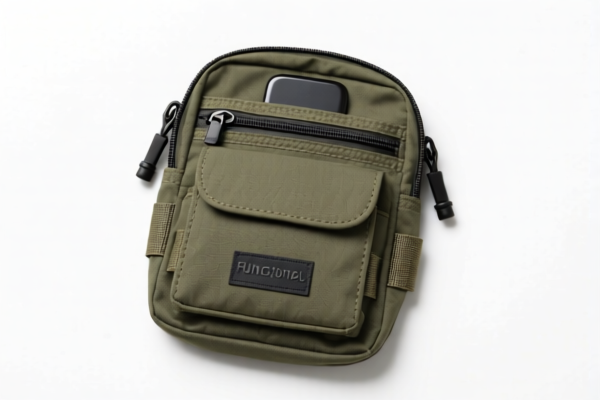
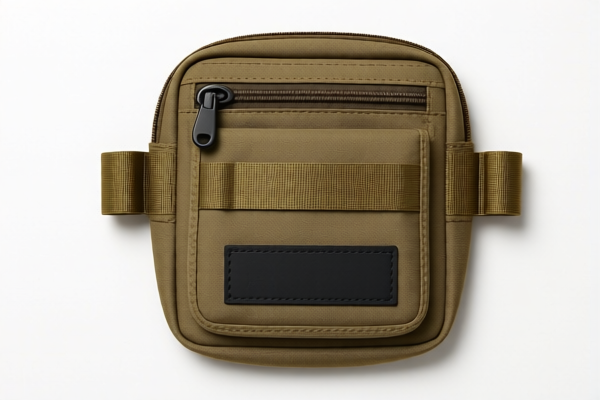
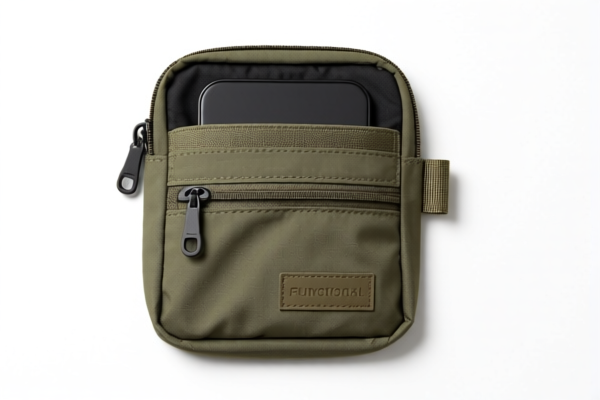
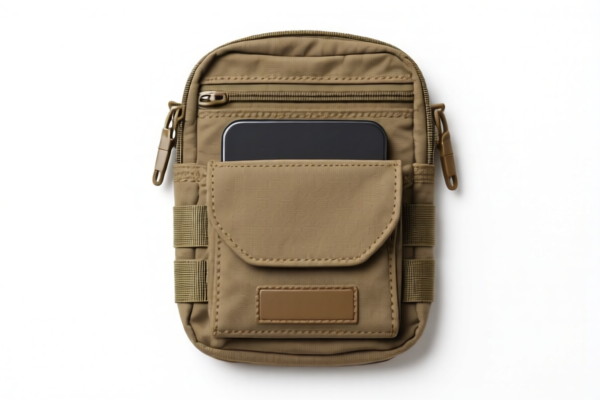
AI Analysis
🎒 Multifunctional Sleeve / Case (Multi-Purpose Storage Containers)
🌐 HS Code Reference & Customs Clearance Guide | 2026 Latest Tariff Analysis | Professional Clearance Strategy
📌 I. Product Definition & Classification: Do You Really Know "Multifunctional Sleeve"?
A "Multifunctional Sleeve" is a vague commercial term. In international trade, this product is not a single HS Code. It is classified based on its primary material and specific use case. The key to accurate classification lies in answering: What is it made of? and What does it carry?
Category 1: Plastic/Textile Sleeves (e.g., Laptop sleeves, Tablet cases) - Description: Rigid or semi-rigid containers made of plastics, textiles, or leather-like materials. - Key Feature: Designed for portability, often carried by hand or shoulder.
Category 2: Textile/Other Fabric Sleeves (e.g., Dust covers, Clothing sleeves, General fabric pouches) - Description: Soft, flexible articles made primarily of textile materials, not meeting the "bag" definition of Heading 4202. - Key Feature: Often used for protection rather than structured carrying.
⚠️ Critical Distinction:
- If the item is a structured bag/container with handles/straps and specific compartments (like a laptop sleeve), it likely falls under Chapter 42 (Leather/Textile Bags) or Chapter 39 (Plastic Articles).
- If the item is a simple fabric cover or "sleeve" without the characteristics of a bag (no handles, no rigid structure), it falls under Chapter 63 (Other Made Up Articles).
- Misclassification Risk: Declaring a plastic laptop sleeve as "textile" to avoid tariffs, or vice versa, leads to seizure or penalties.
📦 II. HS Code Classification Details (2026 Latest Tariff Authority)
Based on the provided <DATA>, here are the relevant HS Codes for "Multifunctional Sleeves" depending on material and function:
| HS Code | Product Description | Material | Key Characteristics |
|---|---|---|---|
6307.90.98.91 |
Other made up articles, including dress patterns: Other: Other: Other | Textile/Fabric | General purpose fabric sleeves, dust covers, non-structured textile pouches. |
6307.90.98.75 |
Other made up articles...: Face masks...: Other face masks | Textile/Fabric | Specific to Face Masks. If your "sleeve" is actually a reusable face mask cover, use this. |
3926.20.90.50 |
Articles of apparel and clothing accessories (including gloves...): Other: Other | Plastics | Plastic clothing accessories, plastic "sleeves" for garments, plastic protective covers. |
3926.90.10.00 |
Other articles of plastics: Buckets and pails | Plastics | Unlikely for sleeves. Only if the "sleeve" is actually a small plastic bucket/pail. |
4202.39.90.00 |
Trunks, suitcases...: Articles of a kind normally carried in the pocket or in the handbag: Other: Other | Leather/Plastic/Textile | Most likely for Laptop/Tablet Sleeves. Structured cases, wallets, cardholders, and small bags made of leather, plastic sheeting, or textile. |
4202.32.99.00 |
...: With outer surface of textile materials: Other: Other (871) | Textile | Structured textile bags/sleeves with specific outer surface requirements. |
🔍 Priority Analysis:
- For a standard laptop or tablet sleeve (the most common "multifunctional sleeve"),4202.39.90.00is the most appropriate classification if it resembles a bag/case.
- For a simple fabric pouch without structure,6307.90.98.91is applicable.
- For plastic protective covers (e.g., for furniture or electronics),3926.20.90.50may apply.
💰 III. 2026 Latest Tariff Rate Details (US-China Context)
✅ Applicable Country: United States (US)
✅ Origin: China (CN)
✅ Effective Date: Current rates apply for imports from China.
🎯 1. 6307.90.98.91 & 6307.90.98.75 —— Other Made-Up Articles / Face Masks
| Item | Content |
|---|---|
| Base Tariff | 7.0% |
| Additional Tariff (Section 301) | 7.5% |
| Total Tariff | 14.5% |
| Tax Calculation | CIF Value × 14.5% |
| De Minimis Exemption | ❌ Not Eligible (Section 301 goods are generally excluded from de minimis benefits if value exceeds thresholds, but typically Section 301 tariffs apply regardless of value for most commercial shipments). |
| Legal Basis | HTSUS 6307.90.98.91 / 6307.90.98.75 with Section 301 Footnote. |
📌 Explanation:
- Textile/fabric accessories like general sleeves or masks face a 14.5% total tariff.
- This is a medium-high tariff. Not as punitive as tech products, but significant for low-margin goods.
🎯 2. 3926.20.90.50 & 3926.90.10.00 —— Plastic Articles
| Item | Content |
|---|---|
| Base Tariff | 0.0% |
| Additional Tariff (Section 301) | 0.0% |
| Total Tariff | 0.0% |
| Tax Calculation | $0 |
| De Minimis Exemption | ✅ Eligible (If value < $800, subject to current CBP rules). |
| Legal Basis | HTSUS 3926.20.90.50 / 3926.90.10.00. |
📌 Explanation:
- Plastic sleeves/accessories are duty-free!
- This is a major cost advantage. If your product can be classified as a plastic accessory (e.g., a plastic computer sleeve or furniture protector), you save 14.5% compared to textile equivalents.
- Caution: Must be genuinely plastic. If it has textile lining, classification may shift.
🎯 3. 4202.39.90.00 & 4202.32.99.00 —— Leather/Textile Bags & Cases
| Item | Content |
|---|---|
| Base Tariff | 0.0% |
| Additional Tariff (Section 301) | 0.0% |
| Total Tariff | 0.0% |
| Tax Calculation | $0 |
| De Minimis Exemption | ✅ Eligible (If value < $800). |
| Legal Basis | HTSUS 4202.39.90.00 / 4202.32.99.00. |
📌 Explanation:
- Bag-like sleeves (laptop bags, tablet cases) are also duty-free!
- This is the most favorable classification for structured sleeves.
- If your "multifunctional sleeve" is a laptop sleeve, camera bag, or toiletry bag, ensure it meets the Chapter 42 definition (carried in hand/pocket, specific type of container).
🛠️ IV. Customs Clearance Practical Advice (Battle-Tested Pitfall Avoidance)
✅ 1. Material Documentation is Key
| Document | Must Provide | Description |
|---|---|---|
| ✅ Material Composition Report | ✔️ | Must specify % of Plastic, Textile, Leather, Foam, etc. |
| ✅ Product Photos (Clear) | ✔️ | Show zippers, handles, compartments, and material texture. |
| ✅ Function Description | ✔️ | Explain what it carries (e.g., "Laptop Sleeve," "Camera Case," "Dust Cover"). |
| ✅ Commercial Invoice | ✔️ | Describe as "Plastic Laptop Case" or "Textile Bag," NOT generic "Sleeve." |
🔥 Golden Rule:
"Material dictates Chapter, Function dictates Heading."
- Plastic + Bag-like →3926or4202(0% tariff)
- Textile + Bag-like →4202(0% tariff)
- Textile + Non-Bag (Simple Cover) →6307(14.5% tariff)
✅ 2. Classification Strategy (Key Mantra)
| Scenario | Correct HS Code | Wrong Code | Consequence |
|---|---|---|---|
| Laptop/Tablet Sleeve (Structured) | 4202.39.90.00 |
6307.90.98.91 |
Save 14.5% tariff by using Chapter 42. |
| Simple Fabric Dust Cover | 6307.90.98.91 |
4202.39.90.00 |
If misclassified as bag, may be rejected for lacking bag features. |
| Plastic Protective Sleeve | 3926.20.90.50 |
6307.90.98.91 |
Save 14.5% tariff. |
| Face Mask | 6307.90.98.75 |
4202.39.90.00 |
Must use specific mask code if applicable. |
✅ 3. Special Handling
| Situation | Recommendation |
|---|---|
| Mixed Material Sleeve (e.g., Plastic exterior + Textile interior) | Check Chapter 39 Notes vs. Chapter 42 Notes. If primarily plastic, it may stay in Ch 39 (0%). If primarily textile, check if it fits Ch 42 (0%). Avoid Ch 63 (14.5%) if possible. |
| "Multifunctional" Marketing | Avoid vague terms in HS Code application. Use specific terms like "Laptop Case" or "Storage Pouch." |
| De Minimis (Section 321) | If shipping < $800 per recipient, and HS Code is 0%, entry is simple. If HS Code is 14.5%, de minimis may not apply if Section 301 goods are excluded (check latest CBP guidance). |
🌍 V. Global Market Comparison (2026)
| Country | Recommended HS Code | Tariff Rate | Notes |
|---|---|---|---|
| 🇺🇸 USA | 4202.39.90.00 / 3926.20.90.50 |
0% | Best for structured/plastic sleeves. |
| 🇺🇸 USA | 6307.90.98.91 |
14.5% | For simple fabric covers. |
| 🇪🇺 EU | Varies by Material | 0% - 4% | Generally lower tariffs, but VAT applies. |
| 🇨🇳 China | Varies | 0% - 7% | Import duties vary, but domestic sales tax applies. |
| 🇬🇧 UK | Varies | 0% - 5% | Post-Brexit rules apply. |
📌 Conclusion:
- US Market is Tariff-Sensitive: Classification between6307(14.5%) and4202/3926(0%) is a $14.50 savings per $100 of goods.
- Maximize Duty-Free Status: Ensure your "sleeve" is classified as a bag/case (Ch 42) or plastic article (Ch 39), NOT a "made-up textile article (Ch 63)."
📌 VI. Common Mistakes & Pitfalls (Lessons Learned)
❌ Mistake 1: Using "Sleeve" in HS Description without specifying material.
👉 Result: Customs assigns worst-case scenario or requests detailed breakdown → Delay.
❌ Mistake 2: Classifying a structured laptop bag as "Textile Accessory" (6307) to simplify.
👉 Result: Overpaying 14.5% tariff. It should be 4202.39.90.00 (0%).
❌ Mistake 3: Ignoring material composition in mixed goods.
👉 Result: If a sleeve is 51% textile, it goes to Ch 63 (14.5%). If 51% plastic, it may go to Ch 39 (0%). Accuracy is financial freedom.
✅ Correct Approach:
"Laptop Sleeve, 15-inch, Outer: 100% Nylon (Textile), Inner: Foam/Lining, with Zipper, Designed for Carrying Laptop."
→ Classify as4202.39.90.00(Bag/Case) for 0% tariff.
🎯 VII. Conclusion: Professional Declaration, Cost Efficiency
🎯 Remember the Mantra:
🔹 "Bag is Zero, Cover is Fifteen, Plastic is Free, Textile is Steep!"
🔹 "Define Structure, Define Material, Define Tariff Savings."
📌 Pro Tip:
If your product is a simple pouch without handles/structure, it might fall under 6307 (14.5%). To avoid this, add handles, zippers, and rigid structure to classify it as a Bag (4202) or Case (3926/4202) for 0% duty.
📣 Immediate Action:
📞 Verify material composition → Choose Chapter 42 or 39 over Chapter 63 → Save 14.5% Tariff.
🚀 Clear your goods efficiently, maximize profit margins!
✨ Professional Customs Clearance Starts with Precise Classification!
💼 Every percentage point counts in your bottom line!
Customer Reviews
About HS Code Classification
The Harmonized System (HS) is an internationally standardized nomenclature developed by the World Customs Organization (WCO) to classify traded products. Over 200 countries use the HS system as the basis for customs tariffs, trade statistics, and import/export regulations.
Each HS code follows a hierarchical structure:
- Chapter (2 digits) — Broad category of goods (e.g., Chapter 84: Machinery and Mechanical Appliances)
- Heading (4 digits) — More specific grouping within the chapter
- Subheading (6 digits) — Internationally standardized breakdown, used by all WCO member countries
- National subdivisions (8-10 digits) — Country-specific extensions for further classification, such as US HTSUS 10-digit codes
Correct HS code classification is essential for smooth customs clearance, accurate duty payment, and compliance with trade regulations. Misclassification can lead to customs delays, overpayment of duties, or penalties.
When importing from CN to US, the applicable tariff rates may include:
- Most-Favored-Nation (MFN) rate — The standard duty rate applied to WTO members
- General rate — Applied to countries without trade agreements
- Trade remedy duties — Additional tariffs such as Section 301 (anti-dumping), Section 232 (national security), or countervailing duties
The information provided on this page is for reference purposes only. For official classification, please consult with your local customs authority or a licensed customs broker.