Mural
CN → US| HS Code | Tariff Rate | Origin | Destination | Doc |
|---|---|---|---|---|
| 9701910000 | 10.0% | CN | US | Official Doc |
| 3926400090 | 15.3% | CN | US | Official Doc |
| 4421913000 | 20.7% | CN | US | Official Doc |
Product Images
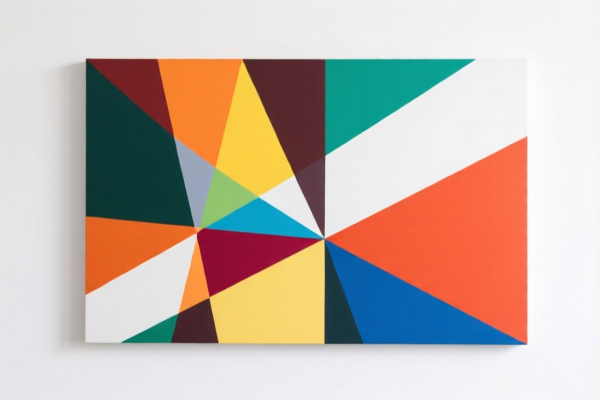
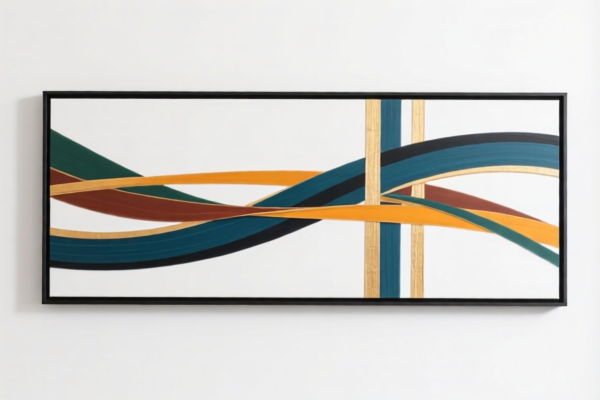
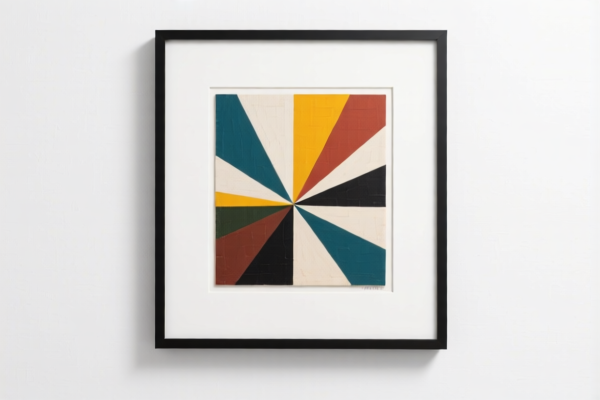
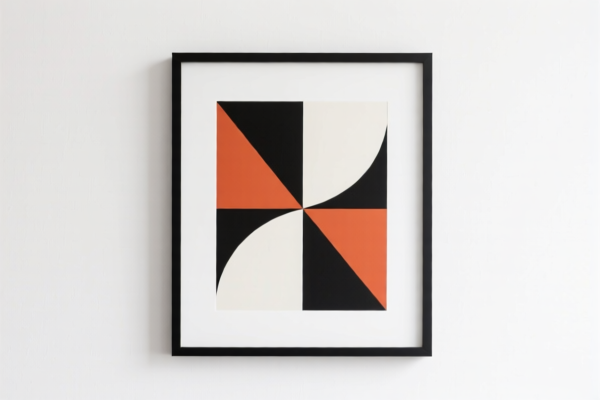
AI Analysis
🎨 Mural (Wall Art / Decorative Paintings)
🌐 HS Code Reference & Customs Clearance Guide | 2026 Latest Tariff Analysis | Strategic Classification Strategy
Mural generally refers to large-scale decorative paintings, artworks, or wall hangings intended for interior decoration. In international trade, the classification of "Mural" is highly sensitive to material composition and physical form. Misclassification can lead to significant tariff discrepancies, ranging from 10% to over 38%.
⚠️ Critical Distinction:
- Is it a traditional painting/canvas (Textile/Paper/Plaster)? → Likely Chapter 97.
- Is it a decorative object/statue (Plastic/Ceramic)? → Likely Chapter 39.
- Is it wooden/bamboo (Wood structure)? → Likely Chapter 44.
📦 II. HS Code Classification Details (2026 Latest Tariff Reference)
The following classifications are derived strictly from the provided dataset. Each code represents a different physical interpretation of "Mural."
| HS Code | Product Description & Summary | Material/Form Factor | Total Tax Rate (China to US) |
|---|---|---|---|
9701.91.00.00 |
Paintings: Decorative works, paintings, drawings, and pastels, executed entirely by hand (excluding technical/planning drawings). | Canvas, Paper, Plaster, Traditional Art | 10.0% |
3926.40.00.90 |
Decorations: Statues and other ornamental articles for interior decoration. | Plastic, Resin, Synthetic Materials | 15.3% |
3926.40.00.10 |
Decorations: Decorative articles, likely plastic-based wall hangings. | Plastic (Specific Sub-category) | 15.3% |
4421.91.30.00 |
Wood Products: Bamboo screens, sunshades, or woven bamboo wall decorations. | Bamboo/Woven Wood Structure | 20.7% |
4421.91.98.80 |
Wood Products: Other wooden/bamboo decorative articles (not specified elsewhere). | Solid Wood, Bamboo Panels | 38.3% |
🔍 Key Insight:
- Lowest Tax (10%): Achieved only if the item is classified as a hand-executed painting (9701). This requires proof of artistic intent (e.g., canvas, brushwork).
- Highest Tax (38.3%): Applies to general wooden/bamboo decor (4421) due to the叠加 (stacking) of Section 301 tariffs.
- Middle Ground (15-20%): Plastic decorative items (3926) or Bamboo screens (4421).
💰 III. 2026 Latest Tariff Breakdown (Detailed Tax Analysis)
✅ Applicable Country: United States (US)
✅ Origin: China (CN)
✅ Validity: Based on current Section 301 and IEEPA provisions
🎯 1. 9701.91.00.00 —— Hand-Executed Paintings & Artworks
The most favorable classification for true artistic murals.
| Item | Detail |
|---|---|
| Base Duty | 0.0% |
| Section 301 (122 Clause) | +10.0% |
| Total Effective Rate | 10.0% |
| Tax Logic | Artworks are generally duty-free at the base level. The 10% is the specific "122 Clause" tariff applied to Chinese origin goods. |
| Legal Basis | USITC:9701.91.00.00 → Section 301: 10% |
📌 Why this matters:
- If your mural is a printed canvas, fabric poster, or wall decal that can be argued as "hand-executed" or "artistic," this is the cheapest path.
- Requires strong documentation proving it is a "work of art" rather than a mass-produced industrial good.
🎯 2. 3926.40.00.90 & 3926.40.00.10 —— Plastic Decorative Articles
For plastic wall hangings, PVC murals, or synthetic ornaments.
| Item | Detail |
|---|---|
| Base Duty | 5.3% |
| Section 301 (122 Clause) | +10.0% |
| Total Effective Rate | 15.3% |
| Tax Logic | Plastic decorative items have a base tariff. The 10% is added on top. |
| Legal Basis | USITC:3926.40 → Section 301: 10% |
📌 Difference between .90 and .10:
-.90: General "statues and other ornamental articles."
-.10: Specific sub-category for plastic decorations.
- Both carry the same total rate (15.3%), so the distinction is mainly for inventory and statistical reporting.
🎯 3. 4421.91.30.00 —— Bamboo Screens / Sunshades
For woven bamboo, rattan, or wooden lattice wall decorations.
| Item | Detail |
|---|---|
| Base Duty | 10.7% |
| Section 301 (122 Clause) | +10.0% |
| Total Effective Rate | 20.7% |
| Tax Logic | Higher base duty (10.7%) for wooden/bamboo products compared to plastic. |
📌 Note: If the bamboo product is structured as a "screen" or "blind," it falls here. If it’s a solid panel, it may move to
.98.
🎯 4. 4421.91.98.80 —— Other Wood/Bamboo Decorations
For solid wood panels, wooden murals, or non-specified bamboo items.
| Item | Detail |
|---|---|
| Base Duty | 3.3% |
| Section 301 (25% Clause) | +25.0% |
| Section 301 (122 Clause) | +10.0% |
| Total Effective Rate | 38.3% |
| Tax Logic | CRITICAL WARNING: This classification triggers the 25% Section 301 tariff in addition to the 10% and base duty. |
📌 Why so high?
- Many wooden decorative items from China are subject to the aggressive 25% trade war tariff.
- Avoid this code unless necessary. It is nearly 4x more expensive than the painting classification.
🛠️ IV. Customs Clearance Practical Advice (Pitfall Avoidance Guide)
✅ 1. Material Declaration Strategy
| Product Type | Recommended HS Code | Strategy |
|---|---|---|
| Canvas Prints / Painted Wallpapers | 9701.91.00.00 |
Declare as "Decorative Paintings" or "Wall Hangings." Emphasize artistic value. |
| PVC/Vinyl Wall Stickers | 3926.40.00.90 |
Declare as "Plastic Decorative Articles." Do NOT call them "paintings." |
| Woven Bamboo Panels | 4421.91.30.00 |
Declare as "Bamboo Screens" or "Sunshades." |
| Solid Wood Wall Art | 4421.91.98.80 |
High Risk. Consider if it can be reclassified as a "statue" (3926 if composite) or negotiate with broker. |
✅ 2. Documentation Requirements
| Document | Purpose | Tip |
|---|---|---|
| Commercial Invoice | Clearly state "Mural" vs. "Wood Panel" | Use specific descriptions like "Hand-painted Canvas Mural" vs. "Engineered Wood Decor." |
| Product Photos | Prove Material & Form | Show texture (canvas weave, plastic gloss, wood grain). |
| Material Declaration | Confirm Substance | Explicitly state "100% Cotton Canvas" or "PVC Plastic." |
Artistic Proof (for 9701) |
Support Art Classification | Include artist signature, certificate of authenticity, or proof of hand-execution to justify lower tax. |
✅ 3. Common Mistakes & Consequences
❌ Mistake 1: Declaring a wooden wall panel as "Painting" (9701).
👉 Consequence: Customs will inspect and reclassify to 4421, leading to 38.3% tax + penalties.
✅ Fix: Accurate material declaration is paramount.
❌ Mistake 2: Declaring a plastic wall sticker as "Wood Decor."
👉 Consequence: Unlikely to happen, but if misdeclared as 4421.91.98.80, you pay 38.3% instead of 15.3%.
✅ Fix: Always declare the primary material.
❌ Mistake 3: Ignoring the "25% Clause."
👉 Consequence: For wood products (4421.91.98.80), failing to account for the 25% Section 301 tariff can bankrupt the shipment.
✅ Fix: Check the HS Code suffix carefully. .98.80 often carries the 25% tariff.
🌍 V. Global Market Comparison (2026)
| Market | Typical HS for Mural | Base Duty | Additional Tariffs | Total Est. Tax |
|---|---|---|---|---|
| 🇺🇸 USA | 9701.91.00.00 |
0% | 10% (Section 301) | 10.0% |
| 🇺🇸 USA (Wood) | 4421.91.98.80 |
3.3% | 35% (25% + 10%) | 38.3% |
| 🇪🇺 EU | 9701.00.00.00 |
0% | None | 0.0% |
| 🇨🇳 China (Import) | 9701.00.00.00 |
5% | None | 5.0% |
📌 Insight:
- The USA is the only market in this dataset with significant additional tariffs on Chinese-origin goods.
- EU and China offer duty-free or low-duty entry for artistic murals (9701).
- If exporting to the US, material choice (Plastic vs. Wood) has a huge tax impact.
📌 VI. Conclusion & Pro Tips
🎯 Final Recommendation:
- If possible, classify as
9701.91.00.00(Painting): - Tax: 10.0%
-
Requirement: Must be canvas, paper, or similar artistic medium. Provide photos showing artistic nature.
-
If Plastic (PVC/Vinyl):
- Classify as
3926.40.00.90 - Tax: 15.3%
-
Safe: Lower risk of reclassification than wood.
-
Avoid
4421.91.98.80if possible: - Tax: 38.3%
- Reason: The 25% Section 301 tariff is brutal. Try to use bamboo screens (
4421.91.30.00, 20.7%) if it’s bamboo, as it avoids the 25% clause.
🚀 Action Plan for Exporters:
- Audit Material: Is it canvas, plastic, or wood?
- Check HS Code: Match material to the correct HS Code in the table above.
- Prepare Docs: Invoice must match the HS Code description exactly.
- Calculate Cost: Include the 10-38% tax in your pricing model.
✨ Pro Tip:
"Material is King, Art is Queen, Wood is the Expensive Guest!"
Choose your material wisely to save up to 28% in taxes!
📌 Disclaimer: This guide is for reference only. Always consult a licensed customs broker for final classification and compliance. Tariff rates are subject to change based on US Trade Policy updates.
Customer Reviews
About HS Code Classification
The Harmonized System (HS) is an internationally standardized nomenclature developed by the World Customs Organization (WCO) to classify traded products. Over 200 countries use the HS system as the basis for customs tariffs, trade statistics, and import/export regulations.
Each HS code follows a hierarchical structure:
- Chapter (2 digits) — Broad category of goods (e.g., Chapter 84: Machinery and Mechanical Appliances)
- Heading (4 digits) — More specific grouping within the chapter
- Subheading (6 digits) — Internationally standardized breakdown, used by all WCO member countries
- National subdivisions (8-10 digits) — Country-specific extensions for further classification, such as US HTSUS 10-digit codes
Correct HS code classification is essential for smooth customs clearance, accurate duty payment, and compliance with trade regulations. Misclassification can lead to customs delays, overpayment of duties, or penalties.
When importing from CN to US, the applicable tariff rates may include:
- Most-Favored-Nation (MFN) rate — The standard duty rate applied to WTO members
- General rate — Applied to countries without trade agreements
- Trade remedy duties — Additional tariffs such as Section 301 (anti-dumping), Section 232 (national security), or countervailing duties
The information provided on this page is for reference purposes only. For official classification, please consult with your local customs authority or a licensed customs broker.