Muscle Abdominal Exerciser
CN → US| HS Code | Tariff Rate | Origin | Destination | Doc |
|---|---|---|---|---|
| 9019102010 | 10.0% | CN | US | Official Doc |
| 9506910010 | 22.1% | CN | US | Official Doc |
| 9506910030 | 22.1% | CN | US | Official Doc |
| 9019102050 | 10.0% | CN | US | Official Doc |
| 8509805095 | 14.2% | CN | US | Official Doc |
Product Images
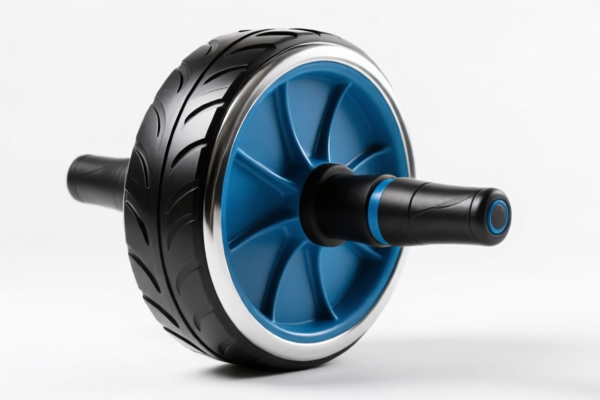
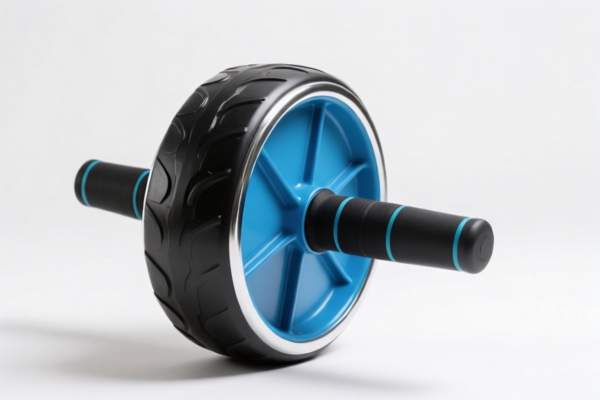
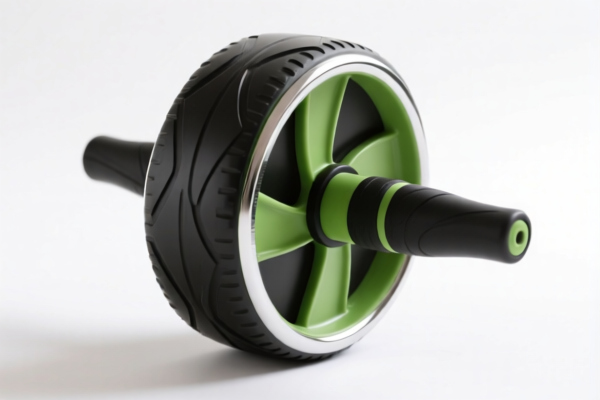
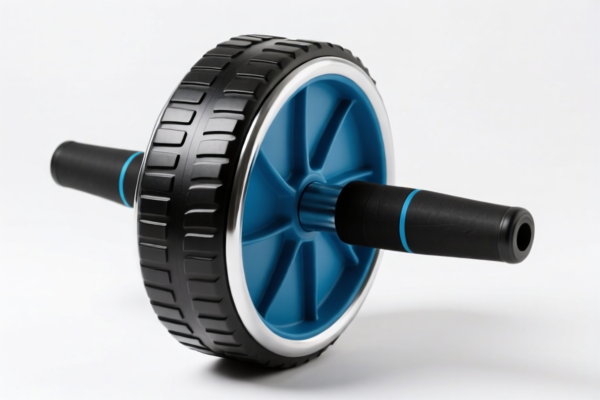
AI Analysis
🏋️♂️ Muscle Abdominal Exerciser (Fitness & Medical Devices)
🌐 HS Code Reference & Customs Clearance Guide | 2026 Tariff Analysis | Strategic Classification for US Imports
📌 I. Product Definition & Classification: What Exactly is a "Muscle Abdominal Exerciser"?
A Muscle Abdominal Exerciser is a versatile fitness tool designed to target abdominal muscles. However, in international trade, its classification depends heavily on its design, function, and components. It generally falls into two distinct categories:
- Mechanical Fitness Equipment: Non-electric devices (e.g., roller wheels, spring-loaded belts) used for general physical exercise.
- Electronic/Medical Devices: Electric or smart belts with vibration, EMS (Electrical Muscle Stimulation), or massage functions, potentially classified as home appliances or medical massage devices.
⚠️ Key Distinction Point:
- If it is a non-electric, manual device (like an ab roller) → It is Sports Equipment (9506.91).
- If it is an electric device marketed for health/medical therapy (massage/EMS) → It may be Medical/Therapeutic (9019.10) or Home Appliance (8509.80).
📦 II. HS Code Classification Details (2026 Tariff Authority Comparison)
Based on the provided data, here is the detailed breakdown of possible HS Codes and their corresponding tax liabilities.
| HS Code | Product Description | Key Logic/Summary | Total Tax Rate |
|---|---|---|---|
9019.10.20.10 |
Mechanical Therapy Device | Classified as mechanical therapy/massage equipment. Fits the function of "mechanical therapy" under this subheading. | 10.0% |
9019.10.20.50 |
Mechanical Massage Device | Classified as a non-electric "other" massage device under mechanical treatment/massage equipment. | 10.0% |
9506.91.00.10 |
General Sports Equipment | Classified as sports/exercise equipment for general physical exercise. No material conflict. | 22.1% |
9506.91.00.30 |
General Physical Exercise Articles | Similar to above; fits "Articles and equipment for general physical exercise." Material: Steel/Aluminum/Copper subject to surcharges. | 22.1% |
8509.80.50.95 |
Home Appliance (Smart Belt) | Electric control components present; classified as "other" household electrical appliances. | 14.2% |
8509.80.50.80 |
Home Appliance (Motorized) | Motor-driven household appliance. Fits "other appliances" with no material/form conflict. | 14.2% |
💰 III. 2026 Latest Tariff Rate Breakdown (Including Surcharges)
✅ Applicable Country: United States (US)
✅ Origin: China (CN)
✅ Effective Time: From November 10, 2025 (for subsequent imports)
🎯 1. 9019.10.20.10 & 9019.10.20.50 —— Mechanical Therapy/Massage Devices
| Item | Details |
|---|---|
| Base Tariff | 0.0% (ad valorem) |
| Section 301 Surcharge | 0.0% |
| Section 122 Tariff | +10% |
| Total Tax Rate | 10.0% |
| Tax Calculation | CIF Value × 10% |
| Legal Basis | 122: Section 122 Tariff Clause |
📌 Explanation:
- These codes benefit from zero base and zero Section 301 tariffs. - The only additional cost is the 10% Section 122 tariff. - Strategy: This is the lowest tax rate option if the device can be legitimately classified as a "mechanical therapy/massage" device rather than sports gear.
🎯 2. 9506.91.00.10 & 9506.91.00.30 —— General Sports & Exercise Equipment
| Item | Details |
|---|---|
| Base Tariff | 4.6% |
| Section 301 Surcharge | +7.5% |
| Section 122 Tariff | +10% |
| Steel/Aluminum/Copper Surcharge | +50% (If made of these materials) |
| Total Tax Rate | 22.1% (Standard) 72.1% (If Steel/Al/Cu) |
| Tax Calculation | CIF Value × 22.1% (or 72.1%) |
| Legal Basis | 301: Section 301 Tariff + 122: Section 122 Tariff + Steel/Al/Cu Surcharge |
📌 Critical Warning:
- If your abdominal exerciser contains steel, aluminum, or copper components, the 50% steel/aluminum surcharge applies! - This leads to a total rate of 72.1%, which is extremely high and may render the product unprofitable. - Even without metal surcharges, 22.1% is more than double the medical/therapy rate (10%).
🎯 3. 8509.80.50.95 & 8509.80.50.80 —— Smart/Electric Abdominal Belts (Home Appliances)
| Item | Details |
|---|---|
| Base Tariff | 4.2% |
| Section 301 Surcharge | 0.0% |
| Section 122 Tariff | +10% |
| Total Tax Rate | 14.2% |
| Tax Calculation | CIF Value × 14.2% |
| Legal Basis | 122: Section 122 Tariff Clause |
📌 Explanation:
- Electric "Smart Abdominal Belts" with electronic controls fall under household appliances. - They enjoy 0% Section 301 surcharge (unlike sports equipment). - The total rate is 14.2%, which is higher than mechanical therapy (10%) but significantly lower than steel-based sports equipment (22.1% or 72.1%).
🛠️ IV. Customs Clearance Practical Advice (Avoid Pitfalls)
✅ 1. Documentation Checklist (Essential)
| Document | Required? | Notes |
|---|---|---|
| Product Specification Sheet | ✅ Yes | Must clarify: Is it electric or manual? Does it have EMS/massage functions? |
| Photos (Including Label) | ✅ Yes | Show model number, brand, input voltage (if electric), and power switch. |
| User Manual | ✅ Yes | Describes usage: "Exercise" vs. "Therapy/Massage." |
| Test Reports | ✅ Yes | FCC (if electric), CE, RoHS. Essential for 8509 codes. |
| Commercial Invoice | ✅ Yes | Clearly state: "Abdominal Exerciser" or "Massage Belt." |
| Bill of Lading | ✅ Yes | Ensure weight and dimensions match invoice. |
✅ 2. Classification Strategy (Key Mantra)
🔥 “Function Determines Code, Material Determines Tax!”
| Scenario | Recommended HS Code | Why? |
|---|---|---|
| Non-electric Roller/Spring | 9506.91.00.10 or 9506.91.00.30 |
It is a sports device. Beware of 50% steel surcharge if metal parts exist. |
| Electric Belt with Massage/Vibration | 8509.80.50.95 or 8509.80.50.80 |
Classified as a home appliance. 14.2% tax. No steel surcharge. |
| Device Claimed as "Medical Therapy" | 9019.10.20.10 or 9019.10.20.50 |
If it provides mechanical therapy/massage, 10% tax is the lowest. Requires strong medical/therapy justification. |
✅ 3. Special Handling & Pitfalls
| Situation | Advice |
|---|---|
| Hybrid Devices | If it is both a "sports trainer" and a "massager," customs may prefer 9506 (Sports). To get 9019, emphasize therapeutic claims in marketing. |
| Metal Components | If using 9506 codes, check material composition. If >50% steel/aluminum, expect 72.1% tax. Consider using 8509 or 9019 to avoid this. |
| "Smart" Devices | If it has Bluetooth/app control, it must be 8509 or 9019. It cannot be classified as a simple mechanical sports item. |
| Pre-Certification | For 9019 (Medical/Therapy), ensure the device does not make illegal medical claims unless it has FDA clearance. Otherwise, customs may reject the classification. |
🌍 V. Global Market Comparison (2026)
| Region | Recommended HS Code | Estimated Tax (China Origin) | Notes |
|---|---|---|---|
| 🇺🇸 USA | 9019.10.20.10 |
10.0% | Best rate. |
| 🇺🇸 USA | 9506.91.00.30 |
22.1% (or 72.1%) | High risk if metal. |
| 🇺🇸 USA | 8509.80.50.95 |
14.2% | Good for electric smart belts. |
| 🇪🇺 EU | 9506.91 |
0-5% | No Section 122/301 surcharges. |
| 🇨🇳 China | 9506.91 |
5-8% | Lower base tariffs. |
📌 Conclusion:
- USA Market: The classification choice drastically impacts profit.
- Lowest Tax:9019.10.20.10(10%) – Requires therapy justification.
- Safe Alternative:8509.80.50.95(14.2%) – For electric devices, no metal surcharge.
- Avoid:9506if the product contains steel/aluminum components due to the 50% surcharge.
📌 VI. Common Errors & Pitfalls (Lessons Learned)
❌ Error 1: Classifying an electric smart belt as a mechanical sports item (9506).
👉 Consequence: Customs may reclassify it to 8509 or 9019, leading to delays and potential penalties.
❌ Error 2: Ignoring the Steel/Aluminum Surcharge on 9506 codes.
👉 Consequence: Unexpected tax bill of 72.1% instead of 22.1%, wiping out margins.
❌ Error 3: Claiming medical therapy without proper documentation for 9019.
👉 Consequence: Customs may reject the "medical" classification, forcing a move to 8509 or 9506 with higher taxes.
✅ Correct Approach:
- If manual & non-metal: Use
9506.- If electric: Use
8509.80.50.95(14.2%).- If mechanical therapy: Use
9019.10.20.10(10%) with strong therapeutic evidence.
🎯 VII. Conclusion: Professional Classification Saves Money!
🎯 Remember the Mantra:
🔹 “Electric? Go Home Appliance (
8509)! 14.2%!”
🔹 “Therapy? Go Medical (9019)! 10.0%!”
🔹 “Sports Metal? Watch Out! 72.1%!”
📌 Tip:
For Smart Abdominal Belts,
8509.80.50.95is the safest bet to avoid metal surcharges and Section 301 tariffs.
For Non-electric rollers, verify material content. If minimal steel,9506is okay; otherwise, consider rebranding as a "mechanical massager" for9019.
📣 Immediate Action:
📞 Consult with a customs broker to confirm material composition and device function.
📝 Apply for an Advance Ruling if the classification is ambiguous.
🚀 Clear Customs Smoothly, Maximize Profits!
✨ Professional clearance starts with precise classification!
💼 Every dollar of tax matters!
Customer Reviews
About HS Code Classification
The Harmonized System (HS) is an internationally standardized nomenclature developed by the World Customs Organization (WCO) to classify traded products. Over 200 countries use the HS system as the basis for customs tariffs, trade statistics, and import/export regulations.
Each HS code follows a hierarchical structure:
- Chapter (2 digits) — Broad category of goods (e.g., Chapter 84: Machinery and Mechanical Appliances)
- Heading (4 digits) — More specific grouping within the chapter
- Subheading (6 digits) — Internationally standardized breakdown, used by all WCO member countries
- National subdivisions (8-10 digits) — Country-specific extensions for further classification, such as US HTSUS 10-digit codes
Correct HS code classification is essential for smooth customs clearance, accurate duty payment, and compliance with trade regulations. Misclassification can lead to customs delays, overpayment of duties, or penalties.
When importing from CN to US, the applicable tariff rates may include:
- Most-Favored-Nation (MFN) rate — The standard duty rate applied to WTO members
- General rate — Applied to countries without trade agreements
- Trade remedy duties — Additional tariffs such as Section 301 (anti-dumping), Section 232 (national security), or countervailing duties
The information provided on this page is for reference purposes only. For official classification, please consult with your local customs authority or a licensed customs broker.