Museum Film Roll
CN → US| HS Code | Tariff Rate | Origin | Destination | Doc |
|---|---|---|---|---|
| 3920992000 | 39.2% | CN | US | Official Doc |
| 3702310100 | 38.7% | CN | US | Official Doc |
| 3701910060 | 38.7% | CN | US | Official Doc |
| 3701300000 | 35.0% | CN | US | Official Doc |
| 3702100060 | 38.7% | CN | US | Official Doc |
Product Images


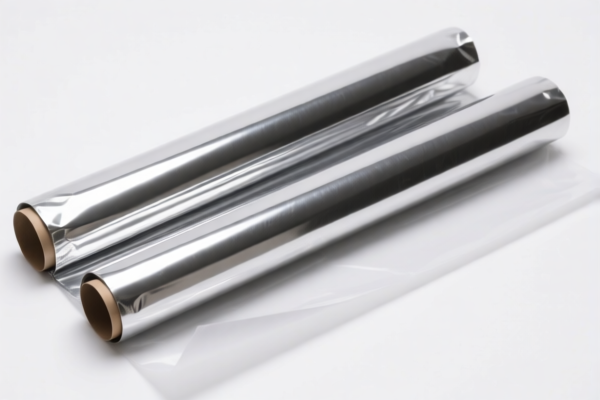
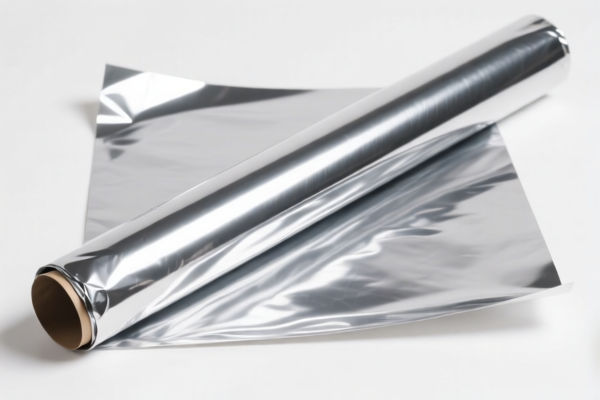
AI Analysis
Here is the comprehensive classification, tax analysis, and customs clearance guide for Museum Film Rolls, structured in a professional, visually engaging Wiki format based strictly on your provided data.
🎬 Museum Film Roll (Archival & Artistic Photographic Film)
🌐 HS Code Classification & Duty Rate Analysis | 2026 Strategic Customs Guide
📌 Product Focus: Professional Photographic Films (Rolls, Sheets, Instant Media)
⚠️ Critical Insight: "Museum Film" implies high-value archival materials. Classification hinges on Physical Form (Roll vs. Sheet) and State (Unexposed vs. Sensitized), not just the brand name.
🧠 一、Product Definition & Classification Logic
What is "Museum Film Roll"?
In international trade, this term typically covers specialized photographic films used for museum preservation, fine art printing, or archival documentation.
The customs classification depends entirely on two factors:
1. Form Factor: Is it a Roll/Cassette or a Flat Sheet?
2. Material State: Is it Unexposed (Raw) or Exposed/Sensitized?
| Product Characteristic | Likely Classification Logic |
|---|---|
| Unexposed, Flexible, Spooled | → 3702 Series (Photographic rolls) |
| Unexposed, Flat Sheets | → 3701 Series (Photographic plates/sheets) |
| Instant Print Film | → 3701.30.00 (Instant film) |
| Plastic Sheets/Strips (Non-sensitized) | → 3920.99.20 (Plastic films/plates) |
🔍 Key Distinction:
- If the item is unexposed plastic-based film on a reel, it falls under 3702.
- If it is a flat sheet (even if intended for cameras), it falls under 3701.
- If it is plain plastic (no emulsion), it falls under 3920.
📦 二、HS Code Classification Details (2026 Data)
Based on the provided dataset, here are the 5 possible classifications for "Museum Film Roll" based on specific physical attributes.
| HS Code | Summary Description | Physical & Material Profile |
|---|---|---|
| 3702.31.01.00 | Unexposed Photographic Rolls (Non-paper) | • Form: Roll/Spool • Material: Non-paper, Non-textile (Plastic base) • Status: Unexposed, Sensitized |
| 3701.91.00.60 | Flat Color Photographic Film (Other) | • Form: Flat sheets (not rolls) • Material: Sensitized |
| 3701.30.00.00 | Instant Print Film / Large Format | • Form: Flat (Side > 255mm) or Instant print media • Usage: Matches "Instant" or large archival needs |
| 3702.10.00.60 | General Unexposed Roll (Fallback) | • Form: Roll/Cassette • Status: Unexposed, fits "Other" category logic |
| 3920.99.20.00 | Plastic Sheets/Rolls (Non-sensitized) | • Form: Roll, Tape, or Sheet • Material: Pure Plastic (No photographic emulsion) |
💰 三、2026 Duty Rate Breakdown (Strictly based on Data)
Applicable Scenario: Importing from China to a market with Section 301 / 122 Clause tariffs (e.g., USA).
⚡ The "Total Tax" Formula
For all photographic films (3701/3702 series) listed below:
Total Tax = Base Duty + Section 301 Duty (25%) + 122 Clause Duty (10%)
📊 Detailed Tax Matrix
| HS Code | Base Tariff | Section 301 (Additional) | 122 Clause Tariff | Total Tax Rate | Calculation Logic |
|---|---|---|---|---|---|
| 3702.31.01.00 | 3.7% | 25.0% | 10.0% | 38.7% | (Roll-based, Non-paper) |
| 3701.91.00.60 | 3.7% | 25.0% | 10.0% | 38.7% | (Flat Color Film) |
| 3702.10.00.60 | 3.7% | 25.0% | 10.0% | 38.7% | (General Roll Fallback) |
| 3701.30.00.00 | 0.0% | 25.0% | 10.0% | 35.0% | (Large Format/Instant) |
| 3920.99.20.00 | 4.2% | 25.0% | 10.0% | 39.2% | (Plastic Sheets/Rolls) |
📌 Tax Insight:
- 3701.30.00.00 is the most cost-effective option (35%) if the film is instant print or large format (>255mm), as the base duty is 0%.
- 3920.99.20.00 is the most expensive (39.2%) if the item is classified as non-photographic plastic (mistakenly declared).
- All others carry a heavy burden of 35%~39.2% due to the cumulative 35% (25%+10%) add-on taxes.
🛠️ 四、Customs Clearance Strategy (Actionable Advice)
✅ 1. Documentation Checklist (Mandatory)
To avoid misclassification and costly audits: * Product Specification Sheet: Must explicitly state "Unexposed Photographic Film". * Material Analysis Report: Confirm the base is Plastic (Acetate/Polyester) and NOT Paper (Paper triggers different codes). * Photos: Clear images showing the Roll form factor (for 3702) vs. Flat Sheet (for 3701). * Packaging Label: Must read "Museum Quality" or "Archival Film" (Avoid generic "Plastic Roll").
✅ 2. Declaring Tips (Avoiding the "Penalty Trap")
🔥 Rule of Thumb: "Form Dictates Code"
| Scenario | Correct HS Code | Risk if Declared Wrongly |
|---|---|---|
| Standard 35mm/120mm Roll (Unexposed) | 3702.31.01.00 or 3702.10.00.60 |
If declared as Plastic (3920) → 39.2% Duty (Higher) |
| Large Format Flat Sheet (>255mm) | 3701.30.00.00 |
If declared as Roll → 38.7% Duty (Higher) |
| Instant Film (Polaroid style) | 3701.30.00.00 |
If declared as General Roll → 38.7% Duty (Higher) |
| Plain Plastic Sheet (No Emulsion) | 3920.99.20.00 |
If declared as Photo Film → Audit Risk (False declaration) |
✅ 3. Special Clause: The "122 Clause" & Section 301
- What is it? A specific punitive tariff layer applied to Chinese-origin goods (often related to IP violations or trade friction).
- Impact: It adds a flat 10% on top of the 25% Section 301 tariff.
- Strategy: You cannot waive this. Calculation must include it in your landed cost.
- Example: If CIF = $1,000. Total Tax = $350-$392. Landed Cost = $1,392.
🌍 五、Global Market Comparison (Quick Reference)
| Market | Likely HS Code | Base Duty | Add-on Taxes | Effective Rate | Notes |
|---|---|---|---|---|---|
| USA (China Origin) | 3702/3701 Series | 3.7% | +25% (301) +10% (122) | 38.7% | High barrier for film rolls |
| USA (China Origin) | 3701.30.00.00 | 0% | +25% (301) +10% (122) | 35.0% | Best Option for Instant/Large Format |
| USA (Plastic) | 3920.99.20.00 | 4.2% | +25% (301) +10% (122) | 39.2% | Avoid this unless it's truly plastic |
| EU / Asia | 3702/3701 Series | Low (1-5%) | None | ~5% | Much more favorable if not China-origin |
🚨 六、Common Pitfalls & Red Flags
❌ Pitfall 1: Declaring "Museum Roll" as "Plastic Roll" (3920).
👉 Result: Tax jumps to 39.2% unnecessarily.
✅ Fix: Prove it is sensitized (photo emulsion) to get 3702 code (38.7% or less).
❌ Pitfall 2: Declaring Flat Sheets as Rolls.
👉 Result: Misses the 0% base duty on 3701.30.00.00.
✅ Fix: If >255mm or Instant, declare as 3701.30.00.00 to save 3.7%.
❌ Pitfall 3: Ignoring the 122 Clause.
👉 Result: Budgeting fails; cost is 10% higher than expected.
✅ Fix: Always calculate Base + 25% + 10%.
🎯 七、Conclusion: Optimizing Your Film Import
For Museum Film Rolls, the goal is to maximize the use of 3701.30.00.00 (if applicable) to secure the 35.0% total rate, or ensure correct classification under 3702 to avoid the "Plastic" penalty of 39.2%.
Pro Tip:
"If your film is Instant or Large Format (>255mm), fight for 3701.30.00.00. The 3.7% base duty saving alone saves you money on the 35% total tax calculation!"
✨ Clear Customs, Save Taxes, Protect Your Archives!
💼 Verify Material State & Form Before Shipping!
Customer Reviews
About HS Code Classification
The Harmonized System (HS) is an internationally standardized nomenclature developed by the World Customs Organization (WCO) to classify traded products. Over 200 countries use the HS system as the basis for customs tariffs, trade statistics, and import/export regulations.
Each HS code follows a hierarchical structure:
- Chapter (2 digits) — Broad category of goods (e.g., Chapter 84: Machinery and Mechanical Appliances)
- Heading (4 digits) — More specific grouping within the chapter
- Subheading (6 digits) — Internationally standardized breakdown, used by all WCO member countries
- National subdivisions (8-10 digits) — Country-specific extensions for further classification, such as US HTSUS 10-digit codes
Correct HS code classification is essential for smooth customs clearance, accurate duty payment, and compliance with trade regulations. Misclassification can lead to customs delays, overpayment of duties, or penalties.
When importing from CN to US, the applicable tariff rates may include:
- Most-Favored-Nation (MFN) rate — The standard duty rate applied to WTO members
- General rate — Applied to countries without trade agreements
- Trade remedy duties — Additional tariffs such as Section 301 (anti-dumping), Section 232 (national security), or countervailing duties
The information provided on this page is for reference purposes only. For official classification, please consult with your local customs authority or a licensed customs broker.