Music Ornament
CN → US| HS Code | Tariff Rate | Origin | Destination | Doc |
|---|---|---|---|---|
| 6913105000 | 17.5% | CN | US | Official Doc |
| 8306290000 | 10.0% | CN | US | Official Doc |
| 6913905000 | 23.5% | CN | US | Official Doc |
| 9208100000 | 13.2% | CN | US | Official Doc |
| 9208900080 | 22.8% | CN | US | Official Doc |
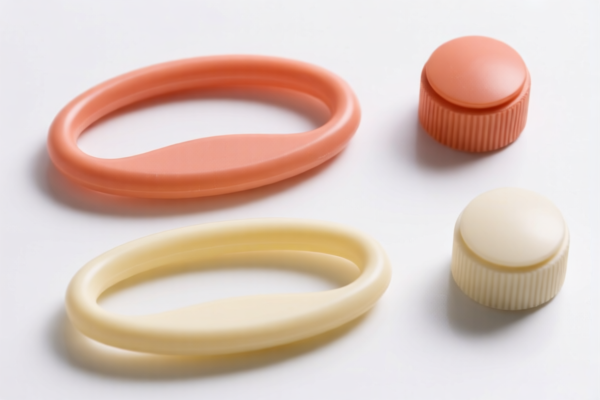
Product Images


AI Analysis
🎶🖼️ Music Ornament (音乐装饰摆件)
🌐 HS Code Reference & Clearance Guide | 2026 Tariff Analysis | Strategic Import Strategy
📌 I. Product Definition & Classification: Is it a "Toy," a "Tool," or "Art"?
Music Ornament is a dual-purpose product blending aesthetic decor with audio functionality. In international trade (specifically US imports), its classification depends entirely on the primary material (Ceramic vs. Metal) and the nature of the mechanism (Simple Chime vs. Mechanical/Complex).
Classification Logic: * Ceramic Decorations: If the item is primarily a static art piece that happens to play a tune (e.g., a singing bowl, a ceramic bell) or a small ceramic box. * Primary Code: Chapter 69 (Ceramic Products). * Metal/Metal Alloy Decorations: If the item is a chime, a wind chime, or a metal figurine with sound. * Primary Code: Chapter 83 (Base Metal Accessories). * Mechanical Music Instruments: If the item is clearly a "Musical Box" with gears, or a mechanical sound-making device not primarily for art but for sound. * Primary Code: Chapter 92 (Musical Instruments & Accessories).
⚠️ Critical Distinction:
- Art Object first: If it stands on a shelf and plays a song only when tapped or as a gimmick → Ceramic (69) or Metal Decor (83).
- Instrument first: If it is a complex mechanism where sound is the main feature (e.g., a self-playing glockenspiel) → Musical Box (92).
📦 II. HS Code Classification Details (Based on Provided Data)
| HS Code | Product Description | Material/Mechanism | Primary Function |
|---|---|---|---|
| 6913.10.50.00 | Ceramic Decorative Ornament | Ceramic | Art piece with music function |
| 6913.90.50.00 | Other Ceramic Decorative Articles | Ceramic | General ceramic decor (generic) |
| 8306.29.00.00 | Metal/Non-Ferrous Metal Ornament | Base Metal | Decorative chimes/bells |
| 9208.10.00.00 | Music Box (Musical) | Complex Mechanism | Mechanical music box |
| 9208.90.00.80 | Other Mechanical Sound Instruments | Mechanical | Complex sound devices |
🔍 Key Insight:
- Ceramics face the highest tariff burden due to "Section 122" and "Add-on" taxes.
- Metal Decor benefits from a lower "Add-on" tax (0%) compared to ceramics.
- Mechanical Music Devices fall under a unique tax structure where the base tax is low but total tax can be high due to Section 122.
💰 III. 2026 Tax Rate Breakdown (Detailed Duty Analysis)
✅ Scope: Imports to USA (US) from China (CN)
✅ Components: Base Duty (MFN), Section 301 (Add-on), Section 122 (Additional)
🎯 1. 6913.10.50.00 – Ceramic Music Ornament
🔴 High Risk: Total Tax = 17.5%
| Component | Rate | Source / Description |
|---|---|---|
| Base Duty | 0.0% | MFN (Most Favored Nation) rate for this specific ceramic subheading. |
| Section 301 (Add-on) | +7.5% | Tariff imposed due to trade war measures (China origin). |
| Section 122 | +10.0% | Additional tariff (often related to specific policy adjustments or "122" clause). |
| TOTAL | 17.5% | Calculated on CIF Value. |
📌 Why so high?
Even though the base tax is 0%, the 7.5% Add-on + 10% Section 122 creates a 17.5% burden. This is typical for ceramic art which is viewed as a luxury consumer good.
🎯 2. 6913.90.50.00 – Other Ceramic Decor (Non-Specific)
🔴 Highest Risk: Total Tax = 23.5%
| Component | Rate | Source / Description |
|---|---|---|
| Base Duty | 6.0% | Standard MFN rate for "Other" ceramic articles. |
| Section 301 (Add-on) | +7.5% | Trade war add-on. |
| Section 122 | +10.0% | Additional tariff. |
| TOTAL | 23.5% | Calculated on CIF Value. |
📌 Why the jump?
This code is a "catch-all" for ceramics not listed in 6913.10. The Base Duty of 6% pushes the total over the 20% mark. Avoid this classification if your product fits6913.10.50.00.
🎯 3. 8306.29.00.00 – Metal/Non-Ferrous Metal Ornament
🟡 Moderate Risk: Total Tax = 10.0%
| Component | Rate | Source / Description |
|---|---|---|
| Base Duty | 0.0% | MFN rate for metal ornaments. |
| Section 301 (Add-on) | 0.0% | Exempt from Section 301 add-on for this specific subheading. |
| Section 122 | +10.0% | Additional tariff (Section 122 applies). |
| TOTAL | 10.0% | Calculated on CIF Value. |
📌 Strategic Advantage:
This is the lowest tax option for sound-making decorations. If you can prove the product is primarily a Metal Ornament (e.g., a metal wind chime, metal bell, metal figurine), you save 7.5% - 13.5% compared to ceramic or complex mechanical versions.
🎯 4. 9208.10.00.00 – Mechanical Music Box
🟡 Moderate Risk: Total Tax = 13.2%
| Component | Rate | Source / Description |
|---|---|---|
| Base Duty | 3.2% | Standard rate for Music Boxes. |
| Section 301 (Add-on) | 0.0% | Exempt from Section 301 add-on. |
| Section 122 | +10.0% | Additional tariff. |
| TOTAL | 13.2% | Calculated on CIF Value. |
📌 Classification Tip:
"Music Box" implies a specific mechanical cylinder or disc mechanism. If your product has a complex internal mechanism designed solely for playing music, this code is safer than the "Ceramic" codes.
🎯 5. 9208.90.00.80 – Other Mechanical Sound Instruments
🔴 High Risk: Total Tax = 22.8%
| Component | Rate | Source / Description |
|---|---|---|
| Base Duty | 5.3% | Rate for "Other" mechanical sound devices. |
| Section 301 (Add-on) | +7.5% | Trade war add-on applies here. |
| Section 122 | +10.0% | Additional tariff. |
| TOTAL | 22.8% | Calculated on CIF Value. |
📌 Avoid if Possible:
This code applies to complex, non-standard mechanical sound devices. It incurs all three taxes (Base + 301 + 122). Only use if your product does not fit the specific "Music Box" definition.
🛠️ IV. Clearance & Customs Strategy (Actionable Advice)
✅ 1. Strategic Classification (The "Material" Pivot)
- If your product is Ceramic: Try to classify under
6913.10.50.00(17.5%) instead of6913.90.50.00(23.5%). Ensure the "Decorative Ornament" description is specific. - If your product is Metal: Classify under
8306.29.00.00(10.0%). This is the sweet spot. Even if it has a music function, if the primary appearance is a metal ornament (e.g., a metal gong, metal wind chime), claim it as a metal decoration, not a musical instrument. - If it's a Musical Box: Stick to
9208.10.00.00(13.2%) rather than the generic9208.90.00.80. Ensure the mechanism fits the standard "Music Box" definition.
✅ 2. Documentation Checklist
To support your chosen HS Code and avoid "Generalized" penalties:
| Document | Purpose | Key Content Requirement |
|---|---|---|
| Product Photo | Visual Verification | Show the material clearly (e.g., texture of ceramic vs. shine of metal). |
| Function Diagram | Mechanism Proof | If claiming 9208, show the internal gear/cylinder. If claiming 8306, show the decoration aspect dominates. |
| Bill of Materials | Cost Breakdown | Prove metal/ceramic content weight vs. mechanical parts weight. |
| Commercial Invoice | Declaration | DO NOT write "Toy" or "Instrument" unless accurate. Use "Ceramic Music Ornament" or "Metal Chime". |
| Packaging Artwork | Marketing Proof | Does the box look like a "Toy" or "Home Decor"? This influences classification. |
✅ 3. Common Pitfalls & How to Avoid
- ❌ Pitfall 1: Over-classifying as "Instrument"
- Scenario: You ship a ceramic bell that makes a sound. You declare it as a "Musical Instrument."
- Result:海关可能强制归入 9208 (13.2% or 22.8%) instead of 6913 (17.5% or 23.5%). Better Strategy: Prove it is primarily a Ceramic Ornament (
6913.10.50.00) to justify the 17.5% vs 22.8%.
- ❌ Pitfall 2: Missing "Section 122" (10%)
- Scenario: You calculate 7.5% tax and miss the 10% Section 122.
- Result: Underpayment leads to audits, fines, and cargo hold-ups. Always add 10% to your tax calculation for all these codes.
- ❌ Pitfall 3: Material Misidentification
- Scenario: "Metal-plated Ceramic" declared as "Metal."
- Result: If the core is ceramic, it goes to 6913 (Higher tax). If the core is metal, it goes to 8306 (Lower tax). Verify the base material!
🌍 V. Market Comparison & Cost Optimization
| Material Type | Best HS Code | Total Tax | Strategic Note |
|---|---|---|---|
| Ceramic | 6913.10.50.00 |
17.5% | Lowest ceramic option. Ensure it's "Decorative" not "General." |
| Metal | 8306.29.00.00 |
10.0% | Best Option. Avoid Section 301. Maximize metal content. |
| Mechanical | 9208.10.00.00 |
13.2% | Good for "Music Boxes" only. Avoid complex mechanisms. |
📌 VI. Final Verdict: The "Music Ornament" Clearance Rule
🚀 Rule of Thumb:
"If it's Metal, go for 8306 (10%). If it's Ceramic, fight for 6913.10 (17.5%). If it's a complex machine, avoid 9208.90 (22.8%)."
Action Plan: 1. Audit Material: Is the core metal or ceramic? 2. Audit Function: Is the sound the main feature (Instrument) or a bonus feature (Ornament)? 3. Calculate: Add 10% (Section 122) + Base Duty + (Optional 7.5% Add-on). 4. Declare: Use precise descriptions: "Ceramic Music Ornament" or "Metal Decorative Chime".
✨ Professional Tip:
Pre-clearance Ruling: If you are importing large quantities of "Music Ornaments," apply for a Binding Tariff Classification Ruling (BTCR) from US Customs. This guarantees your classification is legal before you ship a single unit.
📣 Ready to Ship?
Verify your Material Composition today to lock in the 10.0% or 17.5% rate, and avoid the 23.5% trap!
Customer Reviews
About HS Code Classification
The Harmonized System (HS) is an internationally standardized nomenclature developed by the World Customs Organization (WCO) to classify traded products. Over 200 countries use the HS system as the basis for customs tariffs, trade statistics, and import/export regulations.
Each HS code follows a hierarchical structure:
- Chapter (2 digits) — Broad category of goods (e.g., Chapter 84: Machinery and Mechanical Appliances)
- Heading (4 digits) — More specific grouping within the chapter
- Subheading (6 digits) — Internationally standardized breakdown, used by all WCO member countries
- National subdivisions (8-10 digits) — Country-specific extensions for further classification, such as US HTSUS 10-digit codes
Correct HS code classification is essential for smooth customs clearance, accurate duty payment, and compliance with trade regulations. Misclassification can lead to customs delays, overpayment of duties, or penalties.
When importing from CN to US, the applicable tariff rates may include:
- Most-Favored-Nation (MFN) rate — The standard duty rate applied to WTO members
- General rate — Applied to countries without trade agreements
- Trade remedy duties — Additional tariffs such as Section 301 (anti-dumping), Section 232 (national security), or countervailing duties
The information provided on this page is for reference purposes only. For official classification, please consult with your local customs authority or a licensed customs broker.