Music Score Storage Book
CN → US| HS Code | Tariff Rate | Origin | Destination | Doc |
|---|---|---|---|---|
| 4904000040 | 17.5% | CN | US | Official Doc |
| 4819600000 | 35.0% | CN | US | Official Doc |
| 4820500000 | 35.0% | CN | US | Official Doc |
| 4819504060 | 35.0% | CN | US | Official Doc |
| 4904000020 | 17.5% | CN | US | Official Doc |
Product Images
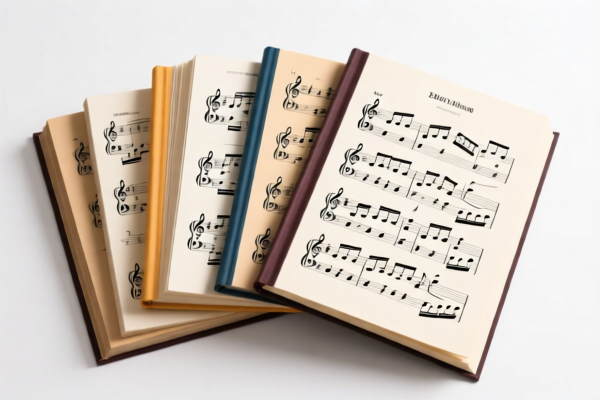
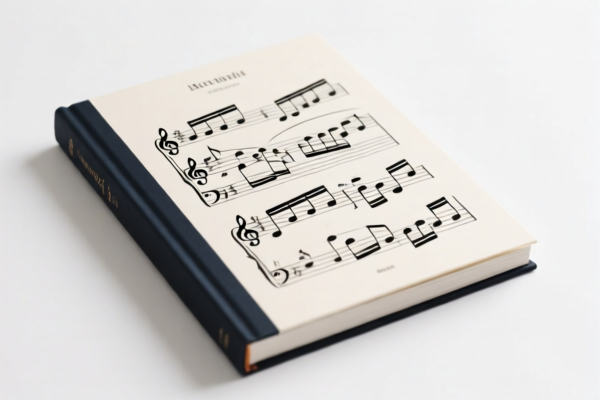
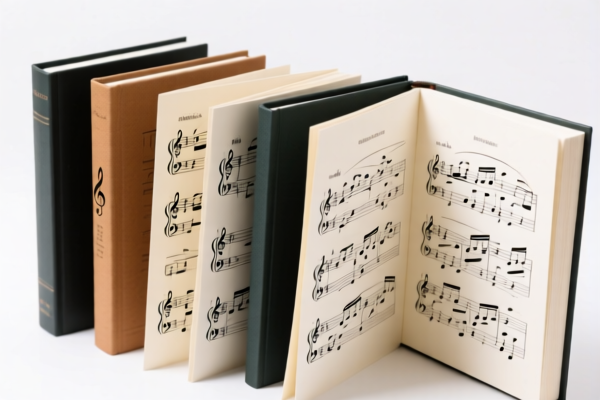
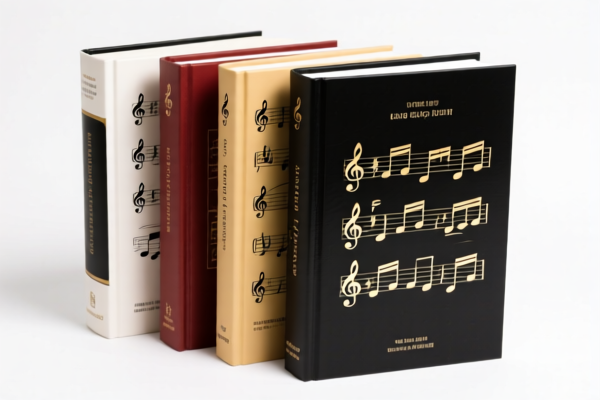
AI Analysis
🎼 Music Score Storage Book (乐谱收纳本)
🌐 HS Code Reference & Customs Clearance Guide | 2026 Latest Tariff Analysis | Strategic Compliance Strategy
📌 I. Product Definition & Classification: Do You Truly Understand "Music Score Storage"?
A Music Score Storage Book is an essential tool for musicians, educators, and institutions. In international trade, its classification is not based solely on the fact that it "stores music." Instead, it depends on its physical form, material, and specific utility.
There are two distinct categories for this product, leading to significantly different tax outcomes:
1. The "Musical Artifact" Category (HS 4904):
If the product is specifically designed as a carrier or storage medium for music scores themselves (e.g., a binder for sheet music, a portfolio for original compositions), it falls under Chapter 49. It is treated similarly to printed musical works or specialized notebooks.
2. The "General Paper Product" Category (HS 4820/4819/4821):
If the product is a generic paper binder, notebook, or file folder that can hold scores but is primarily a stationery item (e.g., a generic cardboard binder, a plastic storage box, or a blank composition book), it falls under Chapter 48. It is treated as standard office supplies or packaging.
⚠️ Key Distinction Point:
- If the product’s core identity is tied to the storage of musical notation (often marketed specifically as a "Music Score Book"), it leans toward 4904.
- If the product is a generic storage solution (e.g., a plain cardboard box or a blank spiral notebook) with no specific musical interface, it leans toward 4820/4819.
📦 II. HS Code Classification Details (2026 Latest Tariff Authority对照)
| HS Code | Product Description | Application Scenario | Material/Feature |
|---|---|---|---|
4904.00.00.20 |
Music Score Storage Book: Specifically designed for storing sheet music. Fits the morphological characteristics of musical score-related products. | Specific music binders, composition portfolios, score organizers. | No material conflict; functional design for scores. |
4904.00.00.40 |
Music Score Carrier: A carrier for scores, meeting the purpose requirements of HS 4904. Core attribute is classified under musical score categories. | Printed score books, bound musical collections. | Core attribute: Musical notation carrier. |
4820.10.40.00 |
Paper/Board Notebook/Registry Book: General stationery item. Material is paper or cardboard. No material conflict. | Blank notebooks, generic ledgers, registration books. | Generic stationery; not specific to music. |
4819.60.00.00 |
Paper/Plastic Storage Box: Used for storing/organizing files. Morphology matches file boxes or archival boxes. | Cardboard file boxes, plastic document organizers. | Generic storage; material is paper/plastic. |
4820.50.00.00 |
Album/Collection Book: Fits the "book" morphology, used for stationery collection/storage. Material is paper/cardboard. | Blank sketchbooks, stamp albums, generic collection books. | Generic collection attribute; not music-specific. |
🔍 Key Reminder:
- Misclassification Risk: Declaring a generic cardboard box as a "Music Score Book" under4904to claim lower taxes may trigger customs audits if the product lacks specific musical features.
- Conversely, declaring a specialized music binder as a "Notebook" under4820may result in missed duty opportunities or rejection if it doesn’t match stationery standards.
💰 III. 2026 Latest Tariff Rate Breakdown (Including Surcharges & Policy Add-ons)
✅ Applicable Country: United States (US)
✅ Origin: China (CN)
✅ Effective Date: 2025-11-10 onwards
🎯 1. 4904.00.00.20 & 4904.00.00.40 —— Music Score Related Products (Category 1)
| Item | Detail |
|---|---|
| Base Tariff | 0.0% (ad valorem) |
| Section 301 Tariff | +7.5% (Additional Tariff) |
| Section 122 Tariff | +10% (Policy Surcharge) |
| Total Tariff Rate | 17.5% |
| Tax Calculation | CIF Value × 17.5% |
| De Minimis Eligibility | ❌ Not Eligible (Subject to full duty assessment) |
| Legal Basis Path | Section 122:10% → Section 301:7.5% → HS:4904.00.00 |
📌 Explanation:
- These HS codes are classified under Chapter 49 (Printed Books, Newspapers, Pictures, etc.).
- They attract the lower Section 301 rate (7.5%) compared to general stationery.
- Plus 10% Section 122 surcharge, totaling 17.5%.
- Advantage: Significantly lower tax burden than generic paper products.
🎯 2. 4820.10.40.00, 4819.60.00.00, 4820.50.00.00 —— Generic Paper/Storage Products (Category 2)
| Item | Detail |
|---|---|
| Base Tariff | 0.0% (ad valorem) |
| Section 301 Tariff | +25.0% (Additional Tariff) |
| Section 122 Tariff | +10% (Policy Surcharge) |
| Total Tariff Rate | 35.0% |
| Tax Calculation | CIF Value × 35.0% |
| De Minimis Eligibility | ❌ Not Eligible (Subject to full duty assessment) |
| Legal Basis Path | Section 122:10% → Section 301:25% → HS:48XX.XX.XX |
📌 Explanation:
- These HS codes fall under Chapter 48 (Paper and Paperboard).
- They attract the higher Section 301 rate (25%) as they are considered general manufacturing goods or packaging.
- Plus 10% Section 122 surcharge, totaling 35.0%.
- Disadvantage: Double the tax burden of Category 1 products.
🛠️ IV. Customs Clearance Practical Advice (Pitfall Avoidance Guide)
✅ 1. Documentation Checklist (All are Mandatory)
| Document | Required | Explanation |
|---|---|---|
| ✅ Product Specification Sheet | ✔️ | Must clearly state: "Music Score Storage," dimensions, number of pages/pockets. |
| ✅ Product Photos | ✔️ | Show the interior (e.g., slots for sheet music, musical logo, specific design). |
| ✅ Commercial Invoice | ✔️ | Description must match the HS Code. Use "Music Score Binder" vs. "Cardboard Box." |
| ✅ Packaging List | ✔️ | Detail the contents. If it includes blank music sheets, declare them separately if possible. |
| ✅ Origin Certificate (CO) | ✔️ | If not from China, may qualify for lower duties under FTAs. |
✅ 2. Declaration Tips (Critical Mnemonics)
🔥 "Be Specific or Pay the Price!"
| Scenario | Correct Declaration | Incorrect Declaration |
|---|---|---|
| Specialized Music Binder | 4904.00.00.20 (Music Score Storage Book) |
"Paper Notebook" → 35% Tax |
| Blank Composition Book | 4820.10.40.00 (Paper Notebook) |
"Music Book" → Audited/Rejected |
| Cardboard File Box | 4819.60.00.00 (Storage Box) |
"Music Score Book" → Customs Query |
| Generic Album | 4820.50.00.00 (Collection Album) |
"Music Score Carrier" → Misclassification |
✅ 3. Special Situation Handling
| Situation | Handling Advice |
|---|---|
| Product has both blank pages AND score slots | Declare as Music Score Storage Book (4904) if the primary function is score storage. Provide photos highlighting the score-specific features. |
| Product is a plain cardboard box | Must declare as Storage Box (4819.60.00.00). Do not claim 4904 unless it is customized specifically for music scores with branding/design. |
| Product includes printed music | If it includes printed musical compositions, it is strictly a Musical Work (4904). If blank, it is a Storage Device. |
🌍 V. Global Market Comparison (2026 Latest)
| Country/Region | Recommended HS Code | Tariff Rate (CN Origin) | Key Certification | Note |
|---|---|---|---|---|
| 🇺🇸 USA | 4904.00.00.20 |
17.5% (Low) | No specific | Best for specialized music binders. |
| 🇺🇸 USA | 4820.10.40.00 |
35.0% (High) | No specific | For generic paper notebooks. |
| 🇪🇺 EU | 4904.00.00 |
0% (Most likely) | CE (if plastic parts) | Generally lower duties for printed items. |
| 🇨🇳 China | 4904.00.00 |
0-6% (Import Duty) | CCC (if electronic) | Low import duty, check VAT. |
| 🇬🇧 UK | 4904.00.00 |
0% | UKCA | Post-Brexit alignment with EU standards. |
📌 Conclusion:
- USA is the critical market: The difference between 17.5% and 35% is massive.
- Strategy: If your product is designed specifically for music scores (with pockets, rings, or musical branding), insist on HS 4904. If it is a generic box or notebook, declare honestly under HS 48 to avoid penalties.
📌 VI. Common Errors & Pitfall Guide (Lessons Learned)
❌ Error 1: Declaring a generic cardboard box as "Music Score Book" to save tax.
👉 Consequence: Customs inspection reveals no musical features → Reclassification to 4819 + Back Taxes + Penalties.
❌ Error 2: Declaring a specialized music binder as "Paper Notebook" (4820).
👉 Consequence: You lose the benefit of the lower 17.5% rate, paying 35% unnecessarily.
❌ Error 3: Vague description "Book for Music" without detailing the type.
👉 Consequence: Customs officer uses their discretion → Often defaults to the higher duty rate (35%) due to ambiguity.
✅ Correct Practice:
"Specialized Music Score Storage Binder, Cardboard Cover, Interior with 10 Sheet Music Pockets, Model MS-2026, For Professional Musicians"
🎯 VII. Conclusion: Precision Classification Saves 17.5% in Taxes!
🎯 Remember This Mnemonic:
🔹 "Specialized Music? Go 4904 (17.5%). Generic Paper? Go 48XX (35%). Ambiguity Costs You!"
🔹 "HS Code is Life: A 17.5% vs 35% gap can make or break your margin!"
📌 Pro Tip:
If your product is custom-made for a specific music school or brand, include custom design proofs with your declaration to support the 4904 classification. This strengthens the argument that it is not a generic stationery item.
📣 Immediate Action:
📞 Consult your customs broker with product photos highlighting the "music-specific" features.
🚀 Secure the 17.5% Rate for specialized music storage, and avoid the 35% penalty for generic goods.
✨ Professional Customs Clearance Starts with Precise Classification!
💼 Every 17.5% saved is pure profit!
Customer Reviews
About HS Code Classification
The Harmonized System (HS) is an internationally standardized nomenclature developed by the World Customs Organization (WCO) to classify traded products. Over 200 countries use the HS system as the basis for customs tariffs, trade statistics, and import/export regulations.
Each HS code follows a hierarchical structure:
- Chapter (2 digits) — Broad category of goods (e.g., Chapter 84: Machinery and Mechanical Appliances)
- Heading (4 digits) — More specific grouping within the chapter
- Subheading (6 digits) — Internationally standardized breakdown, used by all WCO member countries
- National subdivisions (8-10 digits) — Country-specific extensions for further classification, such as US HTSUS 10-digit codes
Correct HS code classification is essential for smooth customs clearance, accurate duty payment, and compliance with trade regulations. Misclassification can lead to customs delays, overpayment of duties, or penalties.
When importing from CN to US, the applicable tariff rates may include:
- Most-Favored-Nation (MFN) rate — The standard duty rate applied to WTO members
- General rate — Applied to countries without trade agreements
- Trade remedy duties — Additional tariffs such as Section 301 (anti-dumping), Section 232 (national security), or countervailing duties
The information provided on this page is for reference purposes only. For official classification, please consult with your local customs authority or a licensed customs broker.