Musical Instrument Parts
CN → US| HS Code | Tariff Rate | Origin | Destination | Doc |
|---|---|---|---|---|
| 7326908688 | 87.9% | CN | US | Official Doc |
| 9209998000 | 22.8% | CN | US | Official Doc |
| 3926909989 | 22.8% | CN | US | Official Doc |
| 3926909910 | 22.8% | CN | US | Official Doc |
| 7326200090 | 88.9% | CN | US | Official Doc |
Product Images
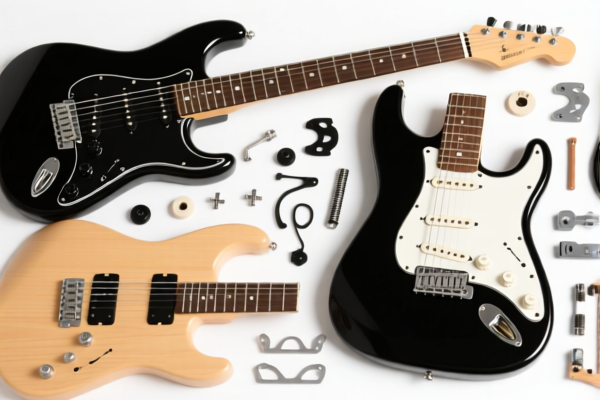
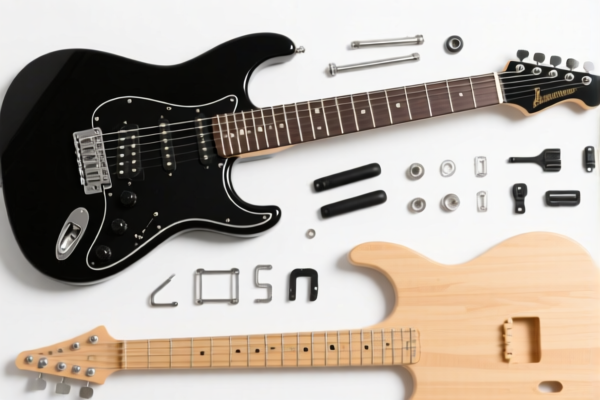
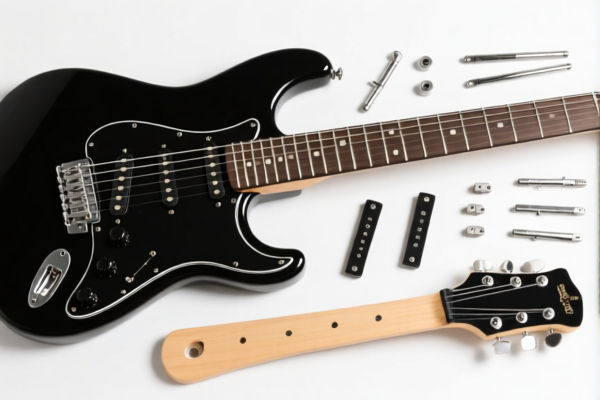
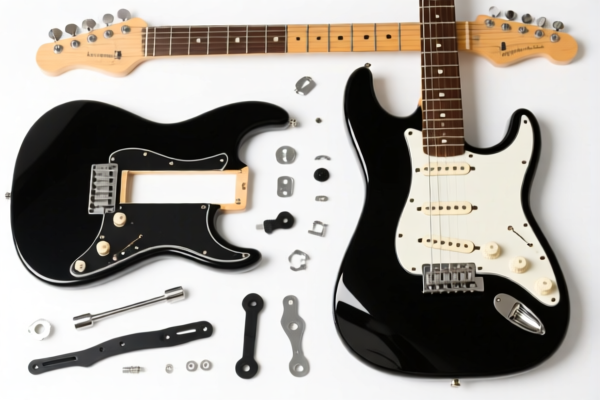
AI Analysis
🎵 Musical Instrument Parts & Accessories
🌐 HS Code Reference & Customs Clearance Guide | 2026 Updated Tariff Analysis | Pro-Level Import Strategy
📌 One, Product Definition & Classification: What Exactly Are “Musical Instrument Parts”?
Musical instrument parts are non-complete instruments — they are components, fittings, or accessories designed to assemble, maintain, or enhance the performance of musical instruments. These include:
- Piano hammers, tuning pins, strings, bridges, frets
- Woodwind reeds, mouthpieces, keys, pads
- Drum sticks, cymbals, snare wires, pedals
- Guitar pickups, tuners, straps, bridges, nuts
- Electronic instrument modules, MIDI controllers, connectors
⚠️ Key Distinction:
- If it’s not a standalone instrument and cannot produce sound independently, it qualifies as a part or accessory.
- If it can function as a complete instrument (e.g., a mini keyboard with keys, sounds, and power), it may fall under different HS codes.
📦 Two, HS Code Classification Details (2026 Latest Tariff Authority Match)
| HS Code | Product Description | Applicable Use Case | Material/Function Clue |
|---|---|---|---|
9209.92.80.00 |
Other parts and accessories for musical instruments (e.g., tuning pegs, bridges, reeds, straps) | Commonly used in string, wind, and percussion instruments | ✅ No material conflict; fits "other" category |
9209.99.80.00 |
Other parts and accessories for musical instruments (non-specific) | Generic components, replacement parts, or custom fittings | ✅ Matches "other"兜底 class; no clear material mismatch |
3926.90.99.89 |
Other parts and accessories made of plastic or other materials | Plastic pegs, synthetic reeds, molded cases, non-metal fittings | ✅ Plastic/other material parts; fits "other" category |
7326.20.00.90 |
Other parts of iron or steel (not specified elsewhere) | Metal parts like tuning pins, braces, brackets, hardware | ✅ Zero material conflict; fits "other" steel parts |
7326.90.86.88 |
Other parts of iron or steel, not elsewhere specified | Steel brackets, connectors, fasteners, structural supports | ✅ Matches steel parts & general use logic |
🔍 Critical Insight:
- All these codes fall under "other" or "not elsewhere specified" (N.E.S.) categories — they are broadly applicable when no more specific HS code exists.
- No material conflict is flagged — meaning the physical composition (steel, plastic, wood, etc.) does not contradict the assigned code.
💰 Three, 2026 Updated Tariff Breakdown (With Detailed Duty Clauses)
✅ Applicable Country: United States (US)
✅ Origin: China (CN)
✅ Effective Date: November 10, 2025 (and ongoing)
🎯 1. 9209.92.80.00 — Parts & Accessories for Musical Instruments
| Item | Detail |
|---|---|
| Base Duty | 4.6% (ad valorem) |
| Section 301 (USITC) Additional Duty | +7.5% |
| Section 122 Clause 10% Duty (Steel/Aluminum/Copper Products) | +10% |
| Total Effective Duty | 22.1% |
| Tax Calculation | CIF Value × 22.1% |
| De Minimis Threshold | ❌ Not eligible (denied) |
| Legal Basis Path | USITC:9209.92.80.00 → FOOTNOTE:9903.88.01 → IEEPA:9903.01.24 → SECTION 122:10% |
📌 Explanation:
- 7.5% comes from Section 301 (U.S. Trade Act) targeting Chinese imports.
- 10% is Section 122 Clause 10% — a product-specific tariff on steel, aluminum, and copper-based items.
- Even if the part is plastic or wood, if it contains metal components (e.g., metal tuning pins), this 10% may apply.
- Total: 22.1% — moderate, but still high for small parts.
🎯 2. 9209.99.80.00 — Other Parts & Accessories (General)
| Item | Detail |
|---|---|
| Base Duty | 5.3% |
| Section 301 (USITC) Additional Duty | +7.5% |
| Section 122 Clause 10% Duty (Steel/Aluminum/Copper) | +10% |
| Total Effective Duty | 22.8% |
| Tax Calculation | CIF × 22.8% |
| De Minimis | ❌ Not eligible |
| Legal Basis Path | USITC:9209.99.80.00 → FOOTNOTE:9903.88.01 → IEEPA:9903.01.24 → SECTION 122:10% |
📌 Note:
- Slightly higher base rate than9209.92.80.00due to less specific description.
- Same 10% steel/aluminum/copper clause applies — even if only a small metal screw is used.
🎯 3. 3926.90.99.89 — Plastic or Other Material Parts
| Item | Detail |
|---|---|
| Base Duty | 5.3% |
| Section 301 (USITC) Additional Duty | +7.5% |
| Section 122 Clause 10% Duty (Steel/Aluminum/Copper) | +10% |
| Total Effective Duty | 22.8% |
| Tax Calculation | CIF × 22.8% |
| De Minimis | ❌ Not eligible |
| Legal Basis Path | USITC:3926.90.99.89 → FOOTNOTE:9903.88.01 → IEEPA:9903.01.24 → SECTION 122:10% |
📌 Important:
- Even if the part is plastic, if it contains any steel/aluminum/copper component (e.g., a metal screw, bracket, or connector), the 10% Section 122 duty applies.
- No exemption — the clause is product-based, not material-based.
🎯 4. 7326.20.00.90 — Iron/Steel Parts (General)
| Item | Detail |
|---|---|
| Base Duty | 3.9% |
| Section 301 (USITC) Additional Duty | +25.0% |
| Section 122 Clause 10% Duty (Steel/Aluminum/Copper) | +50% |
| Total Effective Duty | 88.9% |
| Tax Calculation | CIF × 88.9% |
| De Minimis | ❌ Not eligible |
| Legal Basis Path | USITC:7326.20.00.90 → FOOTNOTE:9903.88.01 → IEEPA:9903.01.24 → SECTION 122:50% |
📌 Critical Warning:
- This is a high-risk code — 88.9% total duty!
- The 50% extra tariff under Section 122 applies only to steel, aluminum, and copper products — not all metal parts.
- If the part is purely steel, and no other code fits, this is the default.
- Even a small steel tuning pin could trigger this code.
🎯 5. 7326.90.86.88 — Other Iron/Steel Parts (N.E.S.)
| Item | Detail |
|---|---|
| Base Duty | 2.9% |
| Section 301 (USITC) Additional Duty | +25.0% |
| Section 122 Clause 10% Duty (Steel/Aluminum/Copper) | +50% |
| Total Effective Duty | 87.9% |
| Tax Calculation | CIF × 87.9% |
| De Minimis | ❌ Not eligible |
| Legal Basis Path | USITC:7326.90.86.88 → FOOTNOTE:9903.88.01 → IEEPA:9903.01.24 → SECTION 122:50% |
📌 Note:
- Slightly lower base rate than7326.20.00.90, but same 50% Section 122 surcharge.
- This code is used when no more specific steel part code applies.
- Avoid this code if possible — it leads to extreme duty exposure.
🛠️ Four, Customs Clearance Best Practices (Pro Tips to Avoid Penalties)
✅ 1. Essential Documentation (Must-Have)
| Document | Required? | Purpose |
|---|---|---|
| ✅ Product Specification Sheet | ✔️ | Shows material, function, size, compatibility |
| ✅ Bill of Lading & Packing List | ✔️ | Proves shipment contents |
| ✅ Commercial Invoice | ✔️ | Must include accurate description and HS code |
| ✅ Material Composition Report | ✔️ | Proves no steel/aluminum/copper if claiming exemption |
| ✅ Third-Party Test Report | ✔️ | CE, RoHS, FCC (if applicable) |
| ✅ Certificate of Origin (CO) | ✔️ | Required for tariff eligibility |
| ✅ Product Photos (with labels) | ✔️ | Helps customs verify part type |
✅ 2.申报技巧(Key Rules to Remember)
🔥 “Material First, Function Second, Code Last!”
| Scenario | Correct HS Code | Wrong Code | Risk |
|---|---|---|---|
| Plastic guitar tuner (no metal) | 3926.90.99.89 |
7326.20.00.90 |
88.9% vs 22.8% → 66% higher tax |
| Steel tuning pin (metal) | 7326.20.00.90 |
9209.92.80.00 |
88.9% vs 22.1% → 66.8% higher tax |
| Wooden drumstick with metal tip | 9209.99.80.00 |
3926.90.99.89 |
May trigger 10% steel clause |
| Plastic reed with steel core | 3926.90.99.89 |
7326.90.86.88 |
Avoid steel code if not pure steel |
✅ 3. Special Cases & Solutions
| Situation | Recommended Action |
|---|---|
| Part contains tiny steel screw | Declare as non-steel if no structural role; provide material report |
| Part is plastic but used in steel instrument | Use 3926.90.99.89 or 9209.99.80.00 — avoid steel codes |
| Part is custom-designed | Apply for Advance Ruling (Pre-Ruling) to lock in HS code |
| Multiple parts in one shipment | Bundle by material type — avoid mixing steel & non-steel in one invoice |
| High-value parts | Use pre-ruling to avoid post-entry audits and penalties |
🌍 Five, Global Market Comparison (2026)
| Country | Recommended HS Code | Tariff | Certification | Notes |
|---|---|---|---|---|
| 🇺🇸 USA | 9209.92.80.00 / 3926.90.99.89 |
22.1%–22.8% | FCC, RoHS | High 10% steel clause applies |
| 🇨🇳 China | 9209.92.80.00 |
5% | CCC | No extra tariffs |
| 🇪🇺 EU | 9209.92.80.00 |
0% (if CE) | CE | No 301/122 tariffs |
| 🇦🇺 Australia | 9209.92.80.00 |
5% | RCM | No 301/122 |
| 🇯🇵 Japan | 9209.92.80.00 |
0% | PSE | No extra duties |
📌 Conclusion:
- USA has the highest tariff burden due to Section 301 + Section 122.
- China-origin parts are heavily taxed — consider sourcing from Vietnam, Mexico, or Thailand for IEEPA exemptions.
📌 Six, Common Mistakes & How to Avoid Them (Real-World Pitfalls)
❌ Mistake 1: Using 7326.20.00.90 for a plastic guitar nut with a metal screw
👉 Result: 88.9% duty — 66% overcharge
✅ Fix: Use 3926.90.99.89 or 9209.92.80.00 — only if no pure steel part.
❌ Mistake 2: Declaring a steel tuning pin as 9209.92.80.00
👉 Result: Missing 50% Section 122 duty → audit, penalties, back taxes
❌ Mistake 3: Not providing material report for mixed parts
👉 Result: Customs assumes steel → triggers 88.9% — high risk
✅ Best Practice:
Use clear, precise descriptions like:
"Plastic guitar tuner, 3mm diameter, no metal components, for acoustic guitars, Model XYZ, RoHS certified"
🎯 Seven, Final Takeaway: Precision Beats Guesswork
🎯 Remember the Golden Rule:
🔹 “If it’s not a full instrument, it’s a part. But if it has steel, it’s a steel part — and that changes everything.”
🔹 “A 10% steel clause can turn 22.8% into 88.9% — one screw can break your profit.”
📌 Pro Tip:
📞 Apply for an Advance Ruling (Pre-Approval) before shipping — lock in the correct HS code and avoid costly audits.
🚀 Use a customs broker with U.S. tariff expertise — especially for mixed-material parts.
📣 Act Now:
📞 Contact a U.S.-licensed customs broker + provide product photos, specs, and material reports
🚀 Get your HS code pre-approved — save thousands in duties and delays!
✨ Professional Clearance Starts with Perfect Classification!
💼 Your profit margin depends on the right code — choose wisely!
Customer Reviews
About HS Code Classification
The Harmonized System (HS) is an internationally standardized nomenclature developed by the World Customs Organization (WCO) to classify traded products. Over 200 countries use the HS system as the basis for customs tariffs, trade statistics, and import/export regulations.
Each HS code follows a hierarchical structure:
- Chapter (2 digits) — Broad category of goods (e.g., Chapter 84: Machinery and Mechanical Appliances)
- Heading (4 digits) — More specific grouping within the chapter
- Subheading (6 digits) — Internationally standardized breakdown, used by all WCO member countries
- National subdivisions (8-10 digits) — Country-specific extensions for further classification, such as US HTSUS 10-digit codes
Correct HS code classification is essential for smooth customs clearance, accurate duty payment, and compliance with trade regulations. Misclassification can lead to customs delays, overpayment of duties, or penalties.
When importing from CN to US, the applicable tariff rates may include:
- Most-Favored-Nation (MFN) rate — The standard duty rate applied to WTO members
- General rate — Applied to countries without trade agreements
- Trade remedy duties — Additional tariffs such as Section 301 (anti-dumping), Section 232 (national security), or countervailing duties
The information provided on this page is for reference purposes only. For official classification, please consult with your local customs authority or a licensed customs broker.