Musical instrument case with plastic or textile exterior
CN → US| HS Code | Tariff Rate | Origin | Destination | Doc |
|---|---|---|---|---|
| 4202925000 | 39.2% | CN | US | Official Doc |
| 4202929700 | 52.6% | CN | US | Official Doc |
| 6307909891 | 24.5% | CN | US | Official Doc |
| 3926909989 | 22.8% | CN | US | Official Doc |
| 4202929100 | 52.6% | CN | US | Official Doc |
Product Images
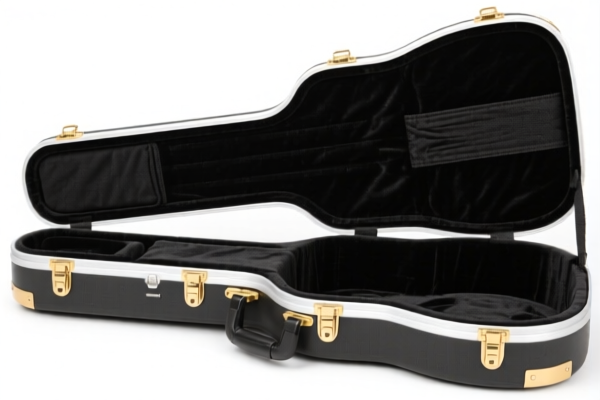
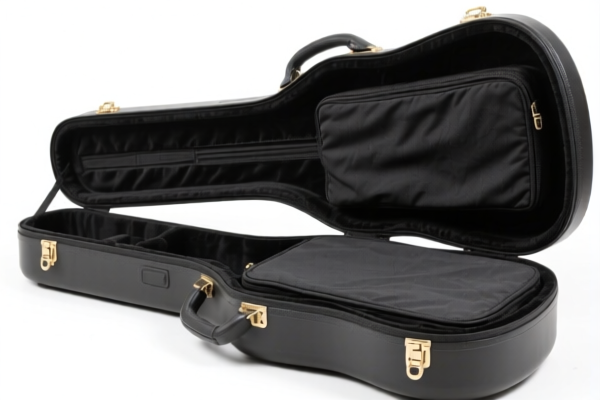
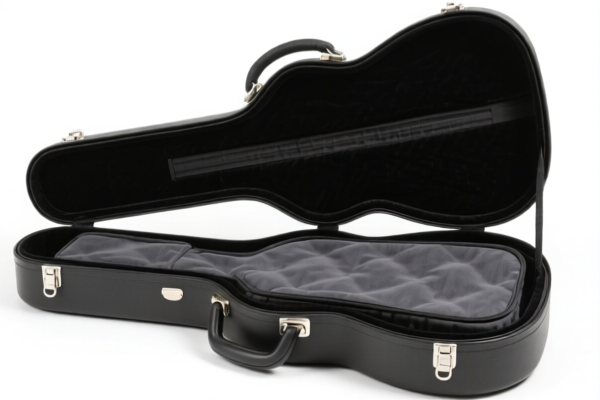
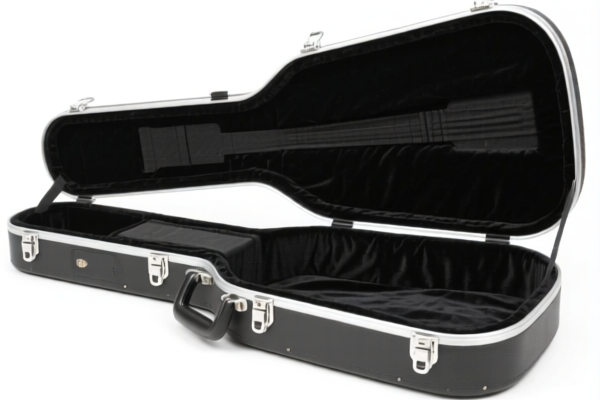
AI Analysis
🎸 Musical Instrument Cases with Plastic or Textile Exterior
🌐 HS Code Reference & Customs Clearance Guide | 2024-2026 Latest Tariff Analysis | Professional-Level Clearance Strategy
📌 I. Product Definition & Classification: Do You Really Understand "Instrument Cases"?
Musical instrument cases are essential protective containers for instruments ranging from guitars and violins to brass and woodwind instruments. In international trade, these cases are primarily classified under Chapter 42 (Articles of Leather;...) or Chapter 39/63 (Plastics/Textiles), depending on their material composition and structural function.
Key Distinction Criteria: 1. Primary Function: Is it a "container" (Chapter 42) or a "general article" (Chapter 39/63)? 2. Exterior Material: Is it made of Textiles (Chapter 42/63) or Plastics (Chapter 39)? 3. Construction: Is it a structured box/trunk (Chapter 42) or a molded/plastic item (Chapter 39)?
⚠️ Critical Differentiation Points: - If the case is a structured container with a textile exterior → Typically Chapter 42 (4202.92) or Chapter 63 (6307.90). - If the case is made entirely of plastic or has a plastic exterior defining its essential character → Typically Chapter 39 (3926.90) or Chapter 42 (4202.92). - Note on US Tariffs: Cases of Chinese origin are subject to significant Section 301 and Section 301-like (122) tariffs.
📦 II. HS Code Classification Details (Based on Provided Data)
The following HS Codes are derived from the provided dataset. Each classification reflects a different material/function interpretation by customs authorities.
| HS Code | Product Description | Material/Usage Match | Key Classification Logic |
|---|---|---|---|
4202.92.50.00 |
Instrument cases with exterior of plastics or of textile materials | Perfect Match: Material and Use align perfectly. | Considered a standard "case" under Chapter 42. |
4202.92.97.00 |
Other instrument cases with exterior of plastics or textile materials | Consistent Material: Similar container type. | Broader category within Chapter 42 for non-specific sub-types. |
6307.90.98.91 |
Other instrument cases (Other made-up articles) | Other Made-up Articles: Falls under general textile/plastic goods. | Classified as a general textile/plastic article, not a specific "case" structure. |
3926.90.99.89 |
Other instrument cases (Other plastic articles) | Plastic Article: Meets plastic material requirements. | Classified as a general plastic article under Chapter 39. |
4202.92.91.00 |
Textile-layer instrument performance trunks | Textile Exterior: Container form with textile surface. | Specifically for textile-layer trunks/boxes. |
🔍 Important Note:
- Chapter 42 (4202.92) is generally preferred for structured instrument cases (hard or soft shells with lining). - Chapter 39 (3926.90) applies if the case is essentially a plastic molded item without textile lining or complex construction. - Chapter 63 (6307.90) applies if the item is seen as a general textile/plastic accessory rather than a dedicated container.
💰 III. 2024-2026 Latest Tariff Rate Breakdown (Including Additional Duties)
✅ Applicable Country: United States (US)
✅ Origin: China (CN)
✅ Effective Date: Current rates apply (Section 301 and 122 measures)
🎯 1. 4202.92.50.00 —— Standard Instrument Cases (Perfect Match)
| Item | Detail |
|---|---|
| Base Duty Rate | 4.2% (Ad Valorem) |
| Additional Duty (Section 301) | +25.0% |
| Section 122 Duty | +10.0% |
| Total Tax Rate | 39.2% |
| Tax Calculation | CIF Value × 39.2% |
| De Minimis Exemption | ❌ Not Eligible (Section 301 goods are excluded from $800 de minimis) |
| Legal Basis Path | HTSUS:4202.92.50.00 → Section 301:25% → Section 122:10% |
📌 Explanation:
- This is the most favorable rate among the provided options. - The "Base Duty" is low (4.2%), but the 35% additional duties (25% + 10%) significantly increase the cost. - Recommendation: If your product fits this description exactly, use this code to minimize duty burden.
🎯 2. 4202.92.97.00 —— Other Instrument Cases (Broader Category)
| Item | Detail |
|---|---|
| Base Duty Rate | 17.6% |
| Additional Duty (Section 301) | +25.0% |
| Section 122 Duty | +10.0% |
| Total Tax Rate | 52.6% |
| Tax Calculation | CIF Value × 52.6% |
| De Minimis Exemption | ❌ Not Eligible |
| Legal Basis Path | HTSUS:4202.92.97.00 → Section 301:25% → Section 122:10% |
📌 Note:
- The base duty is much higher (17.6% vs 4.2%), leading to a total rate of 52.6%. - This code is often used for "other" cases not specifically listed elsewhere, but it is costlier.
🎯 3. 4202.92.91.00 —— Textile-Layer Instrument Trunks
| Item | Detail |
|---|---|
| Base Duty Rate | 17.6% |
| Additional Duty (Section 301) | +25.0% |
| Section 122 Duty | +10.0% |
| Total Tax Rate | 52.6% |
| Tax Calculation | CIF Value × 52.6% |
| De Minimis Exemption | ❌ Not Eligible |
| Legal Basis Path | HTSUS:4202.92.91.00 → Section 301:25% → Section 122:10% |
📌 Note:
- Same total rate as4202.92.97.00. - Specifically for cases with a textile outer layer. If your case is plastic-covered, do not use this code.
🎯 4. 3926.90.99.89 —— Other Plastic Articles (Plastic Material Focus)
| Item | Detail |
|---|---|
| Base Duty Rate | 5.3% |
| Additional Duty (Section 301) | +7.5% |
| Section 122 Duty | +10.0% |
| Total Tax Rate | 22.8% |
| Tax Calculation | CIF Value × 22.8% |
| De Minimis Exemption | ❌ Not Eligible |
| Legal Basis Path | HTSUS:3926.90.99.89 → Section 301:7.5% → Section 122:10% |
📌 Advantage:
- This has the lowest total tax rate (22.8%) among all options. - However, it requires the case to be classified as a general plastic article (Chapter 39) rather than a "case" (Chapter 42). - Risk: Customs may challenge this classification if the item is clearly a musical instrument case. Use only if the product is a simple plastic shell without textile lining or complex structure.
🎯 5. 6307.90.98.91 —— Other Made-Up Articles (Textile/Plastic General)
| Item | Detail |
|---|---|
| Base Duty Rate | 7.0% |
| Additional Duty (Section 301) | +7.5% |
| Section 122 Duty | +10.0% |
| Total Tax Rate | 24.5% |
| Tax Calculation | CIF Value × 24.5% |
| > De Minimis Exemption | ❌ Not Eligible |
| Legal Basis Path | HTSUS:6307.90.98.91 → Section 301:7.5% → Section 122:10% |
📌 Advantage:
- Second-lowest rate (24.5%). - Suitable if the case is considered a "general made-up article" rather than a dedicated container. - Risk: High risk of reclassification by customs if the item is clearly an instrument case.
🛠️ IV. Customs Clearance Practical Advice (Expert Pitfall Avoidance Guide)
✅ 1. Essential Documentation Checklist (Mandatory)
| Document | Required | Explanation |
|---|---|---|
| ✅ Product Specifications | ✔️ | Detail materials (e.g., "Polyester exterior, foam interior"), dimensions, weight. |
| ✅ Photos (Clear & Detailed) | ✔️ | Show exterior material, interior lining, handles, latches, and brand labels. |
| ✅ Commercial Invoice | ✔️ | Must state: "Musical Instrument Case, Model XXX, Origin China, HS Code: [Correct Code]". |
| ✅ Packing List | ✔️ | Confirm if the case is packed with the instrument or separately. |
| ✅ Material Composition Statement | ✔️ | Explicitly state % of plastic vs. textile. Crucial for Chapter 39 vs. 42. |
| ✅ Certificate of Origin (CO) | ✔️ | Required for origin verification. |
✅ 2. Declaration Tips (Key Mnemonics)
🔥 "Material Defines Code, Structure Defines Chapter!"
| Scenario | Correct Declaration Approach | Wrong Approach |
|---|---|---|
| Hard Shell Case (Plastic Exterior) | 3926.90.99.89 (22.8%) |
Declare as "Instrument Case" (4202.92) → 39.2% |
| Soft Case (Textile Exterior, Foam Interior) | 4202.92.50.00 (39.2%) |
Declare as "Plastic Article" → Risk of rejection |
| Complex Trunk (Textile + Hard Shell) | 4202.92.91.00 (52.6%) |
Declare as "General Article" → High audit risk |
| Simple Plastic Shell (No Lining) | 3926.90.99.89 (22.8%) |
Use Chapter 42 codes → Overpay duty |
📌 Key Insight:
- If your case is purely plastic (like a molded Pelican-style case), Chapter 39 (3926.90.99.89) offers the lowest duty (22.8%). - If it has a textile exterior (like a gig bag), Chapter 42 (4202.92.50.00) is the standard (39.2%), which is better than other Chapter 42 codes (52.6%). - Avoid6307.90.98.91unless you are certain customs will accept it as a "general article," as it carries a higher audit risk.
✅ 3. Special Cases Handling
| Situation | Recommendation |
|---|---|
| OEM Custom Cases | Provide design drawings showing material layers. Proves whether it's a "case" (Ch 42) or "article" (Ch 39/63). |
| Mixed Materials | If >50% textile by weight → Chapter 42/63. If >50% plastic → Chapter 39. |
| Cases with Electronics | If it contains lighting/speakers, it may fall under Chapter 85 → Highly Complex. Stick to basic cases for these codes. |
| De Minimis Shipment | ❌ Do NOT use Section 321 (De Minimis). Section 301 goods from China are excluded from the $800 exemption. You must file a formal entry. |
🌍 V. Global Market Comparison (2026 Latest)
| Country/Region | Recommended HS Code | Duty Rate (China Origin) | Certification | Notes |
|---|---|---|---|---|
| 🇺🇸 USA | 3926.90.99.89 |
22.8% (Lowest) | None | High risk of audit. 4202.92.50.00 is safer at 39.2%. |
| 🇪🇺 EU | 4202.92 |
4.2% + VAT | CE (if electronic) | No Section 301/122 duties. Much cheaper. |
| 🇨🇳 China | 4202.92 |
5.0% - 10% | CCC (if electronic) | Low duty. No additional anti-dumping. |
| 🇬🇧 UK | 4202.92 |
4.2% + VAT | UKCA | Post-Brexit, similar to EU. |
📌 Conclusion:
- USA is the most expensive market due to Section 301 and 122 tariffs. - Optimize Classification: Use3926.90.99.89if your case is purely plastic to save ~16.4% vs. standard Chapter 42 codes. - Safe Route: Use4202.92.50.00for textile/plastic cases to avoid disputes, accepting the 39.2% rate.
📌 VI. Common Errors & Pitfalls (Lessons Learned)
❌ Error 1: Declaring a textile gig bag as a plastic article (3926.90)
👉 Consequence: Customs rejects it, reclassifies to 4202.92, and charges 39.2%. Delay + Storage fees.
❌ Error 2: Using De Minimis for instrument cases from China
👉 Consequence: Seizure or forced formal entry. Section 301 goods are exempt from $800 de minimis.
❌ Error 3: Ignoring Section 122
👉 Consequence: Underpaying by 10%. Customs will demand back taxes + penalties.
❌ Error 4: Using 4202.92.97.00 or 4202.92.91.00 when 4202.92.50.00 applies
👉 Consequence: Paying 52.6% instead of 39.2%. Loss of profit.
✅ Correct Practice:
"Plastic Shell? Try 3926.90 (22.8%). Textile Exterior? Use 4202.92.50 (39.2%). Never Use De Minimis for China Origin!"
🎯 VII. Conclusion: Professional Declaration, Cost Savings!
🎯 Remember the Key Takeaways:
🔹 "Plastic-First? 22.8%. Textile-First? 39.2%. Avoid 52.6% Codes!"
🔹 "No De Minimis for China. Formal Entry Only."
🔹 "Document Materials Clearly. Avoid Audit Risks."
📌 Pro Tip:
If your cases are molded plastic with no textile lining, strictly use 3926.90.99.89 to maximize savings.
If they are soft cases (gig bags), use 4202.92.50.00.
📣 Immediate Action:
📞 Consult your customs broker to confirm material percentages.
📄 Prepare detailed photos showing exterior and interior materials.
🚀 Clear your goods efficiently, reduce costs, and stay compliant!
✨ Professional clearance starts with accurate classification!
💼 Every percent of duty saved is pure profit!
Customer Reviews
About HS Code Classification
The Harmonized System (HS) is an internationally standardized nomenclature developed by the World Customs Organization (WCO) to classify traded products. Over 200 countries use the HS system as the basis for customs tariffs, trade statistics, and import/export regulations.
Each HS code follows a hierarchical structure:
- Chapter (2 digits) — Broad category of goods (e.g., Chapter 84: Machinery and Mechanical Appliances)
- Heading (4 digits) — More specific grouping within the chapter
- Subheading (6 digits) — Internationally standardized breakdown, used by all WCO member countries
- National subdivisions (8-10 digits) — Country-specific extensions for further classification, such as US HTSUS 10-digit codes
Correct HS code classification is essential for smooth customs clearance, accurate duty payment, and compliance with trade regulations. Misclassification can lead to customs delays, overpayment of duties, or penalties.
When importing from CN to US, the applicable tariff rates may include:
- Most-Favored-Nation (MFN) rate — The standard duty rate applied to WTO members
- General rate — Applied to countries without trade agreements
- Trade remedy duties — Additional tariffs such as Section 301 (anti-dumping), Section 232 (national security), or countervailing duties
The information provided on this page is for reference purposes only. For official classification, please consult with your local customs authority or a licensed customs broker.