N type Doped Silicon Wafer
CN → US| HS Code | Tariff Rate | Origin | Destination | Doc |
|---|---|---|---|---|
| 3818000020 | 60.0% | CN | US | Official Doc |
| 3824991100 | 35.0% | CN | US | Official Doc |
| 2804691000 | 15.3% | CN | US | Official Doc |
| 2804695000 | 15.5% | CN | US | Official Doc |
| 3824991900 | 41.5% | CN | US | Official Doc |
Product Images
AI Analysis
🌐 N-type Doped Silicon Wafer: HS Code Classification & Tariff Strategy | 2026 Customs Clearance Guide
📌 I. Product Definition & Classification: What is an "N-type Doped Silicon Wafer"?
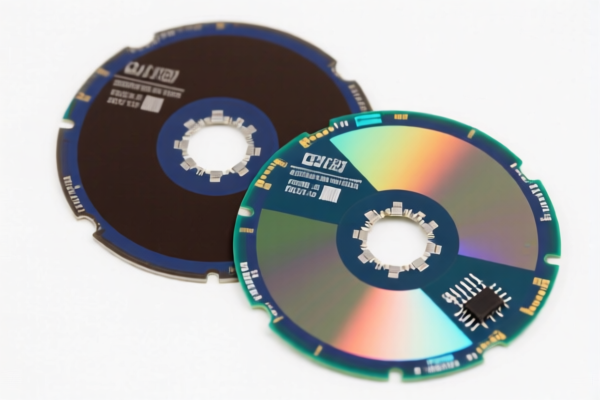
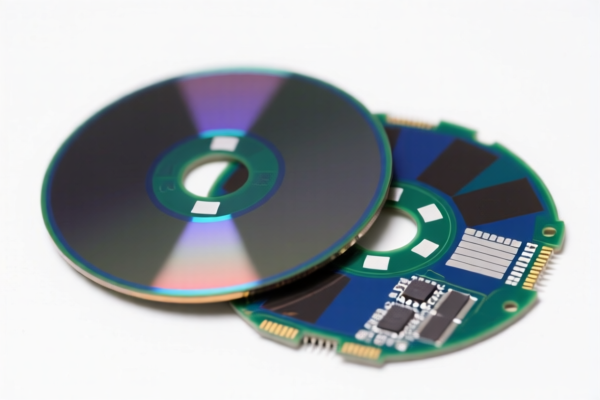
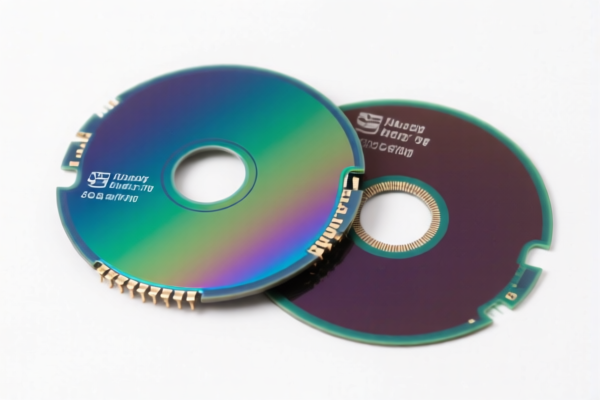
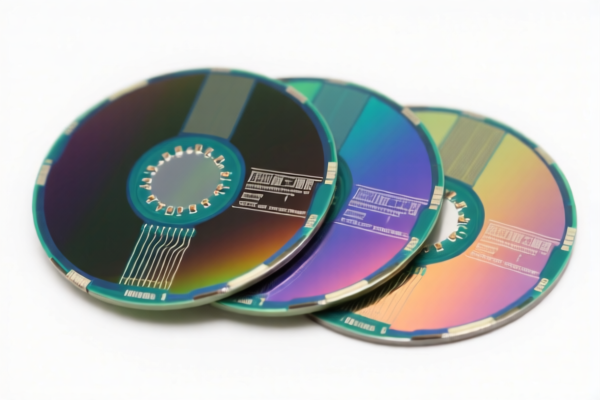
An N-type Doped Silicon Wafer is a fundamental raw material in the semiconductor industry. It is a single-crystal silicon substrate that has been intentionally doped with donor impurities (such as Phosphorus or Arsenic) to create an excess of free electrons, making it electrically conductive.
Key Characteristics for Customs Classification: 1. Material: Pure Silicon (Element 14). 2. Form: Wafer (polished, flat, disc-shaped). 3. Process: Doped (Chemical modification of crystalline structure). 4. Function: Substrate for integrated circuits (ICs), solar cells, or sensors.
⚠️ Critical Distinction for Customs: - Is it "Silicon" (Chapter 28)? If classified as a raw material/chemical element, it falls under
2804. - Is it a "Chemical Preparation" (Chapter 38)? If classified as a processed chemical substance or preparation, it falls under3824. - Is it "Doped Silicon" (Specific HS 3818)? This is the most specific code for semiconductors prepared in wafer form with specific doping characteristics.
The choice of HS Code significantly impacts the Total Tariff Rate, ranging from 15.3% to 60.0%.
📦 II. HS Code Classification Matrix (2026 Latest Tariff Data)
Based on the provided data, here are the 5 possible HS Codes for N-type Doped Silicon Wafers, along with their rationales and tariff structures.
| HS Code | Summary Description | Rationale for Classification | Total Tax Rate | Tax Detail Breakdown |
|---|---|---|---|---|
3818.00.00.20 |
Doped Silicon Wafers | Specific Classification: Matches "doping characteristics" and "polysilicon wafer features." This is the most precise code for semiconductors prepared in wafer form. | 60.0% | Base: 0.0% Additional (301): 50.0% Section 122: 10% |
3824.99.11.00 |
Silicon Wafer as Semiconductor Raw Material | Chemical Preparation: Classified under "Chemical Products and Preparations." The doping process is viewed as a chemical formulation. | 35.0% | Base: 0.0% Additional (301): 25.0% Section 122: 10% |
2804.69.10.00 |
Silicon (Other Forms) | Raw Material Logic: Silicon in wafer form is considered "other forms of silicon" (not crude silicon). Uses a "fallback logic" for silicon materials. | 15.3% | Base: 5.3% Additional (301): 0.0% Section 122: 10% |
2804.69.50.00 |
Silicon (Primary Sheet Form) | Physical Form Logic: Silicon in sheet/wafer form is considered a "primary form" or distinct category under other silicon sub-headings. | 15.5% | Base: 5.5% Additional (301): 0.0% Section 122: 10% |
3824.99.19.00 |
Chemical Industry Preparation | Broad Chemical Category: Silicon wafer viewed as a general chemical industry preparation without specific classification conflicts. | 41.5% | Base: 6.5% Additional (301): 25.0% Section 122: 10% |
🔍 Key Insight:
- Lowest Tax:2804.69.10.00/2804.69.50.00(~15-15.5%) → Classify as Raw Silicon Material.
- Highest Tax:3818.00.00.20(60%) → Classify as Specific Doped Semiconductor Product.
- Mid-Range:3824variants (35-41.5%) → Classify as Chemical Preparations.
💰 III. 2026 Tariff Rate Breakdown (US-China Trade Context)
✅ Applicable Country: United States (US)
✅ Origin: China (CN)
✅ Effective Date: 2025-11-10 onwards (Subject to Section 301 & 122 adjustments)
🎯 1. 3818.00.00.20 – Doped Silicon Wafers (Specific Semiconductor)
| Item | Detail |
|---|---|
| Base Rate | 0.0% |
| Section 301 Additional Tariff | 50.0% |
| Section 122 Tariff | 10.0% |
| Total Rate | 60.0% |
| De Minimis Exemption? | ❌ No (Deny) |
| Legal Basis | 3818.00.00.20 → Section 301 (50%) → Section 122 (10%) |
📌 Note: This is the most expensive option. It applies if customs strictly views the wafer as a "finished semiconductor product" rather than a raw material.
🎯 2. 3824.99.11.00 – Chemical Preparation (Semiconductor Raw Material)
| Item | Detail |
|---|---|
| Base Rate | 0.0% |
| Section 301 Additional Tariff | 25.0% |
| Section 122 Tariff | 10.0% |
| Total Rate | 35.0% |
| De Minimis Exemption? | ❌ No |
| Legal Basis | 3824.99.11.00 → Section 301 (25%) → Section 122 (10%) |
🎯 3. 2804.69.10.00 – Silicon (Other Forms)
| Item | Detail |
|---|---|
| Base Rate | 5.3% |
| Section 301 Additional Tariff | 0.0% |
| Section 122 Tariff | 10.0% |
| Total Rate | 15.3% |
| De Minimis Exemption? | ❌ No |
| Legal Basis | 2804.69.10.00 → Base (5.3%) → Section 122 (10%) |
🎯 4. 2804.69.50.00 – Silicon (Sheet Form)
| Item | Detail |
|---|---|
| Base Rate | 5.5% |
| Section 301 Additional Tariff | 0.0% |
| Section 122 Tariff | 10.0% |
| Total Rate | 15.5% |
| De Minimis Exemption? | ❌ No |
| Legal Basis | 2804.69.50.00 → Base (5.5%) → Section 122 (10%) |
🎯 5. 3824.99.19.00 – Chemical Preparation (General)
| Item | Detail |
|---|---|
| Base Rate | 6.5% |
| Section 301 Additional Tariff | 25.0% |
| Section 122 Tariff | 10.0% |
| Total Rate | 41.5% |
| De Minimis Exemption? | ❌ No |
| Legal Basis | 3824.99.19.00 → Base (6.5%) → Section 301 (25%) → Section 122 (10%) |
🛠️ IV. Customs Clearance Strategy & Recommendations
✅ 1. Optimal Classification Strategy: Aim for 2804
- Recommendation: Classify under
2804.69.10.00or2804.69.50.00if possible. - Why? The total tariff is only ~15.3-15.5%, compared to 60% for
3818. - How? Justify that the wafer is a raw silicon material in a specific physical form (wafer/sheet), not a finished semiconductor component. Emphasize the chemical element (Silicon) nature rather than the electronic function.
✅ 2. Documentation Requirements
| Document | Purpose |
|---|---|
| Technical Data Sheet (TDS) | Show silicon purity, doping concentration, and physical dimensions. |
| Certificate of Analysis (COA) | Prove it is Silicon (Si) with dopants, not a complex chemical mixture. |
| Product Description | Use terms like "N-type Silicon Wafer, Raw Material, for Semiconductor Manufacturing" rather than "Finished Semiconductor Device." |
| Bill of Lading & Invoice | Clearly state "Silicon Wafer, HS Code 2804.69.10.00" |
✅ 3. Common Pitfalls to Avoid
- ❌ Misclassification as
3818: If customs views the wafer as a "prepared semiconductor," the 60% tariff applies. Avoid emphasizing "electronic function" in documentation. - ❌ Ignoring Section 122: All options above include a 10% Section 122 tariff. Ensure this is accounted for in cost calculations.
- ❌ Confusing with
2804.10(Crude Silicon): Wafers are not crude silicon. They are polished and doped. Hence,2804.69(Other) is correct.
✅ 4. Special Case: Pre-Ruling Application
- Action: Apply for a Binding Tariff Information (BTI) or Advance Ruling from US Customs (CBP).
- Benefit: Lock in the 15.3% rate for
2804.69.10.00before shipment. This eliminates ambiguity and prevents audits or reclassifications.
🌍 V. Global Market Comparison (2026)
| Country | Recommended HS Code | Est. Tariff | Notes |
|---|---|---|---|
| 🇺🇸 USA | 2804.69.10.00 |
15.3% | Lowest among options. 3818 is 60%. |
| 🇨🇳 China | 2804.69.10.00 |
~5-6% | No Section 301/122. Import into China is cheaper. |
| 🇪🇺 EU | 2804.69.10.00 |
~0-2% | Silicon wafers often have low or zero tariffs in EU. |
| 🇯🇵 Japan | 2804.69.10.00 |
~0-5% | Favorable for semiconductor materials. |
📌 Conclusion:
- USA: Highest risk due to Section 301/122. Opt for2804to save ~45-48% in tariffs.
- Other Markets: Silcon wafers are generally taxed lightly. Focus on compliance, not just tariff optimization.
📌 VI. Final Checklist for Importers
- Verify Doping Level: If doping is extremely precise and for specific electronic devices, customs may push for
3818. Ensure documentation supports "Raw Material" status. - Check Section 122 Applicability: Confirm if the product is subject to the 10% Section 122 tariff (applies to many Chinese silicon products).
- Calculate Total Landed Cost: Include Base Duty + Section 301 + Section 122 + Brokerage + Storage.
- Apply for Advance Ruling: Protect your supply chain by getting CBP approval on the
2804.69.10.00classification.
🎯 Pro Tip:
"Silicon is Silicon, but the Classification is Everything!"
Use2804.69.10.00to pay 15.3%, not3818.00.00.20which costs 60%.
Document as Raw Material, Not Finished Component.
📢 Need Help?
Contact a licensed customs broker to file an Advance Ruling for your specific N-type wafer specifications. Save up to 45% in tariffs! 💸
Customer Reviews
About HS Code Classification
The Harmonized System (HS) is an internationally standardized nomenclature developed by the World Customs Organization (WCO) to classify traded products. Over 200 countries use the HS system as the basis for customs tariffs, trade statistics, and import/export regulations.
Each HS code follows a hierarchical structure:
- Chapter (2 digits) — Broad category of goods (e.g., Chapter 84: Machinery and Mechanical Appliances)
- Heading (4 digits) — More specific grouping within the chapter
- Subheading (6 digits) — Internationally standardized breakdown, used by all WCO member countries
- National subdivisions (8-10 digits) — Country-specific extensions for further classification, such as US HTSUS 10-digit codes
Correct HS code classification is essential for smooth customs clearance, accurate duty payment, and compliance with trade regulations. Misclassification can lead to customs delays, overpayment of duties, or penalties.
When importing from CN to US, the applicable tariff rates may include:
- Most-Favored-Nation (MFN) rate — The standard duty rate applied to WTO members
- General rate — Applied to countries without trade agreements
- Trade remedy duties — Additional tariffs such as Section 301 (anti-dumping), Section 232 (national security), or countervailing duties
The information provided on this page is for reference purposes only. For official classification, please consult with your local customs authority or a licensed customs broker.