Nail Arm Rest Cushion
CN → US| HS Code | Tariff Rate | Origin | Destination | Doc |
|---|---|---|---|---|
| 4823908680 | 35.0% | CN | US | Official Doc |
| 4823907000 | 35.0% | CN | US | Official Doc |
| 9403708015 | 35.0% | CN | US | Official Doc |
| 3926909989 | 22.8% | CN | US | Official Doc |
| 9403708002 | 35.0% | CN | US | Official Doc |
| 3926209010 | 40.0% | CN | US | Official Doc |
Product Images
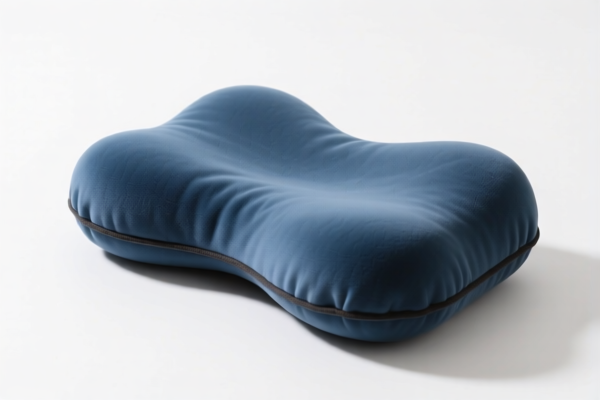
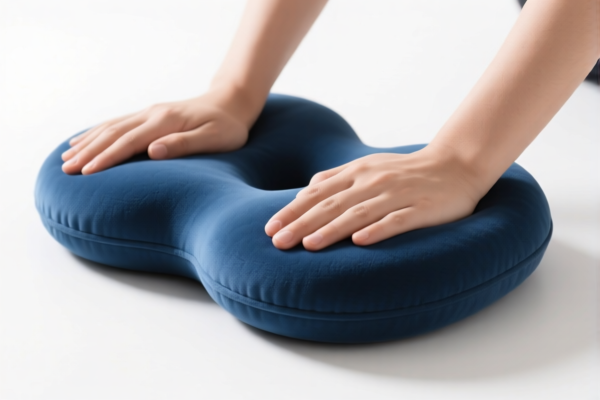
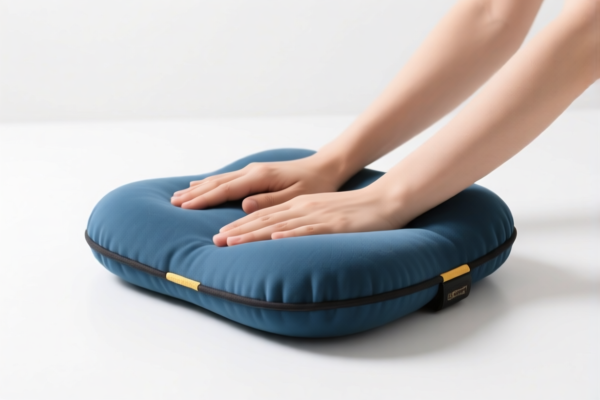
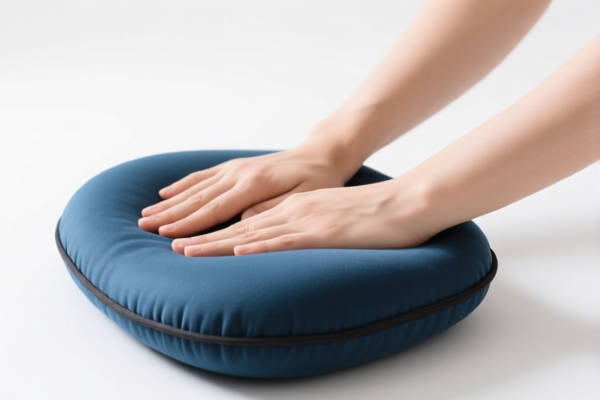
AI Analysis
💅 Nail Arm Rest Cushion (Nail Table Armrest Pad)
🌐 HS Code Reference & Customs Clearance Guide | 2026 Latest Tariff Analysis | Professional Clearance Strategy
📌 I. Product Definition & Classification: Do You Really Know the "Nail Arm Rest Cushion"?
The Nail Arm Rest Cushion is an essential accessory in the beauty and nail care industry. It is placed on the nail table to support the client's arm, reducing fatigue during manicures, pedicures, or acrylic applications.
In international trade, classification is critical because it determines not only the duty rate but also the regulatory requirements. Based on material composition and function, this product typically falls into two main categories: 1. Paper/Cardboard-based: Thin, disposable, or semi-rigid pads made of compressed paper or cellulose fibers. 2. Plastic/Polymer-based: Reusable, soft, foam-filled, or molded plastic rests (often resembling small pillows or ergonomic supports).
⚠️ Key Distinction Point:
- If the product is made of paper/cardboard (rigid or semi-rigid) → It is classified as a Paper Product.
- If the product is made of plastic/synthetic foam (soft, cushioned, durable) → It is classified as a Plastic Accessory or Furniture Accessory.
- If it is a disposable manicure tool part (e.g., a specific plastic holder) → It may be classified under Manicure Tool Accessories.
📦 II. HS Code Classification Details (2026 Latest Tariff Authority Comparison)
The data provided indicates six potential HS Codes. Below is the breakdown of why each code applies and the associated tax implications.
🎯 1. Paper & Cellulose Fiber Categories
🎯 4823.90.86.80 – Other Paper Articles
- Summary: Based on common sense, the material is inferred to be paper, cardboard, or cellulose fiber-based padding.
- Why it fits: If the armrest is a thin, rigid, or semi-rigid pad made of compressed paper (common for disposable salon hygiene), it falls under "Other articles of paper or paperboard."
- Total Tax: 35.0%
- Tax Detail:
- Basic Tariff: 0.0%
- Additional Tariff (Section 301): 25.0%
- Section 122 Tariff: 10%
- Calculation: 0% + 25% + 10% = 35%
🎯 4823.90.70.00 – Cellulose Sponge-Like Materials
- Summary: Material is inferred to be cellulose-based or paper-like sponge (cotton-like texture), matching the shape of cut goods.
- Why it fits: If the cushion has a "cotton-like" feel but is made from processed cellulose fibers (not natural cotton or synthetic foam), it fits here. This is a specific sub-category for paper products with sponge-like properties.
- Total Tax: 35.0%
- Tax Detail:
- Basic Tariff: 0.0%
- Additional Tariff (Section 301): 25.0%
- Section 122 Tariff: 10%
- Calculation: 0% + 25% + 10% = 35%
🎯 2. Plastic & Polymer Categories
🎯 9403.70.80.15 – Plastic Furniture/Accessories
- Summary: Inferred material is plastic or similar, used for home/personal care auxiliary furniture.
- Why it fits: If the armrest is a rigid or semi-rigid plastic part attached to the nail table (or a standalone plastic rest), it may be viewed as an accessory to furniture (nail table).
- Total Tax: 35.0%
- Tax Detail:
- Basic Tariff: 0.0%
- Additional Tariff (Section 301): 25.0%
- Section 122 Tariff: 10%
- Calculation: 0% + 25% + 10% = 35%
🎯 3926.90.99.89 – Other Plastic Articles
- Summary: Material inferred as plastic, shape belongs to other plastic articles.
- Why it fits: If the armrest is a simple, non-specific plastic item (e.g., a molded plastic pad that doesn't fit furniture categories), it falls under the "Other" category for plastic articles. This is often a "catch-all" for plastic goods not specified elsewhere.
- Total Tax: 22.8% ⭐ (Lowest Rate Among Plastics)
- Tax Detail:
- Basic Tariff: 5.3%
- Additional Tariff (Section 301): 7.5%
- Section 122 Tariff: 10%
- Calculation: 5.3% + 7.5% + 10% = 22.8%
🎯 9403.70.80.02 – Other Furniture (Plastic)
- Summary: Usually made of plastic or synthetic materials, fitting the scope of "Other furniture" plastic accessories.
- Why it fits: Similar to
9403.70.80.15, this classifies the item as a plastic component of furniture. The slight difference in HS code suffix may relate to specific design or function nuances within the "furniture accessory" bracket. - Total Tax: 35.0%
- Tax Detail:
- Basic Tariff: 0.0%
- Additional Tariff (Section 301): 25.0%
- Section 122 Tariff: 10%
- Calculation: 0% + 25% + 10% = 35%
🎯 3. Manicure Tool Accessories
🎯 3926.20.90.10 – Manicure/Pedicure Tool Accessories
- Summary: Belongs to manicure tool accessories, inferred material is plastic or polyurethane, matching parts/components rules.
- Why it fits: If the armrest is specifically designed as a replaceable part or attachment for a manicure station (e.g., a plastic cup holder or a specific ergonomic arm support branded as a tool accessory), it falls here. This is a specialized category for beauty tools.
- Total Tax: 40.0% ⚠️ (Highest Rate)
- Tax Detail:
- Basic Tariff: 5.0%
- Additional Tariff (Section 301): 25.0%
- Section 122 Tariff: 10%
- Calculation: 5.0% + 25.0% + 10% = 40%
💰 III. 2026 Latest Tariff Rate Detailed Breakdown (Including Surtaxes & Policy Add-ons)
✅ Applicable Country: USA (US)
✅ Origin: China (CN)
✅ Effective Time: Nov 10, 2025 (and subsequent imports)
📊 Comparison of Total Tax Rates
| HS Code | Description | Total Tax | Breakdown |
|---|---|---|---|
4823.90.86.80 |
Paper/Cellulose Pad | 35.0% | 0% (Basic) + 25% (301) + 10% (122) |
4823.90.70.00 |
Cellulose Sponge-Like | 35.0% | 0% (Basic) + 25% (301) + 10% (122) |
9403.70.80.15 |
Plastic Furniture Accessory | 35.0% | 0% (Basic) + 25% (301) + 10% (122) |
3926.90.99.89 |
Other Plastic Articles | 22.8% | 5.3% (Basic) + 7.5% (301) + 10% (122) |
9403.70.80.02 |
Other Furniture (Plastic) | 35.0% | 0% (Basic) + 25% (301) + 10% (122) |
3926.20.90.10 |
Manicure Tool Accessory | 40.0% | 5.0% (Basic) + 25% (301) + 10% (122) |
📌 Critical Insight:
- Section 122 Tariff (10%) applies to all these categories for Chinese-origin goods. This is a significant cost driver. - Section 301 Tariffs vary: - 25% applies to most Paper, Furniture, and Tool categories. - 7.5% applies to3926.90.99.89(Other Plastic Articles), making it the most cost-effective plastic classification. - Basic Tariffs are mostly 0%, but slightly higher (5.0-5.3%) for specialized plastic/tool categories.
🛠️ IV. Customs Clearance Practical Advice (Battle-Tested Pitfall Guide)
✅ 1. Prepare Documentation Checklist (Essential)
| Document | Required | Description |
|---|---|---|
| ✅ Product Spec Sheet | ✔️ | Must detail material composition (e.g., "100% Polyurethane Foam" vs. "Compressed Paper"). |
| ✅ Product Photos | ✔️ | Clear images showing texture, rigidity, and usage (e.g., being used on a nail table). |
| ✅ Commercial Invoice | ✔️ | Describe accurately: "Nail Table Armrest Pad - Plastic/Paper". Avoid vague terms like "Beauty Accessory". |
| ✅ Packing List | ✔️ | Show packaging details. If disposable, note quantity per box. |
| ✅ Material Declaration | ✔️ | Explicitly state if it is Paper (for 4823) or Plastic (for 3926/9403). |
✅ 2. Classification Strategy (Key Mantra)
🔥 "Material Defines Code, Function Supports Claim!"
| Scenario | Recommended HS Code | Reasoning |
|---|---|---|
| Disposable Paper Pad | 4823.90.86.80 |
Material is paper; fits "Other paper articles". |
| Reusable Foam/Pillow | 3926.90.99.89 |
Material is plastic/polyurethane; fits "Other plastic articles". Best Tax Rate (22.8%). |
| Rigid Plastic Holder | 9403.70.80.15 or .02 |
If it's a structural part of the nail table furniture. |
| Specific Tool Part | 3926.20.90.10 |
If it's a branded/standardized accessory for a manicure machine. Highest Tax (40%). |
⚠️ Warning:
- Do not misclassify a plastic armrest as paper to avoid taxes → Customs may seize goods for fraud.
- Do not classify a paper armrest as plastic → Material mismatch will cause delays.
✅ 3. Special Cases & Handling
| Situation | Advice |
|---|---|
| Mixed Materials | If it has a plastic cover and paper inside, declare the primary material or the material that gives it essential character. Usually, plastic/polyurethane dominates. |
| OEM Custom Designs | Provide design files to prove it's a specialized "Furniture Accessory" (9403) rather than a generic "Tool Part" (3926.20). |
| Samples | Even for samples, accurate classification is key. Incorrect declaration can lead to penalties that affect future shipments. |
🌍 V. Global Market Comparison (2026 Latest)
| Country/Region | Recommended HS Code | Est. Tariff (China Origin) | Notes |
|---|---|---|---|
| 🇺🇸 USA | 3926.90.99.89 |
22.8% | Lowest US Rate for plastic armrests. Paper/Furniture tools are higher (35-40%). |
| 🇨🇳 China | 3926.90.99.89 |
5.3% | Low import duty. No Section 122/301 surcharges. |
| 🇪🇺 EU | 3926.90.99.99 |
4% - 6% | Generally lower than US. No political surtaxes. |
| 🇬🇧 UK | 3926.90.99.99 |
4% - 6% | Similar to EU post-Brexit. |
📌 Conclusion for US Imports:
- The USA imposes the highest costs due to Section 301 and Section 122 tariffs.
-3926.90.99.89(22.8%) is the optimal classification for plastic/polyurethane nail armrests.
- Paper-based products (4823) are also at 35%, but plastic is more durable and often preferred by salons, making the 22.8% rate very attractive.
📌 VI. Common Mistakes & Pitfall Guide (Lessons Learned)
❌ Mistake 1: Classifying a plastic foam armrest as 4823.90.86.80 (Paper)
👉 Consequence: Customs inspection reveals plastic material → Seizure, fines, and shipment delay.
❌ Mistake 2: Classifying a paper pad as 3926.90.99.89 (Plastic)
👉 Consequence: Material mismatch → Audit risk. While tax is lower (22.8% vs 35%), it’s not worth the compliance risk.
❌ Mistake 3: Using vague description "Beauty Tool"
👉 Consequence: Customs may assign a default "Other" code with high scrutiny or higher duty. Always specify material.
✅ Correct Approach:
"Nail Table Armrest Pad, 100% Polyurethane Foam, Covered with Vinyl, Reusable, Model XYZ" →
3926.90.99.89
🎯 VII. Conclusion: Professional Classification Saves Money!
🎯 Remember the Mantra:
🔹 "Plastic Armrest =
3926.90.99.89= 22.8% Tax"
🔹 "Paper Armrest =4823.90.86.80= 35% Tax"
🔹 "Tool Accessory =3926.20.90.10= 40% Tax (Avoid If Possible!)"
📌 Pro Tip:
If your product is made of polyurethane foam (common for nail cushions), insist on 3926.90.99.89. It offers the lowest total tariff (22.8%) among all plastic-related classifications.
Provide clear material certificates to justify this classification and avoid customs disputes.
📣 Immediate Action:
📞 Contact your customs broker with the product material spec.
📄 Request an Advance Ruling if shipping high volumes.
🚀 Optimize your HS Code to3926.90.99.89for maximum savings!
✨ Professional Clearance Starts with Accurate Classification!
💼 Every percentage point of tax saved is pure profit!
Customer Reviews
About HS Code Classification
The Harmonized System (HS) is an internationally standardized nomenclature developed by the World Customs Organization (WCO) to classify traded products. Over 200 countries use the HS system as the basis for customs tariffs, trade statistics, and import/export regulations.
Each HS code follows a hierarchical structure:
- Chapter (2 digits) — Broad category of goods (e.g., Chapter 84: Machinery and Mechanical Appliances)
- Heading (4 digits) — More specific grouping within the chapter
- Subheading (6 digits) — Internationally standardized breakdown, used by all WCO member countries
- National subdivisions (8-10 digits) — Country-specific extensions for further classification, such as US HTSUS 10-digit codes
Correct HS code classification is essential for smooth customs clearance, accurate duty payment, and compliance with trade regulations. Misclassification can lead to customs delays, overpayment of duties, or penalties.
When importing from CN to US, the applicable tariff rates may include:
- Most-Favored-Nation (MFN) rate — The standard duty rate applied to WTO members
- General rate — Applied to countries without trade agreements
- Trade remedy duties — Additional tariffs such as Section 301 (anti-dumping), Section 232 (national security), or countervailing duties
The information provided on this page is for reference purposes only. For official classification, please consult with your local customs authority or a licensed customs broker.