Nail Nippers
CN → US| HS Code | Tariff Rate | Origin | Destination | Doc |
|---|---|---|---|---|
| 8214203000 | 14.0% | CN | US | Official Doc |
| 8203206060 | 0.0% | CN | US | Official Doc |
| 8214909000 | 0.0% | CN | US | Official Doc |
| 8203206030 | 0.0% | CN | US | Official Doc |
| 8214909000 | 0.0% | CN | US | Official Doc |
Product Images
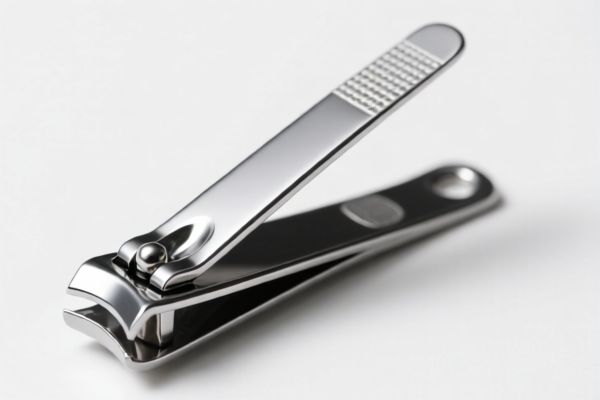
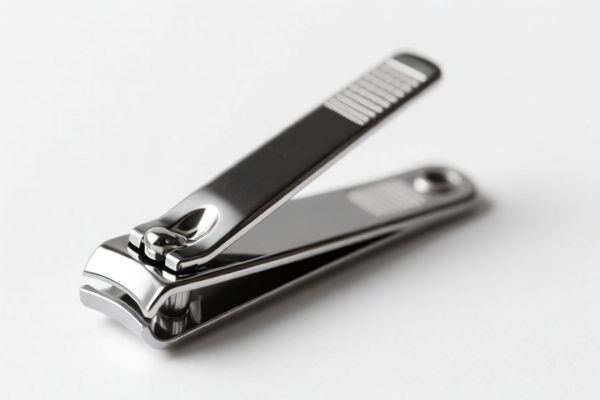
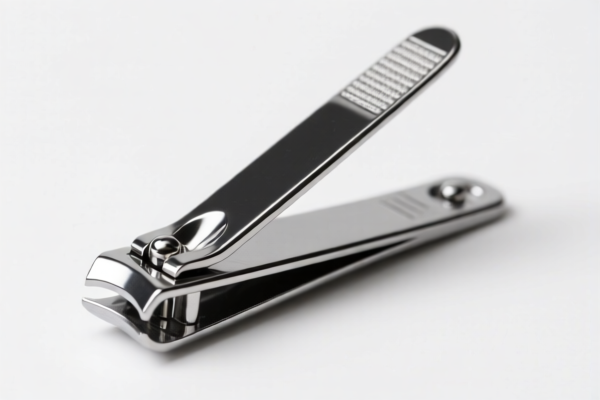
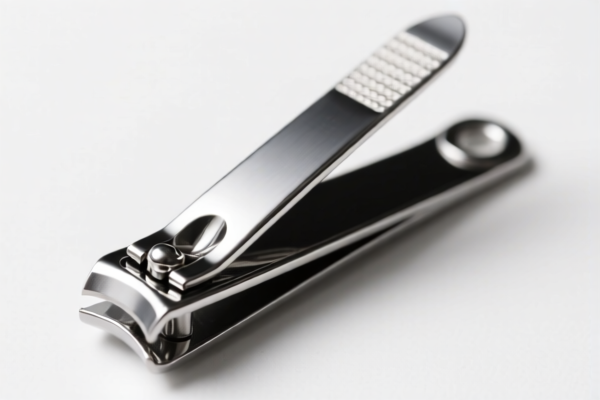
AI Analysis
✂️ Nail Nippers (Manicure & Pedicure Tools)
🌐 HS Code Reference & Customs Clearance Guide | 2026 Latest Tariff Analysis | Professional Classification Strategy
📌 I. Product Definition & Classification: Do You Really Understand "Nail Nippers"?
Nail nippers are small, handheld precision tools used for trimming fingernails and toenails. In international trade, their classification hinges on two critical factors: material composition (base metal vs. other) and specific form/usage (pincer-like vs. simple blade).
1. Pincer-Type Nippers (Pliers Style)
These feature a scissor-like mechanism with curved blades that pinch and cut. They are functionally similar to pliers.
* HS Chapter 82: Tools, implements, cutlery, spoons and forks, of base metal.
* Key Distinction: If the tool operates via a hinge and lever action to "nip" or "crimp," it often falls under 8203 (Hand tools such as pliers, screwdrivers, etc.).
2. Simple Blade Nippers (Scissor/Shear Style)
These look like small scissors but are specifically designed for nail care. They are often made of stainless steel.
* HS Chapter 82: Specifically under 8214 (Other articles of cutlery, razors and razor blades, shaving, manicuring or pedicuring goods).
⚠️ Critical Classification Point:
- If the tool is stainless steel and shaped like small scissors/sheets for nail care → 8214 is the most precise fit.
- If the tool is carbon steel or general-purpose "pliers" style used for nails → 8203 may apply.
- Misclassification Risk: Declaring all nail tools as "cosmetics" (Ch 96) is incorrect if they are metal tools; they belong to Ch 82.
📦 II. HS Code Classification Details (2026 Latest Tariff Mapping)
| HS Code | Product Description | Classification Logic | Tax Impact Note |
|---|---|---|---|
8214.20.30.00 |
Nail clippers/nippers of base metal (General) | Matches form and use. Classified as base metal manicure tools. | 14.0% Total Duty |
8203.20.60.60 |
Pliers-like nail nippers (Carbon Steel/General) | Classified under "Pliers and similar hand tools." Material inferred as metal, fitting pliers definition. | 12¢/doz + 5.5% + 35% (High Duty) |
8214.90.90.00 |
Other manicure/pedicure tools (Stainless/Blade-type) | Extended use in nail care. Classified as "Other blades/tools for manicuring." | 1.4¢ each + 3.2% + 10% |
8203.20.60.30 |
Pliers-style nail nippers (Specific Variant) | Similar to 8203.20.60.60, classified as plier-like tools. |
12¢/doz + 5.5% + 35% (High Duty) |
8214.90.90.00 |
Stainless Steel Nail Clippers | Specific use: nail trimming. Material: Stainless Steel. Fits "Other manicuring tools." | 1.4¢ each + 3.2% + 10% |
🔍 Key Insight:
-8214codes are generally more favorable for dedicated nail care tools (especially stainless steel) due to lower ad valorem rates (3.2% vs 5.5%+).
-8203codes are punitive if applied to nippers, adding a significant flat fee (12¢/doz) and higher base rates.
- The "122 Clause" (10%) applies to all listed codes for Chinese origin goods.
💰 III. 2026 Latest Tariff Rate Breakdown (Including Additional Duties & Policies)
✅ Applicable Country: United States (US)
✅ Country of Origin: China (CN)
✅ Effective Date: From November 10, 2025 (and subsequent imports)
🎯 1. HS Code 8214.20.30.00 — General Base Metal Nail Nippers
| Item | Details |
|---|---|
| Base Tariff | 4.0% |
| Section 301 (Trade War) Duty | 0.0% |
| Section 122 (USMCA/Reciprocal) Duty | 10.0% |
| Total Effective Rate | 14.0% |
| Calculation Method | Ad Valorem (on CIF Value) |
| De Minimis Exemption | ❌ Not Eligible (Deny de minimis for Section 301/122 items) |
| Legal Basis Path | HTSUS 8214.20 → Section 122 Footnote |
📌 Explanation:
- This code captures general "nail clippers" made of base metal.
- The 14% total rate is moderate but requires accurate declaration to avoid reclassification to the higher8203tier.
🎯 2. HS Code 8203.20.60.60 & 8203.20.60.30 — Pliers-Style Nippers
| Item | Details |
|---|---|
| Base Tariff | 12¢/doz. + 5.5% |
| Section 301 (Trade War) Duty | 25.0% |
| Section 122 (USMCA/Reciprocal) Duty | 10.0% |
| Total Effective Rate | ~40.5% + 12¢/doz (High) |
| Calculation Method | Compound (Specific + Ad Valorem) |
| De Minimis Exemption | ❌ Not Eligible |
| Legal Basis Path | HTSUS 8203.20 → Section 301 Footnote 9903.01.24 → Section 122 |
📌 Warning:
- This classification treats your nail nippers as "Pliers."
- The 25% Section 301 tariff is significant.
- The 12¢ per dozen specific duty adds up for bulk shipments.
- Risk: If you import stainless steel nippers here, you overpay significantly compared to8214.
🎯 3. HS Code 8214.90.90.00 — Stainless Steel/Blade-Type Nail Care Tools
| Item | Details |
|---|---|
| Base Tariff | 1.4¢/each + 3.2% |
| Section 301 (Trade War) Duty | 0.0% |
| Section 122 (USMCA/Reciprocal) Duty | 10.0% |
| Total Effective Rate | ~13.2% + 1.4¢/each (Lowest Base Rate) |
| Calculation Method | Compound (Specific + Ad Valorem) |
| De Minimis Exemption | ❌ Not Eligible (Section 122 applies) |
| Legal Basis Path | HTSUS 8214.90 → Section 122 Footnote |
📌 Why This is Often the Best Option:
- If your nippers are stainless steel and clearly marketed as "nail clippers/nippers" (not pliers), this code applies.
- The 3.2% ad valorem rate is much lower than the 5.5% in8203.
- The 0% Section 301 rate (for this specific subheading in some interpretations or if not covered by 301 lists) is a huge advantage, leaving only the 10% Section 122 duty.
- Note: Verify if8214.90is currently exempt from Section 301 in the latest USTR exclusions.
🛠️ IV. Customs Clearance Practical Advice (Pitfall Avoidance Guide)
✅ 1. Preparation Checklist (Mandatory Documents)
| Document | Required? | Explanation |
|---|---|---|
| ✅ Product Spec Sheet | ✔️ | Must specify Material (Stainless Steel vs. Carbon Steel) and Type (Pincer vs. Blade). |
| ✅ Product Photos | ✔️ | Clear images showing the hinge mechanism and blade shape. |
| ✅ Commercial Invoice | ✔️ | Must use precise terminology: "Stainless Steel Nail Nippers for Manicure" NOT "Pliers." |
| ✅ Country of Origin | ✔️ | Crucial for calculating Section 122 and Section 301 duties. |
| ✅ FCC/RoHS Certs | ❌ | Generally not required for simple metal tools, but good for brand compliance. |
✅ 2. Declaration Strategy (Key Mantra)
🔥 "Material & Form Define Code. 'Pliers' means High Duty. 'Manicure' means Lower Duty!"
| Scenario | Correct Declaration | Incorrect Declaration | Consequence |
|---|---|---|---|
| Stainless Steel Nail Nippers | 8214.90.90.00"Stainless Steel Nail Clippers" |
8203.20.60.60"Metal Pliers" |
Overpay ~25% (Section 301) |
| Carbon Steel Pincer Nippers | 8203.20.60.60"Hand Pliers for Nail Care" |
8214.90.90.00"Manicure Tools" |
Potential Misclassification Penalty |
| General Metal Nail Clipper | 8214.20.30.00"Nail Clippers, Base Metal" |
8214.90.90.00"Other Manicure Tools" |
Possible Audit, but rate close |
📌 Critical Tip:
- Avoid using the word "Pliers" in the description unless it is explicitly a plier-style tool. Use "Nippers," "Clippers," or "Cutters."
- Always specify Stainless Steel if applicable, as it strongly supports8214.
✅ 3. Special Handling Cases
| Case | Recommendation |
|---|---|
| Mixed Shipment | If packing both 8214 and 8203 items, declare separately. Do not average the values. |
| Gift Sets | If nail nippers are part of a manicure set (with files, buffers), the essence of the set determines the HS Code. If nippers are the main component, classify as nippers. |
| OEM Private Label | Ensure the manufacturer's description matches your declaration. Inconsistencies lead to delays. |
| Section 122 Impact | Remember the 10% Section 122 duty applies to almost all base metal tools from China. Factor this into your cost model. |
🌍 V. Global Market Comparison (2026 Update)
| Market | Recommended HS Code | Est. Duty (China Origin) | Key Requirement |
|---|---|---|---|
| 🇺🇸 USA | 8214.90.90.00 |
~13.2% + 1.4¢/ea | Avoid "Pliers" classification to save 25%. |
| 🇨🇳 China (Import) | 8214.20.30.00 |
~5-10% | No Section 122/301. Standard MFN rate. |
| 🇪🇺 EU | 8214.20.00 |
0% (Free Trade) | CE marking not required for metal tools, but safety standards apply. |
| 🇬🇧 UK | 8214.20.00 |
0% | Post-Brexit rules align with EU for these goods. |
📌 Conclusion:
- The US market is the most complex due to Section 301 and Section 122.
- Precise classification under8214is the key to minimizing US tariffs.
- China, EU, and UK offer significantly lower or zero duties for these items.
📌 VI. Common Mistakes & Blood-Tears Lessons
❌ Mistake 1: Declaring stainless steel nippers as "Pliers" (8203)
👉 Consequence: You pay an extra 25% Section 301 duty.
👉 Fix: Use 8214 for stainless steel nail tools.
❌ Mistake 2: Using generic "Metal Tool" description
👉 Consequence: Customs may assign the highest duty rate (8203) due to ambiguity.
👉 Fix: Always specify "Nail Nippers" and Material.
❌ Mistake 3: Ignoring Section 122 Duty
👉 Consequence: Unexpected 10% cost on top of base tariffs.
👉 Fix: Build the 10% into your landed cost calculation immediately.
❌ Mistake 4: Mixing 8214 and 8203 in one HS Line Item
👉 Consequence: Customs will audit the entire shipment and potentially seize goods.
👉 Fix: Separate lines for different HS Codes.
✅ Correct Declaration Example:
"Stainless Steel Nail Nippers for Manicure and Pedicure, Model XYZ, Made in China, HS 8214.90.90.90"
🎯 VII. Conclusion: Precision in Classification, Profit in Your Pocket!
🎯 Remember the Mantra:
🔹 "Stainless = 8214 (Lower Duty). Carbon/Pliers = 8203 (Higher Duty)."
🔹 "Section 301 is the Enemy. Section 122 is the Tax. Choose 8214 to Escape 301!"
📌 Pro Tip:
If you are importing large volumes, consider applying for an Advance Ruling from US Customs to lock in the 8214 classification. This prevents future disputes and ensures consistent duty rates.
📣 Take Action Now:
📞 Consult with a licensed customs broker.
📄 Provide product photos and material specs.
🚀 Optimize your tariff code. Save money. Ship with confidence!
✨ Professional Customs Clearance Starts with Accurate Classification!
💼 Every Cent Saved on Duty is Pure Profit!
Customer Reviews
About HS Code Classification
The Harmonized System (HS) is an internationally standardized nomenclature developed by the World Customs Organization (WCO) to classify traded products. Over 200 countries use the HS system as the basis for customs tariffs, trade statistics, and import/export regulations.
Each HS code follows a hierarchical structure:
- Chapter (2 digits) — Broad category of goods (e.g., Chapter 84: Machinery and Mechanical Appliances)
- Heading (4 digits) — More specific grouping within the chapter
- Subheading (6 digits) — Internationally standardized breakdown, used by all WCO member countries
- National subdivisions (8-10 digits) — Country-specific extensions for further classification, such as US HTSUS 10-digit codes
Correct HS code classification is essential for smooth customs clearance, accurate duty payment, and compliance with trade regulations. Misclassification can lead to customs delays, overpayment of duties, or penalties.
When importing from CN to US, the applicable tariff rates may include:
- Most-Favored-Nation (MFN) rate — The standard duty rate applied to WTO members
- General rate — Applied to countries without trade agreements
- Trade remedy duties — Additional tariffs such as Section 301 (anti-dumping), Section 232 (national security), or countervailing duties
The information provided on this page is for reference purposes only. For official classification, please consult with your local customs authority or a licensed customs broker.