Nail Polish Display Rack
CN → US| HS Code | Tariff Rate | Origin | Destination | Doc |
|---|---|---|---|---|
| 7326908688 | 87.9% | CN | US | Official Doc |
| 9403200086 | 85.0% | CN | US | Official Doc |
| 9403896020 | 35.0% | CN | US | Official Doc |
| 9403704031 | 35.0% | CN | US | Official Doc |
| 9403999020 | 85.0% | CN | US | Official Doc |
Product Images
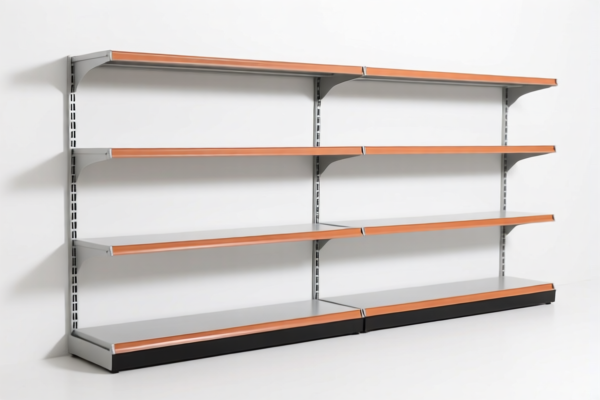
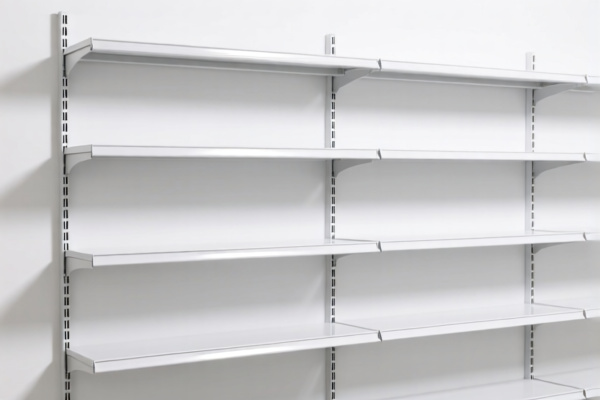
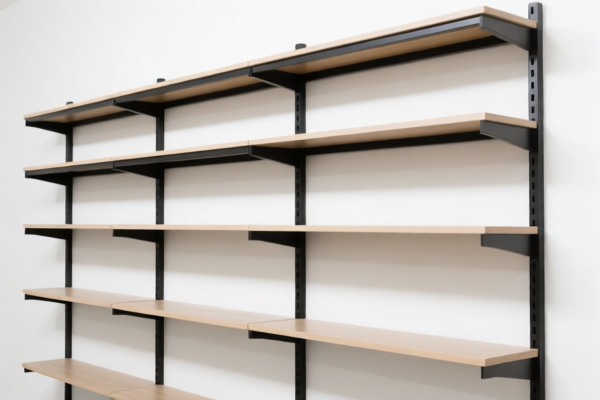
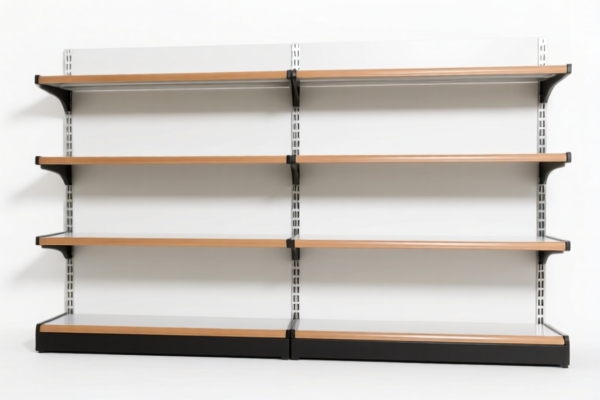
AI Analysis
💅 Nail Polish Display Rack: HS Code Classification & US Customs Clearance Strategy
🌐 HS Code Reference & Customs Clearance Guide | 2026 Latest Tariff Analysis | Professional Entry Strategy
📌 I. Product Definition & Classification: Do You Really Know the "Nail Polish Rack"?
A Nail Polish Display Rack is a retail fixture used to organize, showcase, and sell cosmetic products (specifically nail polishes). In international trade, its classification depends heavily on its primary material and functionality. It is generally categorized under Chapter 94 (Furniture) or Chapter 73 (Articles of Iron or Steel).
Key Distinctions: * Metal Display Rack (Steel/Iron): Rigid, structural frames made primarily of metal. These often fall under Chapter 73 (Other articles of iron or steel) unless they are clearly defined as specific furniture parts. * Metal Furniture-Style Rack: If the rack is designed as a standalone piece of furniture (e.g., a tall shelving unit with specific furniture characteristics), it may fall under 9403.20 (Metal furniture). * Plastic Display Rack: Made entirely or primarily of plastic. Falls under 9403.70 (Plastic furniture). * Display Rack Parts: If imported as components (e.g., separate shelves, hooks, or bases) for assembly.
⚠️ Critical Classification Point:
- If the rack is metal and considered an "article" rather than "furniture," it often falls under 7326.90.
- If it is metal but clearly "furniture" (e.g., a standalone counter or tall cabinet), it falls under 9403.20.
- If it is plastic, it falls under 9403.70.
- Misclassification Risk: Declaring a metal rack as "furniture" when it is merely an "article" can lead to disputes, but both carry high tariffs due to Section 301 and 232/122 measures.
📦 II. HS Code Classification Details (2026 Latest Tariff Authority Cross-Reference)
| HS Code | Product Description | Application Scenario | Material Focus |
|---|---|---|---|
7326.90.86.88 |
Other articles of iron or steel (non-furniture specific) | Simple metal frames, industrial-style racks, basic stand-alone display structures | ✅ Iron/Steel |
9403.20.00.86 |
Metal furniture (other than wooden, leather, or plastic) | Retail shelving units designed as furniture, tall metal display cabinets | ✅ Metal Furniture |
9403.89.60.20 |
Other furniture and parts (not elsewhere specified) | Mixed-material racks, racks with plastic components but not primarily plastic | ✅ Mixed/Other |
9403.70.40.31 |
Other plastic furniture | Entirely plastic or primarily plastic nail polish organizers | ✅ Plastic |
9403.99.90.20 |
Parts of furniture (default metal/plastic) | Individual shelves, hooks, or connectors for display racks | ✅ Parts |
🔍 Key Reminder:
- Metal Racks are heavily scrutinized. Even if declared as "furniture" (9403.20), they are subject to significant additional tariffs.
- Plastic Racks (9403.70) are generally cheaper to import due to lower base duties, but still subject to Section 301.
- Parts (9403.99) are often grouped with their parent material, so metal parts face high tariffs.
💰 III. 2026 Latest Tariff Rate Details (Including Additional Taxes & Policy Surcharges)
✅ Applicable Country: United States (US)
✅ Country of Origin: China (CN)
✅ Effective Date: November 10, 2025 (and subsequent imports)
🎯 1. 7326.90.86.88 —— Other Iron/Steel Articles (Non-Furniture)
| Item | Content |
|---|---|
| Base Duty Rate | 2.9% (ad valorem) |
| Section 301 Surcharge | +25.0% |
| Section 232/122 Surcharge | +10% (Steel/Aluminum/Copper Products) + 50% (Specific Steel/Aluminum/Copper Surcharge) |
| Total Effective Rate | 87.9% |
| Tax Calculation | CIF Value × 87.9% |
| De Minimis Eligibility | ❌ NO (Denied) |
| Legal Path | Section 232: Steel → Section 301: Footnote 9903.88.01 → HS 7326.90.86.88 |
📌 Explanation:
- This is the highest tariff category for nail polish racks.
- The 50% surcharge applies specifically to steel/aluminum/copper products under the 122/232 rules.
- Total Cost Impact: For a $1,000 shipment, you pay $879 in duties alone.
- Risk: High risk of customs audit due to the complexity of the 50% surcharge application.
🎯 2. 9403.20.00.86 —— Metal Furniture
| Item | Content |
|---|---|
| Base Duty Rate | 0.0% |
| Section 301 Surcharge | +25.0% |
| Section 232/122 Surcharge | +10% + 50% (Steel/Aluminum/Copper Products) |
| Total Effective Rate | 85.0% |
| Tax Calculation | CIF Value × 85.0% |
| De Minimis Eligibility | ❌ NO (Denied) |
| Legal Path | Section 232: Steel → Section 301: Footnote 9903.88.01 → HS 9403.20.00.86 |
📌 Explanation:
- Although the base duty is 0%, the 75% combined surcharge (25% + 10% + 50%) makes it extremely expensive.
- Note: The 50% surcharge for steel products applies here as well if the furniture is primarily steel.
- Comparison: Slightly cheaper than7326.90.86.88(85% vs 87.9%), but still prohibitive.
🎯 3. 9403.89.60.20 —— Other Furniture/Parts (Mixed)
| Item | Content |
|---|---|
| Base Duty Rate | 0.0% |
| Section 301 Surcharge | +25.0% |
| Section 232/122 Surcharge | +10% (No 50% surcharge if not classified as steel/aluminum/copper) |
| Total Effective Rate | 35.0% |
| Tax Calculation | CIF Value × 35.0% |
| De Minimis Eligibility | ❌ NO (Denied) |
| Legal Path | Section 301: Footnote 9903.88.01 → HS 9403.89.60.20 |
📌 Explanation:
- Significant Savings: This is the most cost-effective option if the product can be classified here.
- Condition: The rack must not be primarily classified as "steel/aluminum/copper" under Section 232. If it contains significant non-metal components (e.g., wood, plastic, glass) or is not explicitly "steel," the 50% surcharge may not apply.
- Strategy: If the rack has plastic shelves or mixed materials, argue for this classification to avoid the 50% surcharge.
🎯 4. 9403.70.40.31 —— Plastic Furniture
| Item | Content |
|---|---|
| Base Duty Rate | 0.0% |
| Section 301 Surcharge | +25.0% |
| Section 232/122 Surcharge | +10% (No 50% surcharge for plastic) |
| Total Effective Rate | 35.0% |
| Tax Calculation | CIF Value × 35.0% |
| De Minimis Eligibility | ❌ NO (Denied) |
| Legal Path | Section 301: Footnote 9903.88.01 → HS 9403.70.40.31 |
📌 Explanation:
- Best for Plastic Racks: If your nail polish display rack is made of plastic, this is the lowest tariff category.
- No Steel Penalty: Plastic is not subject to the 50% steel/aluminum surcharge.
- Recommendation: If possible, switch to plastic materials to reduce tariffs from ~85% to 35%.
🎯 5. 9403.99.90.20 —— Parts of Furniture (Default Metal/Plastic)
| Item | Content |
|---|---|
| Base Duty Rate | 0.0% |
| Section 301 Surcharge | +25.0% |
| Section 232/122 Surcharge | +10% + 50% (If metal parts) |
| Total Effective Rate | 85.0% (if metal) or 35.0% (if plastic) |
| Tax Calculation | CIF Value × Rate |
| De Minimis Eligibility | ❌ NO (Denied) |
| Legal Path | Section 232/301 → HS 9403.99.90.20 |
📌 Explanation:
- Parts are taxed like the main article: If you import metal shelves separately, they are taxed as metal furniture (85%).
- Warning: Do not split a metal rack into parts to avoid classification; customs may consolidate the value and apply the same rate.
🛠️ IV. Customs Clearance Practical Advice (Battle-Tested Pitfall Avoidance)
✅ 1. Required Documentation Checklist (All Items Mandatory)
| Document | Mandatory? | Notes |
|---|---|---|
| ✅ Product Specification Sheet | ✔️ | Include dimensions, load capacity, material composition (e.g., "60% steel, 40% plastic") |
| ✅ Material Composition Breakdown | ✔️ | Crucial for determining if the 50% steel surcharge applies |
| ✅ Product Photos (With Labels) | ✔️ | Show the entire rack, including any plastic components |
| ✅ Commercial Invoice | ✔️ | Clearly state "Nail Polish Display Rack" and HS Code |
| ✅ Packing List | ✔️ | Indicate if parts are shipped separately or assembled |
| ✅ Third-Party Test Reports | ✔️ | If applicable (e.g., structural integrity, flammability) |
✅ 2. Declaration Strategy (Key Mnemonics)
🔥 "Material Matters, Don't Split, Name It Right!"
| Scenario | Correct Declaration | Wrong Practice |
|---|---|---|
| All-Metal Rack | 9403.20.00.86 (Metal Furniture) |
Declare as "Storage Unit" → 85% |
| Plastic Rack | 9403.70.40.31 (Plastic Furniture) |
Declare as "Metal Rack" → 85% |
| Mixed Material (Metal Frame + Plastic Shelves) | 9403.89.60.20 (Other Furniture) |
Declare as "Metal" → 85% |
| Rack Parts (Disassembled) | 9403.99.90.20 |
Split value incorrectly → Audit Risk |
✅ 3. Special Handling Scenarios
| Scenario | Handling Advice |
|---|---|
| Mixed Material Racks | If the rack has any plastic or wood components, argue for 9403.89.60.20 or 9403.70.40.31 to avoid the 50% steel surcharge. |
| OEM Custom Racks | Provide design drawings to prove it is not a standard "steel article" but a "furniture item" to potentially qualify for lower base rates (though surcharges remain). |
| Plastic-Coated Metal Racks | If the coating is significant, argue for plastic classification (9403.70), but customs may reject this if the base material is steel. |
| Small Display Counters | If the rack is small and primarily decorative, consider classifying as "Other articles" (7326.90) but verify surcharges carefully. |
🌍 V. Global Market Comparison (2026 Latest)
| Country/Region | Recommended HS Code | Tariff Rate | Certification | Notes |
|---|---|---|---|---|
| 🇺🇸 USA | 9403.70.40.31 (Plastic) |
35% | No special | Avoid Metal (85-87.9%) |
| 🇨🇳 China | 9403.20.00.86 (Metal) |
5% | CCC | No Section 301 |
| 🇪🇺 EU | 9403.60.00.00 (Wood) |
0-4% | CE | Steel racks: 1-3% |
| 🇬🇧 UK | 9403.20.00.00 |
0-4% | UKCA | Post-Brexit rules |
| 🇯🇵 Japan | 9403.20.00.00 |
0% | PSE | No additional tariffs |
📌 Conclusion:
- USA is the most expensive market due to Section 301 and 232/122 surcharges.
- Plastic racks are the safest bet for US imports (35% vs 85%+ for metal).
- Metal racks require careful classification to avoid the 50% steel surcharge if possible (e.g., by arguing mixed materials).
📌 VI. Common Mistakes & Pitfalls (Blood Lessons)
❌ Mistake 1: Declaring a metal rack as "Plastic" to save taxes
👉 Consequence: Customs audit → Re-classification → 85% Tariff + Penalties
❌ Mistake 2: Splitting a metal rack into parts to use "Parts" HS Code
👉 Consequence: Customs consolidates value → Same 85% rate + Delay
❌ Mistake 3: Ignoring the 50% Steel Surcharge for 7326.90.86.88
👉 Consequence: Underpayment → Back taxes + Interest
✅ Correct Approach:
"Nail Polish Display Rack, Mixed Material (Steel Frame + Plastic Shelves), Model XYZ, Designed for Retail Display"
🎯 VII. Conclusion: Smart Classification Saves Money!
🎯 Remember the Motto:
🔹 "Plastic is King, Metal is King, Mixed is the Bridge to Savings!"
🔹 "Avoid the 50% Steel Surcharge by Arguing Mixed Materials!"
📌 Pro Tip:
If your nail polish racks are plastic, use HS Code 9403.70.40.31 for 35% total duty.
If they are metal, you are stuck with 85-87.9%.
Recommendation: Switch to plastic or mixed-material designs to save ~50% in duties!
📣 Immediate Action:
📞 Contact a Customs Broker + Provide Material Composition Breakdown + Apply for Advance Ruling if unsure.
🚀 Optimize Your Supply Chain: Use plastic or mixed materials to drastically reduce US import costs.
✨ Professional Clearance Starts with Accurate Classification!
💼 Every Dollar Saved in Tariffs is Pure Profit!
Customer Reviews
About HS Code Classification
The Harmonized System (HS) is an internationally standardized nomenclature developed by the World Customs Organization (WCO) to classify traded products. Over 200 countries use the HS system as the basis for customs tariffs, trade statistics, and import/export regulations.
Each HS code follows a hierarchical structure:
- Chapter (2 digits) — Broad category of goods (e.g., Chapter 84: Machinery and Mechanical Appliances)
- Heading (4 digits) — More specific grouping within the chapter
- Subheading (6 digits) — Internationally standardized breakdown, used by all WCO member countries
- National subdivisions (8-10 digits) — Country-specific extensions for further classification, such as US HTSUS 10-digit codes
Correct HS code classification is essential for smooth customs clearance, accurate duty payment, and compliance with trade regulations. Misclassification can lead to customs delays, overpayment of duties, or penalties.
When importing from CN to US, the applicable tariff rates may include:
- Most-Favored-Nation (MFN) rate — The standard duty rate applied to WTO members
- General rate — Applied to countries without trade agreements
- Trade remedy duties — Additional tariffs such as Section 301 (anti-dumping), Section 232 (national security), or countervailing duties
The information provided on this page is for reference purposes only. For official classification, please consult with your local customs authority or a licensed customs broker.