Nasal Breathing Device
CN → US| HS Code | Tariff Rate | Origin | Destination | Doc |
|---|---|---|---|---|
| 3926909989 | 22.8% | CN | US | Official Doc |
| 9019200000 | 10.0% | CN | US | Official Doc |
| 9019102050 | 10.0% | CN | US | Official Doc |
| 9018199550 | 35.0% | CN | US | Official Doc |
| 9018907560 | 35.0% | CN | US | Official Doc |
Product Images
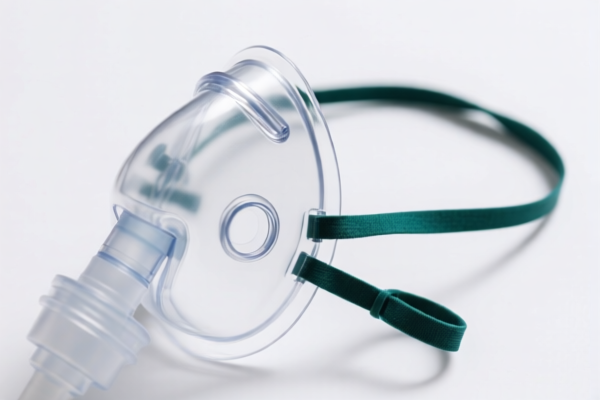
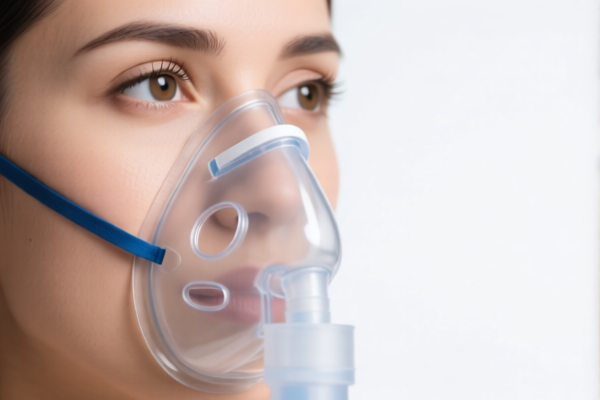
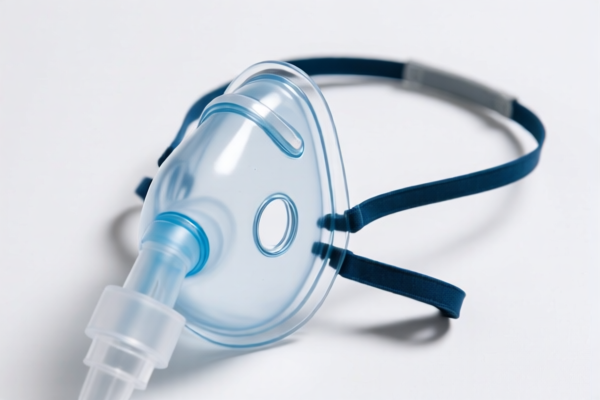
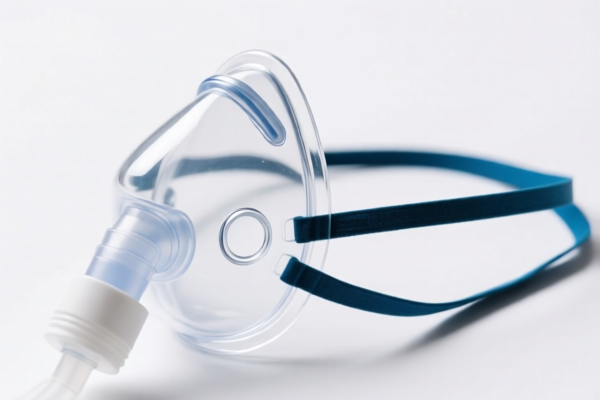
AI Analysis
👃 Nasal Breathing Device (Nasal Breathing Aids/Devices)
🌐 HS Code Reference & Customs Clearance Guide | 2026 Latest Tariff Analysis | Professional Clearance Strategy
📌 1. Product Definition & Classification: Do You Really Understand "Nasal Breathing Devices"?
A Nasal Breathing Device generally refers to aids used to relieve nasal congestion, assist in breathing, or provide therapeutic respiratory support. In international trade, these products are often ambiguous. They can be classified as simple plastic consumer goods or specialized medical/therapeutic equipment, depending on their intended use, mechanism of action, and regulatory status.
The ambiguity leads to significantly different tariff outcomes (from 10% to 35%+). Below is the authoritative breakdown based on 2026 tariff data.
⚠️ Key Distinction Point:
- If it is a simple mechanical aid (e.g., silicone clips, plastic strips) without active therapy or medical diagnosis functions → Likely Chapter 39 (Plastics) or Chapter 9019 (Therapeutic Appliances).
- If it is part of a medical diagnostic or physiological monitoring system → Likely Chapter 9018 (Medical Instruments).
- Crucial: US Customs and Border Protection (CBP) scrutinizes "medical claims." If the packaging claims to "treat apnea" or "diagnose conditions," it may be forced into high-tax medical categories or require FDA clearance.
📦 2. HS Code Classification Details (2026 Latest Tariff Authority Comparison)
| HS Code | Product Description | Applicability Scenario | Tax Rate | Legal Basis Logic |
|---|---|---|---|---|
3926.90.99.89 |
Other plastic articles, not specified elsewhere | Simple plastic nasal strips/clips; non-medical material aids | 22.8% | Classified as "Other Plastic Articles" due to lack of specific medical device function. |
9019.20.00.00 |
Aerosol therapy, artificial respiration, or other therapeutic breathing appliances | Nasal devices designed for respiratory therapy, congestion relief, or airflow assistance | 10.0% | Matches the function of "therapeutic breathing appliances" (Chapter 90). |
9019.10.20.50 |
Massage apparatus and mechanical therapy appliances | Devices combining nasal aid with massage/physical therapy functions (e.g., vibrating nasal aids) | 10.0% | Classified under "Mechanical Therapy Appliances" based on material (plastic/silicone) and use. |
9018.19.95.50 |
Instruments for physiological analysis/checking (other than electrocardiographs) | Nasal devices integrated with sensors for monitoring breathing parameters/physiological data | 35.0% | Classified as "Medical/Diagnostic Instruments" because it measures physiological parameters. |
9018.90.75.60 |
Parts/attachments for medical instruments (or other medical/therapeutic appliances) | Accessories for medical nasal therapy devices or specific medical-grade treatment tools | 35.0% | Classified as "Other Medical/Surgical Instruments" based on medical material (medical silicone) and treatment purpose. |
🔍 Key Reminder:
- Simple plastic clips/strips without medical claims → 3926.90.99.89 (22.8%).
- Therapeutic breathing aids (passive or active airflow) → 9019.20.00.00 (10.0%).
- Devices with sensors/diagnostic functions → 9018.19.95.50 (35.0%).
- High-cost medical-grade therapy tools → 9018.90.75.60 (35.0%).
💰 3. 2026 Latest Tariff Rate Breakdown (Including Additional Taxes & Policy Add-ons)
✅ Applicable Country: United States (US)
✅ Origin: China (CN)
✅ Effective Time: November 10, 2025 onwards (including subsequent imports)
🎯 1. 3926.90.99.89 —— Plastic Articles (Non-Medical/General)
| Item | Details |
|---|---|
| Base Duty Rate | 5.3% (Ad Valorem) |
| Section 301 Additional Duty | +7.5% |
| Section 122 Duty | +10% |
| Total Duty Rate | 22.8% |
| Tax Calculation | CIF Value × 22.8% |
| De Minimis Exemption Eligible? | ❌ No (Section 301 and 122 duties apply even to low-value shipments in many cases, or threshold is strictly enforced) |
| Legal Basis Path | Base Tariff: 3926.90.99.89 → Section 301: 7.5% → Section 122: 10% |
📌 Explanation:
- This classification treats the product as a general plastic good.
- Note: If misclassified, you face no medical surcharge, but you still pay significant Section 301 and 122 duties.
🎯 2. 9019.20.00.00 —— Therapeutic Breathing Appliances (Best Option for Most Aids)
| Item | Details |
|---|---|
| Base Duty Rate | 0.0% |
| Section 301 Additional Duty | 0.0% |
| Section 122 Duty | +10% |
| Total Duty Rate | 10.0% |
| Tax Calculation | CIF Value × 10.0% |
| De Minimis Exemption Eligible? | ❌ No (Section 122 duty applies) |
| Legal Basis Path | Base Tariff: 9019.20.00.00 → Section 122: 10% |
📌 Note:
- This is the most cost-effective classification for nasal breathing aids.
- Applies to devices intended for respiratory therapy or congestion relief.
- Zero base duty and zero Section 301 duty make it highly competitive.
🎯 3. 9019.10.20.50 —— Mechanical Therapy Appliances
| Item | Details |
|---|---|
| Base Duty Rate | 0.0% |
| Section 301 Additional Duty | 0.0% |
| Section 122 Duty | +10% |
| Total Duty Rate | 10.0% |
| Tax Calculation | CIF Value × 10.0% |
| De Minimis Exemption Eligible? | ❌ No |
| Legal Basis Path | Base Tariff: 9019.10.20.50 → Section 122: 10% |
📌 Attention:
- Similar to 9019.20, this is a low-tax category (10%).
- Use this if the device has mechanical massage or physical therapy features alongside nasal support.
🎯 4. 9018.19.95.50 —— Medical Diagnostic Instruments (High Tax)
| Item | Details |
|---|---|
| Base Duty Rate | 0.0% |
| Section 301 Additional Duty | +25.0% |
| Section 122 Duty | +10% |
| Total Duty Rate | 35.0% |
| Tax Calculation | CIF Value × 35.0% |
| De Minimis Exemption Eligible? | ❌ No |
| Legal Basis Path | Base Tariff: 9018.19.95.50 → Section 301: 25.0% → Section 122: 10% |
📌 Explanation:
- This applies if the device measures physiological data (e.g., airflow rate, oxygen saturation via nasal sensor).
- High Risk: Subject to Section 301 (25%) due to classification as medical instruments.
- Avoid this classification unless the product is explicitly a diagnostic sensor.
🎯 5. 9018.90.75.60 —— Other Medical/Surgical Instruments (High Tax)
| Item | Details |
|---|---|
| Base Duty Rate | 0.0% |
| Section 301 Additional Duty | +25.0% |
| Section 122 Duty | +10% |
| Total Duty Rate | 35.0% |
| Tax Calculation | CIF Value × 35.0% |
| De Minimis Exemption Eligible? | ❌ No |
| Legal Basis Path | Base Tariff: 9018.90.75.60 → Section 301: 25.0% → Section 122: 10% |
📌 Attention:
- Applies to medical-grade nasal therapy devices or parts thereof.
- Material is often inferred as medical silicone or plastic.
- Also incurs 35% total tax. Use only if the product is clearly a medical treatment tool.
🛠️ 4. Customs Clearance Practical Advice (Pitfall Avoidance Guide)
✅ 1. Required Documents Checklist (All or Nothing)
| Document | Mandatory? | Notes |
|---|---|---|
| ✅ Product Specification Sheet | ✔️ | Must detail function: "Therapeutic Breathing Aid" vs. "Diagnostic Sensor." |
| ✅ Product Photos (Including Label/Packaging) | ✔️ | Must show if it has sensors, lights, or digital displays. |
| ✅ Statement of Non-Medical Device (if applicable) | ✔️ | If claiming 9019.20 (10%), ensure no diagnostic claims. |
| ✅ Commercial Invoice | ✔️ | Clearly state: "Nasal Breathing Aid for Congestion Relief" (Avoid "Medical Device" unless true). |
| ✅ Third-Party Test Report (CE/FCC) | ✔️ | If claiming electronic features, FCC is required. |
✅ 2. Declaration Tips (Key Mnemonic)
🔥 "Therapy is Low, Diagnosis is High; Plastic is Middle, Be Careful with Claims!"
| Scenario | Correct HS Code | Wrong Practice | Result |
|---|---|---|---|
| Simple Plastic Clip/Straightener | 3926.90.99.89 |
Misdeclare as Medical Device | Pay 35% unnecessarily |
| Nasal Dilator for Breathing Aid | 9019.20.00.00 |
Misdeclare as Plastic Part | Pay 22.8% instead of 10% |
| Nasal Sensor with Display | 9018.19.95.50 |
Misdeclare as Therapeutic Aid | Pay 22.8%? No, CBP may audit and backcharge 35% + penalties |
| Medical-Grade Nasal Therapy Tool | 9018.90.75.60 |
Misdeclare as Consumer Good | FDA & CBP issues; 35% tax + Legal Risk |
✅ 3. Special Case Handling
| Scenario | Handling Advice |
|---|---|
| Product with Sensors | Even if it's a "breathing aid," if it measures data, it must go to 9018.19.95.50 (35%). Do not hide this feature. |
| Packaging Claims "Cures Apnea" | High risk. CBP may classify as medical device (9018.xxxx) requiring FDA 510(k). Ensure compliance. |
| Silicone vs. Plastic | Material alone doesn't determine HS Code. Function does. Silicone therapeutic aid → 9019.20.00.00. |
| Parts for Nasal Devices | If selling replacement parts for a 9019.20 device, they may fall under 9019.90.00.00 (check specific part rules) or 3926 if simple plastic. |
🌍 5. Global Market Comparison (2026 Latest)
| Country/Region | Recommended HS Code | Duty Rate | Certification | Notes |
|---|---|---|---|---|
| 🇺🇸 USA | 9019.20.00.00 |
10.0% | FCC (if electronic) | Best rate for breathing aids. Avoid 9018 unless diagnostic. |
| 🇨🇳 China | 9019.20.00.00 |
Low (~5-10%) | CCC (if electronic) | No Section 301/122. |
| 🇪🇺 EU | 9019.20.00.00 |
0-4% | CE + MDR | Medical device regulation (MDR) applies if claimed therapeutic. |
| 🇬🇧 UK | 9019.20.00.00 |
0-4% | UKCA | Post-Brexit rules similar to EU. |
📌 Conclusion:
- USA is the most complex market due to Section 301 and Section 122 duties.
- Target9019.20.00.00for the lowest cost (10%) for non-diagnostic nasal breathing aids.
- Avoid9018unless the product is a diagnostic sensor, to save 25% in Section 301 duties.
📌 6. Common Errors & Pitfall Guide (Lessons Learned)
❌ Error 1: Calling a "Nasal Dilator" a "Medical Device" to gain credibility
👉 Consequence: CBP audits, classifies as 9018.19.95.50 (35%), backcharges 25% additional duty + penalties.
❌ Error 2: Declaring a sensor-based device as a "Plastic Clip" (3926)
👉 Consequence: FDA seizure for unregistered medical device + CBP fine for misclassification.
❌ Error 3: Using "Breathing Aid" in description but including "O2 Sensor"
👉 Consequence: Contradiction in documents. CBP will demand clarification, leading to delays.
❌ Error 4: Ignoring Section 122 Duty
👉 Consequence: Even with 0% base duty and 0% Section 301 (in 9019), Section 122 (10%) still applies. Total is not 0%, but 10%.
✅ Correct Practice:
"Nasal Breathing Aid, Silicone, for Congestion Relief, No Electronic Components, Model XYZ, Not for Diagnostic Purposes"
🎯 7. Conclusion: Precise Classification, Save Costs, Smooth Clearance!
🎯 Remember the Mnemonic:
🔹 "Therapy 10, Diagnosis 35, Plastic 22, No Claims, Save Money!"
🔹 "HS Code Determines Life, Tax Rate Differs 25%, Misclassification Costs Thousands!"
📌 Pro Tip:
If your nasal breathing device is diagnostic (has sensors), expect 35% duty. Consider if you can remove diagnostic features to qualify for 9019.20.00.00 (10%) if legally permissible.
Always apply for an Advance Ruling if the product is borderline, to avoid post-entry audits.
📣 Immediate Action:
📞 Contact Professional Customs Broker + Provide Product Photos + Apply for HS Code Advance Ruling
🚀 Let Your Nasal Breathing Devices Clear Smoothly, Boost Margins, and Sell Efficiently!
✨ Professional Clearance Starts with Accurate Classification!
💼 Every Penny of Your Cost Deserves Precise Calculation!
Customer Reviews
About HS Code Classification
The Harmonized System (HS) is an internationally standardized nomenclature developed by the World Customs Organization (WCO) to classify traded products. Over 200 countries use the HS system as the basis for customs tariffs, trade statistics, and import/export regulations.
Each HS code follows a hierarchical structure:
- Chapter (2 digits) — Broad category of goods (e.g., Chapter 84: Machinery and Mechanical Appliances)
- Heading (4 digits) — More specific grouping within the chapter
- Subheading (6 digits) — Internationally standardized breakdown, used by all WCO member countries
- National subdivisions (8-10 digits) — Country-specific extensions for further classification, such as US HTSUS 10-digit codes
Correct HS code classification is essential for smooth customs clearance, accurate duty payment, and compliance with trade regulations. Misclassification can lead to customs delays, overpayment of duties, or penalties.
When importing from CN to US, the applicable tariff rates may include:
- Most-Favored-Nation (MFN) rate — The standard duty rate applied to WTO members
- General rate — Applied to countries without trade agreements
- Trade remedy duties — Additional tariffs such as Section 301 (anti-dumping), Section 232 (national security), or countervailing duties
The information provided on this page is for reference purposes only. For official classification, please consult with your local customs authority or a licensed customs broker.