Nasal Congestion Reliever
CN → US| HS Code | Tariff Rate | Origin | Destination | Doc |
|---|---|---|---|---|
| 3926909989 | 22.8% | CN | US | Official Doc |
| 9019200000 | 10.0% | CN | US | Official Doc |
| 9019102050 | 10.0% | CN | US | Official Doc |
| 9018199550 | 35.0% | CN | US | Official Doc |
| 9018907560 | 10.0% | CN | US | Official Doc |
Product Images
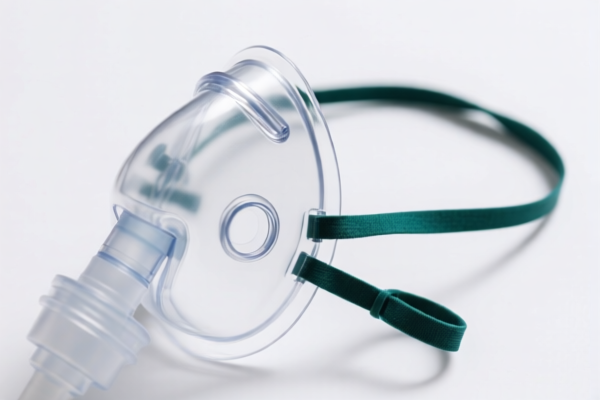
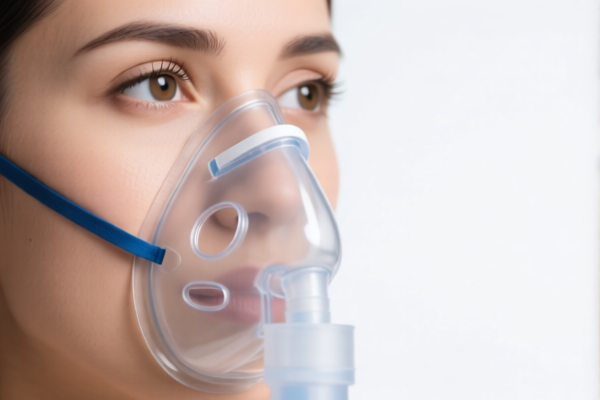
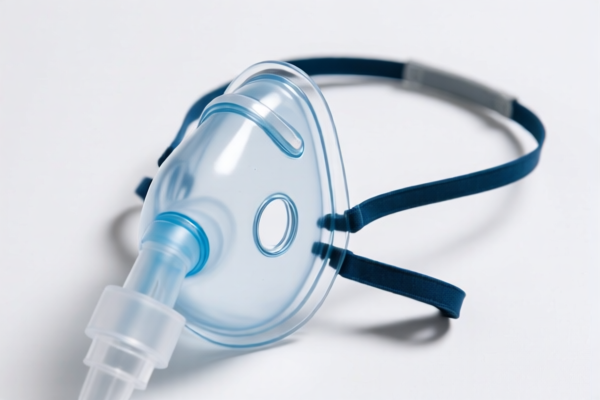
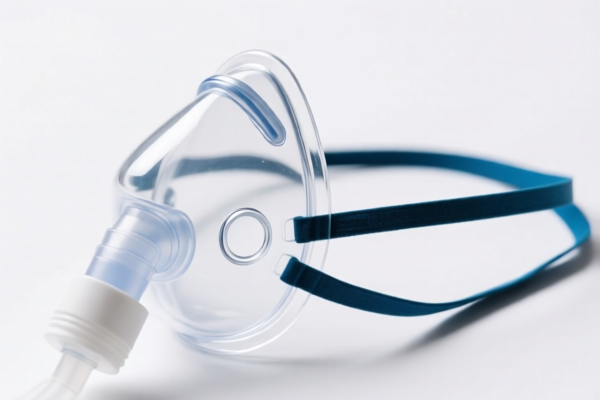
AI Analysis
🌬️ Nasal Congestion Reliever (Nasal Airway Relief Device)
🌐 HS Code Reference & Customs Clearance Guide | 2026 Updated Tariff Analysis | Professional Import Strategy
📌 One: Product Definition & Classification – What Exactly Is a Nasal Congestion Reliever?
A Nasal Congestion Reliever is a medical or therapeutic device designed to alleviate nasal blockage, improve airflow, and support breathing—commonly used for conditions like allergies, colds, sinusitis, or sleep apnea. These devices are typically categorized under respiratory therapy or auxiliary breathing aids.
⚠️ Key Classification Clue:
- If the device is used to deliver air, humidified air, or assist nasal breathing → it falls under medical respiratory therapy equipment.
- It is not a cosmetic or general wellness item; its primary purpose is therapeutic.
📦 Two: HS Code Classification Details (2026 Updated Tariff Authority)
| HS Code | Product Description | Use Case | Material Assumption |
|---|---|---|---|
9019.20.00.00 |
Devices for inhalation therapy, artificial respiration, or other therapeutic respiratory treatment | Nasal dilators, nasal airway splints, nasal stents, non-invasive airway support devices | Plastic, silicone, or medical-grade polymers |
9019.10.20.50 |
Massage or mechanical therapy devices for medical/rehabilitation use | Devices used for physical therapy, including nasal massage or sinus stimulation | Typically plastic or silicone |
9018.19.95.50 |
Electrical diagnostic or physiological monitoring instruments for medical use | Devices measuring breathing patterns, airflow, or nasal resistance | Electronic components + plastic housing |
9018.90.75.60 |
Other instruments and apparatus for medical, surgical, dental, or veterinary use | General-purpose therapeutic devices with medical function | Plastic or medical-grade silicone |
3926.90.99.89 |
Other plastic articles not specified elsewhere | Non-medical plastic nasal inserts, non-therapeutic nasal dilators | Plastic or similar materials |
🔍 Critical Distinction:
- Therapeutic devices → must be classified under 9019 or 9018, not general plastic goods.
- Non-therapeutic or cosmetic nasal inserts → may fall under3926.90.99.89, but must prove no medical purpose.
💰 Three: 2026 Updated Tariff Breakdown (Including附加 Taxes & Legal Basis)
✅ Target Country: United States (US)
✅ Origin: China (CN)
✅ Effective Date: November 10, 2025 (and onward)
🎯 1. 9019.20.00.00 — Therapeutic Respiratory Devices (e.g., Nasal Airway Relief Devices)
| Item | Details |
|---|---|
| Base Duty | 0.0% (ad valorem) |
| Section 301 Tariff (USITC) | 0.0% |
| Section 122 Tariff (IEEPA) | 10.0% |
| Total Effective Rate | 10.0% |
| Tax Calculation | CIF Value × 10.0% |
| De Minimis Threshold | ✅ Eligible (if value < $800) |
| Legal Basis Path | IEEPA:9903.01.25 → 9019.20.00.00 → FOOTNOTE:9903.88.01 |
📌 Explanation:
- This code applies to devices used for respiratory therapy, including nasal stents, dilators, or airway splints that assist breathing.
- No Section 301 (USITC) tariff applies, but 10% IEEPA tariff is mandatory for Chinese-origin goods.
- Highly favorable compared to other medical devices.
🎯 2. 9019.10.20.50 — Massage & Mechanical Therapy Devices (Medical/Rehab Use)
| Item | Details |
|---|---|
| Base Duty | 0.0% |
| Section 301 Tariff (USITC) | 0.0% |
| Section 122 Tariff (IEEPA) | 10.0% |
| Total Effective Rate | 10.0% |
| Tax Calculation | CIF × 10.0% |
| De Minimis Threshold | ✅ Eligible |
| Legal Basis Path | IEEPA:9903.01.25 → 9019.10.20.50 → FOOTNOTE:9903.88.01 |
📌 Note:
- Applies if the device uses mechanical vibration, pressure, or massage to relieve nasal congestion.
- Not for air delivery, but for physical stimulation of nasal tissues.
- Still subject to 10% IEEPA tariff due to Chinese origin.
🎯 3. 9018.19.95.50 — Electrical Diagnostic/Physiological Monitoring Instruments (Medical Use)
| Item | Details |
|---|---|
| Base Duty | 0.0% |
| Section 301 Tariff (USITC) | 25.0% |
| Section 122 Tariff (IEEPA) | 10.0% |
| Total Effective Rate | 35.0% |
| Tax Calculation | CIF × 35.0% |
| De Minimis Threshold | ❌ Not eligible |
| Legal Basis Path | IEEPA:9903.01.25 → USITC:9018.19.95.50 → FOOTNOTE:9903.88.01 |
📌 Warning:
- Applies only if the device has electronic sensors, data logging, or real-time monitoring (e.g., airflow sensors, nasal resistance meters).
- Extremely high cost due to 25% USITC + 10% IEEPA.
- Not applicable for simple mechanical or non-electronic nasal dilators.
🎯 4. 9018.90.75.60 — Other Medical Instruments (Therapeutic Use)
| Item | Details |
|---|---|
| Base Duty | 0.0% |
| Section 301 Tariff (USITC) | 0.0% |
| Section 122 Tariff (IEEPA) | 10.0% |
| Total Effective Rate | 10.0% |
| Tax Calculation | CIF × 10.0% |
| De Minimis Threshold | ✅ Eligible |
| Legal Basis Path | IEEPA:9903.01.25 → 9018.90.75.60 → FOOTNOTE:9903.88.01 |
📌 Use Case:
- Applies to general-purpose therapeutic devices that are not covered elsewhere.
- Plastic or silicone-based nasal relief tools with no electronic components.
- Still subject to 10% IEEPA due to origin.
🎯 5. 3926.90.99.89 — Other Plastic Articles (Not Elsewhere Specified)
| Item | Details |
|---|---|
| Base Duty | 5.3% |
| Section 301 Tariff (USITC) | 7.5% |
| Section 122 Tariff (IEEPA) | 10.0% |
| Total Effective Rate | 22.8% |
| Tax Calculation | CIF × 22.8% |
| De Minimis Threshold | ❌ Not eligible |
| Legal Basis Path | IEEPA:9903.01.25 → USITC:3926.90.99.89 → FOOTNOTE:9903.88.01 |
📌 Red Flag Alert:
- Only valid if the device has NO medical purpose.
- If marketed or used for therapy, this classification is high-risk and likely to be challenged.
- Highest total tariff among all options due to 3-tiered tax structure.
🛠️ Four: Customs Clearance Best Practices (Real-World Pro Tips)
✅ 1. Required Documentation (Must-Have)
| Document | Required? | Why It Matters |
|---|---|---|
| ✅ Product Specification Sheet | ✔️ | Must state intended use, materials, and non-medical vs. medical claim |
| ✅ Marketing Materials / Labeling | ✔️ | Proves intended purpose (e.g., "For nasal congestion relief" vs. "For cosmetic use") |
| ✅ Medical Device Certification (if applicable) | ✔️ | FDA 510(k), CE, or ISO 13485 helps prove medical classification |
| ✅ Third-Party Test Report | ✔️ | Biocompatibility, material safety (e.g., ISO 10993) |
| ✅ Commercial Invoice | ✔️ | Must include HS Code, description, CIF value, origin |
| ✅ Certificate of Origin (CO) | ✔️ | Critical for tariff eligibility |
| ✅ Product Photos (with packaging) | ✔️ | Show design, interface, and materials |
✅ 2.申报技巧(Key Tips)
🔥 “Purpose over Form: If it treats, it’s medical. If it’s plastic, it’s not.”
| Scenario | Correct HS Code | Wrong Approach |
|---|---|---|
| Nasal stent with airflow support | 9019.20.00.00 |
3926.90.99.89 → Higher tax, risk of rejection |
| Mechanical nasal dilator with no electronics | 9019.10.20.50 or 9018.90.75.60 |
3926.90.99.89 → Misclassification risk |
| Electronic nasal resistance monitor | 9018.19.95.50 |
9019.20.00.00 → Under-taxed, later audit risk |
| Cosmetic nasal insert (no therapy claim) | 3926.90.99.89 |
9019.20.00.00 → Over-taxed, refund denied |
✅ 3. Special Handling Cases
| Situation | Recommended Action |
|---|---|
| Device claims medical benefit but lacks certification | Apply for FDA 510(k) premarket submission or FDA De Novo classification |
| Intended for sleep apnea or CPAP adjunct | Must be classified under 9019.20.00.00 – avoid 3926 |
| Sold as wellness product (no medical claims) | Can use 3926.90.99.89, but avoid therapeutic language |
| Selling in EU or UK | Use CE Marking and UKCA – no IEEPA/USITC tariffs |
| Selling in Canada | Use HS Code 9019.20.00.00 – 0% tariff, no IEEPA |
🌍 Five: Global Market Comparison (2026)
| Country | Recommended HS Code | Tariff | Certification Required | Notes |
|---|---|---|---|---|
| 🇺🇸 USA | 9019.20.00.00 |
10.0% (IEEPA only) | FDA, CE, ISO 13485 | High risk if misclassified |
| 🇨🇳 China | 9019.20.00.00 |
5% | CFDA (NMPA) | No additional tariffs |
| 🇪🇺 EU | 9019.20.00.00 |
0% | CE Marking | No IEEPA/USITC |
| 🇨🇦 Canada | 9019.20.00.00 |
0% | Health Canada | No附加税 |
| 🇯🇵 Japan | 9019.20.00.00 |
0% | PSE, MHLW | No附加税 |
| 🇦🇺 Australia | 9019.20.00.00 |
5% | TGA | No IEEPA |
📌 Takeaway:
- The U.S. is the only market with IEEPA 10% tariff on Chinese-origin medical devices.
- All other major markets have 0% or low tariffs — consider shifting distribution.
📌 Six: Common Mistakes & How to Avoid Them (Pro Tips)
❌ Mistake 1: Labeling a medical device as "cosmetic" to avoid medical classification
👉 Risk: Customs may reclassify, seize goods, or impose penalties.
❌ Mistake 2: Using 3926.90.99.89 for a device with therapeutic claims
👉 Result: 22.8% tax instead of 10%, and audit risk.
❌ Mistake 3: Not providing proof of non-medical intent for non-therapeutic devices
👉 Result: Customs may assume medical use → apply 10% IEEPA.
❌ Mistake 4: Failing to declare electronic components in a nasal device
👉 Result: If it has sensors → must be 9018.19.95.50 → 35% tax!
✅ Correct Declaration Example:
"Nasal Congestion Reliever – Non-electronic, mechanical nasal dilator, made of medical-grade silicone, intended for temporary relief of nasal blockage, not for diagnosis or treatment."
🎯 Seven: Final Verdict – Smart Classification Saves Thousands!
🎯 Remember the Golden Rule:
🔹 “If it treats, it’s medical. If it’s plastic, it’s not.”
🔹 “Medical devices in the U.S. pay 10% IEEPA, not 22.8%.”
🔹 “Electronics = 35% tax. No electronics = 10%.”
📌 Pro Tip:
✅ Apply for an Advance Ruling (Pre-Approval) from U.S. Customs before shipping.
✅ Use a licensed customs broker with medical device experience.
✅ Reclassify if needed: A device originally declared as3926can be reclassified to9019.20.00.00if evidence of medical use is provided.
📣 Act Now!
📞 Contact a specialized customs broker + submit product specs + request HS Code pre-ruling
🚀 Avoid delays, penalties, and massive overpayment on your nasal relief devices!
✨ Smart Classification = Smooth Clearance = Profit Protection!
💼 Your product’s fate is in the HS Code. Get it right the first time!
Customer Reviews
About HS Code Classification
The Harmonized System (HS) is an internationally standardized nomenclature developed by the World Customs Organization (WCO) to classify traded products. Over 200 countries use the HS system as the basis for customs tariffs, trade statistics, and import/export regulations.
Each HS code follows a hierarchical structure:
- Chapter (2 digits) — Broad category of goods (e.g., Chapter 84: Machinery and Mechanical Appliances)
- Heading (4 digits) — More specific grouping within the chapter
- Subheading (6 digits) — Internationally standardized breakdown, used by all WCO member countries
- National subdivisions (8-10 digits) — Country-specific extensions for further classification, such as US HTSUS 10-digit codes
Correct HS code classification is essential for smooth customs clearance, accurate duty payment, and compliance with trade regulations. Misclassification can lead to customs delays, overpayment of duties, or penalties.
When importing from CN to US, the applicable tariff rates may include:
- Most-Favored-Nation (MFN) rate — The standard duty rate applied to WTO members
- General rate — Applied to countries without trade agreements
- Trade remedy duties — Additional tariffs such as Section 301 (anti-dumping), Section 232 (national security), or countervailing duties
The information provided on this page is for reference purposes only. For official classification, please consult with your local customs authority or a licensed customs broker.