Nasal Irrigation Pot
CN → US| HS Code | Tariff Rate | Origin | Destination | Doc |
|---|---|---|---|---|
| 3926902100 | 21.7% | CN | US | Official Doc |
| 3926909950 | 22.8% | CN | US | Official Doc |
| 9018390020 | 10.0% | CN | US | Official Doc |
| 3924905650 | 20.9% | CN | US | Official Doc |
| 9018902000 | 35.0% | CN | US | Official Doc |
Product Images
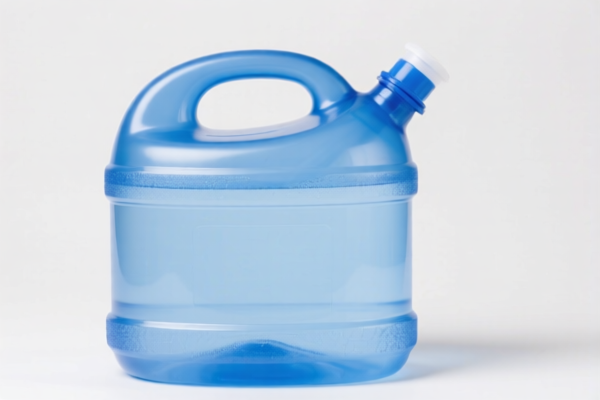
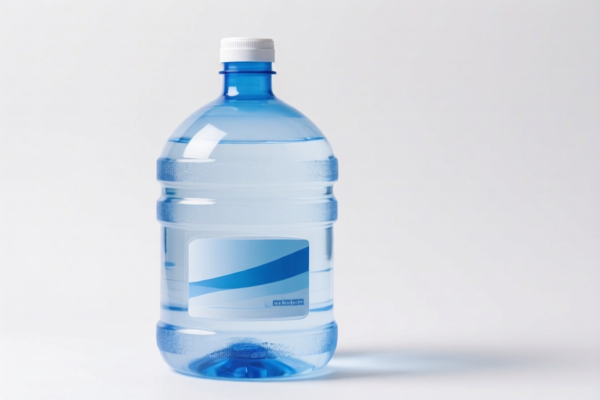
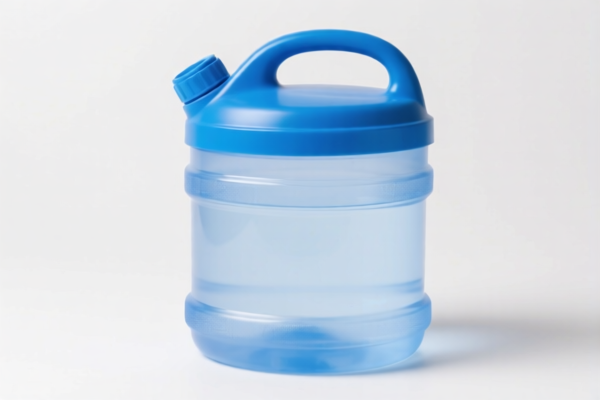
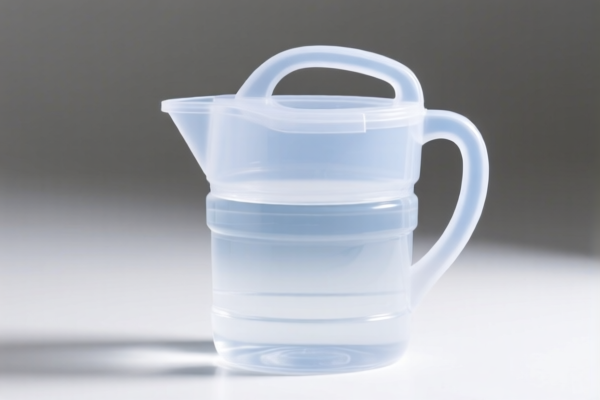
AI Analysis
🌿 Nasal Irrigation Pot (Neti Pot)
🌐 HS Code Reference & Customs Clearance Guide | 2026 Latest Tariff Analysis | Professional Compliance Strategy
📌 I. Product Definition & Classification: Do You Really Understand "Nasal Irrigation Pots"?
A Nasal Irrigation Pot (commonly known as a Neti Pot) is a medical or hygiene device used to flush out sinus cavities. In international trade, it is classified differently depending on its primary purpose (medical vs. hygiene) and material.
Two Main Categories: 1. Medical Device: Used for therapeutic purposes (sinusitis treatment, post-surgery care). Typically made of medical-grade plastic, rubber, or silicone. 2. Hygiene/Grooming Article: Used for daily nasal cleansing or cosmetic hygiene. Made of standard plastic.
⚠️ Key Distinction:
- If designed for medical treatment (e.g., specific catheter shape, sterilizable, explicit medical labeling) → Likely HS 9018 (Medical Instruments).
- If designed for general hygiene (e.g., plastic pitcher shape for daily use) → Likely HS 3924 or 3926 (Plastic Household/Other Articles).
📦 II. HS Code Classification Matrix (2026 Latest Tariff Authority Mapping)
Based on the provided data, here are the four possible HS Codes for Nasal Irrigation Pots, depending on specific product attributes:
| HS Code | Product Description | Application Scenario | Material/Type |
|---|---|---|---|
9018.39.00.20 |
Catheters, Cannulae, Similar Articles | Medical Use: Tube-like shape, connected to irrigation systems, used in clinical settings. | Plastic/Rubber (Medical Grade) |
3926.90.21.00 |
Squeeze Bottles / Irrigation Bags (Medical) | Medical Use: Bag-type or squeeze-bottle for nasal/sin rinsing. Classified under medical plastic supplies. | Plastic (Medical) |
3924.90.56.50 |
Plastic Household/Hygiene Articles | Hygiene Use: Standard "Neti Pot" pitcher shape for daily personal care at home. | Plastic (Non-Medical) |
9018.90.20.00 |
Other Medical/Optical Instruments | General Medical: Considered a "medical apparatus" if it doesn't fit the catheter/bag categories but is clearly for health purposes. | Plastic (Medical) |
🔍 Critical Reminder:
- HS 9018 codes generally have lower or zero base tariffs but require strict proof of medical utility.
- HS 3924/3926 codes are treated as general plastic goods, attracting higher base tariffs.
- Misclassification from "Hygiene" (3924) to "Medical" (9018) can lead to underpayment penalties, and vice versa.
💰 III. 2026 Latest Tariff Rate Breakdown (Including Additional Taxes & Policy Surcharges)
✅ Applicable Country: USA (US)
✅ Origin: China (CN)
✅ Effective Date: From Nov 10, 2025 (and subsequent imports)
🎯 1. 9018.39.00.20 – Catheters & Similar Medical Articles
| Item | Content |
|---|---|
| Base Tariff | 0.0% (ad valorem) |
| Section 301 Add-on (USITC) | 0.0% |
| IEEPA Surcharge (122 Clause) | +10.0% |
| Total Rate | 10.0% |
| Tax Calculation | CIF Value × 10% |
| De Minimis Exemption? | ❌ No (High-value medical goods usually excluded or scrutinized) |
| Legal Basis Path | IEEPA:9903.01.25 → USITC:9018.39.00.20 → FOOTNOTE:122 Clause |
📌 Explanation:
- This is the most favorable rate among the options.
- It assumes the product is strictly a "catheter/cannula" type used for medical irrigation.
- No Section 301 tariffs, only the 10% IEEPA surcharge.
🎯 2. 3926.90.21.00 – Plastic Medical Irrigation Bags/Squeezes
| Item | Content |
|---|---|
| Base Tariff | 4.2% |
| Section 301 Add-on (USITC) | +7.5% |
| IEEPA Surcharge (122 Clause) | +10.0% |
| Total Rate | 21.7% |
| Tax Calculation | CIF Value × 21.7% |
| De Minimis Exemption? | ❌ No |
| Legal Basis Path | IEEPA:9903.01.25 → USITC:3926.90.21.00 → FOOTNOTE:122 Clause |
📌 Explanation:
- Applies if the pot is classified as a "medical plastic article" (like a bag or squeeze bottle) but not a catheter.
- Higher cost than9018.39.00.20due to base tariff and Section 301.
🎯 3. 3924.90.56.50 – Plastic Hygiene/Household Articles
| Item | Content |
|---|---|
| Base Tariff | 3.4% |
| Section 301 Add-on (USITC) | +7.5% |
| IEEPA Surcharge (122 Clause) | +10.0% |
| Total Rate | 20.9% |
| Tax Calculation | CIF Value × 20.9% |
| De Minimis Exemption? | ❌ No |
| Legal Basis Path | IEEPA:9903.01.25 → USITC:3924.90.56.50 → FOOTNOTE:122 Clause |
📌 Explanation:
- Applies to standard plastic "Neti Pots" for home hygiene use.
- Slightly cheaper than3926.90.21.00due to a lower base tariff (3.4% vs 4.2%).
- Must not be marketed or labeled as a "Medical Device" to avoid misclassification audits.
🎯 4. 9018.90.20.00 – Other Medical Instruments/Accessories
| Item | Content |
|---|---|
| Base Tariff | 0.0% |
| Section 301 Add-on (USITC) | +25.0% |
| IEEPA Surcharge (122 Clause) | +10.0% |
| Total Rate | 35.0% |
| Tax Calculation | CIF Value × 35.0% |
| De Minimis Exemption? | ❌ No |
| Legal Basis Path | IEEPA:9903.01.25 → USITC:9018.90.20.00 → FOOTNOTE:122 Clause |
📌 Explanation:
- This is the most expensive option.
- Applies if the product is considered a "medical instrument" but doesn't fit the specific catheter/bag categories.
- High Section 301 rate (25%) makes this uncompetitive unless no other medical classification fits.
🛠️ IV. Customs Clearance Practical Advice (Pitfall Avoidance Guide)
✅ 1. Documentation Checklist (Non-Negotiable)
| Document | Required | Explanation |
|---|---|---|
| ✅ Product Specs | ✔️ | Describe material (e.g., Medical Grade Silicone, PP Plastic). |
| ✅ Intended Use Statement | ✔️ | "For Personal Hygiene" vs. "For Medical Sinus Irrigation". This is the #1 factor for HS Code selection. |
| ✅ Product Photos | ✔️ | Clear images of the pot, nozzle, and any packaging labeling. |
| ✅ CE/FDA Certification | ✔️ | If claiming 9018 (Medical), FDA clearance or CE marking is critical evidence. |
| ✅ Commercial Invoice | ✔️ | Must match the HS Code description exactly. |
| ✅ Packing List | ✔️ | Detail contents (e.g., "1x Nasal Pot, 1x Saline Packet"). |
✅ 2. Classification Strategy & Tips
🔥 "Hygiene = Plastic (3924), Medical = Instrument (9018), Bag = Medical (3926)"
| Scenario | Recommended HS Code | Reasoning |
|---|---|---|
| Standard Plastic Pot for Home Use | 3924.90.56.50 |
Lowest total tax among non-catheter options (20.9%). No medical claims on packaging. |
| Medical-Grade Squeeze Bag/Pot | 3926.90.21.00 |
Specifically covers "medical irrigation bags/squeezes." Higher base tax but clearly medical. |
| Tube/Catheter-Type Irrigator | 9018.39.00.20 |
Lowest total tax (10.0%). Only if the product is shaped like a catheter or tube used for clinical irrigation. |
| Complex Electronic Irrigator | 9018.90.20.00 |
If it has electronic controls/pumps, it may fall here, but avoid due to 35% tax. |
⚠️ Critical Warning:
- Do not label a3924product as "Medical" on the box. If it is, customs may force3926or9018, leading to back taxes.
- If you use9018.39.00.20, ensure the product is functionally a catheter/cannula. A simple pitcher-shaped pot may be rejected for this code.
✅ 3. Special Scenarios
| Situation | Handling Advice |
|---|---|
| OEM Custom Colors/Logos | Provide OEM agreement. Does not change HS code, but helps prove commercial nature. |
| Sold with Saline Solution | Declare separately. Saline might be classified differently (e.g., 3004/3006). Keep HS codes distinct. |
| Electronic Irrigator (Pump) | High risk of 9018.90.20.00 (35% tax). Consider if it can be classified as 9018.39.00.20 if the pump is part of a catheter system. |
| Gift Sets (Pot + Bag) | Declare as one unit. Use the HS code of the primary function (irrigation). |
🌍 V. Global Market Comparison (2026 Latest)
| Country/Region | Recommended HS Code | Approx. Tariff (China Origin) | Key Certifications | Notes |
|---|---|---|---|---|
| 🇺🇸 USA | 9018.39.00.20 |
10.0% | FDA (if medical) | Lowest rate if catheter-type. 3924 is 20.9%. |
| 🇨🇳 China | 3924.90.56.50 |
5.0% | N/A | No additional surcharges. |
| 🇪🇺 EU | 3924.90.56.50 |
0%–4.2% | CE (if medical) | No IEEPA surcharge. Medical devices need CE MDR. |
| 🇬🇧 UK | 3924.90.56.50 |
0%–4.2% | UKCA | Post-Brexit rules apply. |
| 🇦🇺 Australia | 3924.90.56.50 |
5.0% | TGA (if medical) | No Section 301. |
📌 Conclusion:
- USA is the most complex market due to IEEPA and Section 301 tariffs.
- HS 9018.39.00.20 is the "Golden Ticket" for Nasal Irrigation Pots in the US, offering only 10% total tax.
- HS 3924.90.56.50 is the "Safe Standard" for general hygiene pots at 20.9%.
📌 VI. Common Errors & Pitfalls (Lessons Learned)
❌ Error 1: Classifying a simple plastic pitcher as 9018.39.00.20 (Catheter)
👉 Consequence: Customs rejection. A "pot" is not a "catheter." Penalty + Return.
❌ Error 2: Claiming "Medical" status for a 3924 product to avoid Section 301
👉 Consequence: Audit. If you don’t have FDA approval or medical labeling, you’ll pay back taxes + fines.
❌ Error 3: Ignoring the 10% IEEPA Surcharge
👉 Consequence: Underpayment. All China-origin goods in these HS codes face this 10% surcharge.
❌ Error 4: Misclassifying Electronic Irrigators as 3924
👉 Consequence: High tariffs. Electronic medical devices often fall under 9018 with higher duties.
✅ Correct Approach:
"Plastic Nasal Irrigation Pot, Model XYZ, For Personal Hygiene, No Electronic Components, Material: Polypropylene"
→ Use3924.90.56.50→ Total Tax: 20.9%OR
"Medical Nasal Irrigation Kit, Includes Catheter Tube & Bulb Syringe, For Sinus Therapy, FDA Cleared"
→ Use9018.39.00.20→ Total Tax: 10.0%
🎯 VII. Conclusion: Precision Classification Saves Money!
🎯 Remember the Mantra:
🔹 "Pot = 3924 (20.9%), Catheter = 9018.39 (10%), Bag = 3926 (21.7%). Avoid 9018.90 (35%)!"
🔹 "Medical Label = Medical Code. Hygiene Label = Hygiene Code. Never Mix!"
📌 Pro Tip:
If your product is originating from Vietnam, Mexico, or Malaysia, you may avoid IEEPA/Section 301 tariffs entirely, reducing costs significantly regardless of HS Code.
✅ Action Item:
📞 Consult a Customs Broker for an Advance Ruling before shipping.
🚀 Ensure Packaging Language Matches Classification to prevent audits.
✨ Professional Clearance Starts with Precise Classification!
💼 Every percentage point matters. Protect your margin!
Customer Reviews
About HS Code Classification
The Harmonized System (HS) is an internationally standardized nomenclature developed by the World Customs Organization (WCO) to classify traded products. Over 200 countries use the HS system as the basis for customs tariffs, trade statistics, and import/export regulations.
Each HS code follows a hierarchical structure:
- Chapter (2 digits) — Broad category of goods (e.g., Chapter 84: Machinery and Mechanical Appliances)
- Heading (4 digits) — More specific grouping within the chapter
- Subheading (6 digits) — Internationally standardized breakdown, used by all WCO member countries
- National subdivisions (8-10 digits) — Country-specific extensions for further classification, such as US HTSUS 10-digit codes
Correct HS code classification is essential for smooth customs clearance, accurate duty payment, and compliance with trade regulations. Misclassification can lead to customs delays, overpayment of duties, or penalties.
When importing from CN to US, the applicable tariff rates may include:
- Most-Favored-Nation (MFN) rate — The standard duty rate applied to WTO members
- General rate — Applied to countries without trade agreements
- Trade remedy duties — Additional tariffs such as Section 301 (anti-dumping), Section 232 (national security), or countervailing duties
The information provided on this page is for reference purposes only. For official classification, please consult with your local customs authority or a licensed customs broker.