Natural Buffalo Leather Shoe Sole
CN → US| HS Code | Tariff Rate | Origin | Destination | Doc |
|---|---|---|---|---|
| 4104114060 | 15.0% | CN | US | Official Doc |
| 4107994000 | 12.5% | CN | US | Official Doc |
| 4101903500 | 19.9% | CN | US | Official Doc |
| 4104493060 | 12.4% | CN | US | Official Doc |
| 4107196050 | 15.0% | CN | US | Official Doc |
Product Images
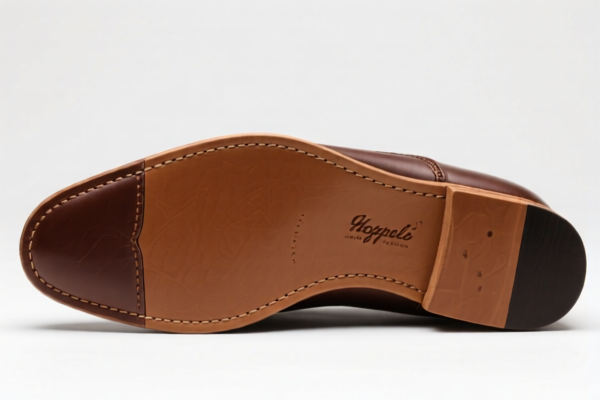
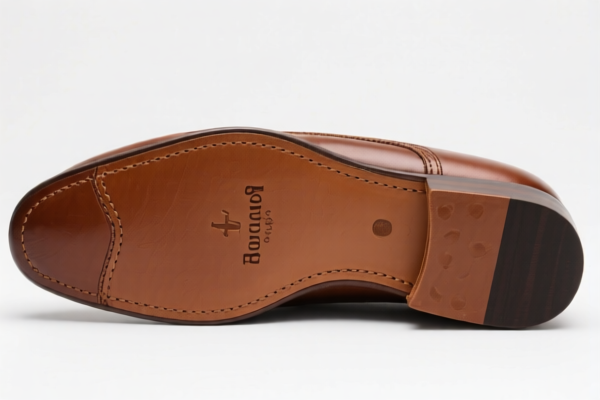
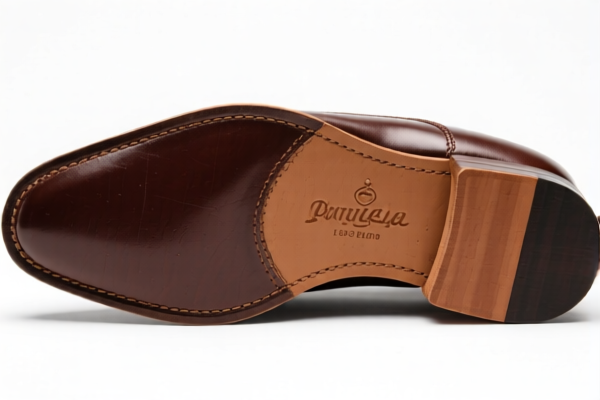
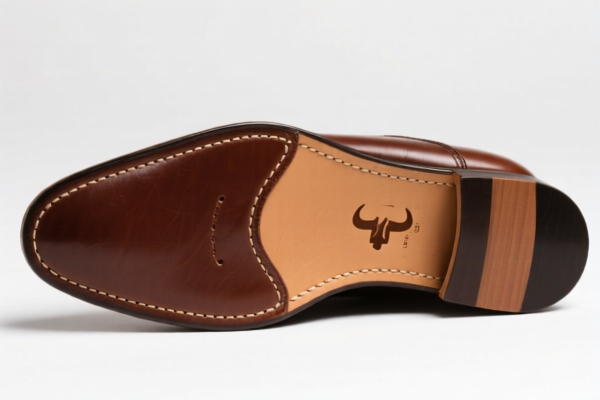
AI Analysis
🐃 Natural Buffalo Leather Shoe Sole: HS Code & Customs Clearance Guide
🌐 HS Code Reference & Customs Strategy | 2026 Latest Tariff Analysis | Professional Clearance Strategy
📌 I. Product Definition: What is a "Natural Buffalo Leather Shoe Sole"?
A Natural Buffalo Leather Shoe Sole is a footwear component made from tanned buffalo hide, specifically processed for use as the bottom layer of a shoe. In international trade, the classification depends heavily on the degree of processing and the specific HS chapter definitions for footwear components vs. raw leather.
⚠️ Key Classification Distinction:
- Chapter 41 (Leather): If classified as "leather goods" or "parts of leather articles," it falls under specific subheadings depending on the tanning process (vegetable vs. chrome) and whether it is prepared specifically for footwear soles.
- Chapter 64 (Footwear): Generally, finished shoes go here, but soles made of leather are often still classified under Chapter 41 if they are considered "parts of leather articles" or specific leather goods, unless national interpretations strictly segregate them. Note: The provided DATA focuses on Chapter 41 classifications.
📦 II. HS Code Classification Details (Based on Provided DATA)
The following table maps the product to the specific HS Codes provided in your data, explaining the rationale for each.
| HS Code | Product Summary & Rationale | Total Tax Rate | Tax Breakdown |
|---|---|---|---|
| 4104.11.40.60 | Natural Buffalo Leather Sole. Rationale: Classified as "Vegetable Tanned Leather," specifically in the "soles" format. Matches the definition of animal-tanned leather specifically prepared for soles. |
15.0% | Base: 5.0% Additional: 0.0% Section 122: 10% |
| 4107.99.40.00 | Natural Buffalo Leather Sole. Rationale: Classified as "Prepared Leather" (Chrome Tanned implied by chapter 4107). No material conflict; falls under "Other" prepared leather. |
12.5% | Base: 2.5% Additional: 0.0% Section 122: 10% |
| 4101.90.35.00 | Natural Buffalo Leather Sole. Rationale: Classified as "Raw/Hide" (Chapter 4101). Although processed into a semi-finished sole part, it is categorized broadly under buffalo hide范畴 (category). Higher risk classification. |
19.9% | Base: 2.4% Additional: 7.5% Section 122: 10% |
| 4104.49.30.60 | Natural Buffalo Leather Sole. Rationale: "Other" category under Vegetable Tanned Leather. Used as a fallback if the sole does not meet specific "sole" definitions in narrower headings. Non-specific upper leather. |
12.4% | Base: 2.4% Additional: 0.0% Section 122: 10% |
| 4107.19.60.50 | Natural Buffalo Leather Sole. Rationale: Specifically defined as "Sole Leather" under Prepared Leather (Chapter 4107). This is often the most precise fit if the leather is explicitly treated for soles. |
15.0% | Base: 5.0% Additional: 0.0% Section 122: 10% |
🔍 Analysis of Tax Differences: - The lowest total tax is 12.4% (HS Code 4104.49.30.60) and 12.5% (HS Code 4107.99.40.00). - The highest total tax is 19.9% (HS Code 4101.90.35.00) due to the 7.5% Additional Tax (likely Section 301 or similar trade remedy tariffs on Chinese goods). - Section 122 Tax (10%) applies to ALL listed HS codes. This is a crucial fixed cost component.
💰 III. Detailed Tariff Rate Explanation (2026 Context)
✅ Applicable Country: USA (US)
✅ Origin: China (CN) (Inferred from "Section 122" and high additional tariffs typical of China-US trade)
✅ Effective Date: Post-2025 adjustments
🎯 1. The "Section 122" Tax (10%)
This is a specific surcharge applied to the listed HS codes. - Reason: Likely related to recent trade policy updates (e.g., UFLPA enforcement, specific textile/leather restrictions, or a new Section 122 investigation result). - Impact: Adds 10% to every scenario. It cannot be avoided if the product falls under these codes.
🎯 2. Base Tariff (2.4% - 5.0%)
- 4104.11 (Vegetable Tanned): Base is 5.0%.
- 4107 (Chrome Tanned/Prepared): Base is 5.0% for specific sole leather (4107.19) but 2.5% for other prepared leather (4107.99).
- 4101 (Raw Hides): Base is 2.4%, but heavily penalized by additional taxes.
🎯 3. Additional Tax (0.0% - 7.5%)
- 0.0%: Applies to HS Codes 4104.11, 4107.99, and 4104.49. These are likely exempt from specific "Section 301" punitive tariffs or have been removed from the list for certain subcategories.
- 7.5%: Applies to HS Code 4101.90.35.00. This suggests that classifying buffalo leather soles as "Raw Hides" (even if semi-finished) triggers a higher punitive tariff bracket.
🛠️ IV. Customs Clearance Practical Advice
✅ 1. Preparation Checklist (Must-Have Documents)
| Document | Required? | Purpose |
|---|---|---|
| Product Specification Sheet | ✅ | Must clearly state: "Natural Buffalo Leather," "Vegetable/Chrome Tanned," "Shoe Sole Component." |
| Technical Data Sheet (TDS) | ✅ | Prove the tanning method (Vegetable vs. Chrome) to justify 4104 vs. 4107. |
| Commercial Invoice | ✅ | Must match the HS Code chosen. Description must be precise. |
| Packing List | ✅ | Weight and dimensions are critical for Section 122 valuation. |
| Certificate of Origin | ✅ | To prove origin (China) and ensure accurate Section 122 application. |
| Photos of Product | ✅ | Show texture, tannage, and shape to distinguish from "Upper Leather" or "Raw Hides." |
✅ 2. Declaration Strategy (Critical for Tax Optimization)
🔥 "Clarify Tannage & Function: Avoid 'Raw Hide' Trap!"
| Scenario | Recommended HS Code | Why? | Risk of Wrong Code |
|---|---|---|---|
| Chrome-Tanned, Prepared Sole | 4107.99.40.00 or 4107.19.60.50 |
Lower Base Tax (2.5%-5.0%). No Additional Tax. | If misclassified as Raw Hide (4101), you pay 7.5% extra. |
| Vegetable-Tanned Sole | 4104.11.40.60 |
Specific "Sole" classification. No Additional Tax. | If misclassified as "Other" (4104.49), minor difference, but specificity helps defense. |
| Unclear/General Leather | 4104.49.30.60 |
Fallback option. Lowest Total Tax (12.4%). | Risk of re-classification by Customs if "Sole" is explicitly documented. |
| Raw/Unprocessed Hides | 4101.90.35.00 |
AVOID unless truly unprocessed. | HIGHEST TAX (19.9%). Do not use for pre-cut soles. |
Strategic Tip:
If the leather is chrome-tanned and explicitly used for soles, consider 4107.19.60.50 (Sole Leather). Although the base tax is 5%, it is the most technically accurate if the product is defined as "Sole Leather." However, 4107.99.40.00 offers a lower total tax (12.5% vs 15.0%) if the 10% Section 122 is applied uniformly and the product doesn't strictly meet the narrow definition of "Sole Leather" in the eyes of the importer.
✅ 3. Special Situations
| Situation | Handling Advice |
|---|---|
| Mixed Shipment | Ensure invoices clearly separate "Upper Leather" from "Sole Leather" if both are present. |
| Sample vs. Commercial | Samples may still incur tax. Ensure "Value" declared is realistic to avoid anti-dumping scrutiny. |
| Origin Marking | Buffalo leather is often sourced globally. Ensure "Made in China" or "Tanned in China" is accurately reflected, as origin affects the Section 122 and Additional Tax application. |
🌍 V. Global Market Comparison (Estimates)
| Market | Likely HS Code | Est. Tariff | Notes |
|---|---|---|---|
| 🇺🇸 USA | 4107.99.40.00 or 4104.11.40.60 |
12.4% - 15.0% | Includes 10% Section 122. Watch for Section 301 on raw hides. |
| 🇨🇳 China | 4107.99.40.00 |
~5-10% | Varies by trade agreement. Generally lower than US import duties. |
| 🇪🇺 EU | 4107.99.40.00 |
0% - 5% | Often lower duties for prepared leather. No "Section 122" equivalent. |
| 🇬🇧 UK | 4107.99.40.00 |
0% - 5% | Post-Brexit, aligned closely with EU but with own rules. |
📌 Conclusion:
The US market is the most complex due to the Section 122 (10%) and potential Additional Taxes. The EU/UK are generally more favorable for prepared leather imports.
📌 VI. Common Mistakes & Pitfalls (Lessons Learned)
❌ Mistake 1: Declaring "Buffalo Leather" without specifying "Sole" or "Upper."
👉 Consequence: Customs may apply a general higher tariff or demand clarification, leading to delays.
👉 Fix: Use precise terms: "Buffalo Leather Shoe Sole, Chrome Tanned."
❌ Mistake 2: Misclassifying prepared soles as "Raw Hides" (4101).
👉 Consequence: Triggers 7.5% Additional Tax + potentially higher base rates. Total cost jumps to 19.9%.
👉 Fix: Provide TDS showing tanning process (Chrome/Vegetable) to justify Chapter 4104/4107.
❌ Mistake 3: Ignoring Section 122.
👉 Consequence: Under-declaring value by assuming lower taxes.
👉 Fix: Budget for the full 10% Section 122 in all cost calculations for these HS codes.
✅ Correct Practice:
"Natural Buffalo Leather, Chrome Tanned, Pre-Cut for Shoe Soles, HS 4107.99.40.00, Value: $X, Origin: China."
🎯 VII. Conclusion: Professional Clearance for Cost Efficiency
🎯 Key Takeaways:
🔹 Avoid
4101(Raw Hides) unless necessary. The 7.5% additional tax makes it expensive.
🔹 Prepared Leather (4104/4107) is cheaper in total tax (12.4%-15.0%).
🔹 Section 122 (10%) is unavoidable for these codes.
🔹 Documentation is Key: Proving "Tanned" status (Chrome/Vegetable) prevents misclassification.
📌 Pro Tip:
If your supplier can provide a Certificate of Tannage explicitly stating "Chrome Tanned" and "Suitable for Soles," use 4107.99.40.00 for the lowest total tax of 12.5%.
📣 Immediate Action:
📞 Verify Tanning Method with supplier.
📄 Prepare TDS & Invoice with precise HS Code4107.99.40.00or4104.11.40.60.
🚀 Clear Customs Smoothly, avoid the 19.9% pitfall!
✨ Precision in Classification Saves Money.
💼 Every percentage point counts in leather trade!
Customer Reviews
About HS Code Classification
The Harmonized System (HS) is an internationally standardized nomenclature developed by the World Customs Organization (WCO) to classify traded products. Over 200 countries use the HS system as the basis for customs tariffs, trade statistics, and import/export regulations.
Each HS code follows a hierarchical structure:
- Chapter (2 digits) — Broad category of goods (e.g., Chapter 84: Machinery and Mechanical Appliances)
- Heading (4 digits) — More specific grouping within the chapter
- Subheading (6 digits) — Internationally standardized breakdown, used by all WCO member countries
- National subdivisions (8-10 digits) — Country-specific extensions for further classification, such as US HTSUS 10-digit codes
Correct HS code classification is essential for smooth customs clearance, accurate duty payment, and compliance with trade regulations. Misclassification can lead to customs delays, overpayment of duties, or penalties.
When importing from CN to US, the applicable tariff rates may include:
- Most-Favored-Nation (MFN) rate — The standard duty rate applied to WTO members
- General rate — Applied to countries without trade agreements
- Trade remedy duties — Additional tariffs such as Section 301 (anti-dumping), Section 232 (national security), or countervailing duties
The information provided on this page is for reference purposes only. For official classification, please consult with your local customs authority or a licensed customs broker.