Natural Color Racoon Skins
CN → US| HS Code | Tariff Rate | Origin | Destination | Doc |
|---|---|---|---|---|
| 4303900000 | 35.0% | CN | US | Official Doc |
| 4301900000 | 10.0% | CN | US | Official Doc |
| 4302193040 | 36.5% | CN | US | Official Doc |
| 4302194540 | 37.2% | CN | US | Official Doc |
| 4303100060 | 39.0% | CN | US | Official Doc |
| 4301800275 | 17.5% | CN | US | Official Doc |
Product Images
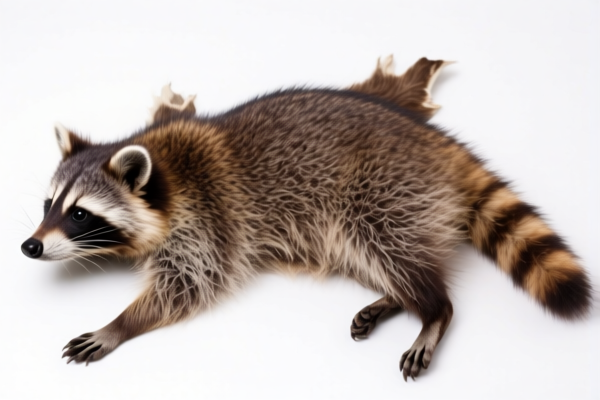
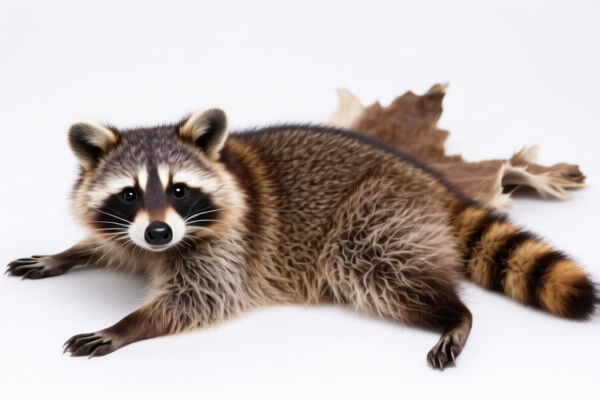
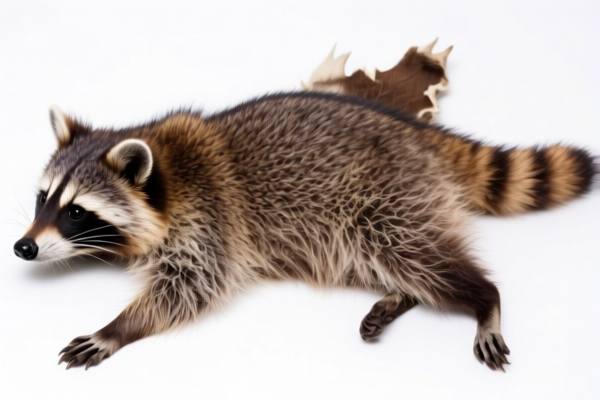
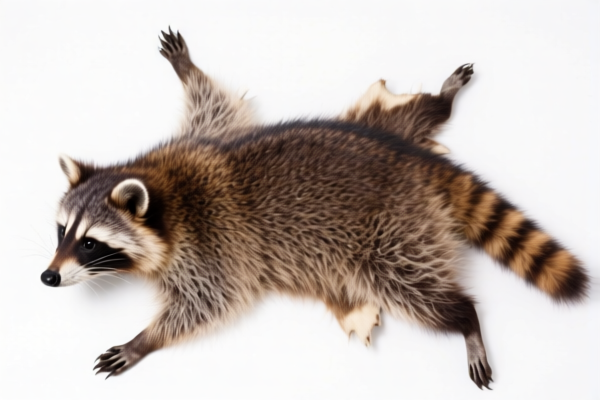
AI Analysis
🦝 Raccoon Skins: The Ultimate Guide to US Customs Classification & Tariff Optimization (2026 Edition)
🌐 HS Code Reference & Clearance Strategy | 2026 Updated Tax Rules | Professional Clearance Tactics
📌 I. Product Definition: What Exactly Are "Natural Color Raccoon Skins"?
Raccoon skins are a critical raw material in the fur and leather industry. In international trade, they are strictly divided based on their processing stage:
- Raw Hides (Raw Skins): Unprocessed, salted, or freshly tanned pelts ready for further processing by furriers.
- Dressed/Fur制品 (Dressed Skins): Cleaned, tanned, and dyed (or undyed/natural color) skins ready for manufacturing garments or accessories.
⚠ Key Distinction Point:
- If the skin is raw (unprocessed, often salted for preservation) → Classified under Chapter 43 (Furskins), specifically 4301.
- If the skin is dressed (tanned, cleaned, natural color, whole) → Classified under Chapter 43, specifically 4302 or 4303 depending on final form.
📦 II. Detailed HSC Code Classification (Based on Provided Data)
| HSC Code | Product Description | Scenario | Tax Detail Breakdown |
|---|---|---|---|
4301.90.00.00 |
Raw Raccoon Skins: Furskins (other than raw hides) of raccoon, unworked or simply processed | Raw, salted, or minimally processed skins for fur traders | Base: 0%, Add-on: 0%, Section 301 (122): 10% |
4301.80.02.75 |
Raw Raccoon Skins: Specifically categorized under raccoon furskins, unworked/processed | Raw raccoon pelts meeting specific raccoon criteria | Base: 0%, Add-on: 7.5%, Section 301 (122): 10% |
4303.90.00.00 |
Finished Fur Articles: Other furskins articles (includes dressed skins not made into garments) | Dressed, natural color skins, possibly cut or prepared for use | Base: 0%, Add-on: 25%, Section 301 (122): 10% |
4302.19.30.40 |
Dressed Raccoon Skins: Un-dyed, whole raccoon skins | Dressed, natural color, whole skins ready for garment making | Base: 1.5%, Add-on: 25%, Section 301 (122): 10% |
4302.19.45.40 |
Dressed Raccoon Skins: Specifically identified as raccoon material | Dressed skins explicitly matching raccoon material descriptors | Base: 2.2%, Add-on: 25%, Section 301 (122): 10% |
4303.10.00.60 |
Other Fur Articles: Furskins articles of other materials (non-mink) | Dressed skins classified as "other" fur articles | Base: 4.0%, Add-on: 25%, Section 301 (122): 10% |
🔍 Critical Note:
- Raw Skins (4301series): Lower base duty, but subject to specific "122 Clause" tariffs.
- Dressed Skins (4302series): Higher base duty due to processing value.
- Finished Articles (4303series): Highest total tax rate (35-39%) due to higher value-added classification.
💰 III. 2026 Latest Tariff Rate Analysis (Including Additional Duties)
✅ Applicable Country: United States (US)
✅ Origin: China (CN)
✅ Effective Date: As per current trade regulations (Section 301 & 122 Clause)
🎯 1. Lowest Cost Option: Raw Skins
HSC Code: 4301.90.00.00
| Item | Details |
|------|---------|
| Base Tariff | 0% |
| Section 301 Add-on | 0% |
| 122 Clause Tariff | 10% |
| Total Tariff | 10% |
| Calculation | CIF Value × 10% |
| Legal Basis | Standard raw fur classification |
📌 Explanation:
- This is the most cost-effective classification for raw, unworked raccoon skins.
- No Section 301 additional duty applies to raw hides in this specific subcategory.
- Only the 122 Clause tariff (10%) is applied.
🎯 2. Alternative Raw Skin Classification
HSC Code: 4301.80.02.75
| Item | Details |
|------|---------|
| Base Tariff | 0% |
| Section 301 Add-on | 7.5% |
| 122 Clause Tariff | 10% |
| Total Tariff | 17.5% |
| Calculation | CIF Value × 17.5% |
| Legal Basis | Specific raccoon furskin classification |
📌 Explanation:
- Slightly higher than4301.90.00.00due to a 7.5% additional duty.
- Use this if customs authorities require a more specific raccoon classification for raw skins.
🎯 3. Dressed Skins (Whole, Natural Color) – High Value
HSC Code: 4302.19.30.40
| Item | Details |
|------|---------|
| Base Tariff | 1.5% |
| Section 301 Add-on | 25% |
| 122 Clause Tariff | 10% |
| Total Tariff | 36.5% |
| Calculation | CIF Value × 36.5% |
| Legal Basis | Dressed raccoon skins, not dyed |
📌 Explanation:
- High tariff due to processing value (tanning/cleaning).
- Subject to maximum Section 301 duty (25%) + 122 Clause (10%) + Base (1.5%).
🎯 4. Dressed Skins (Explicitly Raccoon) – Highest Base
HSC Code: 4302.19.45.40
| Item | Details |
|------|---------|
| Base Tariff | 2.2% |
| Section 301 Add-on | 25% |
| 122 Clause Tariff | 10% |
| Total Tariff | 37.2% |
| Calculation | CIF Value × 37.2% |
| Legal Basis | Raccoon material explicitly identified |
📌 Explanation:
- Slightly higher base duty (2.2%) than4302.19.30.40.
- Total cost increases to 37.2%.
🎯 5. Finished Fur Articles (Non-Mink) – Highest Cost
HSC Code: 4303.90.00.00
| Item | Details |
|------|---------|
| Base Tariff | 0% |
| Section 301 Add-on | 25% |
| 122 Clause Tariff | 10% |
| Total Tariff | 35.0% |
| Calculation | CIF Value × 35.0% |
| Legal Basis | Other fur articles (not mink) |
📌 Explanation:
- Even with 0% base duty, the 25% + 10% additional duties push the total to 35%.
- Applicable if skins are cut into shapes or prepared for final manufacturing.
🎯 6. Other Fur Articles (Non-Mink) – Highest Base
HSC Code: 4303.10.00.60
| Item | Details |
|------|---------|
| Base Tariff | 4.0% |
| Section 301 Add-on | 25% |
| 122 Clause Tariff | 10% |
| Total Tariff | 39.0% |
| Calculation | CIF Value × 39.0% |
| Legal Basis | Other fur articles (non-mink, highest base) |
📌 Explanation:
- Highest total tariff at 39% due to the 4.0% base duty.
- Avoid this classification unless the product is clearly a finished article that doesn't fit other categories.
🛠 IV. Clearance Operational Advice (Practical Pitfall Avoidance)
✅ 1. Required Documentation Checklist
| Document | Mandatory | Notes |
|---|---|---|
| ✅ Product Specification Sheet | ✔ | Must specify: "Raw" or "Dressed", "Natural Color", "Whole" or "Cut" |
| ✅ Processing Description | ✔ | Detail tanning process (if dressed) or salting (if raw) |
| ✅ Commercial Invoice | ✔ | Clearly state "Raccoon Skins, Natural Color, [Raw/Dressed]" |
| ✅ Packing List | ✔ | Number of skins, total weight, dimensions |
| ✅ Phytosanitary/Sanitary Cert | ✔ | If applicable for raw hides |
| ✅ HS Code Pre-Ruling | ✔ | Highly recommended for raccoon skins due to multiple classifications |
✅ 2. Declaration Strategy (Key Tips)
🔥 "Raw vs. Dressed: The 20% Tariff Gap!"
| Scenario | Correct HSC Code | Mistake to Avoid |
|---|---|---|
| Raw, Salted Skins | 4301.90.00.00 (10%) |
Declare as "Dressed" → 35%+ |
| Dressed, Natural Color | 4302.19.30.40 (36.5%) |
Declare as "Raw" → Fraud risk, penalty |
| Finished Fur Garments | 4303.xxxx (35-39%) |
Declare as "Skins" → Wrong classification |
📌 Crucial Tip:
- If the skins are salted and unstretched, declare as Raw (4301).
- If the skins are tanned, cleaned, and natural color, declare as Dressed (4302).
- Never mix raw and dressed skins in one shipment without clear separation.
✅ 3. Special Handling
| Scenario | Advice |
|---|---|
| Natural Color | Must explicitly state "Natural Color" or "Undyed" to avoid dye-related classification issues |
| Whole Skins | Ensure "Whole" is stated; cut skins may fall under different subcategories |
| OEM Custom Skins | Provide customer specifications to justify classification |
| Bulk vs. Retail | Bulk shipments may face stricter inspection for raw hides |
🌍 V. Global Market Comparison (2026)
| Country | Recommended HSC | Tariff (China Origin) | Notes |
|---|---|---|---|
| 🇺🇸 USA | 4301.90.00.00 (Raw) |
10% | Lowest cost; avoid dressed unless necessary |
| 🇪🇺 EU | 4301.90.00.00 |
~3-5% | No Section 301; lower overall cost |
| 🇨🇳 China | 4301.90.00.00 |
~10-15% | Import duty + VAT; domestic processing common |
| 🇯🇵 Japan | 4301.90.00.00 |
~5-10% | Lower additional duties than US |
📌 Conclusion:
- USA has the highest complexity due to Section 301 and 122 Clause tariffs.
- Raw skins (4301series) are significantly cheaper than dressed skins (4302/4303).
- Always aim for raw classification if the product allows.
📌 VI. Common Errors & Pitfall Guide
❌ Error 1: Classifying Dressed Skins as Raw Skins to save tax
👉 Consequence: Customs inspection reveals tanning marks → Penalty, retroactive tax, and potential fraud charges.
❌ Error 2: Not specifying "Natural Color"
👉 Consequence: Customs may assume dyed skins → Higher duty or additional inspection for chemical compliance.
❌ Error 3: Mixing Raw and Dressed Skins in One Shipment
👉 Consequence: Confusion at customs → Delay, separate declarations required, potential misclassification.
❌ Error 4: Using Generic "Fur Skins" Without Species Specification
👉 Consequence: Customs may apply highest duty rate or request additional documentation.
✅ Best Practice:
"Raccoon Skins, Natural Color, Raw, Salted, Whole, 50 PCS, CIF $X"
"Raccoon Skins, Natural Color, Dressed, Tanned, Whole, 50 PCS, CIF $Y"
🎯 VII. Conclusion: Smart Classification Saves Money!
🎯 Key Takeaway:
🔹 Raw Skins (
4301): 10-17.5% Tax
🔹 Dressed Skins (4302): 35-37.2% Tax
🔹 Finished Articles (4303): 35-39% Tax
📌 Action Item:
- If you are shipping raw raccoon skins, use
4301.90.00.00for the lowest tariff.- If you are shipping dressed natural color skins, prepare for 36.5% tax.
- Always provide clear descriptions to avoid customs disputes.
📣 Immediate Action:
📞 Contact a licensed customs broker for Pre-Ruling on your specific raccoon skin shipment.
📄 Ensure all documents clearly state "Raw" or "Dressed" and "Natural Color".
✨ Professional Clearance: Start with the Right HSC Code!
💼 Every percentage point matters in fur trade!
Customer Reviews
About HS Code Classification
The Harmonized System (HS) is an internationally standardized nomenclature developed by the World Customs Organization (WCO) to classify traded products. Over 200 countries use the HS system as the basis for customs tariffs, trade statistics, and import/export regulations.
Each HS code follows a hierarchical structure:
- Chapter (2 digits) — Broad category of goods (e.g., Chapter 84: Machinery and Mechanical Appliances)
- Heading (4 digits) — More specific grouping within the chapter
- Subheading (6 digits) — Internationally standardized breakdown, used by all WCO member countries
- National subdivisions (8-10 digits) — Country-specific extensions for further classification, such as US HTSUS 10-digit codes
Correct HS code classification is essential for smooth customs clearance, accurate duty payment, and compliance with trade regulations. Misclassification can lead to customs delays, overpayment of duties, or penalties.
When importing from CN to US, the applicable tariff rates may include:
- Most-Favored-Nation (MFN) rate — The standard duty rate applied to WTO members
- General rate — Applied to countries without trade agreements
- Trade remedy duties — Additional tariffs such as Section 301 (anti-dumping), Section 232 (national security), or countervailing duties
The information provided on this page is for reference purposes only. For official classification, please consult with your local customs authority or a licensed customs broker.