Natural Cowhide Leather for Shoes
CN → US| HS Code | Tariff Rate | Origin | Destination | Doc |
|---|---|---|---|---|
| 4104493060 | 12.4% | CN | US | Official Doc |
| 4107196050 | 15.0% | CN | US | Official Doc |
| 4104114060 | 15.0% | CN | US | Official Doc |
| 4107994000 | 12.5% | CN | US | Official Doc |
| 4101903500 | 19.9% | CN | US | Official Doc |
Product Images
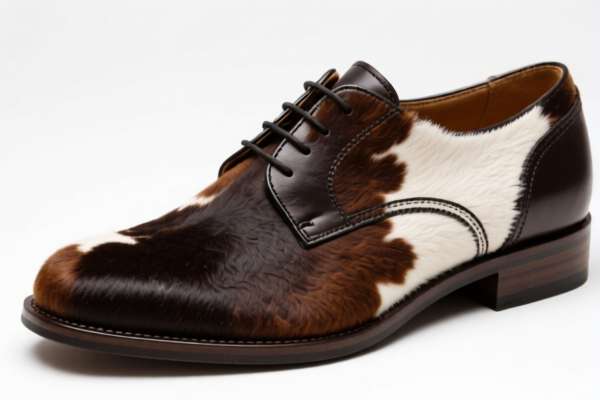
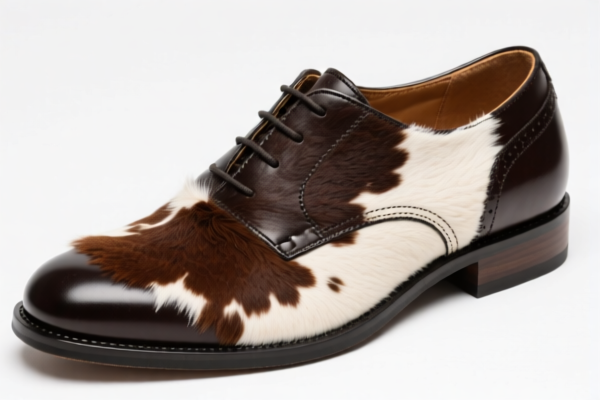
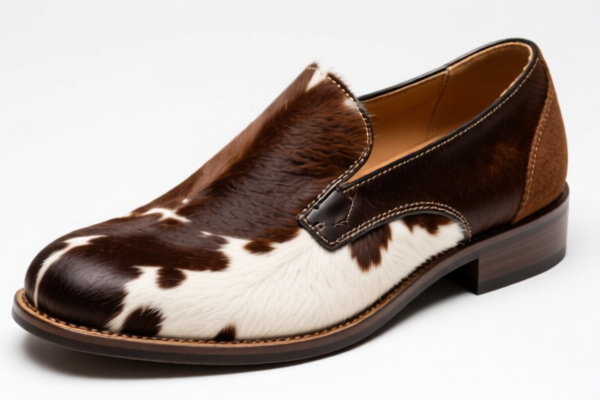

AI Analysis
🐮 Natural Cowhide Leather Sole (天然水牛皮鞋底)
🌐 HS Code Reference & Customs Clearance Guide | 2026 Latest Tariff Analysis | Professional Clearance Strategy
📌 I. Product Definition & Classification: Do You Really Understand "Cowhide Sole"?
"Natural Cowhide Leather Sole" refers to leather specifically processed for use as the sole part of footwear. In international trade, classification is highly sensitive to form (is it a finished sole shape or raw leather?) and tanning process.
Key Distinction: * Finished Soles (Shape-defined): If the leather has been cut, shaped, or prepared specifically for use as a sole (matching the definition of "sole leather"), it falls under specific subheadings (e.g., 4107). * Raw/General Leather: If it is sold as general cowhide without specific "sole" designation, it may fall under broader categories like 4104 (Finished leather) or even 4101 (Raw hides), leading to different tax implications.
⚠️ Critical Note:
- Misclassifying a "finished sole" as "general leather" or vice versa can lead to significant duty differences (e.g., 12.4% vs 19.9%). - The description in the data explicitly links specific HS codes to whether the item meets the definition of "sole leather."
📦 II. HS Code Classification Details (2026 Latest Tariff Authority Comparison)
| HS Code | Product Description | Applicability & Rationale | Tax Category |
|---|---|---|---|
4104.49.30.60 |
Natural Cowhide Sole, Classified as "Other/Other" | Described as "Other/Other" category, not classified as upper leather. Fits general finished leather category. | Base: 2.4% + 122 Clause: 10% |
4107.19.60.50 |
Natural Cowhide Sole, Meets Definition of Sole Leather | Explicitly states material and shape/purpose fully conform to the definition of sole leather. | Base: 5.0% + 122 Clause: 10% |
4104.11.40.60 |
Natural Cowhide Sole, Classified as Animal Tanned Leather | Form is leather, purpose is sole. Falls under "Animal Tanned Leather" category. | Base: 5.0% + 122 Clause: 10% |
4107.99.40.00 |
Natural Cowhide Sole, Leather Processing Product | Classified as a "leather processing product" where the primary use is for soles. | Base: 2.5% + 122 Clause: 10% |
4101.90.35.00 |
Natural Cowhide Sole, General Category Inference | Based on common sense inferred as cowhide range, falls under "Other" category (likely raw/semi-processed). | Base: 2.4% + 7.5% Section 301 + 122 Clause: 10% |
🔍 Focus Point:
-4107.19.60.50is the most precise fit if the product is fully conforming to the legal definition of "sole leather" in shape and purpose.
-4101.90.35.00carries the highest total tax burden due to the additional 7.5% Section 301 tariff.
-4104.49.30.60and4107.99.40.00offer lower base duties (2.4%-2.5%) but still incur the 122 Clause tariff.
💰 III. 2026 Latest Tariff Rate Breakdown (Including Surtaxes & Policy Add-ons)
✅ Applicable Country: United States (US)
✅ Origin: China (CN)
✅ Effective Date: Includes imports from 2025 onwards
🎯 1. 4104.49.30.60 —— Natural Cowhide Sole (General "Other/Other" Category)
| Item | Detail |
|---|---|
| Base Duty | 2.4% (Ad Valorem) |
| Section 301 Surtax | 0.0% |
| 122 Clause Tariff | 10.0% |
| Total Duty Rate | 12.4% |
| Tax Calculation | CIF Value × 12.4% |
| De Minimis Eligibility | ❌ Not Applicable (Commercial Import) |
| Legal Basis | Standard tariff + Section 122 (Trade Remedy) |
📌 Explanation:
- This classification avoids the higher 7.5% Section 301 tariff but incurs the standard 10% Section 122 duty.
- Suitable if the product is classified under broader "other finished leather" rather than strict "sole leather."
🎯 2. 4107.19.60.50 —— Natural Cowhide Sole (Strict Sole Leather Definition)
| Item | Detail |
|---|---|
| Base Duty | 5.0% (Ad Valorem) |
| Section 301 Surtax | 0.0% |
| 122 Clause Tariff | 10.0% |
| Total Duty Rate | 15.0% |
| Tax Calculation | CIF Value × 15.0% |
| De Minimis Eligibility | ❌ Not Applicable (Commercial Import) |
| Legal Basis | Specific subheading for sole leather + Section 122 |
📌 Explanation:
- Although the base duty (5.0%) is higher than4104.49.30.60, this is the most accurate classification if the product is physically shaped/prepared as a sole.
- Accuracy Over Savings: Misclassifying a sole as "general leather" to get the lower 2.4% base rate is risky if customs verifies it meets the "sole leather" definition.
🎯 3. 4104.11.40.60 —— Natural Cowhide Sole (Animal Tanned Leather)
| Item | Detail |
|---|---|
| Base Duty | 5.0% (Ad Valorem) |
| Section 301 Surtax | 0.0% |
| 122 Clause Tariff | 10.0% |
| Total Duty Rate | 15.0% |
| Tax Calculation | CIF Value × 15.0% |
| De Minimis Eligibility | ❌ Not Applicable (Commercial Import) |
| Legal Basis | Animal Tanned Leather Chapter + Section 122 |
📌 Note:
- Similar tax burden to4107.19.60.50.
- Classification hinges on whether the tanning process and form fit "Animal Tanned Leather" broadly.
🎯 4. 4107.99.40.00 —— Natural Cowhide Sole (Leather Processing Product)
| Item | Detail |
|---|---|
| Base Duty | 2.5% (Ad Valorem) |
| Section 301 Surtax | 0.0% |
| 122 Clause Tariff | 10.0% |
| Total Duty Rate | 12.5% |
| Tax Calculation | CIF Value × 12.5% |
| De Minimis Eligibility | ❌ Not Applicable (Commercial Import) |
| Legal Basis | Other Leather Processing Products + Section 122 |
📌 Explanation:
- Offers a competitive 12.5% total rate.
- Justification: Classified as a "leather processing product" rather than raw hide or strict sole leather.
🎯 5. 4101.90.35.00 —— Natural Cowhide Sole (General "Other" Category)
| Item | Detail |
|---|---|
| Base Duty | 2.4% (Ad Valorem) |
| Section 301 Surtax | 7.5% |
| 122 Clause Tariff | 10.0% |
| Total Duty Rate | 19.9% |
| Tax Calculation | CIF Value × 19.9% |
| De Minimis Eligibility | ❌ Not Applicable (Commercial Import) |
| Legal Basis | Raw/Semi-Processed Hides Category + Section 301 + Section 122 |
📌 Warning:
- Highest Total Tax: 19.9%.
- The 7.5% Section 301 surtax significantly increases costs.
- This classification is likely incorrect for finished soles unless the product is semi-processed hide. Avoid unless product status is strictly "raw/semi-processed."
🛠️ IV. Customs Clearance Practical Advice (Real-World Pitfall Avoidance)
✅ 1. Documentation Checklist (Missing items = Delay)
| Document | Required? | Explanation |
|---|---|---|
| ✅ Product Specification Sheet | ✔️ | Must detail: Material (Cowhide), Form (Sole Shape vs. Sheet), Tanning Process. |
| ✅ Technical Data Sheet | ✔️ | Clarify if it meets "Sole Leather" definition (thickness, density, treatment). |
| ✅ Commercial Invoice | ✔️ | Use precise description: "Natural Cowhide Leather Sole, Processed for Footwear." Avoid vague terms like "Leather Goods." |
| ✅ Photos (Front/Back/Edge) | ✔️ | Show shape/preparation level. Is it cut to size? |
| ✅ HS Code Pre-Ruling | ✔️ | Highly Recommended. Get a binding ruling from CBP to confirm 4107.19.60.50 vs 4104.49.30.60. |
| ✅ Certificate of Origin | ✔️ | To prove CN origin and assess Section 301/122 applicability. |
✅ 2. Declaration Strategy (Key Mantra)
🔥 "Define Form, Confirm Purpose, Avoid Section 301!"
| Scenario | Correct Declaration | Incorrect Practice |
|---|---|---|
| Finished Sole (Cut/Prepared) | 4107.19.60.50 or 4107.99.40.00 |
Declaring as 4101 → 19.9% Tax! |
| Sheet Leather (Not yet sole-specific) | 4104.49.30.60 |
Over-declaring as "Sole" when not yet processed |
| Mixed Shipment (Sole + Upper) | Separate lines for each HS Code | Combining into one generic "Leather" line |
| Raw/Half-Processed Hide | 4101.90.35.00 (if applicable) |
Misdeclaring finished leather as raw hide |
✅ 3. Special Circumstances
| Situation | Handling Advice |
|---|---|
| OEM Custom Soles | Provide design blueprints showing sole-specific shape to support 4107 classification. |
| Partial Processing | If leather is only partially tanned/cut, it may fall under 4104 or 4101. Provide detailed processing stage report. |
| Section 122 Impact | All classifications here incur a 10% Section 122 tariff. Factor this into cost modeling. No exemptions currently visible in the data. |
| Value Adjustment | Ensure CIF value includes freight/insurance accurately to avoid duty miscalculation on the 12.4%-19.9% range. |
🌍 V. Global Market Customs Comparison (2026 Update)
| Country/Region | Recommended HS Code | Duty Rate (Est.) | Certification/Notes |
|---|---|---|---|
| 🇺🇸 USA | 4107.19.60.50 |
15.0% | Includes 10% Sec 122. Best fit for "Sole Leather." |
| 🇺🇸 USA | 4104.49.30.60 |
12.4% | Alternative if not strictly "sole leather" definition. |
| 🇪🇺 EU | Varies by Tanning | ~3.5% - 10% | Depends on tanning agent (Chrome vs. Vegetable). No Section 301. |
| 🇨🇳 China | 4107.19.60.50 |
~5% | Domestic import/export tariffs may vary. |
| 🇬🇧 UK | 4107.19.60.50 |
~3.5% | Post-Brexit tariff schedules apply. |
📌 Conclusion:
- USA is the most complex due to Section 122 (10%) and potential Section 301 (0% or 7.5%).
- Accuracy is Key: Choosing the wrong HS code can jump duties from 12.4% to 19.9%.
- EU/UK generally have lower base duties but require strict REACH/SVHC compliance for leather chemicals.
📌 VI. Common Errors & Pitfall Guide (Lessons Learned)
❌ Error 1: Declaring "Sole Leather" as "Raw Hide" (4101)
👉 Consequence: Attracts 7.5% Section 301 surtax → Total 19.9% instead of 12.4-15.0%.
❌ Error 2: Using generic "Leather" description without specifying "Sole"
👉 Consequence: Customs may reclassify to 4101 or 4104 unpredictably, leading to audits and delays.
❌ Error 3: Ignoring Section 122 Tariff
👉 Consequence: Budgeting only for base duty (2.4%-5%) but missing the mandatory 10% surcharge → Cost overrun.
❌ Error 4: Confusing "Upper Leather" with "Sole Leather"
👉 Consequence: 4106 (Upper) vs 4107 (Sole) have different duty rates and regulatory scrutiny.
✅ Correct Action:
"Natural Cowhide Leather Sole, Pre-formed, Vegetable Tanned, for Footwear, HS Code 4107.19.60.50."
🎯 VII. Conclusion: Precise Classification Saves Money!
🎯 Remember the Mantra:
🔹 "Sole Definition Matters, 10% Sec 122 is Always On, Sec 301 is the Enemy!"
🔹 "12.4% vs 19.9% is a 7.5% Gap – Don't Let Lazy Classification Cost You!"
📌 Pro Tip:
If your cowhide soles are partially processed, consider if they qualify for
4104or4107to avoid the 7.5% Section 301 hit.
Apply for an Advance Ruling with CBP if your product is borderline between "Sole Leather" (4107) and "Finished Leather" (4104).
📣 Immediate Action:
📞 Contact a Licensed Customs Broker + Provide Product Photos + Request HS Code Pre-Ruling
🚀 Clear Goods Smoothly, Minimize Duties, Maximize Profit!
✨ Professional Customs Clearance Starts with Accurate Classification!
💼 Every Percent Counts in International Trade!
Customer Reviews
About HS Code Classification
The Harmonized System (HS) is an internationally standardized nomenclature developed by the World Customs Organization (WCO) to classify traded products. Over 200 countries use the HS system as the basis for customs tariffs, trade statistics, and import/export regulations.
Each HS code follows a hierarchical structure:
- Chapter (2 digits) — Broad category of goods (e.g., Chapter 84: Machinery and Mechanical Appliances)
- Heading (4 digits) — More specific grouping within the chapter
- Subheading (6 digits) — Internationally standardized breakdown, used by all WCO member countries
- National subdivisions (8-10 digits) — Country-specific extensions for further classification, such as US HTSUS 10-digit codes
Correct HS code classification is essential for smooth customs clearance, accurate duty payment, and compliance with trade regulations. Misclassification can lead to customs delays, overpayment of duties, or penalties.
When importing from CN to US, the applicable tariff rates may include:
- Most-Favored-Nation (MFN) rate — The standard duty rate applied to WTO members
- General rate — Applied to countries without trade agreements
- Trade remedy duties — Additional tariffs such as Section 301 (anti-dumping), Section 232 (national security), or countervailing duties
The information provided on this page is for reference purposes only. For official classification, please consult with your local customs authority or a licensed customs broker.