Natural Grass Desk Mat
CN → US| HS Code | Tariff Rate | Origin | Destination | Doc |
|---|---|---|---|---|
| 4602191800 | 39.5% | CN | US | Official Doc |
| 4602198000 | 37.3% | CN | US | Official Doc |
| 5705001000 | 35.0% | CN | US | Official Doc |
| 5705002090 | 38.3% | CN | US | Official Doc |
| 5705001000 | 35.0% | CN | US | Official Doc |
Product Images
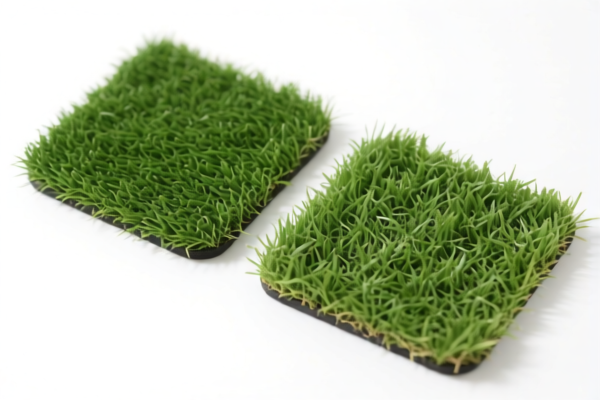
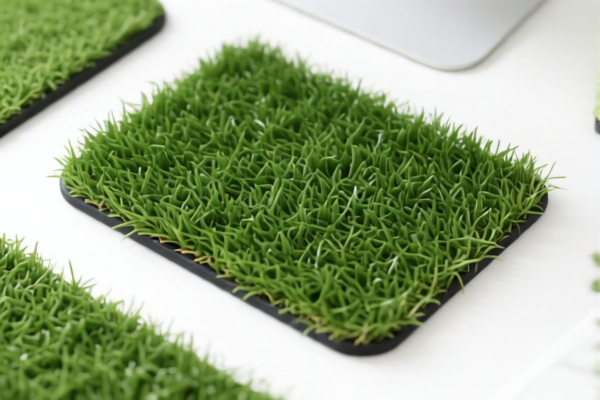
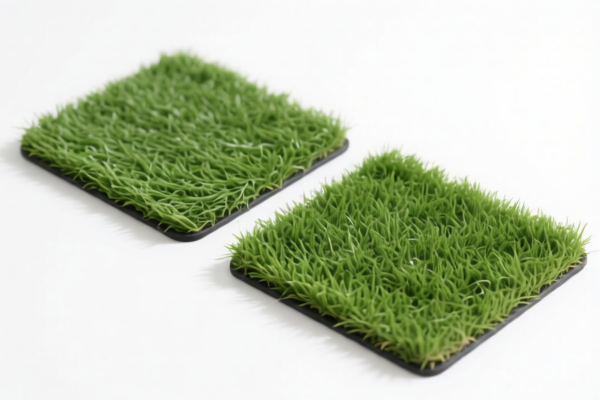
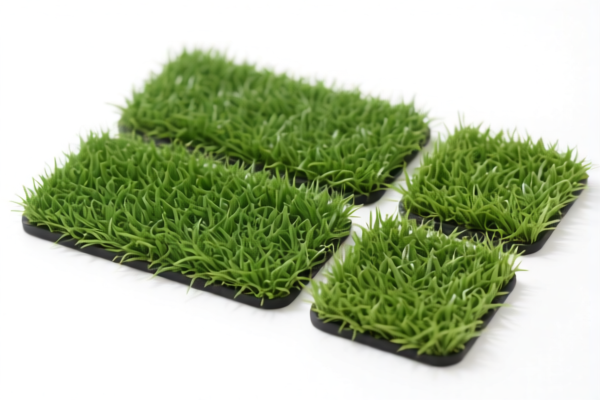
AI Analysis
🌿 Natural Grass Desk Mat
🌐 HS Code Reference & Customs Clearance Guide | 2024/2025 Tariff Analysis | Professional Strategy
📌 I. Product Definition & Classification: Do You Really Understand "Natural Grass"?
A "Natural Grass Desk Mat" is a hybrid product that sits at the intersection of textiles, basketry, and floor coverings. In international trade, its classification is not obvious because it depends heavily on the manufacturing process (woven vs. tufted) and the primary material definition (plant fiber vs. textile fiber).
Key Distinction Points: * If it is strictly "Woven" from natural plant stems (straw, reed, seagrass): It falls under Chapter 46 (Basketware). * If it is "Tufted" or constructed like a rug using synthetic or processed plant fibers: It falls under Chapter 57 (Carpeting/Textile Floor Coverings).
⚠️ Critical Risk:
- Misclassifying a woven grass mat as a textile rug (Chapter 57) may lead to lower duties but risks rejection if the material is >50% natural plant fiber not processed into yarn.
- Misclassifying a tufted mat as basketware (Chapter 46) is impossible if it meets the definition of a "carpet."
📦 II. HS Code Classification Matrix (Based on Provided Data)
The following HS Codes are derived from your specific dataset. Note the significant tax differences based on the summary description and material morphology.
| HS Code | Product Description (Summary) | Total Tax Rate | Tax Breakdown |
|---|---|---|---|
| 4602.19.18.00 | Woven floor mat, material: plant material, form: woven制品 | 39.5% | Base: 4.5% + 301 Tariff: 25.0% + Section 122 Tariff: 10% |
| 4602.19.80.00 | Woven floor mat, material: plant material, form: woven & similar articles | 37.3% | Base: 2.3% + 301 Tariff: 25.0% + Section 122 Tariff: 10% |
| 5705.00.10.00 | Grass mat/rug, form: textile floor covering, material: fiber class | 35.0% | Base: 0.0% + 301 Tariff: 25.0% + Section 122 Tariff: 10% |
| 5705.00.20.90 | Grass mat, form: textile floor covering, material: textile/fiber | 38.3% | Base: 3.3% + 301 Tariff: 25.0% + Section 122 Tariff: 10% |
| 5705.00.10.00 | Grass mat, form: textile floor covering, material: plant fiber | 35.0% | Base: 0.0% + 301 Tariff: 25.0% + Section 122 Tariff: 10% |
🔍 Observation:
- The lowest tax rate (35.0%) is achieved if the product is classified under HS 5705.00.10.00 as a "textile floor covering" with a 0% base tariff.
- However, this classification requires proving the product is considered a "textile/fiber" product rather than raw "basketry."
💰 III. Detailed Tariff Analysis (US Market Context)
✅ Target Market: United States (US)
✅ Origin: China (CN) (Implied by Section 122 and 301 tariffs)
✅ Effective Date: Current ongoing tariffs (301 & 122)
🎯 1. Category A: Basketware Classification (HS 4602)
Codes: 4602.19.18.00 & 4602.19.80.00
| Item | Content |
|---|---|
| Base Duty | 2.3% – 4.5% (Depends on specific sub-heading) |
| Section 301 Duty | +25.0% (Standard US-China trade war tariff) |
| Section 122 Duty | +10.0% (Specific additional duty) |
| Total Landed Tax | 37.3% – 39.5% |
| Legal Basis | US HTSUS Chapter 46 Notes + Section 301 Footnotes |
📌 Interpretation:
- Chapter 46 covers "Woven materials of vegetable plaiting materials; basketwork and wickerwork."
- If Customs determines your desk mat is "woven" from raw plant stems (not spun into yarn), it must go here.
- Cost Impact: You pay duty on the full value at ~39.5%.
🎯 2. Category B: Textile/Rug Classification (HS 5705)
Codes: 5705.00.10.00 & 5705.00.20.90
| Item | Content |
|---|---|
| Base Duty | 0.0% (For 5705.00.10.00) OR 3.3% (For 5705.00.20.90) |
| Section 301 Duty | +25.0% |
| Section 122 Duty | +10.0% |
| Total Landed Tax | 35.0% (Best Case) OR 38.3% |
| Legal Basis | US HTSUS Chapter 57 Notes (Textile Floor Coverings) |
📌 Interpretation:
- Chapter 57 covers "Other carpets and other textile floor coverings."
- If the grass is processed into "yarn" or "tufted" into a backing, it may qualify as a textile.
- Strategic Advantage:5705.00.10.00offers a 0% base rate, reducing the total effective burden by 2-4.5% compared to Chapter 46.
🛠️ IV. Customs Clearance Practical Advice (Avoiding Pitfalls)
✅ 1. Documentation Checklist (Must-Haves)
| Document | Requirement | Why? |
|---|---|---|
| Product Description | Must specify: "Woven Grass Mat" OR "Tufted Grass Rug" | Determines Chapter 46 vs. 57 |
| Material Composition | Specify % of natural plant fiber vs. synthetic backing | "Plant material" vs. "Fiber" |
| Manufacturing Process | Detail: Braiding, Weaving, Tufting, or Gluing? | Weaving = Ch 46; Tufting = Ch 57 |
| Photos | Close-up of weave/tuft structure | Visual proof of classification |
| Invoice | Value must match CIF (Cost, Insurance, Freight) | Base for duty calculation |
✅ 2. Strategic Classification Advice
Scenario A: The mat is tightly woven from raw seagrass/reed strips.
* Risk: High chance of being classified as Basketware (4602).
* Action: Prepare to pay 39.5%. Argue for 4602.19.80.00 (37.3%) if it doesn't fit the specific "18" sub-heading criteria.
Scenario B: The mat is tufted or uses grass-like yarn on a fabric backing.
* Opportunity: Fight for Textile Classification (5705).
* Action: Declare as "Textile Floor Covering, Plant Fiber".
* Target HS: 5705.00.10.00 (35.0% Total).
* Justification: The primary character is that of a "rug" or "textile," not a basket. Use technical specs showing a textile backing.
✅ 3. Critical "Do Nots"
| ❌ Don't Do | ✅ Do This |
|---|---|
| Vague Description: "Grass Mat" | Specific Description: "Hand-woven Seagrass Desk Mat, 100% Natural Plant Fiber" |
| Ignore Section 122: Assume 301 is all there is | Account for Section 122: Add 10% on top of the 301 rate |
| Assume Duty-Free: Think natural = cheap | Remember: Even natural goods from China are hit by 301 + 122 tariffs |
🌍 V. Comparison & Optimization
| Classification Path | HS Code | Base Rate | 301 + 122 | Total Rate | Verdict |
|---|---|---|---|---|---|
| Basketware (Specific) | 4602.19.18.00 | 4.5% | 35.0% | 39.5% | Standard, safe for raw woven mats |
| Basketware (General) | 4602.19.80.00 | 2.3% | 35.0% | 37.3% | Better if 18.00 doesn't fit |
| Textile (Optimal) | 5705.00.10.00 | 0.0% | 35.0% | 35.0% | Best Cost if eligible |
| Textile (Fallback) | 5705.00.20.90 | 3.3% | 35.0% | 38.3% | If 10.00 is rejected |
📌 Strategic Recommendation:
If your product can be technically described as a "textile floor covering" (even if made of grass fibers processed into yarn/tufted), strongly advocate for HS 5705.00.10.00. Saving 2.2% - 4.5% on high-value shipments is significant.
📌 VI. Common Mistakes & Lessons Learned
❌ Mistake 1: Using "Mat" without specifying "Textile" or "Basketware."
👉 Result: Customs uses their own judgment, often defaulting to the higher tax basketware rate (4602) if it looks like a basket.
❌ Mistake 2: Ignoring Section 122.
👉 Result: Underpaying duties by 10%, leading to penalties and audits upon arrival.
❌ Mistake 3: Assuming "Natural" means lower duty.
👉 Result: In the US-China trade context, natural origins from China are heavily penalized. The base rate is the only variable you can control via classification.
🎯 VII. Conclusion: Maximize Profit with Precision
🎯 Key Takeaway:
"Structure determines Tax. Woven = Basket (Higher Base). Textile/Tufted = Rug (Lower Base)."
- If Raw Woven: Accept ~37.3-39.5%. Ensure correct sub-heading (18 vs 80).
- If Processed/Tufted: Fight for 5705.00.10.00 to lock in the 35.0% total rate.
📣 Immediate Action:
📞 Review your product's manufacturing process.
📝 Update your Commercial Invoice to emphasize "Textile Floor Covering" if applicable.
🚀 Apply for an Advance Ruling if the classification is ambiguous to avoid detention fees.
✨ Smart Classification = Lower Duty = Higher Margin!
💼 Don't let a 2% difference eat your profit. Classify Correctly.
Customer Reviews
About HS Code Classification
The Harmonized System (HS) is an internationally standardized nomenclature developed by the World Customs Organization (WCO) to classify traded products. Over 200 countries use the HS system as the basis for customs tariffs, trade statistics, and import/export regulations.
Each HS code follows a hierarchical structure:
- Chapter (2 digits) — Broad category of goods (e.g., Chapter 84: Machinery and Mechanical Appliances)
- Heading (4 digits) — More specific grouping within the chapter
- Subheading (6 digits) — Internationally standardized breakdown, used by all WCO member countries
- National subdivisions (8-10 digits) — Country-specific extensions for further classification, such as US HTSUS 10-digit codes
Correct HS code classification is essential for smooth customs clearance, accurate duty payment, and compliance with trade regulations. Misclassification can lead to customs delays, overpayment of duties, or penalties.
When importing from CN to US, the applicable tariff rates may include:
- Most-Favored-Nation (MFN) rate — The standard duty rate applied to WTO members
- General rate — Applied to countries without trade agreements
- Trade remedy duties — Additional tariffs such as Section 301 (anti-dumping), Section 232 (national security), or countervailing duties
The information provided on this page is for reference purposes only. For official classification, please consult with your local customs authority or a licensed customs broker.