Natural Grass Feature Walls
CN → USProduct Images
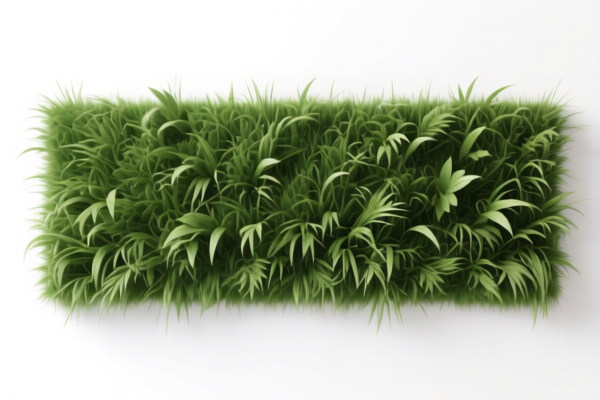
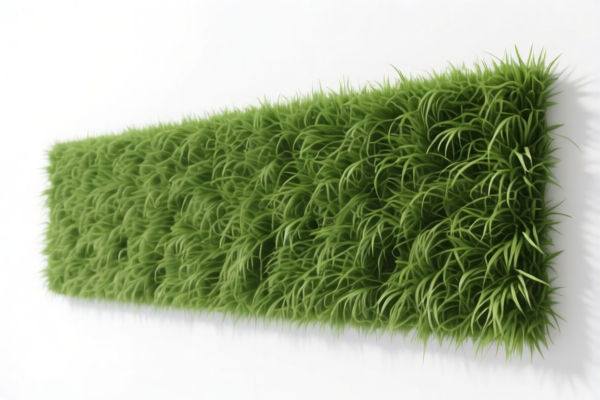
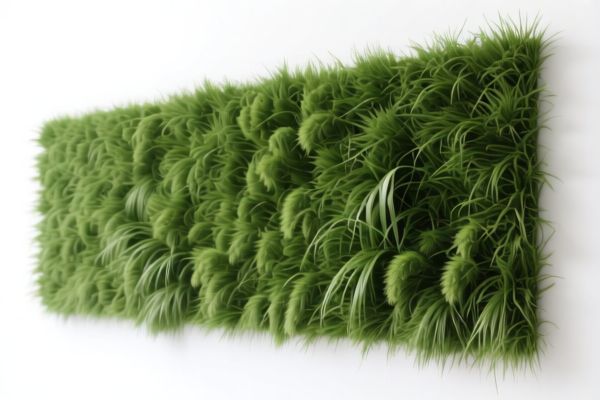
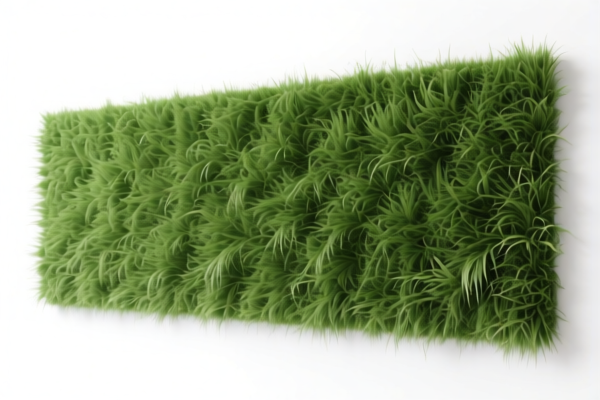
AI Analysis
$$ \text{[DATA]} $$ json {"content":[{"type":"text","text":"[]"}],"isError":false}
xml
🌿 Natural Grass Feature Walls (Artificial/Natural Turbening Panels)
🌐 HS Code Reference & Customs Clearance Guide | 2026 Latest Tariff Analysis | Professional Import Strategy
📌 Part 1: Product Definition & Classification: What Exactly Is a "Grass Wall" in Trade?
In international trade, "Natural Grass Feature Walls" are ambiguous and often lead to classification errors. Customs authorities generally classify green wall products based on material composition and state of processing:
- Artificial Grass Panels (Most Common): Synthetic polymer-based (PE/PP) grass mats mounted on backing (fiberglass, foam, or rigid plastic). Despite the name "Natural" in marketing, if it's synthetic, it’s not a natural product.
- Preserved Live Moss/Grass Panels: Real plant matter treated with glycerin to preserve it, mounted on mesh or backing. This is considered a plant product.
- Living Green Walls (Modular Planters): Actual soil-containing modules with live plants. These are live plants or plant pots.
⚠️ Critical Distinction:
- Synthetic "Green" Walls: Classified under Chapter 39 (Plastics) or Chapter 57 (Carpet/Rugs).
- Preserved Plant Panels: Classified under Chapter 12 (Other vegetable products) or Chapter 14 (Vegetable plaiting materials).
- Live Plant Modules: Classified under Chapter 6 (Live Trees/Plants) or Chapter 46 (Pots/Containers).🚨 Warning: Marketing terms like "Natural," "Real Feel," or "Bio-grass" do not override the physical composition. If it’s plastic, it goes to Chapter 39/57.
📦 Part 2: HS Code Classification Matrix (2026 Latest Harmonized System)
| HS Code | Product Description | Application Scenario | Material Composition |
|---|---|---|---|
3918.10.00.00 |
Synthetic flooring coverings, of plastics, whether or not self-adhesive | Most Common: Artificial grass wall panels (PE/PP fibers on plastic backing) | ✅ Plastic (Synthetic) |
5703.90.10.00 |
Other artificial carpets and other floor coverings of textile materials, tufted | Less common: Grass-like textile mats mounted on fabric backing | ✅ Textile/Synthetic Fiber |
1211.90.98.00 |
Plants and parts of plants... primarily used in perfumery, pharmacy, or for insecticidal, fungicidal or similar purposes | Preserved Moss/Lichen Panels: Real plant matter treated and mounted | ✅ Real Plant (Preserved) |
4601.90.00.00 |
Plaited materials and other products of plaiting materials... not further worked than assembled | Preserved Grass Mats: Untreated or lightly treated natural grass woven into mats | ✅ Natural Plant Fiber |
9403.90.00.00 |
Parts of furniture of other materials | Metal/Wood Frames with Grass Panels: If sold as part of a modular furniture system | ❌ Part of Furniture |
🔍 Key Insight:
- 90% of "Feature Walls" sold online are3918.10.00.00(Artificial Grass Panels).
- If you declare "Natural Grass" but ship synthetic PE panels, this is fraudulent misdeclaration, leading to seizures and fines.
- Preserved Moss is rare for large walls due to humidity/mold issues; usually classified as1211or1404depending on treatment.
💰 Part 3: 2026 Latest Tariff Rate Breakdown (US Market Focus)
✅ Applicable Country: United States (US)
✅ Origin: China (CN)
✅ Effective Date: Post-November 2025 Rates
🎯 1. 3918.10.00.00 —— Artificial Grass Panels (Synthetic)
| Item | Details |
|---|---|
| Base MFN Rate | 6.5% (General Rate) |
| Section 301 Additional Duty | +7.5% (Current Phase 4a/4b status) |
| IEEPA Additional Duty | +10% (If applicable under recent executive orders for specific plastic goods) |
| Total Effective Rate | ~14% – 17% (Varies by specific sub-heading and trade war status) |
| De Minimis Exemption | ✅ Yes (If value < $800 per person per day, but check current enforcement trends) |
| Legal Path | HTSUS:3918.10 → Footnote:301 → USITC:3918.10.00.00 |
📌 Explanation:
- Artificial grass panels are subject to Section 301 tariffs due to their plastic content.
- No IEEPA exemption typically applies unless specific exemptions are granted.
- Total ~14-17% is significantly lower than electronics (45%), making it a viable import for decor brands.
🎯 2. 1211.90.98.00 —— Preserved Moss/Lichen Panels (Real Plant)
| Item | Details |
|---|---|
| Base MFN Rate | 5.0% |
| Section 301 Additional Duty | +7.5% |
| IEEPA Additional Duty | 0% (Often exempted as "non-strategic" agricultural/plant product) |
| Total Effective Rate | ~7.5% – 12.5% |
| De Minimis Exemption | ✅ Yes (Strictly monitored for phytosanitary compliance) |
| Legal Path | HTSUS:1211.90 → Footnote:301 |
📌 Explanation:
- Preserved plant products may benefit from lower or no IEEPA tariffs due to non-strategic nature.
- Critical Requirement: Must provide Phytosanitary Certificate if claiming as "plant matter," even if preserved.
🎯 3. 4601.90.00.00 —— Natural Grass Mats (Untreated/Woven)
| Item | Details |
|---|---|
| Base MFN Rate | 7.0% |
| Section 301 Additional Duty | +7.5% |
| IEEPA Additional Duty | 0% |
| Total Effective Rate | ~14.5% |
| De Minimis Exemption | ✅ Yes |
| Legal Path | HTSUS:4601.90 → Footnote:301 |
📌 Explanation:
- Pure natural grass mats (e.g., bamboo, straw, untreated turf) fall here.
- High Risk: If not properly dried/treated, may be rejected for mold/pests.
🛠️ Part 4: Customs Clearance Practical Advice
✅ 1. Documentation Checklist (Mandatory)
| Document | Required? | Notes |
|---|---|---|
| Commercial Invoice | ✅ | Clearly state "Artificial Grass Panel" or "Preserved Moss Panel" – Do NOT use "Natural Grass" if synthetic. |
| Material Composition Statement | ✅ | Declare % of PE, PP, Fiberglass, Adhesive. Crucial for 3918 vs 5703. |
| Phytosanitary Certificate | ✅ | Only for Real/Preserved Plants (1211, 4601). Not needed for synthetic. |
| Product Photos | ✅ | Show backside (backing material) to prove synthetic vs. natural. |
| Testing Report | ✅ | Flammability Test (ASTM E84 / CAL 117) required for wall coverings in US/Canada. |
| FSC/PEFC Certificate | Optional | If marketed as "Eco-friendly" or containing wood/plant components. |
✅ 2. Declaration Strategy (Key Tips)
🔥 "Synthetic is Plastic, Real is Plant. Declare Material, Not Marketing."
| Scenario | Correct HS Code | Wrong HS Code | Consequence |
|---|---|---|---|
| Synthetic PE/PP Grass Wall | 3918.10.00.00 |
9403.90 (Furniture Part) |
Under-declaration: 6.5% vs 17%. Penalty + Back Taxes. |
| Preserved Moss Panel | 1211.90.98.00 |
3918.10.00.00 |
Over-declaration: Plant certs missing → Seizure for Bio-security. |
| Live Plant Wall (with Soil) | 0601.20 (Live Plants) |
3918.10.00.00 |
Seizure: Live plants require USDA inspection. |
| Mixed Material (Fabric + Grass) | 5703.90.10.00 |
3918.10.00.00 |
Minor Discrepancy: Possible fine, but lower risk. |
✅ 3. Special Considerations
| Issue | Solution |
|---|---|
| Flammability Compliance | Wall coverings in the US must meet ASTM E84 (Surface Burning Characteristics). Ensure supplier provides a valid test report from an accredited lab (e.g., Intertek, SGS). |
| Greenwashing Risk | Avoid "100% Natural" claims if synthetic. FTC (Federal Trade Commission) fines for misleading environmental claims. Use "Eco-Friendly Recycled Plastic" instead. |
| Moisture/Mold | Synthetic panels are mold-resistant. Preserved natural grass panels must be shipped in dry containers with desiccants. |
| De Minimis Loophole | While <$800 shipments often bypass duties, CBP is increasingly auditing "grass panels" for misclassification. Better to classify correctly even for small parcels. |
🌍 Part 5: Global Market Comparison (2026)
| Region | Recommended HS Code | Tariff (CN Origin) | Key Requirement |
|---|---|---|---|
| 🇺🇸 USA | 3918.10.00.00 (Synthetic) |
~14-17% | ASTM E84 Flammability |
| 🇨🇳 China | 3918.10.00.00 |
0% (Favorable) | CCC (if electrical components present) |
| 🇪🇺 EU | 3918.10.00 |
4% + VAT | CE Marking, REACH Compliance (Plastics) |
| 🇬🇧 UK | 3918.10.00 |
4% + VAT | UKCA Marking |
| 🇦🇺 Australia | 3918.10.00 |
5% | AS/NZS Flammability Standards |
📌 Part 6: Common Mistakes & Pitfalls
❌ Mistake 1: Calling Synthetic Grass "Natural" in the Invoice
👉 Result: Customs suspects bio-security risk → Inspection Delay or Seizure.
❌ Mistake 2: Classifying as "Furniture Parts" (9403) to Avoid Tariffs
👉 Result: CBP disagrees; reclassifies to 3918 → Back Taxes + Penalty.
❌ Mistake 3: Ignoring Flammability Certs for Wall Panels
👉 Result: Product rejected at port or by end-user (retailers like Amazon/Home Depot require ASTM E84).
❌ Mistake 4: Shipping Preserved Moss without Phytosanitary Cert
👉 Result: Quarantine or Destruction by USDA.
✅ Correct Approach:
"Artificial Grass Wall Panel, Polyethylene (PE) Fiber, Fiberglass Backing, Non-Flammable, Model XYZ, ASTM E84 Compliant"
🎯 Part 7: Conclusion: Smart Importing for Green Decor
🎯 Remember:
🔹 "Synthetic = Plastic (3918), Real = Plant (1211/4601)"
🔹 "Flammability Cert is Mandatory for Walls"
🔹 "De Minimis is Not a Free Pass if Misclassified"
📌 Pro Tip:
If importing large volumes, consider LCL (Less than Container Load) shipping to US West Coast, and ensure the supplier provides third-party flammability test reports before shipment. For preserved moss, ensure humidity-controlled shipping.
📣 Immediate Action:
📞 Verify Material Composition with Supplier
📄 Request ASTM E84 Report
🚀 Classify Correctly to Avoid CBP Audits
✨ Professional Clearance, Profitable Trade!
💼 Your Green Wall, Clear Path.
Customer Reviews
About HS Code Classification
The Harmonized System (HS) is an internationally standardized nomenclature developed by the World Customs Organization (WCO) to classify traded products. Over 200 countries use the HS system as the basis for customs tariffs, trade statistics, and import/export regulations.
Each HS code follows a hierarchical structure:
- Chapter (2 digits) — Broad category of goods (e.g., Chapter 84: Machinery and Mechanical Appliances)
- Heading (4 digits) — More specific grouping within the chapter
- Subheading (6 digits) — Internationally standardized breakdown, used by all WCO member countries
- National subdivisions (8-10 digits) — Country-specific extensions for further classification, such as US HTSUS 10-digit codes
Correct HS code classification is essential for smooth customs clearance, accurate duty payment, and compliance with trade regulations. Misclassification can lead to customs delays, overpayment of duties, or penalties.
When importing from CN to US, the applicable tariff rates may include:
- Most-Favored-Nation (MFN) rate — The standard duty rate applied to WTO members
- General rate — Applied to countries without trade agreements
- Trade remedy duties — Additional tariffs such as Section 301 (anti-dumping), Section 232 (national security), or countervailing duties
The information provided on this page is for reference purposes only. For official classification, please consult with your local customs authority or a licensed customs broker.