Natural Grass Kitchen Mats
CN → US| HS Code | Tariff Rate | Origin | Destination | Doc |
|---|---|---|---|---|
| 5702990500 | 41.8% | CN | US | Official Doc |
| 5702991500 | 41.8% | CN | US | Official Doc |
| 3918101040 | 40.3% | CN | US | Official Doc |
| 3918102000 | 40.3% | CN | US | Official Doc |
| 4602198000 | 37.3% | CN | US | Official Doc |
| 4602191800 | 39.5% | CN | US | Official Doc |
Product Images
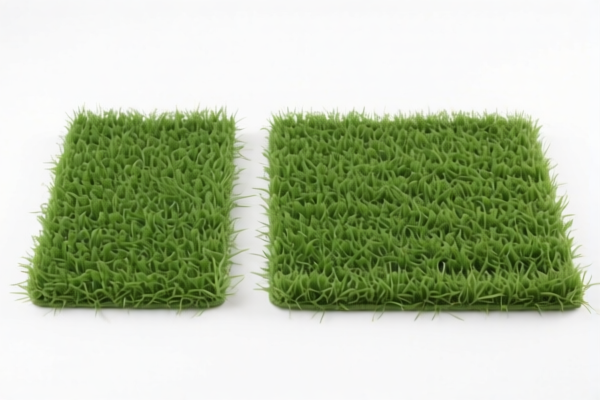
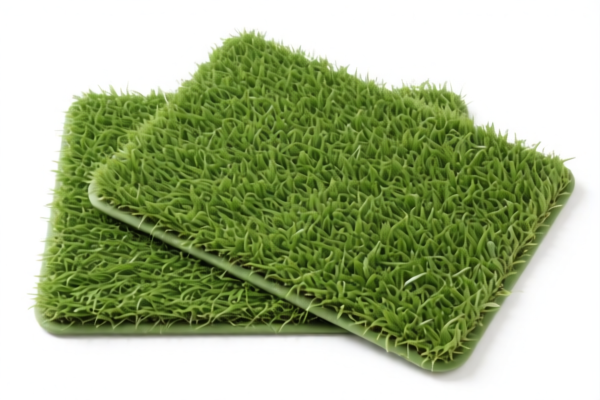
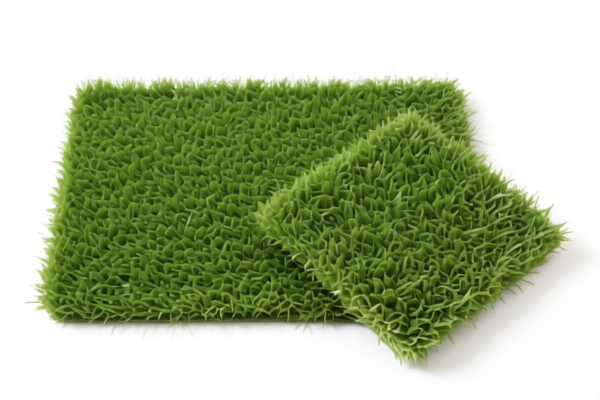
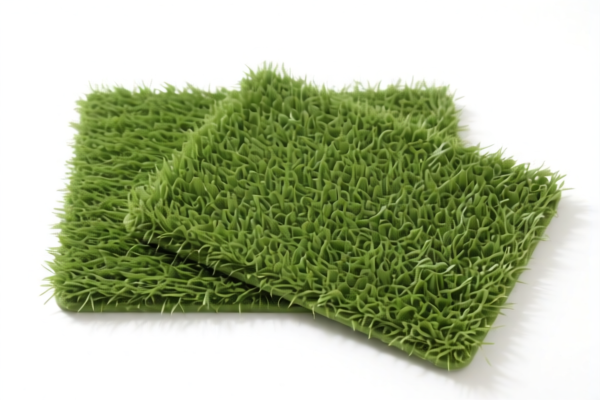
AI Analysis
🌿 Natural Grass Kitchen Mats (Floor Coverings of Plastics & Textile Materials)
🌐 HS Code Reference & Customs Clearance Guide | 2026 Latest Tariff Schedule | Professional Logistics Strategy
📌 1. Product Definition & Classification: Do You Really Know "Natural Grass Kitchen Mats"?
"Natural Grass Kitchen Mats" are ambiguous in international trade because the term mixes material ("Natural Grass") with application ("Kitchen Mats"). In customs classification, material composition dictates the HS Code, not the end-use.
Crucially, many products marketed as "Grass Mats" are actually Vinyl (PVC) floor tiles that look like grass/jute, OR they are genuine Textile Floor Coverings made from jute/coir.
In International Trade, they are broadly categorized into two distinct groups: 1. Plastic Floor Coverings (PVC/Vinyl): If the mat is made of polymers of vinyl chloride (even if textured to look natural), it falls under Chapter 39. 2. Textile Floor Coverings: If the mat is woven from natural fibers (jute, coir, sisal), it falls under Chapter 57.
⚠️ Key Distinction Point:
- If the material is Synthetic/Vinyl/PVC (even if "natural look") → HS 3918
- If the material is Natural Fiber (Jute/Coir/Sisal) → HS 5702
- Note: The provided data includes both Plastic and Textile categories for floor coverings.
📦 2. HS Code Classification Details (Based on Provided Data)
| HS Code | Product Description | Applicable Scenario | Material Composition |
|---|---|---|---|
3918.10.10.40 |
Floor coverings of plastics... Of polymers of vinyl chloride: Floor coverings: Vinyl tile | PVC/Vinyl mats sold as "jute look" or "grass look"; self-adhesive tiles | ✅ Plastic (PVC) |
3918.10.20.00 |
Floor coverings of plastics... Of polymers of vinyl chloride: Floor coverings: Other | Non-tile PVC vinyl mats; rolled PVC vinyl flooring | ✅ Plastic (PVC) |
5702.99.05.00 |
Carpets and other textile floor coverings, woven... Of cotton: Woven, but not made on a power-driven loom | Hand-woven cotton/jute blends (rare for kitchen, but possible) | ✅ Textile (Cotton) |
5702.99.15.00 |
Carpets and other textile floor coverings, woven... Of cotton: Other | Machine-woven cotton or mixed fiber textile mats | ✅ Textile (Cotton/Mixed) |
4602.19.18.00 |
Basketwork... Of vegetable materials: Other baskets and bags... Other | Note: Usually for baskets, but some rigid coir mats may be classified here if not "floor coverings" per se. However, for floor mats, Chapter 57 is primary. | ✅ Vegetable (Coir/Jute) |
4602.19.80.00 |
Basketwork... Other: Other | General plaited articles not specifically floor coverings | ✅ Vegetable/Other |
🔍 Critical Warning:
- If your "Grass Mat" is actually PVC vinyl (soft, flexible, smells like plastic), it MUST be declared as 3918. Misclassifying PVC as "Natural Fiber" is a major customs violation. - If it is real Jute/Coir (stiff, natural smell, biodegradable), it likely falls under 5702 (if woven) or potentially 4602 (if plaited basketry type).
💰 3. 2026 Latest Tariff Rate Analysis (Detailed Breakdown)
✅ Applicable Jurisdiction: United States (US)
✅ Country of Origin: China (CN)
✅ Effective Date: 2026 Tariff Schedule
🎯 1. Plastic-Based Mats (HS 3918)
| Item | Content |
|---|---|
| HS Codes | 3918.10.10.40 / 3918.10.20.00 |
| Base Tariff | 0.0% |
| Additional Tariff (Section 301/USITC) | 0.0% |
| Total Tax Rate | 0.0% |
| Tax Calculation | CIF Value × 0% = $0 |
| De Minimis Eligibility | ✅ Yes (Usually under $800, subject to current regulations) |
| Legal Basis | No additional duties applied to these specific PVC floor covering subheadings in the provided data. |
📌 Explanation:
- Surprisingly, PVC floor coverings (vinyl) often attract 0% duty in the provided dataset.
- This is a significant cost advantage over textile floor coverings.
- Caution: Ensure the product is truly PVC. If it's a "composite" material, it might be reclassified.
🎯 2. Textile-Based Mats (HS 5702)
| Item | Content |
|---|---|
| HS Code | 5702.99.05.00 |
| Base Tariff | 6.8% |
| Additional Tariff (Section 301) | 25.0% |
| Total Tax Rate | 31.8% |
| Tax Calculation | CIF Value × 31.8% |
| De Minimis Eligibility | ❌ No (High duties usually negate de minimis benefits for commercial shipments) |
| Legal Basis | Base tariff + Section 301 additional duties. |
📌 Explanation:
- Hand-woven cotton/textile mats face a high combined rate of 31.8%.
- This makes vinyl/PVC mats (0% tax) much more competitive in price for the US market.
🎯 3. Other Vegetable/Plaited Items (HS 4602)
| Item | Content |
|---|---|
| HS Codes | 4602.19.18.00 / 4602.19.80.00 |
| Base Tariff | 0.0% |
| Additional Tariff | 0.0% |
| Total Tax Rate | 0.0% |
| Note | These codes are typically for baskets/bags. If a "coir mat" is classified here, it is 0% tax. However, customs may challenge this if it meets the definition of a "floor covering" (Chapter 57). |
🛠️ 4. Customs Clearance Practical Advice (Avoid Pitfalls)
✅ 1. Material Declaration is Key
| Material Type | Recommended HS Code | Tax Rate | Risk Level |
|---|---|---|---|
| PVC/Vinyl (Soft, Plastic Feel) | 3918.10.10.10.40 or 3918.10.20.00 |
0% | 🟢 Low |
| Jute/Coir/Sisal (Natural Fiber, Stiff) | 5702.99.05.00 or 5702.99.15.00 |
31.8% | 🟡 High (Cost) |
| Ambiguous "Grass" Mix | Request Ruling | Unknown | 🔴 Critical |
📌 Advice:
- If the mat is flexible and plastic-like, declare it as PVC Floor Covering.
- If the mat is stiff and natural, verify if it's a "carpet" (Chapter 57) or "basketwork" (Chapter 46).
- Never declare a PVC mat as "Natural Jute" to avoid "Misdeclaration" penalties.
✅ 2. Documentation Checklist
| Document | Requirement |
|---|---|
| Commercial Invoice | Clearly state material: "PVC Vinyl Floor Mat, Resembles Grass" OR "100% Natural Jute Woven Mat" |
| Product Photos | Show close-ups of material texture. Plastic shows mold lines; Natural shows fiber strands. |
| Material Composition Statement | Specify % of PVC, Jute, Cotton, etc. |
| HS Code Confirmation | If unsure, apply for Binding Ruling from US CBP. |
✅ 3. Special Scenarios
| Scenario | Handling Advice |
|---|---|
| "Jute Look" PVC Mat | Declare as 3918.10.10.10.40. Do NOT use "Natural" in the name unless it is actual fiber. |
| Coir Mat (Coconut Fiber) | Check if it's woven (5702) or plaited (4602). If 5702, expect 31.8% tax. If 4602, 0%. |
| Mixed Material (PVC + Jute Backing) | The essential character determines classification. If PVC surface dominates, it's likely 3918. |
| Small Samples (Under $800) | May qualify for de minimis exemption (Section 321), even if duty is 31.8%, but only if value < $800 per person per day. |
🌍 5. Global Market Comparison (2026 Outlook)
| Market | Recommended HS Code | Estimated Duty | Certification |
|---|---|---|---|
| 🇺🇸 USA | 3918.10.10.40 (PVC) |
0% | None usually |
| 🇺🇸 USA | 5702.99.05.00 (Textile) |
31.8% | None usually |
| 🇪🇺 EU | 3918.10 (PVC) |
~5-7% | CE if applicable |
| 🇨🇳 China | 3918.10 (PVC) |
0-5% | CCC if applicable |
| 🇬🇧 UK | 3918.10 (PVC) |
~5% | UKCA if applicable |
📌 Conclusion:
- For the US Market, PVC/Vinyl Mats (3918) are significantly more cost-effective (0% duty) than Textile Mats (31.8% duty).
- Many "Natural Grass" mats sold online are actually PVC. Ensure accurate classification to avoid 31.8% surprise taxes.
📌 6. Common Errors & Pitfalls
❌ Error 1: Calling a PVC mat "Natural Jute"
👉 Consequence: Customs inspection reveals plastic → Penalty + Back Taxes + Potential Fraud Charges.
❌ Error 2: Classifying a woven coir mat as "Basketware" (4602) to avoid tax
👉 Consequence: If it functions as a floor covering, it should be 5702 → 31.8% tax + Penalty.
❌ Error 3: Ignoring Material Composition
👉 Consequence: Mixed materials (e.g., PVC top, Jute bottom) require Essential Character analysis. Misclassification leads to delays.
✅ Correct Practice:
"Vinyl Floor Tile, PVC Polymer, Textured Green Surface Resembling Grass, Self-Adhesive Backing, Size 12x12 inch, Model XYZ"
🎯 7. Conclusion: Professional Classification Saves Money
🎯 Remember the Golden Rule:
🔹 "Look like grass? Check material first!"
🔹 "PVC = 0% Duty (Cheapest)!"
🔹 "Natural Fiber = 31.8% Duty (Expensive)!"
🔹 "Deceptive naming = High Risk!"
📌 Pro Tip:
If your supplier claims "Natural Grass" but the product is cheap and flexible, it is likely PVC.
Advantage: Declare as 3918.10.10.40 and pay 0% duty.
Action: Confirm material with supplier. If PVC, use HS 3918.10.10.40. If Jute, use HS 5702.99.05.00 and prepare for 31.8% tax.
📣 Immediate Action:
📞 Verify Material with Supplier (PVC vs. Jute/Coir)
📝 Update Product Description to reflect actual material
🚀 Select Correct HS Code to minimize duty and ensure smooth clearance!
✨ Accurate Classification from the Start!
💼 Every percentage point counts in international trade!
Customer Reviews
About HS Code Classification
The Harmonized System (HS) is an internationally standardized nomenclature developed by the World Customs Organization (WCO) to classify traded products. Over 200 countries use the HS system as the basis for customs tariffs, trade statistics, and import/export regulations.
Each HS code follows a hierarchical structure:
- Chapter (2 digits) — Broad category of goods (e.g., Chapter 84: Machinery and Mechanical Appliances)
- Heading (4 digits) — More specific grouping within the chapter
- Subheading (6 digits) — Internationally standardized breakdown, used by all WCO member countries
- National subdivisions (8-10 digits) — Country-specific extensions for further classification, such as US HTSUS 10-digit codes
Correct HS code classification is essential for smooth customs clearance, accurate duty payment, and compliance with trade regulations. Misclassification can lead to customs delays, overpayment of duties, or penalties.
When importing from CN to US, the applicable tariff rates may include:
- Most-Favored-Nation (MFN) rate — The standard duty rate applied to WTO members
- General rate — Applied to countries without trade agreements
- Trade remedy duties — Additional tariffs such as Section 301 (anti-dumping), Section 232 (national security), or countervailing duties
The information provided on this page is for reference purposes only. For official classification, please consult with your local customs authority or a licensed customs broker.