Natural Horse Leather Shoe Sole
CN → US| HS Code | Tariff Rate | Origin | Destination | Doc |
|---|---|---|---|---|
| 4104114060 | 15.0% | CN | US | Official Doc |
| 4107116060 | 13.3% | CN | US | Official Doc |
| 4107126060 | 13.3% | CN | US | Official Doc |
| 4115100000 | 35.0% | CN | US | Official Doc |
| 4104414010 | 15.0% | CN | US | Official Doc |
Product Images
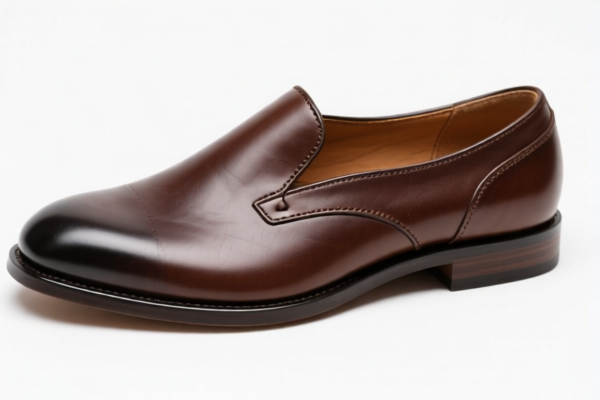
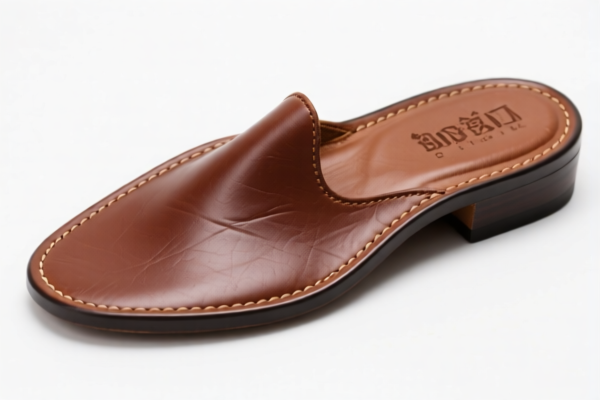
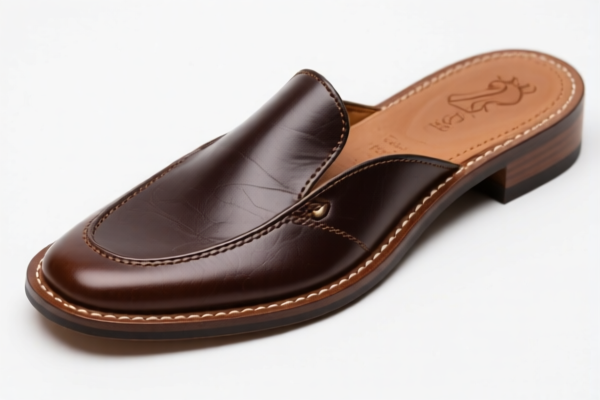
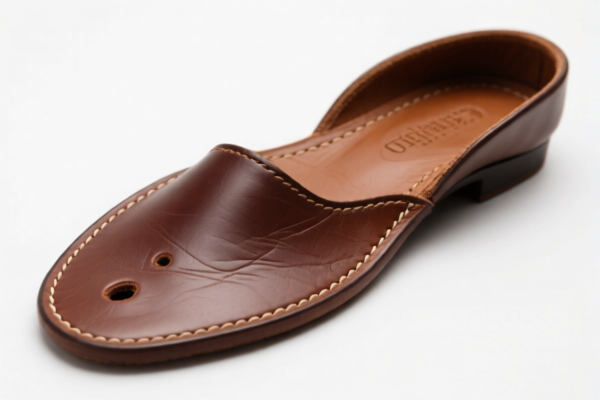
AI Analysis
🐎 Natural Horse Leather Shoe Sole (马皮鞋底)
🌐 HS Code Reference & Customs Clearance Guide | 2024 Latest Tariff Analysis | Professional Clearance Strategy
📌 I. Product Definition & Classification: What exactly is "Natural Horse Leather Shoe Sole"?
Horse leather shoe soles are high-end footwear components made from natural equine hide. In international trade, classification depends heavily on the state of processing (sole vs. raw leather) and usage (direct use vs. raw material). The data provided indicates four distinct classification paths based on these nuances.
⚠️ Key Distinction Points:
- 4104 Series: Generally refers to "Crust Leather" or "Finished Leather" specifically shaped or prepared for soles.
- 4107 Series: Refers to "Finished Leather" generally.
- 4115 Series: Refers to "Other Prepared Leather," often implying composite or mixed materials, which triggers significantly higher tariffs.
- Tariff Impact: Misclassification can lead to tax differences ranging from 13.3% to 35.0%.
📦 II. HS Code Classification Details (2024 Latest Tariff Authority Match)
| HS Code | Product Description (Based on Data) | Key Characteristics | Total Tax Rate |
|---|---|---|---|
4104.11.40.60 |
Horse Leather Sole, Material: Horse Skin, Use: Shoe Sole | Fits classification for "Other Leather Soles." | 15.0% |
4107.11.60.60 |
Horse Leather Sole, Material: Horse Leather | Form and use perfectly match definitions of horse leather and sole leather. | 13.3% |
4107.12.60.60 |
Horse Leather Sole, Material: Horse Leather | Use is specifically "Sole Leather," material and use are consistent. | 13.3% |
4115.10.00.00 |
Natural Horse Leather Sole Leather | Material: Natural Horse Leather. Form: Composite Leather attributes. Use: Basic raw material for leather goods. | 35.0% |
4104.41.40.10 |
Natural Horse Leather Sole Leather | Material: Horse Leather. Use: For Soles. Category: Sole Leather. | 15.0% |
🔍 Critical Reminder:
-4115.10.00.00is the most dangerous classification. It carries a 35.0% total tax rate due to "Composite Leather" attributes. Avoid this unless the product is genuinely a composite material intended as a general raw material, not a specific sole. -4107Series (13.3%) offers the lowest tariff but requires strict proof that the material is "Finished Leather" specifically for soles. -4104Series (15.0%) is a safe, standard classification for horse leather soles.
💰 III. 2024 Latest Tariff Rate Breakdown (Including Surcharges & Policy Add-ons)
✅ Applicable Country: United States (US)
✅ Origin: China (CN)
✅ Effective Date: Includes current 2024 tariffs with Section 301 and IEEPA add-ons.
🎯 1. 4107.11.60.60 & 4107.12.60.60 —— Horse Leather Sole Leather (Lowest Tax)
| Item | Detail |
|---|---|
| Base Tariff | 3.3% (Ad Valorem) |
| Section 301 Surcharge | 0.0% (No additional 25% tariff applied in this specific data set) |
| Section 122 Tariff | +10.0% |
| Total Tax Rate | 13.3% |
| Tax Calculation | CIF Value × 13.3% |
| Legal Basis | Base Rate (3.3%) + Section 122 (10%) |
📌 Explanation:
- This is the most cost-effective classification for horse leather soles if the material qualifies as "Finished Leather" under Chapter 41 Heading 4107. - The 10% Section 122 is a specific additional duty often applied to certain leather imports. - Note: The data explicitly states "Section 301 Surcharge: 0.0%," which is unusual for China-origin goods. This suggests specific exemptions or data-specific conditions apply.
🎯 2. 4104.11.40.60 & 4104.41.40.10 —— Natural Horse Leather Sole Leather (Mid-Tax)
| Item | Detail |
|---|---|
| Base Tariff | 5.0% (Ad Valorem) |
| Section 301 Surcharge | 0.0% |
| Section 122 Tariff | +10.0% |
| Total Tax Rate | 15.0% |
| Tax Calculation | CIF Value × 15.0% |
| Legal Basis | Base Rate (5.0%) + Section 122 (10%) |
📌 Explanation:
- Slightly higher than4107due to a higher base rate (5% vs 3.3%). - Still subject to the 10% Section 122 surcharge. - Suitable if the leather is classified under Heading 4104 (Crust/Finished Leather) rather than 4107.
🎯 3. 4115.10.00.00 —— Composite/Natural Horse Leather (Highest Tax - AVOID)
| Item | Detail |
|---|---|
| Base Tariff | 0.0% |
| Section 301 Surcharge | +25.0% |
| Section 122 Tariff | +10.0% |
| Total Tax Rate | 35.0% |
| Tax Calculation | CIF Value × 35.0% |
| Legal Basis | Section 301 (25%) + Section 122 (10%) |
📌 Warning:
- This classification triggers the maximum penalty. - Section 301 (25%) is the standard punitive tariff on Chinese leather goods. - Section 122 (10%) is added on top. - Why? The summary notes "Composite Leather attributes" and "Raw material for leather goods." If your product is a simple horse leather sole, DO NOT classify here unless you are selling it as a bulk composite sheet, not a finished sole component.
🛠️ IV. Customs Clearance Practical Advice (Real-World Pitfall Guide)
✅ 1. Required Documentation Checklist (Non-Negotiable)
| Document | Required | Description |
|---|---|---|
| ✅ Product Specification Sheet | ✔️ | Must clearly state: Material (100% Horse Leather), Use (Shoe Sole), Thickness, Finish. |
| ✅ Photo of Product | ✔️ | Clear images showing the texture of the horse leather and the sole shape. |
| ✅ Bill of Materials (BOM) | ✔️ | Proves no composite layers (if avoiding 4115). |
| ✅ Commercial Invoice | ✔️ | Must explicitly state "Horse Leather Shoe Sole" and correct HS Code. |
| ✅ Certificate of Origin | ✔️ | Essential for proving China origin to apply correct surcharges. |
✅ 2. Declaration Strategy (Key Tips)
🔥 “Material is King, Use is Queen!”
| Scenario | Correct HS Code | Wrong Classification | Consequence |
|---|---|---|---|
| Pure Horse Leather Sole | 4107.11.60.60 or 4107.12.60.60 |
4115.10.00.00 |
Save 21.7% (13.3% vs 35.0%) |
| Horse Leather Sole (Finished) | 4104.11.40.60 |
4115.10.00.00 |
Save 20.0% (15.0% vs 35.0%) |
| Composite Leather Sheet | 4115.10.00.00 |
4107.11.60.60 |
Risk Penalty if misdeclared |
📌 Note:
- The summary for4115.10.00.00mentions "Composite Leather attributes." If your product is 100% natural horse leather without composite backing, do not use this code. It invites scrutiny and higher taxes. - The summaries for4107codes emphasize "Form and use perfectly match... sole leather." Ensure your product is indeed cut/pressed into a sole shape or explicitly marketed as such.
🌍 V. Global Market Comparison (2024 Data)
| Country/Region | Recommended HS Code | Total Tax Rate | Key Requirement | Notes |
|---|---|---|---|---|
| 🇺🇸 USA | 4107.11.60.60 |
13.3% | Section 122 Declaration | Lowest tax for pure horse leather soles. |
| 🇨🇳 China | 4107.11.60.60 |
~5-13%* | CE/ROHS (if applicable) | *Varies by exact subheading and domestic policies. |
| 🇪🇺 EU | 4107.11.60.60 |
~6.5% + Anti-Dumping | REACH Compliance | EU has different tariff schedules; check local duty. |
| 🇬🇧 UK | 4107.11.60.60 |
~6.5% | UKCA Marking | Post-Brexit tariffs may differ from EU. |
📌 Conclusion:
- USA Market: The difference between4115(35%) and4107(13.3%) is massive. Precision in classification is critical. - Section 122 Tariff: Appears consistently across all codes in the provided data (10%). Ensure your broker is aware of this specific duty.
📌 VI. Common Errors & Pitfall Guide (Lessons Learned)
❌ Error 1: Classifying pure horse leather soles under 4115.10.00.00.
👉 Consequence: Paying 35% instead of 13.3%. Loss of 21.7% margin.
👉 Fix: Prove material is natural leather, not composite.
❌ Error 2: Ignoring the "Section 122" tariff.
👉 Consequence: Underpaying taxes by 10%. Leads to customs audits, penalties, and cargo delays.
👉 Fix: Ensure invoice and declaration include Section 122 compliance.
❌ Error 3: Using generic terms like "Leather" instead of "Horse Leather Sole."
👉 Consequence: Customs may reclassify to highest duty category.
👉 Fix: Use specific descriptions: "Finished Horse Leather Shoe Sole."
✅ Correct Approach:
"Finished Horse Leather Shoe Sole, 100% Natural Horse Hide, Used for Footwear Manufacturing, HS Code: 4107.11.60.60"
🎯 VII. Conclusion: Professional Declaration, Cost Savings, Efficiency!
🎯 Remember the Golden Rules:
🔹 "Check Material: Pure vs. Composite."
🔹 "Check Use: Sole vs. General Leather."
🔹 "Avoid 4115 unless Necessary."
🔹 "Always Account for Section 122 (10%)."
📌 Pro Tip:
If your horse leather soles are not from China, you may avoid the Section 122 and Section 301 surcharges, significantly reducing costs. Verify country of origin for optimal tariff planning.
📣 Immediate Action:
📞 Contact a licensed customs broker + Provide product photos + Request HS Code Pre-Ruling
🚀 Ensure 13.3% tax rate instead of 35.0%!
✨ Professional clearance starts with precise classification!
💼 Your bottom line depends on these percentages!
Customer Reviews
About HS Code Classification
The Harmonized System (HS) is an internationally standardized nomenclature developed by the World Customs Organization (WCO) to classify traded products. Over 200 countries use the HS system as the basis for customs tariffs, trade statistics, and import/export regulations.
Each HS code follows a hierarchical structure:
- Chapter (2 digits) — Broad category of goods (e.g., Chapter 84: Machinery and Mechanical Appliances)
- Heading (4 digits) — More specific grouping within the chapter
- Subheading (6 digits) — Internationally standardized breakdown, used by all WCO member countries
- National subdivisions (8-10 digits) — Country-specific extensions for further classification, such as US HTSUS 10-digit codes
Correct HS code classification is essential for smooth customs clearance, accurate duty payment, and compliance with trade regulations. Misclassification can lead to customs delays, overpayment of duties, or penalties.
When importing from CN to US, the applicable tariff rates may include:
- Most-Favored-Nation (MFN) rate — The standard duty rate applied to WTO members
- General rate — Applied to countries without trade agreements
- Trade remedy duties — Additional tariffs such as Section 301 (anti-dumping), Section 232 (national security), or countervailing duties
The information provided on this page is for reference purposes only. For official classification, please consult with your local customs authority or a licensed customs broker.