Natural Lynx Fur
CN → US| HS Code | Tariff Rate | Origin | Destination | Doc |
|---|---|---|---|---|
| 4301800220 | 17.5% | CN | US | Official Doc |
| 4103901190 | 17.5% | CN | US | Official Doc |
| 4103902000 | 20.8% | CN | US | Official Doc |
Product Images
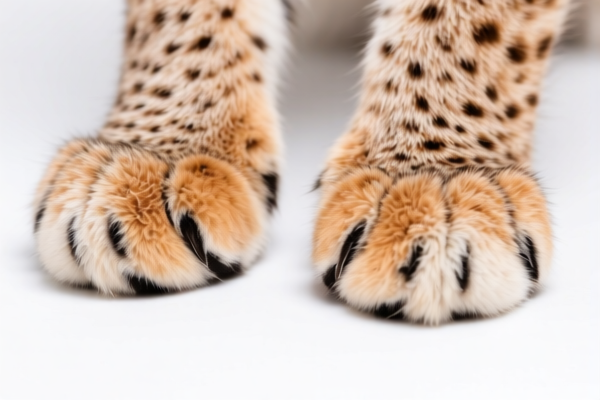
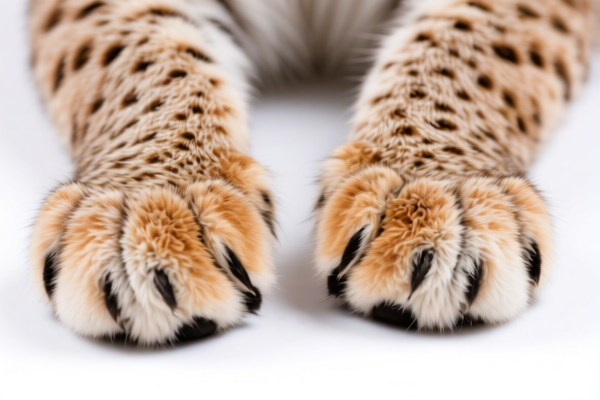
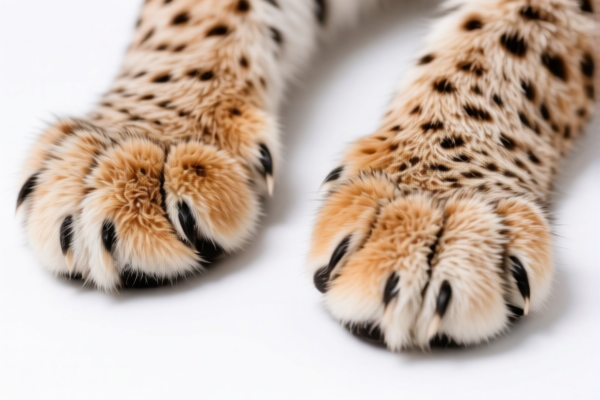
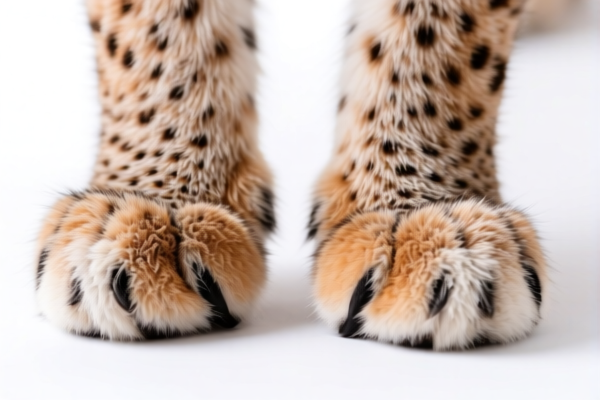
AI Analysis
🦁 Natural Lynx Fur (Raw Skins)
🌐 HS Code Reference & Customs Clearance Guide | 2026 Latest Tariff Breakdown | Professional Classification Strategy
📌 I. Product Definition & Classification: What Exactly is "Natural Lynx Fur"?
Lynx fur, sourced from the Lynx genus (including Eurasian Lynx, Bobcat, etc.), is a high-value luxury raw material used primarily in high-end fashion, trim, and accessories. In international trade, raw (uncured/unglazed) lynx skins are strictly regulated under Chapter 41 (Leather) or Chapter 43 (Fur), depending on the specific preparation status and matching attributes.
⚠️ Critical Distinction:
- "Raw" (生皮): Skins that have been salted or dried but not yet tanned. These often fall under Chapter 41 (Edible Offals/Leather) as "Other Raw Hides and Skins." - "Matched/Prepared" (匹配材质): If the skins are specifically matched for fur goods but remain raw, they may be classified under Chapter 43 (Fur, Raw). - Key Determinant: The exact physical state (wet-salted vs. dry) and whether they are "matched" for fur manufacturing.
📦 II. HS Code Classification Details (2026 Latest Tariff Authority)
Based on the provided data, three potential HS Codes apply to Raw Lynx Skins. Here is the precise breakdown:
| HS Code | Product Description | Classification Logic | Tax Rate |
|---|---|---|---|
4301.80.02.20 |
Raw Lynx Fur (Matched) | Matches material as Lynx Fur, Form: Raw Skin. Fits the specific subheading for matched fur skins under Chapter 43. | 17.5% |
4103.90.11.90 |
Raw Lynx Skin (Unglazed) | Matches material as Unglazed Raw Hide, Form: Raw Skin. Classified under "Other Raw Hides and Skins" in Chapter 41. | 17.5% |
4103.90.20.00 |
Raw Lynx Skin (General Unglazed) | Matches material as Unglazed Raw Skin. Fits general requirements for raw hides with no species conflict. | 20.8% |
🔍 Key Insight:
- Why the difference?
-4301.80.02.20and4103.90.11.90share the same total tax (17.5%) but differ in legal basis.
-4103.90.20.00has a higher total tax (20.8%) due to a higher Base Tariff (3.3% vs. 0%).
- Recommendation: If the skins are clearly identified as Lynx and matched for fur production,4301.80.02.20is the most accurate "Fur" classification. If documented strictly as "unglazed hide,"4103.90.11.90is preferable to4103.90.20.00for cost savings.
💰 III. 2026 Latest Tariff Rate Breakdown (Including Surcharges)
✅ Applicable Country: United States (US)
✅ Origin: China (CN)
✅ Effective Date: Post-November 10, 2025 (Current Trade Regime)
🎯 1. 4301.80.02.20 – Raw Lynx Fur (Matched)
| Item | Detail |
|---|---|
| Base Tariff | 0.0% |
| Section 301 Surcharge | +7.5% |
| Section 122 Tariff | +10.0% |
| Total Tax Rate | 17.5% |
| Calculation | CIF Value × 17.5% |
| De Minimis Exemption? | ❌ No (Deny De Minimis) |
| Legal Path | IEEPA:9903.01.24 → USITC:4301.80.02.20 → FOOTNOTE:9903.88.01 |
📌 Explanation:
- The 0% base tariff makes this classification attractive for raw fur.
- However, the Section 122 Tariff (10%) and Section 301 Surcharge (7.5%) are critical.
- Total Liability: 17.5% on the CIF value.
🎯 2. 4103.90.11.90 – Raw Lynx Skin (Unglazed)
| Item | Detail |
|---|---|
| Base Tariff | 0.0% |
| Section 301 Surcharge | +7.5% |
| Section 122 Tariff | +10.0% |
| Total Tax Rate | 17.5% |
| Calculation | CIF Value × 17.5% |
| De Minimis Exemption? | ❌ No (Deny De Minimis) |
| Legal Path | IEEPA:9903.01.24 → USITC:4103.90.11.90 → FOOTNOTE:9903.88.01 |
📌 Note:
- Identical tax structure to4301.80.02.20.
- Use this if customs documentation emphasizes "Unglazed Raw Hide" rather than "Fur Matched."
🎯 3. 4103.90.20.00 – Raw Lynx Skin (General)
| Item | Detail |
|---|---|
| Base Tariff | 3.3% |
| Section 301 Surcharge | +7.5% |
| Section 122 Tariff | +10.0% |
| Total Tax Rate | 20.8% |
| Calculation | CIF Value × 20.8% |
| De Minimis Exemption? | ❌ No (Deny De Minimis) |
| Legal Path | IEEPA:9903.01.24 → USITC:4103.90.20.00 → FOOTNOTE:9903.88.01 |
⚠️ Warning:
- This code incurs a 3.3% Base Tariff, making it 3.3% more expensive than the other two options.
- Only use this if the skin does not meet the "0% base tariff" criteria for specific raw hides.
🛠️ IV. Customs Clearance Operational Advice (Pitfall Avoidance)
✅ 1. Essential Documentation Checklist (Mandatory)
| Document | Required | Explanation |
|---|---|---|
| ✅ Species Declaration | ✔️ | Must explicitly state "Lynx" (Genus Lynx). Do not use generic "Fur" or "Wild Animal." |
| ✅ CITES Permit | ✔️ | Critical: Lynx is listed in CITES Appendix II/III depending on subspecies. No CITES permit = Seizure/Deportation. |
| ✅ Raw Skin Description | ✔️ | Clearly state: "Raw, Salted/Dried, Unglazed, Unworked." Do NOT say "Tanned" or "Dyed." |
| ✅ Commercial Invoice | ✔️ | Must match HS Code description exactly. |
| ✅ Packing List | ✔️ | Include skin count, weight, and dimensions. |
| ✅ Proof of Origin | ✔️ | Required for Section 301/122 tariff application. |
✅ 2. Declaration Strategy (Key Tips)
🔥 "Be Specific, Be Raw, Be CITES-Ready!"
| Scenario | Correct Declaration | Wrong Declaration |
|---|---|---|
| Raw Lynx Skins | "Raw Lynx Fur Skins, Unglazed, Matched for Fur Goods" | "Lynx Fur Coat" (Wrong category: Chapter 43 vs. 41) |
| Uncured Hides | "Raw Unglazed Lynx Hides, Salted" | "Processed Leather" (Triggers different tariffs & permits) |
| CITES Status | "CITES Appendix II, Permit #XYZ" | "No Permit Required" (False statement = Fraud) |
✅ 3. Special Considerations
| Situation | Recommendation |
|---|---|
| CITES Compliance | Verify Subspecies: Lynx lynx (Eurasian) vs. Lynx rufus (Bobcat). Different permits may apply. |
| Raw vs. Tanned | Ensure goods are NOT tanned. If any tanning process occurred, HS Code changes to Chapter 41 (Leather) or 43 (Fur, Worked) with different tariffs. |
| Matching/Sorting | If skins are "matched" for fur garments, use 4301.80.02.20 for clarity. If unsorted, 4103.90.11.90 may be safer. |
| High Tariff Impact | With 17.5–20.8% total tax, factor this into FOB/CIF pricing. |
🌍 V. Global Market Comparison (2026 Latest)
| Market | Recommended HS Code | Total Tariff | Key Requirement | Notes |
|---|---|---|---|---|
| 🇺🇸 USA | 4301.80.02.20 or 4103.90.11.90 |
17.5% | CITES Permit + Section 301/122 | High administrative burden. |
| 🇨🇳 China | 4302.10.00.00 (Worked) |
Varies | CITES Permit | Raw import may face different duties. |
| 🇪🇺 EU | 4301.10.00 (Raw Fur) |
0–5% | CITES & FMD Certificates | Stricter wildlife trafficking controls. |
| 🇬🇧 UK | 4301.10.00 |
0–5% | UK CITES License | Post-Brexit rules apply. |
📌 Conclusion:
- USA is the most tariff-heavy market for raw lynx fur due to Section 122 and 301 surcharges.
- CITES compliance is non-negotiable globally.
- HS Code accuracy is critical to avoid 3.3% base tariff penalties (4103.90.20.00).
📌 VI. Common Mistakes & Pitfalls (Lessons Learned)
❌ Mistake 1: Declaring as "Lynx Fur" without specifying "Raw/Unglazed"
👉 Consequence: Customs may assume it’s worked fur (higher base tariff) or reject it for lack of detail.
❌ Mistake 2: Failing to provide a CITES Permit
👉 Consequence: Immediate seizure, fines, and potential criminal charges.
❌ Mistake 3: Using 4103.90.20.00 when 4103.90.11.90 applies
👉 Consequence: Paying 3.3% extra in base tariffs unnecessarily.
❌ Mistake 4: Mislabeling as "Leather" for raw skins
👉 Consequence: Incorrect HS Code, delayed clearance, and potential misdeclaration penalties.
✅ Correct Practice:
"Raw Lynx Fur Skins, Unglazed, Salted, Matched for Fur Goods, CITES Appendix II, Permit #XYZ"
🎯 VII. Conclusion: Professional Clearance, Cost Control, Compliance
🎯 Remember the Key Points:
🔹 "Raw, Unglazed, CITES-Ready" – The golden triad for clearance.
🔹4301.80.02.20or4103.90.11.90– Target these for 17.5% total tax.
🔹 Avoid4103.90.20.00unless necessary, due to 20.8% total tax.
🔹 Section 122 (10%) + Section 301 (7.5%) – Non-negotiable US surcharges.
📌 Pro Tip:
- If your Lynx skins are exported from non-China origins (e.g., Canada, Russia), verify if Section 301/122 still applies.
- Apply for an Advance Ruling from CBP (US Customs) to confirm HS Code classification before shipment.
📣 Action Required:
📞 Consult a CITES Specialist + Verify Raw Status + Apply for Pre-Ruling
🚀 Ensure Smooth Clearance, Avoid Seizure, Optimize Tax Liability!
✨ Professional Clearance Starts with Accurate Classification!
💼 Every Percent in Tariff Matters – Get It Right!
Customer Reviews
About HS Code Classification
The Harmonized System (HS) is an internationally standardized nomenclature developed by the World Customs Organization (WCO) to classify traded products. Over 200 countries use the HS system as the basis for customs tariffs, trade statistics, and import/export regulations.
Each HS code follows a hierarchical structure:
- Chapter (2 digits) — Broad category of goods (e.g., Chapter 84: Machinery and Mechanical Appliances)
- Heading (4 digits) — More specific grouping within the chapter
- Subheading (6 digits) — Internationally standardized breakdown, used by all WCO member countries
- National subdivisions (8-10 digits) — Country-specific extensions for further classification, such as US HTSUS 10-digit codes
Correct HS code classification is essential for smooth customs clearance, accurate duty payment, and compliance with trade regulations. Misclassification can lead to customs delays, overpayment of duties, or penalties.
When importing from CN to US, the applicable tariff rates may include:
- Most-Favored-Nation (MFN) rate — The standard duty rate applied to WTO members
- General rate — Applied to countries without trade agreements
- Trade remedy duties — Additional tariffs such as Section 301 (anti-dumping), Section 232 (national security), or countervailing duties
The information provided on this page is for reference purposes only. For official classification, please consult with your local customs authority or a licensed customs broker.