Natural Polymer Antifreeze
CN → US| HS Code | Tariff Rate | Origin | Destination | Doc |
|---|---|---|---|---|
| 3820000000 | 24.0% | CN | US | Official Doc |
| 3913909000 | 0.0% | CN | US | Official Doc |
Product Images
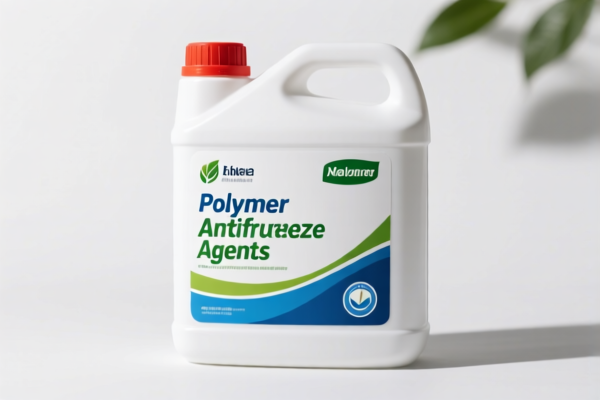
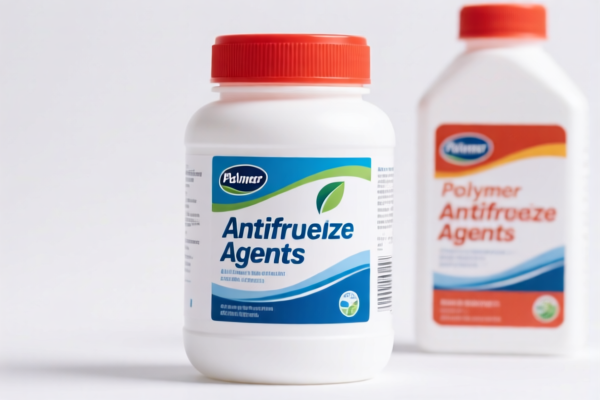


AI Analysis
❄️ Natural Polymer Antifreeze (Antifreezing Preparations)
🌐 HS Code Reference & Customs Clearance Guide | 2026 Latest Tariff Analysis | Professional Clearance Strategy
📌 Part 1: Product Definition & Classification: What Exactly Is "Natural Polymer Antifreeze"?
Antifreezing preparations and prepared deicing fluids are essential chemical additives used to lower the freezing point of liquids (typically water) in industrial, automotive, or construction applications. When described as containing "natural polymers," these are not raw natural substances but prepared mixtures or formulated chemicals designed for specific temperature protection.
In international trade, the key distinction lies in whether the product is a raw material or a finished/prepared preparation. The phrase "Prepared deicing fluids" and "Antifreezing preparations" explicitly points to Class 38 (Miscellaneous Chemical Products), not Class 11 (Natural Polymers like starch or glue) or Class 39 (Plastics).
⚠️ Critical Distinction:
- If the product is a pre-mixed, formulated solution ready for use (e.g., ready-to-use car coolant, industrial deicer with additive blends) → HS Code 3820.00.00.00.
- If the product is a raw, unmodified natural polymer (e.g., pure starch, raw chitosan) intended for further processing → Not covered in this specific dataset, but generally falls under Chapter 11, 13, or 39.
- If the product is a plastic article (e.g., antifreeze packaging, frozen gel packs made of solid plastic) → HS Code 3913.90.90.00 (as per the second item in your data).
📦 Part 2: HS Code Classification Details (2026 Latest Tariff Authority Comparison)
Based strictly on the provided <DATA>, here are the two relevant classifications:
| HS Code | Product Description | Application Scenario | Key Characteristic |
|---|---|---|---|
3820.00.00.00 |
Antifreezing preparations and prepared deicing fluids | Ready-to-use automotive coolant, industrial brine, runway deicer | ✅ Prepared/Mixed: Chemical formulation designed to prevent freezing. |
3913.90.90.00 |
Other articles of plastics, not elsewhere specified or included | Solid antifreeze packs, plastic containers for antifreeze, plastic gel sheets | ❌ Physical Article: A plastic object, not a liquid chemical preparation. |
🔍 Key Insight for "Natural Polymer" Products:
- If the "natural polymer" is dissolved or suspended in a solvent to create a liquid antifreeze fluid, it is classified as a Preparation → 3820.00.00.00.
- If the "natural polymer" is part of a solid plastic component (e.g., a reusable freezing gel made from modified plastic/polymer matrix), it is classified as a Plastic Article → 3913.90.90.00.
💰 Part 3: 2026 Latest Tariff Rate Details (Including Surcharges & Policy Add-ons)
✅ Note on Data Source: The provided
<DATA>contains specific tax details for3820.00.00.00but returns an Error for3913.90.90.00. The following analysis is based strictly on the provided data.
🎯 1. 3820.00.00.00 —— Antifreezing Preparations & Prepared Deicing Fluids
| Item | Content |
|---|---|
| Base Tariff | 6.5% (Ad Valorem) |
| Surcharges (Additional Tariff) | 7.5% |
| Total Tax Rate | 14.0% |
| Tax Calculation | CIF Value × 14.0% |
| Tax Detail Source | "Base Tariff: 6.5%, Additional Tariff: 7.5%" |
| Legal Basis | Section 301 Tariffs (China origin typically subject to additional duties) |
📌 Explanation:
- The 14.0% total rate is the standard for many chemical preparations from China to the US under current trade policies.
- This rate applies to liquid or semi-liquid prepared mixtures.
- "Natural polymer" does not exempt this from tariff; the classification is based on the function (antifreeze) and state (preparation), not the base ingredient's origin.
🎯 2. 3913.90.90.00 —— Other Articles of Plastics
| Item | Content |
|---|---|
| Base Tariff | Error |
| Surcharges | Error |
| Total Tax Rate | Error |
| Tax Detail Source | "Failed to retrieve tax information" |
| Legal Basis | N/A (Data Retrieval Failure) |
⚠️ Warning:
- The provided data does not contain valid tax information for HS Code3913.90.90.00.
- Do not assume this code is tax-free. Plastic articles often have base tariffs ranging from 0% to 5%, plus potential Section 301 surcharges (often 25% for China origin).
- Action Required: You must query a live tariff database (e.g., USITC HTS Search) for the current accurate rate for3913.90.90.00. Relying on "Error" could lead to severe underpayment penalties.
🛠️ Part 4: Customs Clearance Practical Advice (Battle-Tested Pitfall Guide)
✅ 1. Document Preparation Checklist (Non-Negotiable)
| Document | Mandatory? | Explanation |
|---|---|---|
| ✅ Formula/Composition Sheet | ✔️ | Crucial for 3820.00.00.00. Must show % of natural polymers, solvents, and additives. Proves it's a "preparation." |
| ✅ Material Safety Data Sheet (MSDS/SDS) | ✔️ | Required for all chemicals. Shows flash point, toxicity, and handling info. |
| ✅ Product Photos | ✔️ | Clear images of the product and label. Label must state "Antifreeze Preparation" or "Deicing Fluid." |
| ✅ Declaration of Non-Plastic Article | ✔️ | If classifying as 3820, explicitly declare it is not a plastic article (3913). |
| ✅ Commercial Invoice | ✔️ | Must clearly describe the goods as "Antifreezing Preparations" to match HS 3820. |
✅ 2. Classification Strategy (Key Mantra)
🔥 "Liquid Chemical = 3820 (14%) | Solid Plastic Part = 3913 (Check Rate) | Don't Mix Them!"
| Scenario | Correct HS Code | Risk if Misclassified |
|---|---|---|
| Liquid Antifreeze (e.g., green fluid in jug) | 3820.00.00.00 |
✅ Correct. Rate: 14%. |
| Solid Gel Antifreeze Packs (plastic shell) | 3913.90.90.00 |
⚠️ ERROR: If you use 3820, customs may reject it. If you use 3913 without verifying tax, you face unknown liability. |
| Natural Polymer Powder (raw material) | Not in Data | ❌ Cannot classify as 3820. Must use Chapter 11/13/39. |
📌 Critical Note:
- Do not declare "Natural Polymer Antifreeze" as a plastic article (3913) if it is a liquid fluid. This is a major red flag for customs brokers.
- Do not declare a solid plastic freezing pack as a chemical preparation (3820). This is also a misclassification.
✅ 3. Special Handling Tips
| Situation | Recommendation |
|---|---|
| "Natural Polymer" Marketing Term | In the commercial invoice, use the technical term "Antifreezing Preparation" rather than "Natural Polymer." "Natural Polymer" is vague and may trigger requests for Chapter 11/13 classification. |
| Origin: China | The 7.5% additional tariff on 3820.00.00.00 likely applies to Chinese origin. Ensure your Certificate of Origin is accurate. |
| Dual Use | If the product can be both a chemical and a plastic item (e.g., a frozen gel pad), classify based on the principal component. If the gel is inside a plastic bag, the plastic bag might be classified separately (Chapter 39) or the whole item as a plastic article. |
| Data Gap for 3913 | Immediately consult a customs broker for the current rate for 3913.90.90.00. Do not proceed with clearance using "Error" as the tax rate. |
🌍 Part 5: Global Market Comparison (2026 Context)
| Country/Region | Recommended HS Code | Estimated Tariff | Notes |
|---|---|---|---|
| 🇺🇸 USA | 3820.00.00.00 |
14.0% | Based on provided data (Base 6.5% + Add 7.5%). |
| 🇺🇸 USA | 3913.90.90.00 |
Unknown (Error) | Must verify. Likely Base + 25% (if China origin). |
| 🇪🇺 EU | 3824.99.99 (Similar) |
~3.5% - 6% | EU classification may differ; check EU TARIC. |
| 🇨🇳 China | 3824.99.99 |
~5.5% | Import into China may have different rates. |
📌 Conclusion:
- For USA imports, the 14.0% rate on3820.00.00.00is a significant cost factor.
- The data gap for3913.90.90.00is a high-risk area. Never assume zero tax for plastic articles.
📌 Part 6: Common Mistakes & Pitfall Guide (Lessons from the Field)
❌ Mistake 1: Declaring "Natural Polymer Antifreeze" as 3913.90.90.00 because it contains "polymers."
👉 Consequence: If it's a liquid fluid, customs will reclassify it to 3820, assess 14%, and charge back-taxes + penalties.
❌ Mistake 2: Using the "Error" tax rate for 3913.90.90.00 and declaring $0 tax.
👉 Consequence: Severe underpayment. Plastic articles from China often face 25% Section 301 tariffs. You could owe 25%+ in back taxes.
❌ Mistake 3: Labeling a solid plastic gel pack as "Liquid Antifreeze."
👉 Consequence: SDMS (Safety Data) mismatch. Customs will seize the shipment for misdescription of hazardous/non-hazardous status.
✅ Correct Practice:
For Liquid Fluid:
"Chemical Antifreezing Preparation, Ready-to-Use, Contains Natural Polymers, Non-Hazardous, Model XYZ, HS Code 3820.00.00.00"For Solid Plastic Item:
"Reusable Freezing Gel Pack, Plastic Shell, HS Code 3913.90.90.00 [Verify Current Tax Rate Before Shipment]"
🎯 Part 7: Conclusion: Precision in Classification, Security in Clearance
🎯 Remember the Mantra:
🔹 "Liquid = 3820 (14% Total) | Solid Plastic = 3913 (Check Rate!) | Never Assume Zero!"
🔹 "Data Error for 3913 is a Red Flag. Verify Before You Ship."
📌 Pro Tip:
If your product is a novel natural polymer-based antifreeze, consider applying for an Advance Ruling (Pre-classification) from U.S. Customs and Border Protection (CBP). This protects you from retrospective audits and ensures the 14.0% rate is definitively correct for your specific formulation.
📣 Immediate Action:
📞 Contact Customs Broker: Provide the full chemical formula.
🚀 For 3913.90.90.00: Do not proceed with clearance until you retrieve the actual tax rate from the USITC database. The "Error" in your data is a critical gap that must be filled to avoid financial loss.
✨ Professional Clearance Starts with Accurate Data!
💼 Your 14.0% vs. Unknown Rate: Know the Difference, Save the Margin!
Customer Reviews
About HS Code Classification
The Harmonized System (HS) is an internationally standardized nomenclature developed by the World Customs Organization (WCO) to classify traded products. Over 200 countries use the HS system as the basis for customs tariffs, trade statistics, and import/export regulations.
Each HS code follows a hierarchical structure:
- Chapter (2 digits) — Broad category of goods (e.g., Chapter 84: Machinery and Mechanical Appliances)
- Heading (4 digits) — More specific grouping within the chapter
- Subheading (6 digits) — Internationally standardized breakdown, used by all WCO member countries
- National subdivisions (8-10 digits) — Country-specific extensions for further classification, such as US HTSUS 10-digit codes
Correct HS code classification is essential for smooth customs clearance, accurate duty payment, and compliance with trade regulations. Misclassification can lead to customs delays, overpayment of duties, or penalties.
When importing from CN to US, the applicable tariff rates may include:
- Most-Favored-Nation (MFN) rate — The standard duty rate applied to WTO members
- General rate — Applied to countries without trade agreements
- Trade remedy duties — Additional tariffs such as Section 301 (anti-dumping), Section 232 (national security), or countervailing duties
The information provided on this page is for reference purposes only. For official classification, please consult with your local customs authority or a licensed customs broker.