Natural Polymer Based Moisturizing Ingredient
CN → US| HS Code | Tariff Rate | Origin | Destination | Doc |
|---|---|---|---|---|
| 1302320020 | 17.5% | CN | US | Official Doc |
| 1302390090 | 20.7% | CN | US | Official Doc |
| 3506105000 | 37.1% | CN | US | Official Doc |
| 3913902090 | 40.8% | CN | US | Official Doc |
| 3506990000 | 37.1% | CN | US | Official Doc |
Product Images


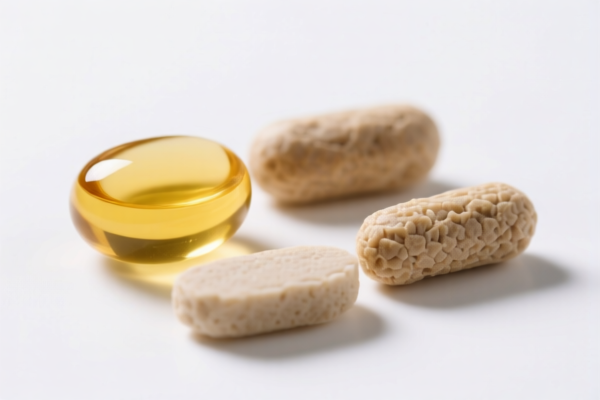
AI Analysis
Based on the data provided in your <DATA> section, here is the professional classification guide for Natural Polymer Based Moisturizing Ingredients, formatted as a Wiki-style entry with actionable customs clearance strategies.
🧪 Natural Polymer Based Moisturizing Ingredient (Global Customs & HS Code Guide)
🌐 International Trade Classification | 2024 Tax Analysis | Professional Clearance Strategy
📌 Product Focus: Natural Polymer Moisturizers (Plant-based Polysaccharides/Polymers)
🎯 Target Market: USA (Implied by specific 122 Section/Section 301 tax structures)
🔍 Status: No Material Conflict across all listed classifications.
📦 One: Product Definition & Classification Logic
Natural Polymer Based Moisturizing Ingredients are bio-derived substances used to retain moisture in cosmetics, pharmaceuticals, and food applications. Chemically, they are typically polysaccharides (like Guar, Xanthan, Hyaluronic acid derivatives) or natural mucilages.
In international trade, these ingredients are classified based on their chemical processing level: 1. Raw Plant Extracts/Gums: Classified under Chapter 13 (Vegetable Saps, Resins, and Pectins). 2. Prepared Adhesives/Pastes: If processed into specific paste forms with other agents, they may fall under Chapter 35 (Albuminoidal substances; modified starches; glues). 3. Polymeric Resins: If heavily modified or classified as synthetic-like natural polymers, they may fall under Chapter 39 (Plastics).
⚠️ Critical Distinction:
- Is it a raw plant gum? → HS 1302 (Lowest Tax).
- Is it a prepared adhesive/paste? → HS 3506.
- Is it a resin/polymer? → HS 3913.
📊 Two: Detailed HS Code Classification Matrix (2024 Data)
Based on the provided dataset, here are the 5 valid classification paths with their corresponding tax implications.
| HS Code | Category Type | Key Characteristics | Tax Strategy Insight |
|---|---|---|---|
1302.32.00.20 |
Vegetable Glues & Thickeners | Specific plant gums (e.g., Guar). | ✅ Most Competitive (17.5% Total) |
1302.39.00.90 |
Other Vegetable Products | General mucilage/thickener (Dedicated "Other" clause). | 🟡 Moderate Tax (20.7% Total) |
3506.10.50.00 |
Glues & Adhesives (Specific) | Polymers classified as "prepared glues." | 🔴 High Tax (37.1% Total) |
3913.90.20.90 |
Natural Polymers (Plastics) | Resins/Polyesters derived from plants. | 🔴 Highest Tax (40.8% Total) |
3506.99.00.00 |
Other Glues/Prepared Adhesives | "Residual" glue category for complex polymers. | 🔴 High Tax (37.1% Total) |
💰 Three: 2024 US Tariff Rate Breakdown (Detailed Tax Analysis)
All rates below include: Base Tariff + Section 301 Add-on (US-China) + Section 122 (Section 232/301 specific).
🎯 Option A: The "Low-Tax" Route (1302.32.00.20)
Best for: Raw Guar Gum, Xanthan Gum, or specific plant exudates.
| Component | Rate | Legal Basis / Logic |
|---|---|---|
| Base Tariff | 0.0% |
Standard duty for specific vegetable gums. |
| Section 301 (Add-on) | 7.5% |
US-China trade war specific surcharge. |
| Section 122 Clause | 10.0% |
Additional penalty/counter-measure tax. |
| 🚀 TOTAL TAX | 17.5% | Lowest cost entry point. |
💡 Why choose this?
If your ingredient is a standard, unmodified plant gum, this is the optimal economic path. The 0% base rate significantly lowers the total burden.
🎯 Option B: The "Other" Plant Category (1302.39.00.90)
Best for: Less common plant mucilages or specific botanical thickeners.
| Component | Rate | Legal Basis / Logic |
|---|---|---|
| Base Tariff | 3.2% |
Standard duty for "Other" vegetable products. |
| Section 301 (Add-on) | 7.5% |
US-China trade war specific surcharge. |
| Section 122 Clause | 10.0% |
Additional penalty/counter-measure tax. |
| 🚀 TOTAL TAX | 20.7% | Moderate cost. |
💡 Why choose this?
Use this if the specific gum doesn't fit the strict definition of1302.32(e.g., a unique regional plant extract).
🎯 Option C: The "Chemical/Glue" Route (3506.10.50.00)
Best for: Highly processed polymers treated as industrial adhesives.
| Component | Rate | Legal Basis / Logic |
|---|---|---|
| Base Tariff | 2.1% |
Low base for prepared adhesives. |
| Section 301 (Add-on) | 25.0% |
High surcharge typical for chemical/glue sectors. |
| Section 122 Clause | 10.0% |
Additional penalty/counter-measure tax. |
| 🚀 TOTAL TAX | 37.1% | High cost. |
💡 Risk: The 25% Section 301 add-on makes this route significantly more expensive than Chapter 13. Only use if the chemical structure is legally defined as a "prepared glue."
🎯 Option D: The "Polymer/Plastic" Route (3913.90.20.90)
Best for: Natural resins classified under plastic chapters.
| Component | Rate | Legal Basis / Logic |
|---|---|---|
| Base Tariff | 5.8% |
Standard duty for natural polymers. |
| Section 301 (Add-on) | 25.0% |
High surcharge (Plastics/Chemicals). |
| Section 122 Clause | 10.0% |
Additional penalty/counter-measure tax. |
| 🚀 TOTAL TAX | 40.8% | Highest cost. |
💡 Risk: This is the most expensive classification. It treats the natural polymer as a synthetic-like plastic, attracting the highest punitive tariffs.
🛠️ Four: Customs Clearance & Strategic Recommendations
✅ 1. Material Documentation Checklist
To ensure the correct classification (preferably 1302), you must provide:
* ✅ Chemical Structure Report (CAS Number): Must clearly show natural origin (e.g., "Galactomannan" for Guar).
* ✅ Processing Description: Proof that the product is not chemically modified into a resin or synthetic glue.
* ✅ Formula Composition: 100% Natural Polymer or percentage of additives (if >5%, classification may shift to 3506 or 3913).
* ✅ Supplier Certificate: "Vegetable Origin Certificate" to support Chapter 13 claims.
✅ 2. Strategic Declaration Tips (The "Golden Rule")
🔥 "Keep it Plant, Keep it Natural, Avoid the 25% Tax!"
| Scenario | Recommended HS Code | Action |
|---|---|---|
| Raw Plant Gum | 1302.32.00.20 |
DO THIS. Claim as "Vegetable Gum/Thickener." Lowest tax (17.5%). |
| Unique Plant Extract | 1302.39.00.90 |
GOOD. Claim as "Other Vegetable Mucilage." Moderate tax (20.7%). |
| Heavily Modified Polymer | 3506.10.50.00 |
AVOID IF POSSIBLE. Only declare if legally required. Tax jumps to 37.1%. |
| Resin-like Natural Polymer | 3913.90.20.90 |
AVOID. Highest tax (40.8%). Only if product is physically a "resin." |
✅ 3. Common Pitfalls & Avoidance
- ❌ Pitfall: Calling the product "Hydrocolloid" without specifying "Vegetable."
- Result: Customs may guess a synthetic origin → Force
3506or3913classification. - Fix: Explicitly state "Plant-Derived Guar/Xanthan/Hyaluronic Acid" in the commercial invoice.
- Result: Customs may guess a synthetic origin → Force
- ❌ Pitfall: Mixing natural polymers with synthetic glues.
- Result: "Mixed" products often fall into the higher tax "Glue/Adhesive" chapter (
3506) to avoid the low tax1302. - Fix: Ensure the product is 100% natural or clearly separates natural vs. synthetic components in documentation.
- Result: "Mixed" products often fall into the higher tax "Glue/Adhesive" chapter (
🌍 Five: Cost Impact Comparison (Summary)
| Classification | Base Rate | Section 301 | Section 122 | Total Tax | Verdict |
|---|---|---|---|---|---|
1302.32.00.20 |
0.0% | 7.5% | 10.0% | 17.5% | 🏆 Best Choice |
1302.39.00.90 |
3.2% | 7.5% | 10.0% | 20.7% | 🥈 Good Choice |
3506.10.50.00 |
2.1% | 25.0% | 10.0% | 37.1% | 🥉 Avoid (High Cost) |
3506.99.00.00 |
2.1% | 25.0% | 10.0% | 37.1% | 🥉 Avoid (High Cost) |
3913.90.20.90 |
5.8% | 25.0% | 10.0% | 40.8% | ❌ Worst Choice |
📌 Six: Final Conclusion
For Natural Polymer Based Moisturizing Ingredients, the customs strategy is simple: Maximize the "Vegetable" classification.
- Primary Strategy: Declare under
1302.32.00.20(or1302.39.00.90if1302.32doesn't strictly fit). This caps your total tax at ~17.5%. - Secondary Strategy: If the product is chemically modified into an adhesive, you will face 37.1% tax.
- Avoidance: Do not classify as a "Plastic/Resin" (
3913) unless legally necessary, as this triggers the highest tax burden (40.8%).
🚀 Pro Tip: Provide a Certificate of Analysis (CoA) highlighting the "Plant Source" and "Unmodified Chemical Structure" to prevent Customs from reclassifying the product into the higher-tax adhesive (Chapter 35) or plastic (Chapter 39) categories.
Disclaimer: This guide is based on the provided data. Tariff rates and regulations change frequently. Always consult a licensed Customs Broker before final shipment.
Customer Reviews
About HS Code Classification
The Harmonized System (HS) is an internationally standardized nomenclature developed by the World Customs Organization (WCO) to classify traded products. Over 200 countries use the HS system as the basis for customs tariffs, trade statistics, and import/export regulations.
Each HS code follows a hierarchical structure:
- Chapter (2 digits) — Broad category of goods (e.g., Chapter 84: Machinery and Mechanical Appliances)
- Heading (4 digits) — More specific grouping within the chapter
- Subheading (6 digits) — Internationally standardized breakdown, used by all WCO member countries
- National subdivisions (8-10 digits) — Country-specific extensions for further classification, such as US HTSUS 10-digit codes
Correct HS code classification is essential for smooth customs clearance, accurate duty payment, and compliance with trade regulations. Misclassification can lead to customs delays, overpayment of duties, or penalties.
When importing from CN to US, the applicable tariff rates may include:
- Most-Favored-Nation (MFN) rate — The standard duty rate applied to WTO members
- General rate — Applied to countries without trade agreements
- Trade remedy duties — Additional tariffs such as Section 301 (anti-dumping), Section 232 (national security), or countervailing duties
The information provided on this page is for reference purposes only. For official classification, please consult with your local customs authority or a licensed customs broker.