Natural Rattan Cushion
CN → US| HS Code | Tariff Rate | Origin | Destination | Doc |
|---|---|---|---|---|
| 4602123500 | 10.0% | CN | US | Official Doc |
| 5705002090 | 38.3% | CN | US | Official Doc |
| 5705001000 | 35.0% | CN | US | Official Doc |
| 4602124500 | 41.6% | CN | US | Official Doc |
Product Images
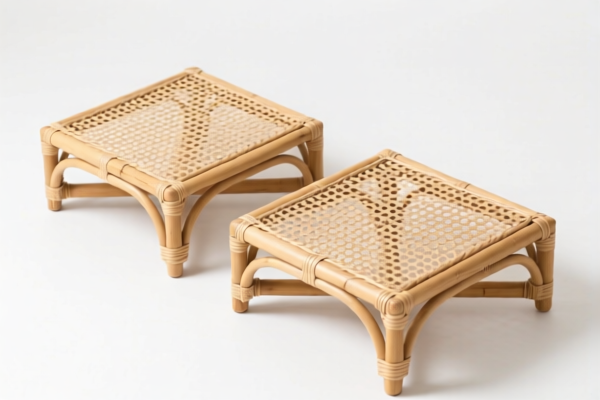
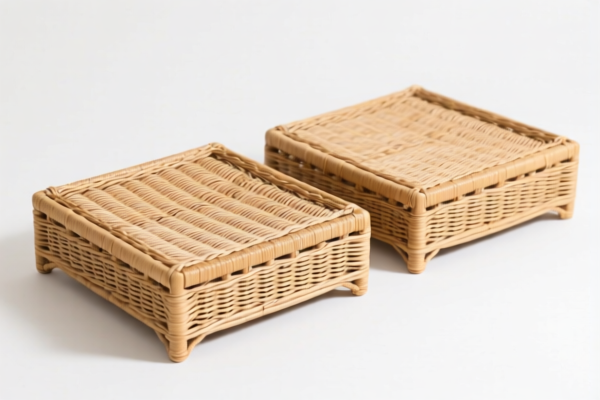
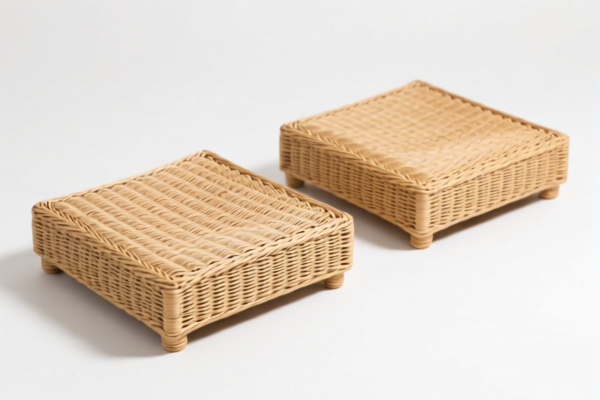
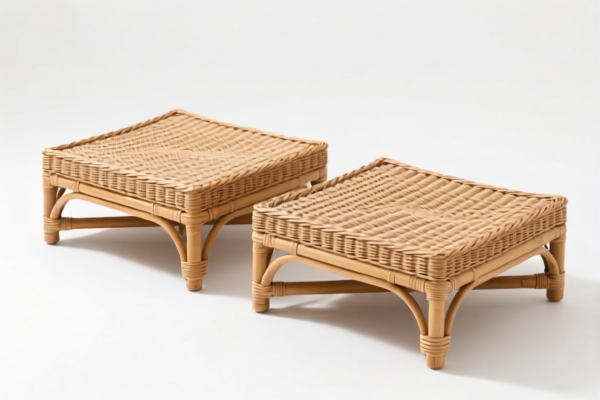
AI Analysis
🎋 Natural Rattan Cushion: HS Code Classification & U.S. Customs Strategy (2026 Edition)
🌐 HS Code Reference & Customs Clearance Guide | Latest Tariff Analysis | Professional Entry Strategy
📌 I. Product Definition & Classification: Do You Truly Understand "Natural Rattan Cushion"?
Natural Rattan Cushions, often used for outdoor furniture, patio seating, or decorative floor mats, fall into a complex intersection of Chapter 46 (Basketwork and Wickerwork) and Chapter 57 (Carpeting and Other Textile Floor Coverings). The core confusion lies in the material composition: * Is it a "Woven Article"? If the primary function is structural weaving using natural fibers (rattan/cane), it belongs to Chapter 46. * Is it a "Floor Covering"? If the primary function is covering a floor, regardless of material, customs may classify it as a textile floor covering under Chapter 57.
⚠️ Key Distinction Point:
- If the item is primarily structural wickerwork (e.g., a woven mat with no backing, or a cushion integrated into wicker furniture) →归入 4602.12.
- If the item is marketed/used specifically as a floor covering (e.g., a rug-like mat) → 归入 5705.00.
📦 II. HS Code Classification Details (2026 Latest Tariff对照)
Based on the provided dataset, here are the four potential classifications for "Natural Rattan Cushion" in the U.S. market. Note that despite the same product name, the HS Code drastically changes the tax burden.
| HS Code | Summary Description | Applicable Scenario | Total Tax Rate | Tax Breakdown Detail |
|---|---|---|---|---|
4602.12.35.00 |
Basketwork/Wickerwork: Natural Rattan Cushion classified as Woven Articles | Pure rattan weaving, structural mats, no textile backing | 10.0% | Base Tariff: 0.0% Section 301 (Additional): 0.0% Section 122 Tariff: 10% |
5705.00.20.90 |
Other Textile Floor Coverings: Natural Rattan Cushion classified as Flooring | Rattan mats used as floor rugs, with textile backing or treated as carpets | 38.3% | Base Tariff: 3.3% Section 301 (Additional): 25.0% Section 122 Tariff: 10% |
5705.00.10.00 |
Other Textile Floor Coverings: Natural Rattan Cushion classified as Other Flooring | General floor coverings, potentially lower-grade or different sub-category | 35.0% | Base Tariff: 0.0% Section 301 (Additional): 25.0% Section 122 Tariff: 10% |
4602.12.45.00 |
Basketwork/Wickerwork: Natural Rattan Cushion classified as Woven Articles | Similar to .35 but potentially different sub-classification within wickerwork | 41.6% | Base Tariff: 6.6% Section 301 (Additional): 25.0% Section 122 Tariff: 10% |
🔍 Critical Observation:
- The "Wicker" Category (4602.12.35.00) offers the lowest tax burden (10%) because it benefits from a 0% base tariff and 0% Section 301 tariff, paying only the 122 clause tariff.
- The "Floor Covering" Categories (5705.00) incur significantly higher costs (35.0% - 38.3%) due to the addition of the 25% Section 301 tariff and, in some cases, base duties.
- Misclassification Risk: Declaring a rattan mat as a "Cushion" or "Wicker" to get the 10% rate, when it is actually used as a "Floor Rug," can lead to audits and penalties.
💰 III. 2026 Latest Tariff Rate Breakdown (Including Surcharges)
✅ Applicable Country: United States (US)
✅ Origin: China (CN) (Assumed based on Section 301/122 context)
✅ Effective Time: Current regulations apply
🎯 1. 4602.12.35.00 —— The "Optimal" Path: Woven Article (Wickerwork)
| Item | Content |
|---|---|
| Base Tariff | 0% (Ad Valorem) |
| Section 301 Surcharge | 0% (Exempt for this specific sub-category under current dataset) |
| Section 122 Tariff | +10% |
| Total Effective Rate | 10.0% |
| Tax Calculation | CIF Value × 10% |
| De Minimis Eligibility | ❌ No (High tax rate usually excludes de minimis benefits for commercial imports) |
| Legal Basis Path | Chapter 46 (Wickerwork) → Heading 4602 → Subheading .35 → Section 122 Authority |
📌 Explanation:
- This classification treats the rattan cushion as a structural woven product, not a textile.
- The 0% Base Tariff is crucial. Unlike other rattan products, this specific subcode escapes the heavy Section 301 25% tariff.
- Only 122 Clause Tax applies: This is a specific trade remedy tax, but it is lower than the cumulative 301+Base burden.
🎯 2. 5705.00.20.90 —— The "Floor Covering" Path
| Item | Content |
|---|---|
| Base Tariff | 3.3% |
| Section 301 Surcharge | +25% |
| Section 122 Tariff | +10% |
| Total Effective Rate | 38.3% |
| Tax Calculation | CIF Value × 38.3% |
| De Minimis Eligibility | ❌ No |
| Legal Basis Path | Chapter 57 (Floor Coverings) → Heading 5705 → Subheading .20 → Section 301 & 122 |
📌 Explanation:
- If Customs determines the item is a floor rug, it falls under Chapter 57.
- 3.3% Base Tariff is added.
- 25% Section 301 is applied (standard for most Chinese imports under 5705).
- 10% Section 122 is also applied.
- Result: Nearly 4x the tax of the wicker classification.
🎯 3. 5705.00.10.00 & 4602.12.45.00 —— Alternative Paths
| Item | Content |
|---|---|
5705.00.10.00 Rate |
35.0% (0% Base + 25% 301 + 10% 122) |
4602.12.45.00 Rate |
41.6% (6.6% Base + 25% 301 + 10% 122) |
📌 Note:
-5705.00.10.00saves the 3.3% base tariff compared to.20, but still suffers the 25% Section 301 hit.
-4602.12.45.00is the most expensive option if classified under wicker, due to the 6.6% base tariff and 25% Section 301 surcharge. Avoid this unless forced by product specifics.
🛠️ IV. Customs Clearance Practical Advice (Avoiding Pitfalls)
✅ 1. Document Preparation Checklist
| Document | Required | Explanation |
|---|---|---|
| Product Photos | ✅ Must | Clear images showing the weaving technique, backing (if any), and final shape. |
| Technical Specification | ✅ Must | Detail material composition: "100% Natural Rattan," "No Textile Backing," or "Rattan on Jute." |
| Commercial Invoice | ✅ Must | Description must match HS Code intent: Use "Woven Rattan Mat" for 4602, not "Textile Rug." |
| Certificate of Origin | ✅ Recommended | To prove origin for Section 301/122 application. |
| Usage Declaration | ✅ Critical | Explicitly state: "Intended for use as outdoor furniture cushion/wicker accessory," NOT "Floor Rug." |
✅ 2. Classification Strategy (Key Mantra)
🔥 "Wicker Over Carpet, Structure Over Function, 10% vs 38%!"
| Scenario | Recommended HS Code | Reason |
|---|---|---|
| Pure Rattan Weave (No fabric backing, structural integrity) | 4602.12.35.00 |
Lowest Tax (10%). Fits "Basketwork" definition. |
| Rattan with Textile Backing (Looks like a rug) | 5705.00.20.90 or 5705.00.10.00 |
Higher tax (35-38%). Hard to avoid if backing is substantial. |
| Rattan Cushion for Chair (Soft, padded, woven) | 4602.12.35.00 |
Argue it is part of the wicker furniture accessory, not a standalone floor covering. |
| Thin Rattan Mat for Flooring | 5705.00.10.00 |
If used exclusively on floors, Customs may insist on Chapter 57. |
✅ 3. Special Handling Tips
| Situation | Advice |
|---|---|
| Mixed Materials | If the rattan is woven with synthetic fibers, it may fall out of Chapter 46. Keep material natural. |
| "Cushion" vs. "Mat" | In the invoice, avoid the word "Floor" if possible. Use "Patio Cushion," "Weave Accessory," or "Rattan Matting for Seating." |
| Section 122 Awareness | All listed codes include a 10% Section 122 tariff. This is non-negotiable for Chinese goods under current rules. Plan for this 10% floor cost. |
| Pre-Ruling | If the product is ambiguous (e.g., has a thin jute backing), file for an ACE Pre-Ruling to lock in the 4602.12.35.00 classification and avoid post-entry audits. |
🌍 V. Market Comparison (2026 Context)
| Destination | Recommended HS Code | Estimated Tax (China Origin) | Key Requirement |
|---|---|---|---|
| 🇺🇸 United States | 4602.12.35.00 |
10.0% | Proving "Wickerwork" nature; Section 122 applies. |
| 🇺🇸 United States | 5705.00.20.90 |
38.3% | If misclassified as floor covering. |
| 🇪🇺 EU | 4602.12 (General) |
Varies (typically 5-10%) | No Section 301/122 equivalent; focus on "Basketwork." |
| 🇨🇳 China (Import) | 4602.12 |
0-10% | Domestic consumption tax may apply. |
📌 Conclusion:
For the U.S. Market,4602.12.35.00is the Golden Key for Natural Rattan Cushions/Mats. It reduces the tariff from ~38% to 10%.
📌 VI. Common Mistakes & Pitfalls (Lessons Learned)
❌ Mistake 1: Using "Rattan Rug" or "Floor Mat" in the invoice description.
👉 Consequence: Customs will likely classify under 5705.00, applying the 25% Section 301 tariff → Tax jumps from 10% to 38.3%.
❌ Mistake 2: Ignoring the Section 122 Tariff.
👉 Consequence: Even with the optimal 4602.12.35.00 code, you must pay 10%. Underestimating this leads to cash flow issues.
❌ Mistake 3: Claiming "Textile Cushion" but using Rattan.
👉 Consequence: Contradictory description leads to inspection delays and potential re-classification penalties.
❌ Mistake 4: Overlooking the Backing.
👉 Consequence: If the rattan is glued to a heavy carpet backing, it is no longer "Wickerwork" but "Floor Covering." Remove or minimize backing to qualify for Chapter 46.
✅ Correct Practice:
"Natural Rattan Woven Seat Cushion, Outdoor Patio Use, No Textile Backing, Model: R-Cush-01"
Declare as: Basketwork Article (HS 4602.12.35.00)
🎯 VII. Conclusion: Precision Saves Money!
🎯 Remember the Mantra:
🔹 "Wicker Wins, 10% is the Goal."
🔹 "Avoid 'Floor' in the Description."
🔹 "Section 122 is 10%, No Way Around It."
📌 Pro Tip:
If your product has any textile backing, consult a customs broker immediately. You may need to prove that the rattan weaving is the essential character of the good to retain the lower Chapter 46 classification.
📣 Immediate Action:
📞 Contact your Customs Broker
📄 Submit Product Photos & Specs
🚀 Apply for HS Code Pre-Ruling for4602.12.35.00
✨ Professional Classification, Profit Protection!
💼 Every percentage point of tariff saved is pure profit!
Customer Reviews
About HS Code Classification
The Harmonized System (HS) is an internationally standardized nomenclature developed by the World Customs Organization (WCO) to classify traded products. Over 200 countries use the HS system as the basis for customs tariffs, trade statistics, and import/export regulations.
Each HS code follows a hierarchical structure:
- Chapter (2 digits) — Broad category of goods (e.g., Chapter 84: Machinery and Mechanical Appliances)
- Heading (4 digits) — More specific grouping within the chapter
- Subheading (6 digits) — Internationally standardized breakdown, used by all WCO member countries
- National subdivisions (8-10 digits) — Country-specific extensions for further classification, such as US HTSUS 10-digit codes
Correct HS code classification is essential for smooth customs clearance, accurate duty payment, and compliance with trade regulations. Misclassification can lead to customs delays, overpayment of duties, or penalties.
When importing from CN to US, the applicable tariff rates may include:
- Most-Favored-Nation (MFN) rate — The standard duty rate applied to WTO members
- General rate — Applied to countries without trade agreements
- Trade remedy duties — Additional tariffs such as Section 301 (anti-dumping), Section 232 (national security), or countervailing duties
The information provided on this page is for reference purposes only. For official classification, please consult with your local customs authority or a licensed customs broker.