Natural Rubber Corner Guard
CN → US| HS Code | Tariff Rate | Origin | Destination | Doc |
|---|---|---|---|---|
| 4016993000 | 35.0% | CN | US | Official Doc |
| 4016991000 | 20.8% | CN | US | Official Doc |
Product Images
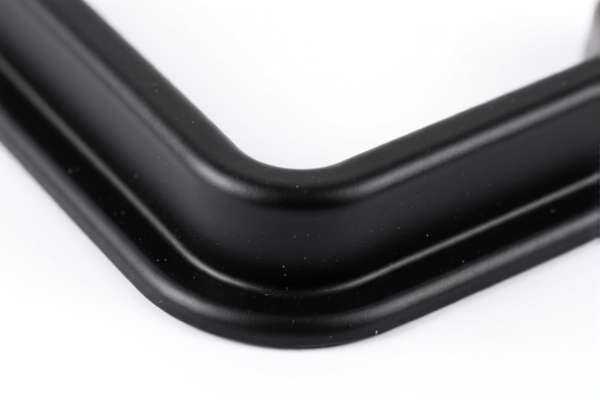
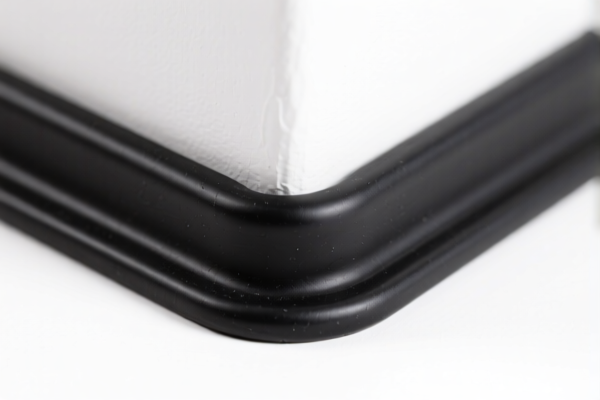
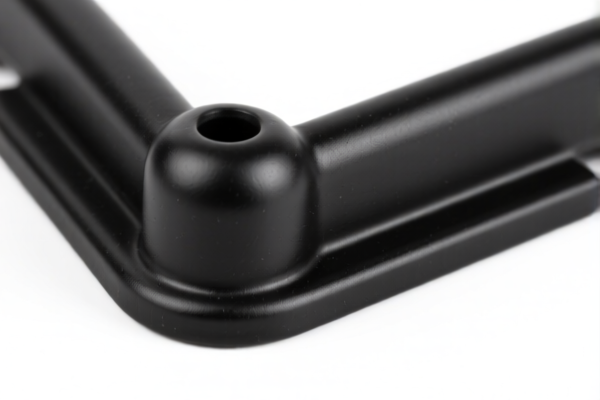
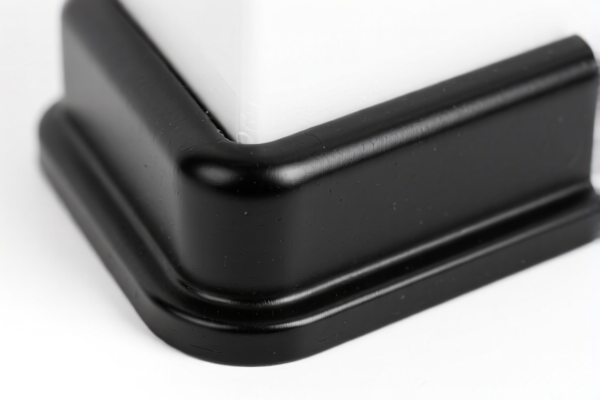
AI Analysis
🛡️ Natural Rubber Corner Guard (Vibration Control & Protective Goods)
🌐 HS Code Reference & Customs Clearance Guide | 2026 Latest Tariff Analysis | Professional Clearance Strategy
📌 I. Product Definition & Classification: What Exactly Is a "Corner Guard"?
Natural Rubber Corner Guards are essential protective components used in logistics, construction, and automotive industries to prevent damage at sharp edges. In international trade, their classification depends entirely on their specific function and intended use. They fall under Chapter 40 (Articles of Vulcanized Rubber Other Than Hard Rubber).
The two primary destinations for these goods are: 1. Automotive Vibration Control Goods: If designed specifically to absorb shock/vibration in vehicles (Headings 8701–8705). 2. General Purpose Handles/Knobs or Other Articles: If used as protective bumpers, handles, knobs, or general industrial guards not specified elsewhere.
⚠️ Key Distinction Point:
- If the corner guard is specifically shaped/functioned for vehicle suspension or vibration damping → Classify as Vibration Control Goods (4016.99.30.00).
- If it is a general protective pad, bumper, or handle/knob not for vehicle vibration control → Classify as Handles and Knobs or Other (4016.99.10.00or other subheadings based on exact description).
📦 II. HS Code Classification Details (2026 Latest Tariff Authority Comparison)
| HS Code | Product Description | Applicable Scenario | Tax Rate (China Origin to US) |
|---|---|---|---|
4016.99.30.00 |
Vibration control goods of a kind used in vehicles of headings 8701 through 8705 | Vehicle suspension bushings, engine mounts, specific automotive shock absorbers made of natural rubber. | 25.0% (Add. Tariff) |
4016.99.10.00 |
Handles and knobs | General industrial corner protectors, furniture bumpers, door stops, handles, or knobs made of vulcanized rubber (not specified elsewhere). | 0.0% (Base + Add. Tariff) |
🔍 Important Reminder:
-4016.99.30.00is a narrowly defined category for automotive vibration control. If your corner guard is for a forklift, truck, or car and serves a vibration-damping purpose, this is likely the correct code.
-4016.99.10.00covers handles and knobs. For general "corner guards" that are not automotive vibration parts, they often fall under "Other articles of vulcanized rubber" or "Handles/Knobs" depending on shape. Note: The provided data explicitly lists4016.99.10.00as "Handles and knobs" with 0% tax. If the corner guard functions as a protective pad/bumper, it may also fall under "Other" which might have different rates, but based strictly on the provided DATA,4016.99.10.00is the 0% option for "Handles/Knobs".
- Crucial: Do NOT misclassify a general rubber bumper as "Vibration Control" to avoid 25% tariff if it doesn't meet the specific automotive vibration definition. Conversely, do not classify a true automotive part as "Knob" to evade tariffs if it fails customs inspection.
💰 III. 2026 Latest Tariff Rate Details (Including Additional Taxes)
✅ Applicable Country: United States (US)
✅ Origin: China (CN)
✅ Effective Date: Post-2025 (Based on provided DATA)
🎯 1. 4016.99.30.00 —— Vibration Control Goods (Automotive)
| Item | Content |
|---|---|
| Base Tariff | 0.0% |
| Section 301 Additional Tariff | +25.0% |
| Total Effective Tariff | 25.0% |
| Tax Calculation | CIF Value × 25% |
| De Minimis Exemption | ❌ Not Eligible (Deny De Minimis for 301 goods) |
| Legal Basis | HTSUS 4016.99.30.00 + Section 301 Footnote |
📌 Explanation:
- This code is subject to the 25% Section 301 Additional Tariff.
- This is a high-cost classification. Importers must budget for this extra 25% cost on top of base duties (which are 0% here).
- Why? These are considered strategic or industrial components for vehicles (Headings 8701-8705).
🎯 2. 4016.99.10.00 —— Handles and Knobs
| Item | Content |
|---|---|
| Base Tariff | 0.0% |
| Section 301 Additional Tariff | 0.0% |
| Total Effective Tariff | 0.0% |
| Tax Calculation | CIF Value × 0% |
| De Minimis Exemption | ✅ Eligible (If value < $800 per person per day) |
| Legal Basis | HTSUS 4016.99.10.00 |
📌 Explanation:
- This code has ZERO tariff impact.
- Why? "Handles and Knobs" are not targeted under Section 301 for this specific subheading.
- Strategy: If your "Corner Guard" can be legitimately described as a protective knob, handle, or bumper (and not primarily a vibration dampener for vehicles), this classification offers significant cost savings.
🛠️ IV. Customs Clearance Practical Advice (Battle-Tested Pitfall Avoidance)
✅ 1. Preparation Checklist (Non-negotiable)
| Document | Required? | Explanation |
|---|---|---|
| ✅ Product Specification Sheet | ✔️ | Must detail material (Natural Rubber), hardness (Shore A), and intended use. |
| ✅ Technical Drawing | ✔️ | Show if the shape is for vibration damping (e.g., bushing shape) or protection (e.g., flat pad, bumper). |
| ✅ Product Photos | ✔️ | Clear images of the item installed or in packaging. Label should indicate "Corner Guard" or "Vibration Mount". |
| ✅ Commercial Invoice | ✔️ | Description must match HS Code logic. Avoid vague terms like "Rubber Part". Use "Natural Rubber Corner Guard" or "Vehicle Vibration Control Mount". |
| ✅ Material Declaration | ✔️ | Confirm "Vulcanized Rubber" and "Natural Rubber" content. |
✅ 2. Declaration Strategy (Key Mnemonic)
🔥 “Use Defines HS, Vibration = 25%, Protection = 0% (Maybe)!”
| Scenario | Correct Declaration | Wrong Practice | Consequence |
|---|---|---|---|
| Automotive Vibration Mount | 4016.99.30.00 |
Declare as "Rubber Bumper" | 25% Penalty + Audit Risk |
| General Furniture/Truck Bed Corner Protector | 4016.99.10.00 (if classified as knob/protective accessory) OR other "Other" |
Declare as "Vibration Control" | Unnecessary 25% Cost |
| OEM Part for Car | 4016.99.30.00 |
Declaring as "Handle" | Customs Rejection |
✅ 3. Special Case Handling
| Situation | Handling Advice |
|---|---|
| Is it a "Knob" or a "Guard"? | If it is a protective pad that sticks to a corner, it may not fit "Knob". It might fall under "Other" (4016.99.80). Check full tariff schedule for "Other" rates. The provided DATA only shows 10.00 for Handles/Knobs (0%) and 30.00 for Vibration (25%). |
| Mixed Container | Clearly separate "Vibration Control" from "General Rubber Goods" in the invoice to avoid cross-contamination of tariff rates. |
| Origin Marking | Must mark "Made in China" if applicable. |
🌍 V. Global Market Comparison (2026 Latest)
| Country/Region | Recommended HS Code (for Vibration) | Tax (China Origin) | Note |
|---|---|---|---|
| 🇺🇸 USA | 4016.99.30.00 |
25.0% | High cost due to Section 301. |
| 🇺🇸 USA | 4016.99.10.00 (if eligible) |
0.0% | Only if legally classifiable as Handles/Knobs. |
| 🇨🇳 China | 4016.99.30.00 |
~5-10% (Import Duty) | No Section 301. |
| 🇪🇺 EU | 4016.93.00 (General) |
Varies | EU does not have Section 301. |
📌 Conclusion:
- USA is the critical market for tariff optimization.
- 25% vs 0% is a massive difference.
- Ensure your product description and technical specs align with the intended use to justify the HS Code.
📌 VI. Common Errors & Pitfalls (Blood & Tears Lessons)
❌ Error 1: Calling a Vibration Mount a "Rubber Bumper" to get 0% tax.
👉 Result: Customs will inspect the technical spec, see it's for a vehicle, and reassess + 25% + penalties.
❌ Error 2: Calling a General Bumper a "Vibration Control" good.
👉 Result: Unnecessary 25% tax payment. You can likely save this by using a different "Other" subheading (if rate <25%).
❌ Error 3: Vague Description "Rubber Part".
👉 Result: Customs will assign the highest possible duty rate or demand clarification, causing delays.
✅ Correct Practice:
"Natural Rubber Corner Guard, Model X, for Industrial Shelving Protection" (if general)
"Vulcanized Rubber Vibration Mount, for Forklift Axle, Model Y" (if automotive)
🎯 VII. Conclusion: Precision Classification Saves Money!
🎯 Remember Mnemonic:
🔹 "Vibration in Cars = 25%, Handle/Knob = 0%, Vague Description = Penalty!"
🔹 "HS Code is King, Tax Rate is Queen, Declare Truthfully or Lose!"
📌 Pro Tip:
If your corner guard is not for vehicles, investigate if it fits under "Other articles of vulcanized rubber" (4016.99.80 or similar) in the full tariff book, as the provided DATA only lists 10.00 (Handles) and 30.00 (Vibration). Ensure you don't miss a 0% or low-rate "Other" category.
📣 Immediate Action:
📞 Consult a licensed customs broker to verify if your "Corner Guard" can be legally classified as "Handle/Knob" (0%) rather than "Vibration Control" (25%) based on its shape and use.
🚀 Clearance Success Starts with Accurate Classification!
Customer Reviews
About HS Code Classification
The Harmonized System (HS) is an internationally standardized nomenclature developed by the World Customs Organization (WCO) to classify traded products. Over 200 countries use the HS system as the basis for customs tariffs, trade statistics, and import/export regulations.
Each HS code follows a hierarchical structure:
- Chapter (2 digits) — Broad category of goods (e.g., Chapter 84: Machinery and Mechanical Appliances)
- Heading (4 digits) — More specific grouping within the chapter
- Subheading (6 digits) — Internationally standardized breakdown, used by all WCO member countries
- National subdivisions (8-10 digits) — Country-specific extensions for further classification, such as US HTSUS 10-digit codes
Correct HS code classification is essential for smooth customs clearance, accurate duty payment, and compliance with trade regulations. Misclassification can lead to customs delays, overpayment of duties, or penalties.
When importing from CN to US, the applicable tariff rates may include:
- Most-Favored-Nation (MFN) rate — The standard duty rate applied to WTO members
- General rate — Applied to countries without trade agreements
- Trade remedy duties — Additional tariffs such as Section 301 (anti-dumping), Section 232 (national security), or countervailing duties
The information provided on this page is for reference purposes only. For official classification, please consult with your local customs authority or a licensed customs broker.