Natural Rubber Electric Vehicle Tires
CN → US| HS Code | Tariff Rate | Origin | Destination | Doc |
|---|---|---|---|---|
| 4012206000 | 35.0% | CN | US | Official Doc |
| 4011101070 | 39.0% | CN | US | Official Doc |
| 4012208000 | 35.0% | CN | US | Official Doc |
| 4011101010 | 39.0% | CN | US | Official Doc |
| 4011105000 | 38.4% | CN | US | Official Doc |
Product Images
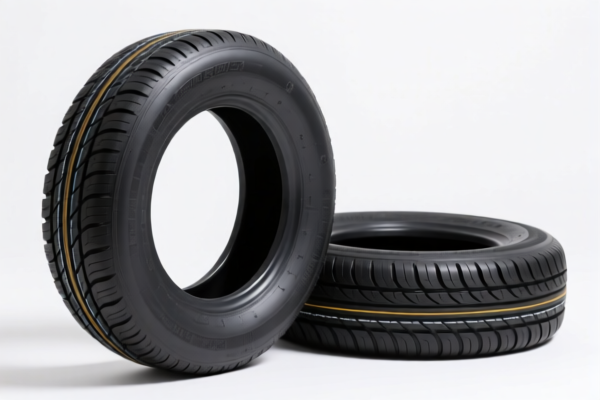
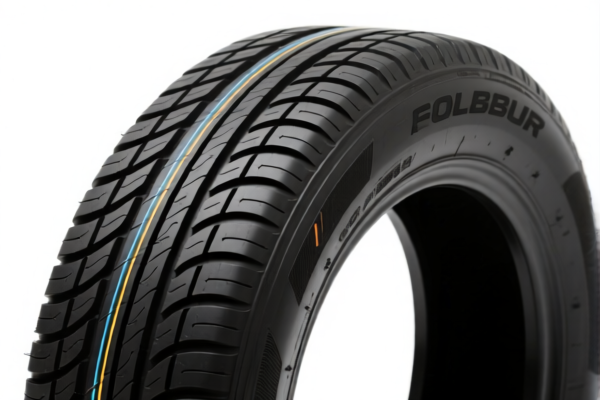
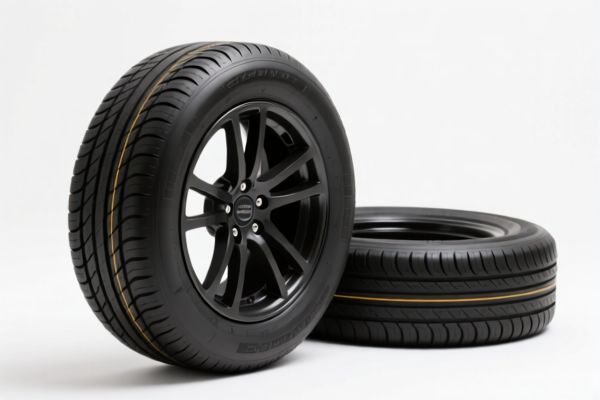
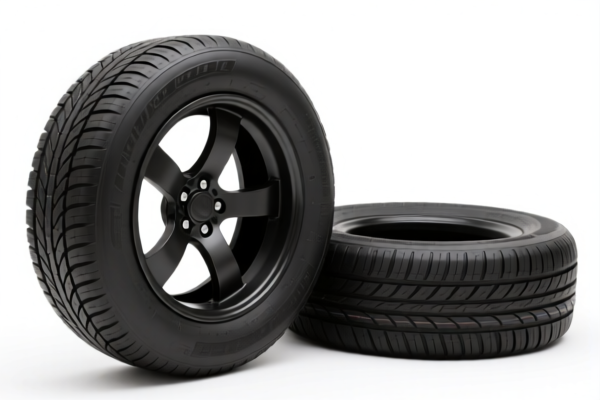
AI Analysis
🚗 Natural Rubber Electric Vehicle (EV) Tires
🌐 HS Code Reference & Customs Clearance Guide | 2026 Latest Tariff Analysis | Professional Entry Strategy
📌 I. Product Definition & Classification: Do You Really Understand "EV Tires"?
Natural rubber tires designed for Electric Vehicles (EVs) are a specialized category of pneumatic tires. In international trade, their classification hinges on two critical factors:
1. Vehicle Type: Specifically designated for Passenger Cars (HS Heading 4011) or Commercial/Heavy Vehicles (HS Heading 4012).
2. Condition: Whether they are New or Used (Re-treaded/Retreaded).
⚠️ Key Distinction:
- If the tires are Used (Second-hand) and intended for Passenger Vehicles: They often fall under 4011.10 or specific used tire subheadings depending on country rules.
- If the tires are Used and intended for Trucks/Buses: They fall under 4012.20.
- EV Specifics: While EVs require tires with higher load-bearing capacity and noise reduction, the HS Code itself rarely distinguishes "EV" explicitly. Instead, it categorizes by vehicle type and usage (new vs. used). The "EV" aspect is a functional descriptor, not a primary classifier in the HS system.
📦 II. HS Code Classification Details (Based on Provided Data)
| HS Code | Product Description | Application Scenario | Tax Rate (Total) | Tax Breakdown |
|---|---|---|---|---|
4012.20.60.00 |
Used Pneumatic Tires (Non-road/Commercial) | Used tires for trucks, buses, or heavy transport vehicles. | 35.0% | Base: 0% + Add-on: 25% + 122 Clause: 10% |
4011.10.10.70 |
Used Pneumatic Tires (Passenger Cars) | Used tires for passenger vehicles (Sedans, SUVs, EVs). | 39.0% | Base: 4.0% + Add-on: 25% + 122 Clause: 10% |
4012.20.80.00 |
Used Pneumatic Tires (Other) | Used tires for commercial vehicles, categorized as "Old/Used" pneumatic tires. | 35.0% | Base: 0% + Add-on: 25% + 122 Clause: 10% |
4011.10.10.10 |
Used Pneumatic Tires (Passenger Cars - Radial) | Used radial tires for passenger cars (EVs). | 39.0% | Base: 4.0% + Add-on: 25% + 122 Clause: 10% |
4011.10.50.00 |
Used Pneumatic Tires (Passenger Cars - Other) | Used tires for passenger vehicles, inferred as pneumatic, non-radial or mixed. | 38.4% | Base: 3.4% + Add-on: 25% + 122 Clause: 10% |
🔍 Critical Note:
- All codes above refer to "Used" (二手) Natural Rubber Tires.
- EVs are primarily classified under Passenger Car categories (4011.10) unless they are commercial EVs (e.g., electric trucks), which would fall under 4012.20.
- Radial vs. Non-Radial: Most modern EV tires are Radial (归入4011.10.10.xx). Non-radial are rare in EVs but possible.
💰 III. 2026 Latest Tariff Rate Breakdown (Including Surcharges & Policy Add-ons)
✅ Applicable Country: United States (US)
✅ Origin: China (CN)
✅ Effective Date: 2025-11-10 onwards (Including subsequent imports)
🎯 1. 4012.20.60.00 & 4012.20.80.00 —— Used Tires for Commercial Vehicles
| Item | Content |
|---|---|
| Base Duty Rate | 0% (Ad Valorem) |
| USITC Surcharge | +25% (Section 301 / USITC Footnote for used tires) |
| IEEPA Surcharge | +10% (Against Chinese products, effective 2025-11-10) |
| Total Tax Rate | 35.0% |
| Tax Calculation | CIF Value × 35% |
| De Minimis Exemption | ❌ Not Available (deny_de_minimis) |
| Legal Basis Path | IEEPA:9903.01.25 → USITC:4012.20.xx → FOOTNOTE:9903.88.01 |
📌 Explanation:
- Base 0%: Used tires often have low base duties due to environmental/recycling considerations in some contexts, but surcharges dominate.
- Total 35%: High effective rate due to combined Section 301 (25%) and IEEPA (10%) tariffs.
- Risk: Strict scrutiny on "Used" status to prevent smuggling of new tires as used.
🎯 2. 4011.10.10.70 & 4011.10.10.10 —— Used Radial Tires for Passenger Cars (EVs)
| Item | Content |
|---|---|
| Base Duty Rate | 4.0% |
| USITC Surcharge | +25% |
| IEEPA Surcharge | +10% |
| Total Tax Rate | 39.0% |
| Tax Calculation | CIF Value × 39.0% |
| De Minimis Exemption | ❌ Not Available |
| Legal Basis Path | IEEPA:9903.01.25 → USITC:4011.10.10.xx → FOOTNOTE:9903.88.01 |
📌 Explanation:
- Base 4%: Standard base duty for used passenger car tires.
- Total 39.0%: The highest rate in this dataset. EVs, being passenger vehicles, fall here.
- EV Context: Even if marketed as "EV-specific," the HS code does not change. The performance requirements (weight, noise) are commercial descriptors, not tariff classifiers.
🎯 3. 4011.10.50.00 —— Used Passenger Tires (Non-Radial/Mixed)
| Item | Content |
|---|---|
| Base Duty Rate | 3.4% |
| USITC Surcharge | +25% |
| IEEPA Surcharge | +10% |
| Total Tax Rate | 38.4% |
| Tax Calculation | CIF Value × 38.4% |
| De Minimis Exemption | ❌ Not Available |
| Legal Basis Path | IEEPA:9903.01.25 → USITC:4011.10.50.xx → FOOTNOTE:9903.88.01 |
📌 Note:
- Less common for EVs (which prefer radial for better handling and heat dissipation), but possible for older models or specific commercial EV vans.
- Slightly lower total rate due to a lower base duty (3.4% vs 4.0%).
🛠️ IV. Customs Clearance Practical Advice (Real-World Pitfall Avoidance)
✅ 1. Required Documentation Checklist (Non-Negotiable)
| Document | Required | Explanation |
|---|---|---|
| ✅ Product Specification Sheet | ✔️ | Must state: "Used Natural Rubber Pneumatic Tires," Size, Load Index, Speed Rating. |
| ✅ Condition Report / Photo | ✔️ | Critical: Must prove tires are Used. New tires disguised as used face severe penalties. |
| ✅ Commercial Invoice | ✔️ | Clearly state "Used" (e.g., "Used EV Tires, Model XYZ"). Do not write "New." |
| ✅ Packing List | ✔️ | Detail dimensions, weight, and number of tires. |
| ✅ Origin Certificate (CO) | ✔️ | If claiming preferential rates (not applicable here due to high tariffs), but essential for customs. |
| ✅ Environmental Compliance | ✔️ | Some states/countries require disposal/recycling fees for used tires. |
✅ 2. Declaration Tips (Key Mantra)
🔥 "Used Must Be Declared, EV Is Functional, Not Classification!"
| Scenario | Correct Declaration | Wrong Practice |
|---|---|---|
| Used EV Tires (Passenger) | 4011.10.10.10 or .70 |
Declaring as "New Tires" (4011.10.10.00) → 100%+ Risk |
| Used Commercial EV Tires | 4012.20.60.00 or .80.00 |
Declaring as Passenger Tires → Wrong Code, Delay |
| Mixed New & Used | Split Declaration | Packing new and used together → Confiscation/Fine |
| Tire Type | Specify "Radial" (径向) | Omitting type → Base Duty Ambiguity (3.4% vs 4.0%) |
✅ 3. Special Case Handling
| Scenario | Handling Advice |
|---|---|
| OEM Used EV Tires | Provide original invoice + proof of prior use (e.g., mileage record if available). |
| Recycled/Re-treaded | If re-treaded, may fall under 4012.10 (Re-treaded). Different tariff! Check if 4012.10 rates are lower. |
| EV-Specific Branding | Include brand name and model number. "EV Tires" is a marketing term; customs looks at vehicle class. |
| High Load Index | Note the load index (e.g., XL). EVs are heavier, so tires are often Extra Load. This doesn't change HS code but affects safety inspection. |
🌍 V. Global Market Clearance Comparison (2026 Latest)
| Country/Region | Recommended HS Code | Tariff (China Origin) | Certification | Remarks |
|---|---|---|---|---|
| 🇺🇸 USA | 4011.10.10.xx / 4012.20.xx |
35% - 39% | DOT, EPA (if applicable) | Highest Surcharge: 25% (301) + 10% (IEEPA) |
| 🇨🇳 China | 4011.10.10.xx |
~10-15% | CCC (if new), GB Standard | Used tires import restricted in some regions. |
| 🇪🇺 EU | 4011.10.10.xx |
0% - 4% | E-Mark, Labeling (Fuel/Efficiency) | Strict recycling fees (Producer Responsibility). |
| 🇯🇵 Japan | 4011.10.10.xx |
~10% | JATMA Standard | High inspection standards for used tires. |
| 🇦🇺 Australia | 4011.10.10.xx |
~5% | RCM, Tyre Labeling | Environmental disposal levies apply. |
📌 Conclusion:
- USA is the most challenging market due to the 35-39% effective tariff.
- EV tires do not get special tariff treatment. They are taxed as used passenger/commercial tires.
- Re-treaded tires (4012.10) might offer a different tariff profile; consult if applicable.
📌 VI. Common Errors & Pitfall Guide (Blood Lessons)
❌ Error 1: Declaring Used tires as New to avoid surcharges
👉 Consequence: Customs inspection will reveal wear patterns, tread depth issues → Penalty + Seizure.
❌ Error 2: Using "EV Tire" as the HS Code description
👉 Consequence: HS codes don't have "EV" subheadings. Must classify by vehicle type (Passenger vs. Commercial).
❌ Error 3: Ignoring the Radial distinction
👉 Consequence: Misclassification between 4011.10.10.xx (Radial) and 4011.10.50.xx (Non-radial) → 3.4% vs 4.0% Base Duty difference, plus potential audits.
❌ Error 4: Not proving Used status
👉 Consequence: Without proof, customs may apply New Tire tariffs (which can be 0% base + surcharges, but different rules) or reject entry.
✅ Correct Practice:
"Used Natural Rubber Pneumatic Tires, Radial, for Passenger Electric Vehicles, Model XYZ, Size 225/50R17, Load Index 94H, DOT Year 2018"
🎯 VII. Conclusion: Professional Declaration, Save Time, Reduce Costs!
🎯 Remember the Mantra:
🔹 "Used Tires = High Tariffs (35-39%)"
🔹 "EV = Passenger Car Class (4011)"
🔹 "Radial is Key for EVs"
🔹 "No De Minimis for Used Tires!"
📌 Pro Tip:
If you are importing Re-treaded Tires (Recapped), check HS 4012.10. The tariff structure may differ. For New EV Tires, the rates are different (Base 2.5-4% + 25% + 10% = ~38%). Used is often cheaper in base but still heavily taxed.
📣 Immediate Action:
📞 Contact a professional customs broker + Provide Photo Proof of Use + Apply for Advance Ruling if importing large volumes.
🚀 Ensure your Used EV Tires clear customs smoothly, avoid costly delays, and protect your margins!
✨ Professional Clearance Starts with Accurate Classification!
💼 Every cent of tariff matters in the used tire trade!
Customer Reviews
About HS Code Classification
The Harmonized System (HS) is an internationally standardized nomenclature developed by the World Customs Organization (WCO) to classify traded products. Over 200 countries use the HS system as the basis for customs tariffs, trade statistics, and import/export regulations.
Each HS code follows a hierarchical structure:
- Chapter (2 digits) — Broad category of goods (e.g., Chapter 84: Machinery and Mechanical Appliances)
- Heading (4 digits) — More specific grouping within the chapter
- Subheading (6 digits) — Internationally standardized breakdown, used by all WCO member countries
- National subdivisions (8-10 digits) — Country-specific extensions for further classification, such as US HTSUS 10-digit codes
Correct HS code classification is essential for smooth customs clearance, accurate duty payment, and compliance with trade regulations. Misclassification can lead to customs delays, overpayment of duties, or penalties.
When importing from CN to US, the applicable tariff rates may include:
- Most-Favored-Nation (MFN) rate — The standard duty rate applied to WTO members
- General rate — Applied to countries without trade agreements
- Trade remedy duties — Additional tariffs such as Section 301 (anti-dumping), Section 232 (national security), or countervailing duties
The information provided on this page is for reference purposes only. For official classification, please consult with your local customs authority or a licensed customs broker.