Natural Rubber Foam Material
CN → US| HS Code | Tariff Rate | Origin | Destination | Doc |
|---|---|---|---|---|
| 4005910000 | 35.0% | CN | US | Official Doc |
| 4008115000 | 38.3% | CN | US | Official Doc |
| 4008111000 | 35.0% | CN | US | Official Doc |
| 4005990000 | 35.0% | CN | US | Official Doc |
| 4008111000 | 35.0% | CN | US | Official Doc |
Product Images
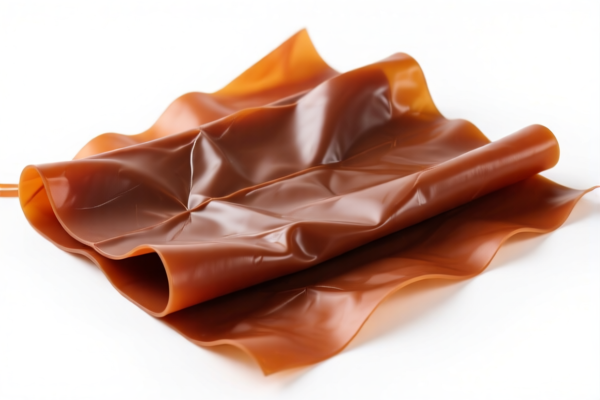

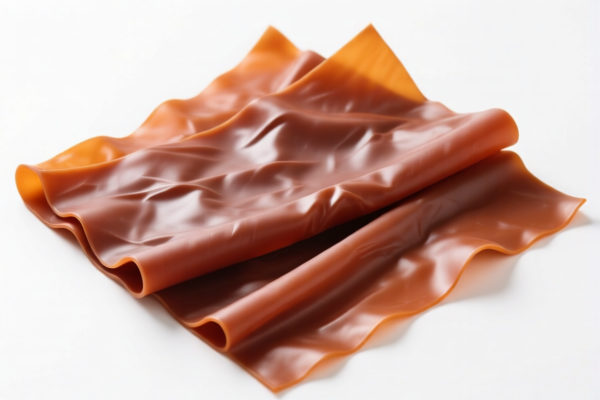
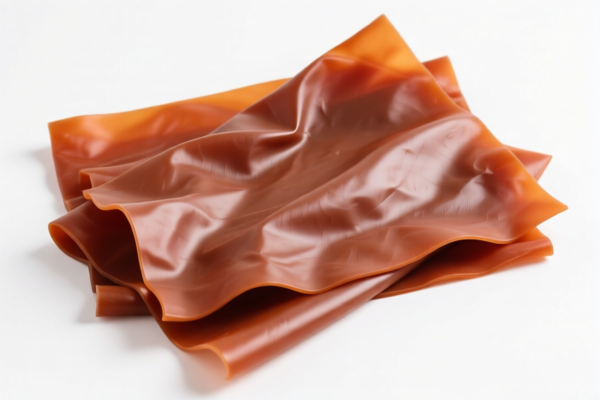
AI Analysis
🛢️ Natural Rubber Foam Materials (天然橡胶发泡材料)
🌐 HS Code Reference & Customs Clearance Guide | 2024/2025 Latest Tariff Analysis | Professional Customs Strategy
📌 I. Product Definition & Classification: Do You Really Understand "Natural Rubber Foam"?
Natural Rubber Foam Materials are versatile elastomeric products derived from latex or compounded rubber, characterized by a cellular structure that provides cushioning, insulation, and shock absorption. In international trade, precise classification depends heavily on the state of vulcanization and the physical form of the material. Misclassification is a common pitfall because similar-looking foam materials can fall under different legal codes with significantly different tax implications.
⚠️ Key Distinction Points:
- Form Factor: Is it raw sheets/strips (Chapter 40, Heading 4005) or processed foam blocks/plates (Chapter 40, Heading 4008)?
- Vulcanization State: Is it unvulcanized/mixed rubber (Heading 4005) or vulcanized foam (Heading 4008)?
- Material Composition: Pure natural rubber vs. compounded/synthetic blends.
📦 II. HS Code Classification Details (Based on Provided Data)
Based on the provided dataset, here are the specific HS Codes and their corresponding product descriptions for Natural Rubber Foam Materials.
| HS Code | Product Description | Application/Scenario | Tax Rate |
|---|---|---|---|
4005.91.00.00 |
Natural rubber foam material, material is natural rubber, form is primary forms such as sheets, plates, or strips. | Raw foam sheets, industrial cutting blanks, basic rubber foam stock. | 35.0% |
4008.11.50.00 |
Natural rubber foam material, material is vulcanized rubber, form is rubber foam. | Processed vulcanized foam blocks, cut-to-shape foam components. | 38.3% |
4008.11.10.00 |
Natural rubber foam material, material is natural rubber, form is rubber foam. | General natural rubber foam products (vulcanized). | 35.0% |
4005.99.00.00 |
Natural rubber foam material, material is unvulcanized milled rubber, form is intermediate form of rubber processing. | Unvulcanized foam compounds, semi-finished rubber foam for further processing. | 35.0% |
4005.99.00.00 (Note: Duplicate in logic, distinct entry in data) |
Rubber foam board, material is rubber, form is board. | Rubber foam boards/plates (generic description). | 35.0% |
🔍 Important Note:
- The primary difference between4005and4008lies in the state of processing.4005often covers unvulcanized or semi-finished forms (sheets, strips, intermediate forms), while4008typically covers vulcanized rubber articles, including specific foam forms. -4008.11.50.00carries a higher tax rate (38.3%) due to its specific classification as "vulcanized rubber foam" with a distinct sub-heading, likely reflecting stricter trade measures or specific product attributes.
💰 III. 2024/2025 Latest Tariff Rate Breakdown (Including Surtaxes)
✅ Applicable Country: United States (US)
✅ Origin: China (CN) (Inferred from "122 Section" and standard US-China trade context)
✅ Effective Time: Current rates apply as per the provided data.
🎯 1. 4005.91.00.00 & 4008.11.10.00 & 4005.99.00.00 —— Standard Natural Rubber Foam (35.0% Total)
| Item | Content |
|---|---|
| Base Tariff (MFN) | 0.0% (ad valorem) |
| Section 301 Surcharge | +25.0% |
| Section 122 Tariff | +10.0% (Specific to certain rubber products under US trade law) |
| Total Tax Rate | 35.0% |
| Tax Calculation | CIF Value × 35% |
| De Minimis Exemption | ❌ Not Available (Section 301 and 122 duties are not eligible for de minimis exemption under current regulations) |
| Legal Basis Path | USITC:4005.91.00.00 → Section 301: 25% → Section 122: 10% |
📌 Explanation:
- Base Rate 0%: Natural rubber products often have low base tariffs to encourage raw material import. - Section 301 (25%): The standard trade war surcharge on Chinese-origin rubber products. - Section 122 (10%): A specific tariff provision under the Trade Expansion Act of 1962, Section 122, which allows the President to impose duties on imports that threaten to impair national security. This has been applied to certain rubber and steel/aluminum products in recent years. - Total 35%: This is a significant cost factor that must be factored into your FOB/CIF pricing.
🎯 2. 4008.11.50.00 —— Vulcanized Rubber Foam (38.3% Total)
| Item | Content |
|---|---|
| Base Tariff (MFN) | 3.3% (ad valorem) |
| Section 301 Surcharge | +25.0% |
| Section 122 Tariff | +10.0% |
| Total Tax Rate | 38.3% |
| Tax Calculation | CIF Value × 38.3% |
| De Minimis Exemption | ❌ Not Available |
| Legal Basis Path | USITC:4008.11.50.00 → Section 301: 25% → Section 122: 10% |
📌 Note:
- The base rate for this specific HS Code is 3.3%, not 0%. This makes the total burden heavier than other foam categories. - This code applies to vulcanized natural rubber foam, indicating a higher degree of processing, which may trigger different duty rates.
🛠️ IV. Customs Clearance Practical Advice (Real-World Pitfall Avoidance)
✅ 1. Required Documentation Checklist (Non-negotiable)
| Document | Must Provide | Description |
|---|---|---|
| ✅ Product Specification Sheet | ✔️ | Must clearly state: Material (Natural Rubber), Form (Foam/Sheet/Block), Vulcanization Status (Vulcanized/Unvulcanized). |
| ✅ Commercial Invoice | ✔️ | Must match the HS Code. Use precise descriptions like "Natural Rubber Foam Sheets, Vulcanized" or "Unvulcanized Rubber Foam Compound." |
| ✅ Certificate of Origin (CO) | ✔️ | Essential to prove Chinese origin and confirm applicability of Section 301/122. |
| ✅ Bill of Lading/Air Waybill | ✔️ | Consistent with invoice details. |
| ✅ Customs Ruling (Optional but Recommended) | ✔️ | If unsure between 4005 and 4008, request a binding ruling from CBP. |
| ✅ Material Safety Data Sheet (MSDS) | ✔️ | Required for chemical compliance, especially for rubber compounds. |
✅ 2. Declaration Tips (Key Mantra)
🔥 “Vulcanize it, say so; Form matters, be precise!”
| Situation | Correct Declaration | Incorrect Practice |
|---|---|---|
| Raw Foam Sheets/Strips | 4005.91.00.00 |
Misdeclare as 4008 → Risk of penalty for incorrect classification. |
| Vulcanized Foam Blocks | 4008.11.50.00 (if specific) or 4008.11.10.00 |
Generic "Rubber Foam" → Leads to customs queries and delays. |
| Unvulcanized Intermediate Forms | 4005.99.00.00 |
Declaring as finished goods → Higher scrutiny. |
| Mixed Materials (Natural + Synthetic) | Check exact composition | Assuming "Natural Rubber" when it's a blend → May fall under different headings. |
✅ 3. Special Cases Handling
| Scenario | Handling Advice |
|---|---|
| OEM Custom Foam | Provide design drawings showing vulcanization and material composition. |
| Foam with Adhesive Backing | Ensure the description clarifies if the backing changes the classification (still usually rubber if rubber-dominated). |
| Recycled Rubber Foam | If recycled content is high, disclose it; some codes may have different requirements. |
| Mixed Container | Clearly separate rubber foam from other goods in the packing list to avoid cross-contamination of duty rates. |
🌍 V. Global Market Customs Comparison (2024/2025)
| Country/Region | Recommended HS Code | Tariff (Approx.) | Certification Requirements | Remarks |
|---|---|---|---|---|
| 🇺🇸 USA | 4005.91.00.00 / 4008.11.50.00 |
35.0% - 38.3% | None specific for foam, but MSDS required | High duties due to Section 301 & 122. |
| 🇨🇳 China | 4005.91.00.00 / 4008.11.50.00 |
0% - 5% | CCC (if applicable for end-use) | Low import duties, but check VAT. |
| 🇪🇺 EU | 4005.91.00 / 4008.11.50 |
0% - 6.5% | REACH Compliance | No Section 301 equivalent. |
| 🇯🇵 Japan | 4005.91.00 / 4008.11.50 |
0% - 3.2% | JIS Standards (if for auto/industrial) | Competitive market, low duties. |
📌 Conclusion:
- USA is the most expensive market for natural rubber foam due to additional surcharges.
- EU and Japan offer more favorable duty rates, making them attractive alternatives for sourcing or re-export.
- China remains a key production hub, but export duties may apply depending on domestic policies.
📌 VI. Common Errors & Pitfall Guide (Lessons Learned)
❌ Error 1: Declaring Vulcanized Foam as Unvulcanized Sheets
👉 Consequence: Misclassification, potential fines, and retroactive duty adjustments.
✅ Fix: Clearly state "Vulcanized" in the description.
❌ Error 2: Ignoring Section 122
👉 Consequence: Underpayment of 10% duty, leading to penalties and interest.
✅ Fix: Always check if the specific HS Code is subject to Section 122 duties.
❌ Error 3: Using Generic Terms Like "Rubber Foam"
👉 Consequence: Customs may assign a default higher duty rate or delay clearance for clarification.
✅ Fix: Use precise HS Code and detailed description: "Natural Rubber Foam, Vulcanized, Sheet Form, 4005.91.00.00".
❌ Error 4: Not Separating Mixed Shipments
👉 Consequence: Confusion in duty calculation, especially if some items are exempt or have different rates.
✅ Fix: Provide a detailed packing list with item-level HS codes.
✅ Correct Declaration Example:
"Natural Rubber Foam Sheets, Unvulcanized, Primary Form, for Industrial Use, Model XYZ, HS Code: 4005.91.00.00, Country of Origin: China"
🎯 VII. Conclusion: Professional Declaration, Cost Efficiency
🎯 Remember the Mantra:
🔹 "Form Matters, State is Key, Section 301 & 122 Apply."
🔹 "HS Code Determines Duty, Precision Saves Dollars."
📌 Pro Tip:
- If you are exporting to the USA, consider Section 301 Exclusions if your specific product type was previously eligible (though many rubber foam items are not).
- Always request a Binding Ruling from CBP if your product is borderline between 4005 and 4008.
- For EU and Japan, ensure REACH and JIS compliance to avoid non-tariff barriers.
📣 Immediate Action:
📞 Consult a licensed customs broker + Provide Product Specs + Verify HS Code Classification
🚀 Ensure smooth clearance, minimize duties, and maximize your profit margin!
✨ Professional Customs, Starting from Accurate Classification!
💼 Every cent of your cost is worth precise calculation!
Customer Reviews
About HS Code Classification
The Harmonized System (HS) is an internationally standardized nomenclature developed by the World Customs Organization (WCO) to classify traded products. Over 200 countries use the HS system as the basis for customs tariffs, trade statistics, and import/export regulations.
Each HS code follows a hierarchical structure:
- Chapter (2 digits) — Broad category of goods (e.g., Chapter 84: Machinery and Mechanical Appliances)
- Heading (4 digits) — More specific grouping within the chapter
- Subheading (6 digits) — Internationally standardized breakdown, used by all WCO member countries
- National subdivisions (8-10 digits) — Country-specific extensions for further classification, such as US HTSUS 10-digit codes
Correct HS code classification is essential for smooth customs clearance, accurate duty payment, and compliance with trade regulations. Misclassification can lead to customs delays, overpayment of duties, or penalties.
When importing from CN to US, the applicable tariff rates may include:
- Most-Favored-Nation (MFN) rate — The standard duty rate applied to WTO members
- General rate — Applied to countries without trade agreements
- Trade remedy duties — Additional tariffs such as Section 301 (anti-dumping), Section 232 (national security), or countervailing duties
The information provided on this page is for reference purposes only. For official classification, please consult with your local customs authority or a licensed customs broker.